Netherton Syndrome: Symptoms, Diagnosis, and Care
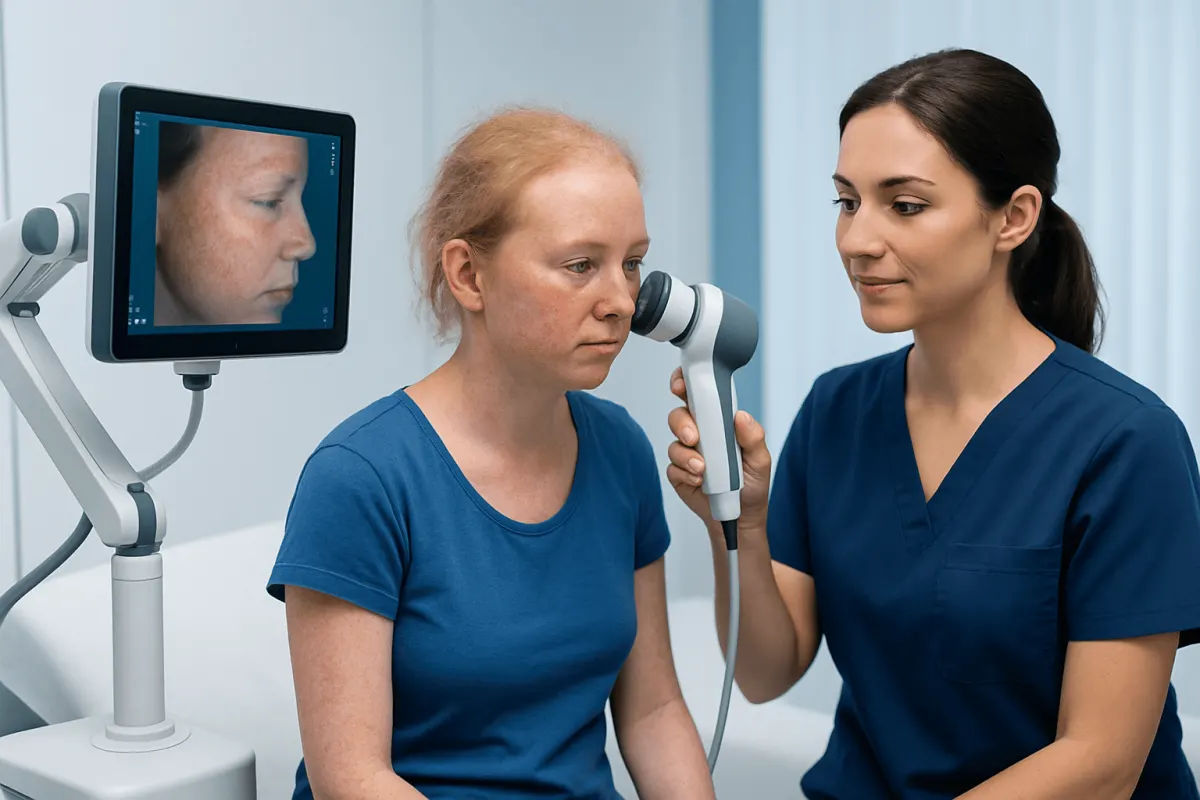
Netherton syndrome is a rare genetic condition that affects the skin barrier, hair shaft and immune system. Although there is currently no cure, early diagnosis and coordinated dermatology, allergy and nutrition care can reduce complications and support quality of life.
Overview: what is Netherton syndrome?
Netherton syndrome is a rare inherited disorder in which the skin’s protective outer barrier does not function normally. It can cause widespread redness, scaling, dryness and itching, often beginning at birth or during the first months of life. The condition also commonly affects the hair shaft and is associated with allergic conditions such as eczema-like inflammation, food allergy, asthma or hay fever.
The syndrome results from disease-causing changes in a gene called SPINK5. This gene helps regulate enzymes involved in forming and maintaining the skin barrier. When its function is reduced, the skin loses moisture more easily and is less effective at keeping irritants, allergens and germs out.
Netherton syndrome is lifelong, but its appearance and severity vary considerably from person to person. Symptoms may be especially demanding in infancy and early childhood. With careful skin care, prompt treatment of complications and specialist support, many people achieve better symptom control over time.
Recognising the skin, hair and allergy pattern
Newborns and infants with Netherton syndrome may have very red, inflamed or peeling skin. This can resemble severe eczema, congenital ichthyosis or other skin disorders. Because impaired skin can lose water and heat more easily, very young babies may need close medical observation for dehydration, difficulty maintaining body temperature, infection and poor weight gain.
As children grow, some develop a distinctive pattern called ichthyosis linearis circumflexa. This involves red, winding or ring-shaped patches with a characteristic double-edged scale at the border. The pattern may move, fade and reappear in different areas of the body. Not everyone with Netherton syndrome develops this sign clearly, particularly early in life.
Hair may be sparse, short, dry and prone to breakage. Under a microscope, a classic finding is trichorrhexis invaginata, sometimes called “bamboo hair,” where part of the hair shaft telescopes into another section. Eyebrows and eyelashes can also be affected. Hair testing can be useful, but a normal initial sample does not fully exclude the condition.
Itching can interfere with sleep, school, work and emotional wellbeing. Allergic sensitisation is common, and some people experience food reactions, wheezing, nasal allergies or elevated allergy-related blood markers. Allergy testing should always be interpreted by a clinician alongside the person’s symptoms, since a positive test alone does not prove that a food causes reactions.
Cause, inheritance and factors that influence severity
Netherton syndrome is caused by changes in both copies of the SPINK5 gene. It is generally inherited in an Cystic Fibrosis Autosomal Recessive?" class="ahp-ilk">autosomal recessive pattern: each parent is usually an unaffected carrier of one altered gene copy. When both parents are carriers, each pregnancy has a chance of resulting in an affected child, a carrier child or a child who does not inherit the altered copies.
The condition is not contagious and is not caused by skincare, diet, hygiene or anything a parent did during pregnancy. Genetic counselling can help affected individuals and families understand inheritance, discuss testing for relatives where appropriate and consider reproductive options in a supportive, non-directive setting.
Even among people with the same diagnosis, the course can differ. Skin inflammation, infections, allergic disease, climate, irritants, sleep disruption and individual response to treatment may all influence day-to-day symptoms. Some children improve substantially as they get older, while others continue to require intensive ongoing skin and allergy management.
How Netherton syndrome is diagnosed
Diagnosis begins with a detailed history and examination by a dermatologist, often working with paediatric, allergy and genetics specialists. Clinicians look for the combination of early-onset widespread skin inflammation or scaling, characteristic hair changes and allergic features. They also consider other inherited skin barrier disorders and severe forms of eczema that can have overlapping symptoms.
A hair sample examined with light microscopy can identify trichorrhexis invaginata. This feature strongly supports Netherton syndrome, but it may not be seen in every hair or at every age. Repeating the examination or testing hair from different areas may be helpful when clinical suspicion remains high.
Genetic testing that identifies disease-causing variants in both copies of SPINK5 can confirm the diagnosis. Blood tests may also assess nutritional status, inflammation, immune markers or allergy-related findings, particularly when a child is not gaining weight well or has recurrent infections. A skin biopsy is not always needed and may show nonspecific inflammation.
A confirmed diagnosis helps the care team tailor treatment, anticipate possible complications and arrange genetic counselling. It can also prevent unnecessary dietary restrictions or treatments intended for another condition. Families may benefit from referral to clinicians experienced in atopic dermatitis, as several symptoms and supportive approaches overlap.
Modern treatment approaches and daily management
There is no single curative treatment for Netherton syndrome, so care is individualised and usually combines daily skin-barrier support with treatment for inflammation, itching, infection and allergic disease. Regular use of bland, fragrance-free emollients can reduce dryness and cracking. Bathing routines, cleansers and topical products should be selected with a dermatologist, especially for infants and people with extensively inflamed skin.
Anti-inflammatory topical medicines may be used for limited periods or on selected areas. Because absorption through damaged skin can be greater than usual, clinicians carefully consider the product, body area, amount and duration. Treatments should not be copied from another person’s eczema plan without specialist advice. In some cases, eczema treatment strategies are adapted to help control itching and inflammation.
Skin infections need early assessment and appropriate treatment. Signs can include increasing pain, warmth, oozing, crusting, rapidly spreading redness, fever or a sudden worsening of the skin. A clinician may take a swab when infection is suspected. People with Netherton syndrome should avoid harsh antiseptics, fragranced products and unproven topical remedies that can further irritate the skin.
For moderate to severe disease that remains difficult to control, specialists may consider systemic medicines or targeted biologic therapies. Evidence is still developing because Netherton syndrome is rare, and responses vary. Treatment decisions should be made by an experienced multidisciplinary team, with monitoring for benefits and side effects. Allergy and nutrition specialists can address suspected food allergy, feeding difficulty, growth concerns and safe nutritional planning.
Living with the condition: prevention and self-care
Daily routines can make a meaningful difference. Gentle, frequent moisturising, soft breathable clothing, short nails and avoiding known irritants may reduce discomfort. Some people find that overheating and sweating worsen itching, so keeping rooms comfortably cool and using lightweight layers may help. A written skin-care plan is useful for home, school, childcare and travel.
Food avoidance should be based on a clear history of reactions and guidance from an allergy clinician or dietitian. Broad elimination diets can create nutritional risks, especially for infants and children who already have feeding difficulties or poor growth. Families should seek urgent care for symptoms of a severe allergic reaction, such as breathing difficulty, throat swelling, faintness or widespread hives with vomiting.
Itching, visible skin changes and disrupted sleep can affect confidence and mental health. Practical support may include school accommodations, psychological support, patient groups and conversations with employers or teachers about the condition. These supports are part of comprehensive care, not an indication that symptoms are “only psychological.”
Regular reviews allow the care plan to be adjusted as skin symptoms, allergies and lifestyle needs change. Acıbadem Health Point’s multidisciplinary specialists and JCI-accredited hospitals provide diagnosis and treatment planning for international patients with complex skin conditions, including Netherton syndrome.
When to seek medical care
Anyone with a newborn or child who has widespread red, peeling, scaly or persistently inflamed skin should seek prompt medical assessment. Evaluation is particularly important when skin symptoms occur with poor feeding, poor weight gain, recurrent infections, significant itching, unusual brittle hair or signs of allergy. Early specialist input can help identify Netherton syndrome and other conditions requiring specific care.
Urgent medical attention is needed for fever, lethargy, signs of dehydration, reduced urination, rapidly worsening redness, painful skin, pus or extensive crusting. Infants and young children can become unwell more quickly when the skin barrier is severely impaired, so caregivers should trust their concerns and seek timely advice.
Emergency care is appropriate for breathing problems, facial or throat swelling, collapse, confusion, a seizure, or a suspected severe allergic reaction. People already diagnosed with Netherton syndrome should continue planned follow-up and contact their care team when current treatment is no longer controlling symptoms or is causing side effects.
Frequently asked questions
01Is Netherton syndrome curable?
There is currently no cure that corrects the underlying genetic cause of Netherton syndrome. Treatment aims to strengthen the skin barrier, reduce inflammation and itching, prevent or treat infections, and manage allergies. Specialist follow-up can help adapt care as symptoms change.
02How is Netherton syndrome inherited?
Netherton syndrome is usually inherited in an autosomal recessive manner. This means an affected person has inherited a disease-causing SPINK5 gene change from each parent, who are often healthy carriers. Genetic counselling can explain family risks and available testing options.
03Can Netherton syndrome be mistaken for eczema?
Yes. The early skin symptoms can look similar to severe atopic dermatitis or other inherited scaling disorders. Fragile hair with trichorrhexis invaginata, characteristic skin patterns and SPINK5 genetic testing can help distinguish Netherton syndrome from these conditions.
04Does every person with Netherton syndrome have bamboo hair?
Trichorrhexis invaginata, also called bamboo hair, is a highly characteristic feature, but it may not be easy to find in every person or at every age. Hair can be examined from more than one site, and the test may be repeated if the diagnosis is still suspected. Genetic testing can provide confirmation.
05Are food allergies common in Netherton syndrome?
Allergic conditions and food sensitisation are common in Netherton syndrome, but not every positive allergy test means a food must be avoided. A qualified allergy specialist should interpret test results together with symptoms and, when needed, plan safe food evaluation. Unnecessary restriction can affect nutrition and growth.
06Does Netherton syndrome improve with age?
Some people experience improvement in skin redness, scaling or overall disease burden as they grow older, while others continue to have significant symptoms. The course is individual and can be influenced by infections, allergies, climate and response to treatment. Ongoing care remains important even when symptoms become milder.
This article is for general information only and is not a substitute for professional medical advice. Please consult a qualified doctor about your individual situation.
Hair transplant in Turkey — costs, graft counts & a free assessment
JCI-accredited · board-certified surgeons · reply within 24h
Add us as a Preferred Source to see more of our trusted health content across Google Search, AI Overviews and Discover.