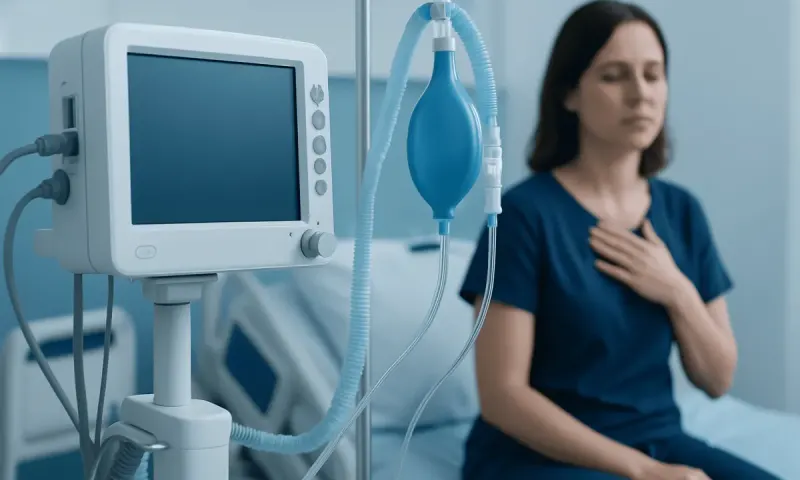
Nervous Breakdown Remedies: Support, Rest, and Care
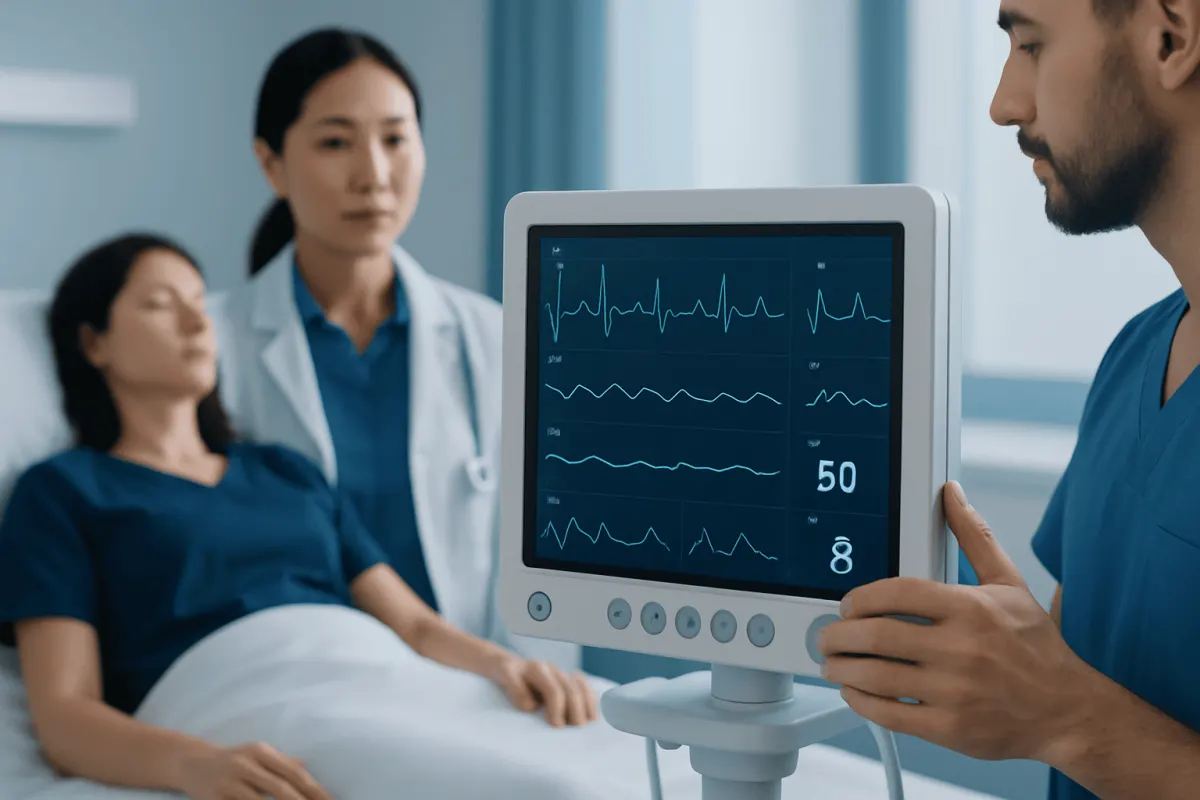
There is no single nervous breakdown remedy because “nervous breakdown” is not a medical diagnosis. Evidence-based support includes reducing immediate stress, seeking professional assessment, using psychological treatment when needed, and addressing conditions such as anxiety, depression, trauma-related symptoms, sleep problems, or substance use.
What Is a Nervous Breakdown Remedy?
A “nervous breakdown” is an informal term, not a medical diagnosis. People often use it to describe reaching a point where stress, fear, low mood, exhaustion, or emotional pain feels unmanageable and makes work, relationships, self-care, or everyday responsibilities difficult. The most appropriate nervous breakdown remedy is therefore not a quick fix; it is a supportive plan based on the person’s symptoms, safety, circumstances, and any underlying health condition.
In the short term, helpful steps may include stepping back from nonessential demands, contacting a trusted person, eating and drinking regularly, creating time for sleep, and arranging a medical or mental health appointment. Longer-term care may involve psychotherapy, treatment for anxiety or depression, help with substance use, workplace or family support, and strategies for managing ongoing stressors.
Experiencing this level of distress is not a personal failure or a sign of weakness. It can be a signal that someone’s coping resources have been overwhelmed. With appropriate support and treatment, many people recover and build effective ways to manage future periods of stress.
How Severe Stress Can Affect Mind and Body
Prolonged or intense stress can affect thoughts, emotions, behavior, and physical health. The body’s stress response is useful during short-term challenges, but persistent activation can contribute to poor sleep, irritability, muscle tension, headaches, digestive symptoms, concentration problems, and feeling constantly “on edge.” Emotional symptoms can include anxiety, tearfulness, hopelessness, anger, numbness, or a sense of being unable to cope.
A period described as a nervous breakdown may occur alongside a recognized mental health condition, such as an anxiety disorder, major depression, panic disorder, post-traumatic stress disorder, or an adjustment disorder. It may also be connected with burnout, grief, relationship difficulties, financial strain, caregiving responsibilities, trauma, chronic illness, or major life changes. More than one factor is often involved.
Physical health concerns can sometimes resemble or worsen anxiety and exhaustion. For example, thyroid disorders, anemia, chronic pain, medication effects, sleep disorders, and alcohol or drug use may affect mood, energy, sleep, or concentration. This is one reason a clinical assessment is valuable, especially when symptoms are new, severe, or persistent.
Signs That Professional Support May Help

People respond to stress differently, but it is sensible to seek professional guidance when distress lasts for more than a short period, continues to worsen, or interferes with daily life. A person may struggle to get out of bed, attend work or school, care for children, keep appointments, make decisions, or maintain relationships. They may feel overwhelmed by tasks that would normally be manageable.
Common warning signs include persistent worry, frequent crying, panic-like episodes, profound tiredness, sleep changes, appetite changes, loss of interest in usual activities, withdrawal from others, increased conflict, or relying more heavily on alcohol, recreational drugs, or sedating medicines. Some people experience physical symptoms such as palpitations, chest tightness, nausea, shaking, or breathlessness. These symptoms deserve medical review rather than self-diagnosis.
It can help to write down when symptoms began, recent stressors, changes in sleep or substance use, medical conditions, and current medicines. This information helps a doctor or mental health professional understand the situation. A trusted family member or friend may also help with practical arrangements or attend an appointment if the person wishes.
Evidence-Based Treatment and Recovery Options
Care begins with a conversation and assessment. A doctor, psychologist, psychiatrist, or other qualified mental health professional will ask about symptoms, safety, medical history, recent events, sleep, and substance use. They may consider physical examinations or tests when symptoms suggest a medical contributor. The goal is not to label normal stress as illness, but to identify what support is needed and whether a treatable condition is present.
Psychological therapies are a central part of care for many people. Cognitive behavioral therapy can help people recognize unhelpful thought patterns and develop practical coping skills. Other approaches, including counseling, interpersonal therapy, trauma-focused therapy, or family therapy, may be more suitable depending on the person’s concerns. Therapy can also provide a structured space to process grief, conflict, trauma, or major life transitions.
Medication may be considered when symptoms are moderate to severe, persistent, or part of a diagnosed condition such as depression or an anxiety disorder. A clinician can explain possible benefits, side effects, interactions, and the expected time frame for improvement. Medication is usually most effective when combined with follow-up care and practical support, rather than viewed as the only solution.
Recovery plans should also address everyday pressures. This may mean a temporary adjustment to work or study demands, help with caregiving, financial or social support services, treatment for sleep difficulties, or support to reduce alcohol and drug use. The best plan is realistic, individualized, and reviewed over time as symptoms improve.
Supportive Self-Care While Arranging Help
Self-care does not replace professional care when someone is significantly distressed, but small, consistent actions can reduce strain and support recovery. The aim is not to do everything perfectly. It is to restore basic routines and create brief periods of calm while appropriate help is arranged.
- Keep a simple daily structure, including regular meals, hydration, washing, and a consistent sleep and wake time where possible.
- Break tasks into small steps and postpone nonurgent commitments. Asking for practical help is appropriate.
- Use calming techniques such as slow breathing, gentle stretching, a short walk, or a grounding exercise that focuses attention on present sights, sounds, and sensations.
- Stay connected with at least one supportive person, even if this is only through a short call or message.
- Limit alcohol and avoid recreational drugs, which can worsen sleep, anxiety, low mood, and impulsive behavior.
- Reduce excess caffeine if it triggers palpitations, shakiness, or panic symptoms.
Information online can be useful, but it should not be used to confirm a diagnosis or replace care. People should be cautious of products that claim to rapidly “cure” stress, depression, or anxiety. Supplements and herbal remedies can have side effects or interact with prescribed medicines, so it is important to discuss them with a clinician or pharmacist before use.
When to Seek Medical Care
Medical care should be arranged promptly if emotional distress is making it difficult to function, if symptoms are not improving with supportive steps, or if there are concerning physical symptoms. A primary care doctor can assess physical and mental health factors and refer to a mental health specialist when appropriate. Early support can help prevent symptoms from becoming more disruptive.
Urgent help is needed if a person has thoughts of suicide or self-harm, feels unable to stay safe, has made a plan to harm themselves, or is at risk of harming someone else. Emergency assessment is also important for severe confusion, hearing or seeing things that others do not, extreme agitation, several days without sleep accompanied by unusually high energy or risky behavior, or inability to eat, drink, or care for basic needs.
In an immediate crisis, the person should contact local emergency services or go to the nearest emergency department. They should not remain alone if there is a risk of self-harm. A trusted person can stay with them, help remove access to means of self-harm when safe to do so, and assist them in reaching urgent professional support.
Building Resilience After a Period of Overwhelm
Recovery from severe stress is often gradual. Symptoms may improve unevenly, with better and more difficult days. Follow-up appointments help clinicians adjust treatment, monitor progress, and address barriers such as sleep problems, ongoing conflict, chronic illness, or difficulty accessing support. It is useful to recognize improvement in practical terms, such as sleeping more regularly, returning to activities, or feeling more able to make decisions.
Once the immediate crisis has settled, people can work with their care team to identify early warning signs and make a plan for future stress. This plan might include maintaining regular routines, protecting time for rest, setting boundaries, continuing therapy exercises, staying socially connected, and knowing whom to contact when symptoms return. Managing stress is not about avoiding every challenge; it is about having workable supports before pressure becomes overwhelming.
Acıbadem Health Point’s multidisciplinary specialists and JCI-accredited hospitals can assess mental health concerns alongside relevant physical health factors and support international patients who need coordinated care. Anyone experiencing severe or persistent symptoms should speak with a qualified healthcare professional for advice tailored to their needs.
Frequently asked questions
01Is a nervous breakdown a real medical diagnosis?
No. “Nervous breakdown” is a common phrase used to describe severe emotional distress and difficulty coping, but clinicians do not use it as a formal diagnosis. An assessment can determine whether symptoms relate to anxiety, depression, trauma, sleep problems, a physical condition, or another concern.
02What is the fastest nervous breakdown remedy?
There is no instant remedy, and rapid claims should be treated cautiously. Immediate steps include ensuring safety, reducing demands, contacting a trusted person, meeting basic needs, and arranging professional support. Urgent services are needed if there are thoughts of self-harm or an inability to stay safe.
03Can stress cause physical symptoms?
Yes. Stress and anxiety can contribute to headaches, muscle tension, digestive upset, fatigue, palpitations, shaking, chest tightness, and sleep problems. However, new, severe, or persistent physical symptoms should be evaluated by a healthcare professional so other causes are not missed.
04Does a person need medication after a nervous breakdown?
Not always. Many people benefit from psychological therapy, practical support, improved sleep, and changes that reduce ongoing stress. Medication may be helpful when a clinician identifies moderate to severe depression, an anxiety disorder, or another condition for which medicine is appropriate.
05How long does recovery take?
Recovery varies because the causes, symptoms, support systems, and treatments differ from person to person. Some people feel better within weeks after receiving support, while others need longer-term care. Regular follow-up and a realistic recovery plan can help maintain progress.
06Can someone continue working during recovery?
Some people can continue working with temporary adjustments, such as reduced workload, flexible hours, or time away from highly stressful duties. Others may need a period of leave to focus on treatment and basic recovery. A clinician can help guide this decision based on symptoms and safety.
This article is for general information only and is not a substitute for professional medical advice. Please consult a qualified doctor about your individual situation.
Explore treatments in Turkey — costs, top hospitals & a free quote
JCI-accredited · board-certified surgeons · reply within 24h
Add us as a Preferred Source to see more of our trusted health content across Google Search, AI Overviews and Discover.