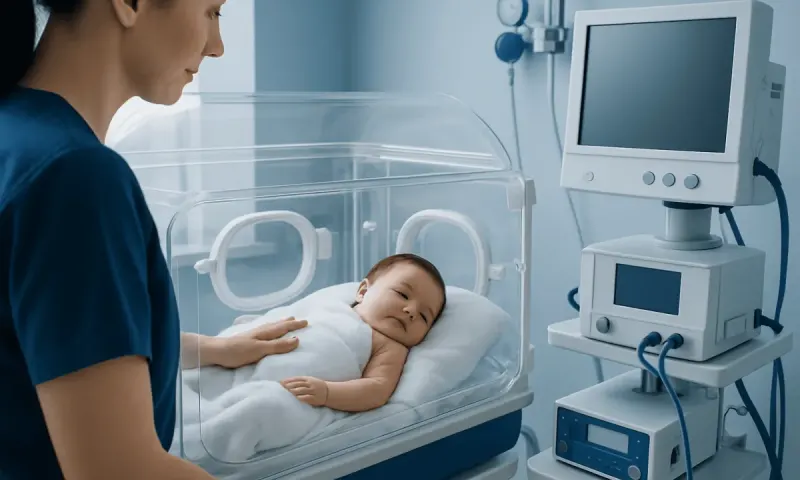
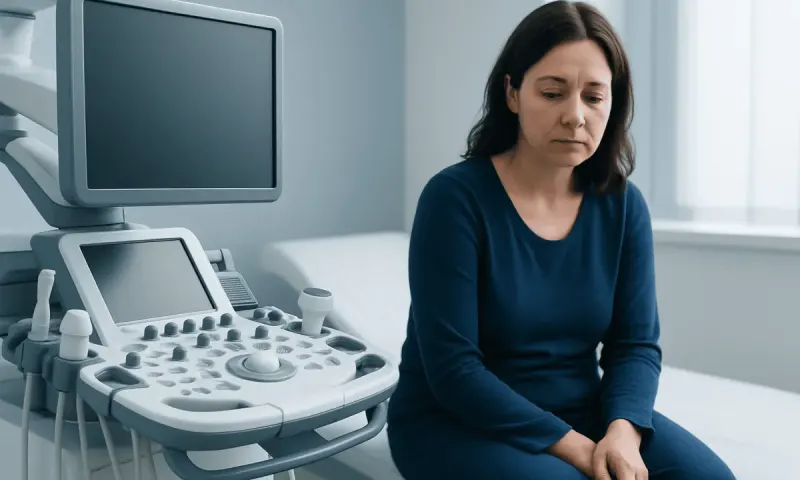
Autism Symptoms in a 3-Year-Old: Signs to Recognize
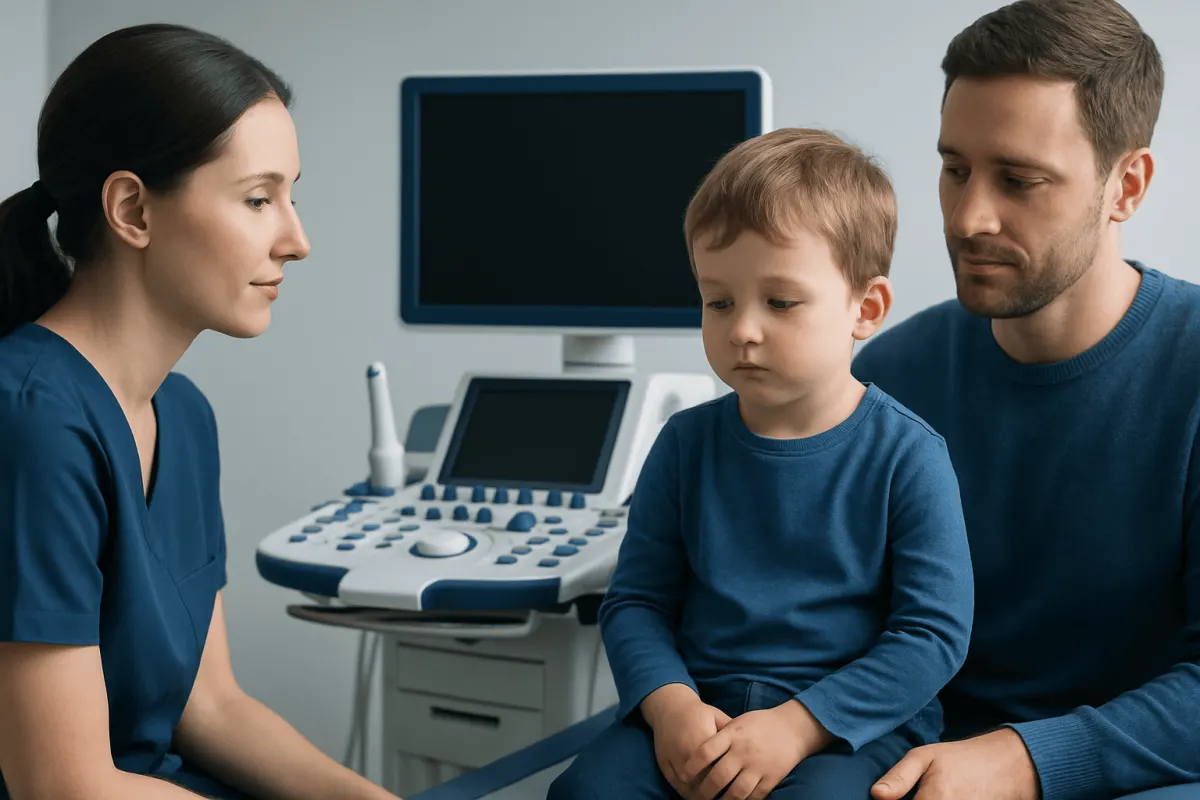
Autism in 3 yr old symptoms may appear as differences in language, social communication, play, sensory responses, and repeated behaviors. Every child develops differently, but discussing persistent concerns with a pediatrician can help a child access assessment and supportive services early.
Overview: What autism signs can look like at age 3
Autism in 3 yr old symptoms may include differences in how a child communicates, connects with other people, plays, responds to sensory experiences, and manages routines. These differences are part of autism spectrum disorder (ASD), a lifelong neurodevelopmental condition. Signs can be subtle or more noticeable, and no two autistic children have exactly the same profile.
At 3 years old, many children are becoming more interested in shared play, short conversations, pretend activities, and showing others what they enjoy. A child with autism may develop some of these skills in a different pattern, at a different pace, or with different needs for support. Some children speak early but have difficulty using language socially, while others use few words, communicate nonverbally, or lose skills they previously used.
It is important not to interpret one isolated trait as autism. For example, enjoying routines, being shy around unfamiliar people, or having a language delay can occur for many reasons. A pediatrician or qualified developmental specialist looks at patterns across communication, social interaction, behavior, sensory processing, and development over time.
Common autism symptoms in a 3-year-old
Social communication differences are often among the earliest concerns. A 3-year-old may not consistently respond to their name, make eye contact in the way others expect, point to share an interesting object, or bring a caregiver into an activity for enjoyment. They may prefer playing alone, have difficulty taking turns, or seem unsure how to join other children, although some autistic children are very interested in people and want connection.
Language and communication can vary greatly. Possible signs include speaking fewer words than expected, not combining words into short phrases, repeating words or phrases heard from others, using a memorized or unusually formal style of speech, or having trouble answering simple questions. Some children use gestures, pictures, facial expressions, or leading an adult by the hand to communicate. Losing words, gestures, or social skills that were previously present should always be discussed promptly with a doctor.
Restricted or repetitive patterns may also be present. These can include lining up toys, repeatedly opening and closing objects, focusing intensely on parts of toys, hand flapping, rocking, spinning, or becoming very upset when familiar routines change. A child may show a strong interest in a particular topic or object. These behaviors can sometimes help a child manage excitement, stress, uncertainty, or sensory input.
- Unusual sensitivity to noise, lights, clothing textures, smells, food textures, or touch
- Seeking strong sensory experiences, such as spinning, jumping, or watching moving objects closely
- Limited pretend play or using toys mainly in repetitive ways
- Difficulty shifting from one activity to another
- Big emotional responses that are hard to settle, especially during transitions or in overwhelming settings
Development varies: signs that merit a closer look

Developmental milestones are useful guides, not strict tests of a child’s abilities. Some 3-year-olds are late talkers and later catch up; others may have hearing difficulties, speech-language disorders, anxiety, intellectual disability, attention differences, or another developmental condition. Autism can also occur alongside these conditions. A thorough evaluation helps clarify what is contributing to the child’s needs.
It can be helpful for caregivers to focus on everyday examples rather than trying to label behaviors. They may notice whether the child shares enjoyment, uses gestures to communicate, understands simple language, plays flexibly, copes with change, and participates in nursery, preschool, or family routines. Notes from caregivers, teachers, and childcare professionals can give clinicians a more complete view.
Some girls and children with strong language skills may have signs that are less immediately recognized. They may copy peers, use learned phrases in social situations, or appear to manage well in structured settings while finding interactions and changes exhausting. An assessment should consider the individual child rather than relying on stereotypes about how autism “should” look.
Possible causes and risk factors
Autism does not have one single cause. Current evidence indicates that it develops through a complex combination of genetic and early developmental factors that affect brain development. Autism is not caused by poor parenting, lack of affection, dietary choices, or a child spending time with a screen. Vaccines do not cause autism.
Autism can run in families, although having an autistic relative does not mean that another child will necessarily be autistic. Certain genetic conditions are associated with a higher likelihood of autism, and some pregnancy or birth-related factors may be associated with increased likelihood in research studies. These associations do not establish that any one factor caused autism in an individual child.
Caregivers should avoid blaming themselves or searching for a single explanation. The most useful next step is to understand the child’s current strengths, challenges, communication style, and support needs. These details are more helpful for planning care than trying to identify a personal cause.
How autism is assessed at age 3
There is no blood test, brain scan, or single questionnaire that can diagnose autism. Diagnosis is based on a detailed developmental assessment by a qualified clinician, often a developmental pediatrician, child psychologist, child psychiatrist, pediatric neurologist, or multidisciplinary team. The process usually includes discussion of pregnancy and birth history, developmental milestones, health history, family history, and current behavior.
The clinician observes how the child communicates, plays, responds to social interaction, and uses language and gestures. Standardized developmental and autism-focused assessment tools may be used, alongside information from parents and preschool staff. Hearing testing is commonly considered when speech or response-to-name concerns are present, because hearing problems can affect communication development.
An assessment should also identify coexisting needs, such as speech-language delay, sleep difficulties, feeding concerns, anxiety, attention differences, or challenges with motor skills. Understanding the full picture allows the care plan to be tailored to the child. A diagnosis can be helpful, but support for meaningful developmental needs does not always need to wait for a final diagnosis.
Support and treatment options
There is no single treatment that is right for every autistic child. Support is individualized and should build on the child’s strengths while improving access to communication, learning, play, independence, and participation in family and community life. Early intervention can begin in the preschool years and may involve parents or caregivers as active partners.
Depending on a child’s needs, support may include speech and language therapy, occupational therapy for sensory or daily-living challenges, developmental play-based approaches, and educational strategies within preschool. Communication support may include gestures, visual schedules, picture-based systems, or augmentative and alternative communication devices. These methods do not prevent speech; for many children, they offer a reliable way to express needs and choices.
Medicines do not treat the core features of autism. However, a doctor may consider medication for specific coexisting concerns, such as severe sleep problems, anxiety, ADHD symptoms, irritability, or seizures, when appropriate. Care plans should be reviewed regularly because a child’s needs and abilities can change as they grow.
When to seek medical care
Caregivers should arrange a pediatric appointment if they have ongoing concerns about a 3-year-old’s communication, social connection, play, behavior, or development. It is particularly important to seek advice if the child does not use words or gestures to communicate needs, rarely shares interest with others, does not respond consistently to their name, has frequent distress around change, or shows repetitive behaviors that interfere with daily life.
Prompt assessment is recommended if a child loses previously acquired words, social engagement, gestures, play skills, or other developmental abilities. A sudden loss of skills may have several possible causes and should not be assumed to be autism without medical review. Urgent medical care is needed if there are seizures, breathing problems, a serious injury, concern that the child may harm themselves or others, or an immediate safety risk.
Parents and caregivers can bring brief notes or videos of concerning behaviors to an appointment, if available and appropriate. Acıbadem Health Point’s multidisciplinary specialists and JCI-accredited hospitals can assess developmental concerns and coordinate care for international patients. The goal is not to change a child’s identity, but to understand their needs and help them communicate, learn, feel safe, and thrive.
Frequently asked questions
01Can autism be recognized in a 3-year-old?
Yes. Many children show recognizable autism-related differences by age 3, particularly in social communication, language use, play, sensory responses, and repetitive behaviors. However, only a qualified clinician can make a diagnosis after considering the child’s overall developmental history and current functioning.
02What are the earliest autism signs parents may notice?
Parents may notice limited response to name, less pointing or showing objects to share interest, delayed language, repeated phrases, limited pretend play, or distress with changes in routine. Some children also show unusually strong or unusually low responses to sounds, textures, lights, or touch. These signs can have other explanations, so assessment is important.
03Does delayed speech mean a 3-year-old has autism?
No. Speech delay alone does not mean a child has autism. A child may have a language disorder, hearing difficulty, a broader developmental delay, or a normal variation in language development; autism is considered when communication differences occur alongside characteristic social and behavioral patterns.
04Can a child be autistic if they make eye contact or enjoy cuddles?
Yes. Eye contact, affection, and interest in family members vary widely among autistic children. Autism is assessed from a broad pattern of development and behavior, not from one feature such as eye contact or a child’s willingness to cuddle.
05What should parents do while waiting for an autism assessment?
Parents can ask their pediatrician about hearing testing, speech-language evaluation, and local early intervention or preschool support services. Using clear language, predictable routines, visual choices, and play based on the child’s interests can be helpful. It is also useful to record examples of strengths, concerns, triggers, and successful calming strategies.
06Can autism symptoms improve with support?
With appropriate support, many autistic children develop communication, coping, learning, and independence skills over time. The aim is to reduce barriers and support well-being rather than to promise a particular outcome. Progress is individual and can depend on a child’s needs, environment, and access to suitable services.
This article is for general information only and is not a substitute for professional medical advice. Please consult a qualified doctor about your individual situation.
Explore treatments in Turkey — costs, top hospitals & a free quote
JCI-accredited · board-certified surgeons · reply within 24h
Add us as a Preferred Source to see more of our trusted health content across Google Search, AI Overviews and Discover.