Negative Pregnancy Test but No Period: Purpose, Procedure and Results

Key Takeaways
- A negative test does not always rule out pregnancy if testing was done too early or incorrectly.
- Stress, weight changes, exercise, illness, and hormonal conditions can delay a period.
- Irregular cycles and perimenopause are common non-pregnancy reasons for a missed period.
- Persistent missed periods, pelvic pain, heavy bleeding, or other symptoms should be evaluated by a doctor.
- A clinician may use repeat testing, blood work, and imaging to find the cause.
A negative pregnancy test but no period can happen for several reasons, including testing too early, cycle changes, stress, hormonal shifts, or certain medical conditions. Understanding the next steps helps a person know when to repeat the test, track symptoms, and seek medical advice.
Overview
A negative pregnancy test but no period is a common and understandable concern. In many cases, it means the test was taken before pregnancy hormone levels were high enough to detect, but it can also point to a delayed cycle or another health issue that deserves attention.
For someone trying to decide whether to repeat a test, wait a few days, or arrange a medical review, the most useful approach is to look at timing first. Home urine tests are helpful, but they are not perfect, and a missed period can happen for reasons that have nothing to do with pregnancy.
Clinicians usually think about this question in two parts: is pregnancy still possible, and if not, what else could be affecting the menstrual cycle? That way, the evaluation stays focused, calm, and practical.
Why a Pregnancy Test Can Be Negative
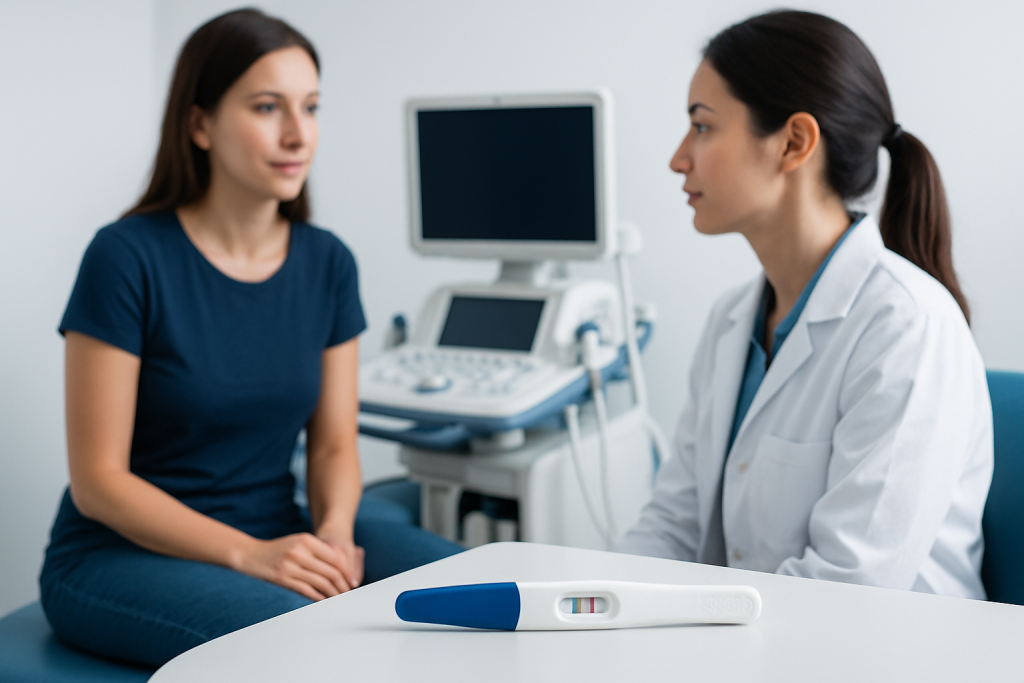
The most common reason for a negative result is simple timing. Pregnancy tests detect human chorionic gonadotropin, or hCG, a hormone that rises after implantation. If ovulation happened later than expected, or if testing was done very soon after a missed period, hCG may still be below the level the test can detect.
How the test is used matters as well. Diluted urine, checking the result outside the recommended reading window, or using an expired test can affect accuracy. Very rarely, a pregnancy-related issue can also produce an unclear or unexpected result, which is why persistent symptoms should not be ignored.
It can help to remember that one test is only a snapshot. If a period has not started and pregnancy is still possible, repeating the test a few days later or using a clinician-ordered blood test often gives a clearer answer.
Common Non-Pregnancy Causes of a Missed Period

Periods can be delayed by everyday and medical factors. Stress, poor sleep, recent travel, acute illness, significant weight loss or gain, and intense exercise can all influence the hormones that regulate ovulation and bleeding.
Hormonal conditions are another important group of causes. Polycystic ovary syndrome, thyroid disorders, elevated prolactin, and perimenopause may all lead to irregular or absent periods. Some medications, including certain hormonal contraceptives and psychiatric medicines, can also affect menstrual timing.
- Stress or emotional strain
- Changes in weight, diet, or exercise
- Thyroid imbalance
- Polycystic ovary syndrome
- Perimenopause or menopause transition
- Recent stopping or starting of hormonal contraception
For Myomectomy Recovery for International Patients: The Usual Travel Timeline" class="ahp-ilk">international patients, travel itself can sometimes add to the confusion. Time-zone changes, disrupted sleep, and a shifting routine may delay ovulation and make a cycle look more irregular than usual.
Symptoms That Help Explain the Pattern
One missed period alone does not reveal the cause. Doctors look for associated symptoms, because they often point toward a hormone issue, pelvic condition, or a possible early pregnancy that has not yet shown on a test.
Signs such as breast tenderness, nausea, fatigue, or frequent urination may still occur in very early pregnancy. On the other hand, acne, scalp hair thinning, excess facial hair, hot flashes, vaginal dryness, or milky nipple discharge can suggest a hormone imbalance that needs assessment.
Pelvic pain, fever, unusual discharge, or very heavy bleeding after a missed period should be discussed promptly. These symptoms do not always mean something serious, but they do help a doctor choose the right tests and avoid unnecessary delay.
How Doctors Diagnose the Cause
A careful history is usually the starting point. A doctor may ask about the date of the last period, cycle regularity, sexual activity, contraception, stress, weight change, exercise habits, and any new medications or medical conditions.
Testing depends on the situation. If pregnancy is still possible, a repeat urine test or a blood hCG test may be recommended. If the test remains negative, the clinician may order thyroid tests, prolactin, reproductive hormone tests, or other blood work to look for common causes of missed periods.
In some cases, pelvic ultrasound is helpful, especially when symptoms suggest ovarian cysts, polycystic ovaries, fibroids, or another structural issue. For someone traveling for care, this step can often be coordinated efficiently so that diagnosis and follow-up planning are handled in a structured way.
Treatment Options
Treatment depends entirely on the reason the period is delayed. If pregnancy is confirmed, care shifts to early pregnancy support and routine prenatal guidance. If pregnancy is not present, the focus becomes correcting the underlying hormonal or medical cause.
For example, stress-related cycle changes may improve with better sleep, reduced overtraining, or support for emotional wellbeing. Thyroid disorders or elevated prolactin may be treated with medication, while polycystic ovary syndrome is often managed with a combination of lifestyle measures and hormone-based treatment when appropriate.
Doctors do not simply aim to “bring on” a period without understanding why it is missing. That approach can mask an underlying condition, so the safest plan is to match treatment to the diagnosis rather than to the symptom alone.
Prevention & Self-care
Not every missed period can be prevented, but some cycle disruptions can be reduced. Keeping a menstrual calendar, noting stressors, and tracking symptoms may help a person and their doctor spot patterns earlier.
General health habits also matter. Regular sleep, balanced nutrition, moderate activity, and avoiding sudden changes in body weight can support more predictable cycles. If hormonal contraception has recently been started, stopped, or changed, it is reasonable to expect that cycles may need time to settle.
For someone receiving care abroad or preparing to travel for evaluation, it helps to bring prior records, test results, and a list of medications. A clear history makes it easier for the medical team to compare cycles over time and avoid repeating unnecessary tests.
When to See a Doctor
Medical review is sensible if a period is more than a few days late and there is ongoing concern about pregnancy, especially after a negative home test. It is also important if periods are repeatedly irregular, absent for several months, or accompanied by signs of hormone imbalance.
Prompt assessment is recommended for severe pelvic pain, fainting, shoulder pain, heavy bleeding, fever, or a positive pregnancy test after a period of uncertainty. These symptoms may need urgent evaluation, regardless of the initial home test result.
For people who prefer coordinated specialist assessment, Acibadem Health Point can connect international patients with multidisciplinary specialists and JCI-accredited hospitals for diagnosis and treatment planning in a structured setting.
Frequently asked questions
01Can I be pregnant if the test is negative and my period is late?
Yes, especially if the test was taken too early or urine was diluted. Ovulation may have occurred later than expected, so hCG might not yet be high enough to detect. Repeating the test in a few days or asking for a blood test can help clarify the result.
02How long should I wait before retesting?
Many clinicians suggest retesting after a short interval if pregnancy is still possible and the period has not arrived. Waiting a few days can allow hCG to rise if pregnancy is present. If the result remains negative and the period still does not come, a medical review is sensible.
03What if my periods are usually irregular?
Irregular cycles make it harder to know when a period is truly late. In that situation, doctors often rely more on symptoms, timing of intercourse, and repeat testing. If irregular periods are common, it is worth discussing possible causes such as PCOS or thyroid problems.
04Can stress really stop a period?
Yes, stress can delay ovulation and shift the timing of a period. This effect may happen after emotional strain, poor sleep, travel, illness, or major life changes. If the cycle does not return to normal, a doctor may check for other causes as well.
05What tests might a doctor order?
A doctor may start with a repeat pregnancy test or blood hCG test. If pregnancy is not the cause, blood tests for thyroid function, prolactin, and other hormones are common, and an ultrasound may be used if a pelvic cause is suspected.
06Is it normal to miss one period once in a while?
Yes, an occasional missed or delayed period can happen for benign reasons such as stress or a temporary hormone shift. However, repeated missed periods or other new symptoms should not be ignored. A clinician can help determine whether anything needs treatment.
This article is for general information only and is not a substitute for professional medical advice. Please consult a qualified doctor about your individual situation.
IVF & fertility treatment in Turkey — success rates and costs
JCI-accredited · board-certified surgeons · reply within 24h
Add us as a Preferred Source to see more of our trusted health content across Google Search, AI Overviews and Discover.