Neck Ache, Headache, and Tiredness: Possible Causes
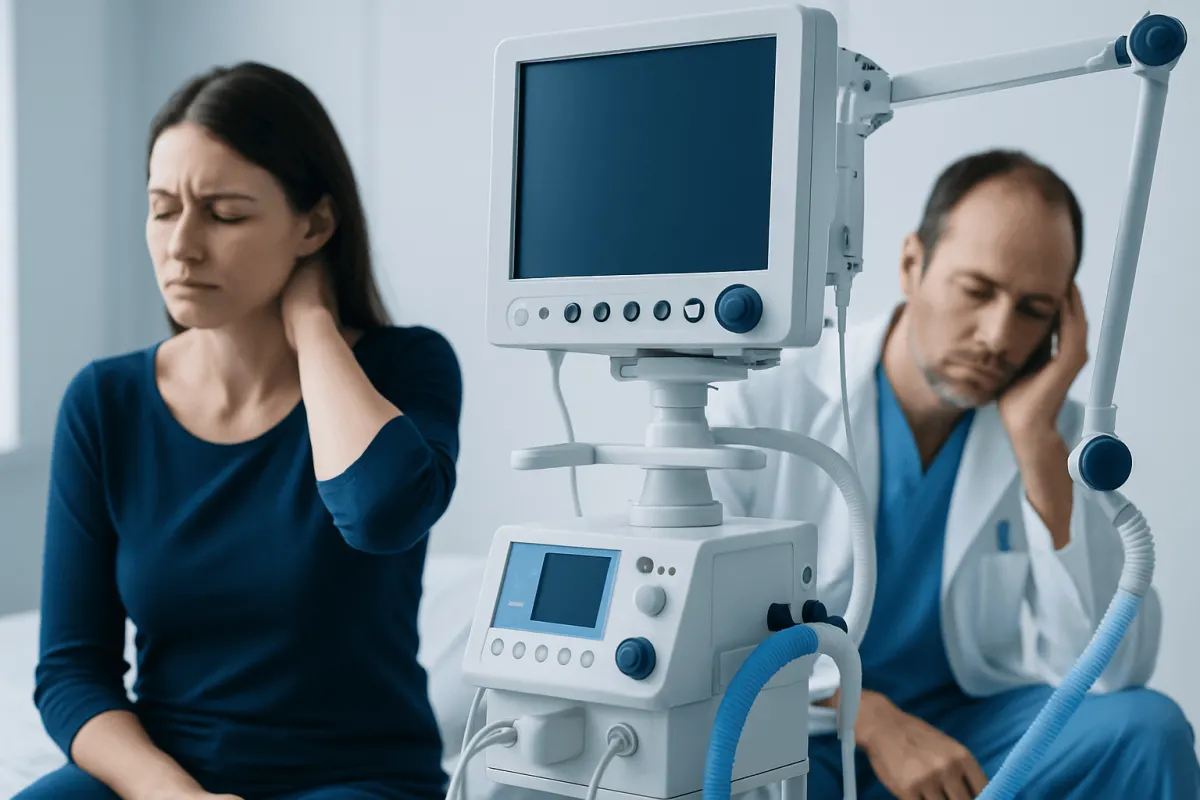
Neck ache, headache and tiredness often occur together because of muscle tension, prolonged posture, stress, inadequate sleep or a short-term illness. Most cases improve with simple supportive measures, but new severe symptoms, fever with neck stiffness, neurological changes or symptoms after an injury require prompt medical care.
What can cause neck ache, headache and tiredness?
Neck ache, headache and tiredness can happen together for several reasons. In many people, the combination is linked to tight neck and shoulder muscles, extended time spent looking down at a phone or computer, emotional stress, insufficient sleep, dehydration or a minor viral infection. These factors can lower energy while also making the head and neck more sensitive to pain.
A tension-type headache is one common pattern. It often feels like pressure, tightness or a band around the head, with aching in the neck, scalp or shoulders. The discomfort may build through the day, particularly after sustained desk work, driving, stressful activity or poor sleep. Although this pattern can be uncomfortable, it is usually not a sign of a dangerous condition.
However, symptoms should not automatically be attributed to tension. The cause may be related to a primary headache disorder, a problem affecting the cervical spine, infection, medication effects, sleep disturbance or another health condition. A new pattern, worsening symptoms or concerning accompanying signs should be discussed with a qualified healthcare professional.
Common patterns and accompanying symptoms
The details of the symptoms can offer useful clues. With posture-related muscle strain, neck pain may worsen after holding one position for a long time and improve with rest, heat or gentle movement. Head pain may begin at the base of the skull or feel concentrated around the temples and forehead. Tiredness can follow disrupted sleep caused by discomfort or the effort of managing persistent pain.
A headache that begins in the neck may sometimes be described as cervicogenic. It can be one-sided and may be triggered by neck movement or sustained posture. Migraine is another possibility: it may cause throbbing head pain, nausea, sensitivity to light or sound, and significant tiredness before, during or after an attack. Neck discomfort is also common in people with migraine and does not necessarily mean the neck is the original source of pain.
Short-lived illnesses such as colds, influenza and other viral infections may produce headache, generalized aches, low energy and neck soreness. Sinus symptoms, sore throat, cough, body aches or fever can help place these symptoms in context. In contrast, fever accompanied by marked neck stiffness, a severe headache, rash, confusion or increasing drowsiness needs urgent evaluation.
- Muscle tension: pressure-like headache, tight shoulders, symptoms after screen time or stress.
- Poor sleep: morning headache, daytime sleepiness, reduced concentration or snoring.
- Migraine: recurrent attacks with nausea, light or sound sensitivity, or worsening with routine activity.
- Infection: headache and fatigue with fever or respiratory and throat symptoms.
Causes and factors that can contribute

Everyday physical strain is a frequent contributor. An unsuitable workstation, a pillow that does not support the neck comfortably, long periods of driving, repetitive lifting, or sleeping in an awkward position can overload muscles and joints in the neck. Reduced physical activity may also contribute to stiffness, while suddenly doing more activity than usual can cause soreness.
Stress and anxiety can increase muscle tension and affect sleep quality. This may create a cycle in which pain disrupts rest, tiredness reduces a person’s ability to cope with discomfort, and tension then becomes more noticeable. Jaw clenching or teeth grinding, especially during sleep, can add pain around the jaw, temples, neck and shoulders.
Other factors deserve consideration when symptoms are ongoing. These include sleep apnea or other sleep disorders, anemia, thyroid conditions, low mood, medication side effects and frequent use of pain medicines for headache. Regularly relying on acute headache medicines can, in some people, contribute to medication-overuse headache. A clinician can review the full symptom pattern and health history rather than assuming one explanation fits everyone.
Less commonly, headache and neck pain may follow an injury, arise from inflammatory conditions, or be associated with disorders involving the brain, nerves or blood vessels. These causes are not the usual explanation, but medical assessment is important if warning signs are present.
How clinicians assess these symptoms
A healthcare professional will usually begin by asking when the neck ache, headache and tiredness began, whether they appeared suddenly or gradually, and how they have changed. Useful information includes the location and character of the headache, triggers, sleep habits, work posture, recent illness, injury, medicines and any history of migraine or other health conditions.
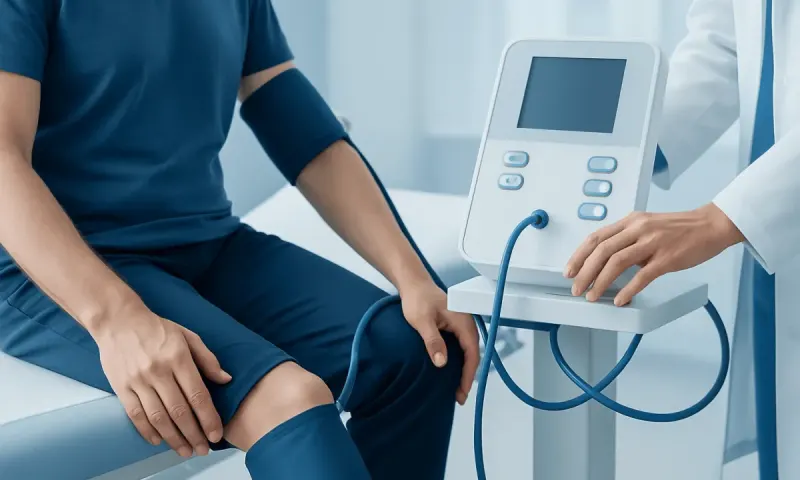
The examination may include checking blood pressure, temperature, neck movement and tenderness, as well as a neurological assessment of vision, strength, sensation, balance, coordination and reflexes. Depending on the symptoms, the clinician may also assess the jaw, shoulders, sinus area or sleep-related concerns.
Tests are not needed for every person with a typical tension-type headache or uncomplicated muscle strain. Blood tests may be considered when fatigue is persistent or unexplained. Imaging of the head or neck may be appropriate when examination findings, injury, neurological symptoms or a concerning headache pattern suggest a need to look for another cause. Testing is selected to answer a specific clinical question, not simply because symptoms have lasted a few days.
Treatment and symptom relief
Treatment depends on the likely cause. For uncomplicated muscle tension or posture-related pain, a clinician may recommend maintaining gentle activity, taking regular movement breaks and gradually improving neck and shoulder strength. Physical therapy can be helpful when pain persists, movement is limited or work and daily activities are affected. A tailored plan is generally preferable to immobilizing the neck for prolonged periods.
Heat or cold packs may offer short-term comfort; the option that feels better can be used while protecting the skin. Over-the-counter pain relief may be suitable for some people, but a pharmacist or doctor should advise on safe choices, particularly for people with stomach, kidney, liver, heart conditions, pregnancy, blood-thinning medicines or other regular treatments. Repeated use of headache medicine without medical review should be avoided.
If migraine, a sleep problem, infection, anxiety, depression or another health condition is contributing, care will focus on that underlying issue. For persistent neck symptoms, rehabilitation-based care and, when needed, physical therapy and rehabilitation can support safe return to usual movement and activity. Keeping a brief symptom diary can help identify links with sleep, meals, stress, screen use, menstrual cycles, illness or medication use.
Practical self-care and prevention
For mild symptoms without warning signs, practical adjustments may reduce recurrence. A person can aim to change position regularly rather than holding the neck still for long periods. Screens should be positioned near eye level where possible, and the chair, keyboard and desk should support relaxed shoulders and a neutral neck position. Short breaks for walking, shoulder rolls and gentle neck movements may be more useful than one long break at the end of the day.
Regular sleep and wake times, adequate hydration, balanced meals and gradual physical activity can support energy and headache prevention. A pillow should keep the neck in a comfortable, supported position rather than forcing it sharply forward or sideways. People who snore loudly, wake gasping, have unrefreshing sleep or feel excessively sleepy in the daytime should speak with a doctor about possible sleep-related causes.
Stress-management approaches can also be meaningful. Breathing exercises, relaxation practices, pacing demanding tasks and regular activity may help reduce muscle tension. These measures are supportive rather than a substitute for assessment when pain is frequent, fatigue is substantial, or the symptom pattern is changing.
When to seek medical care
Medical advice should be sought promptly for a headache that is new and severe, peaks very rapidly, follows a head or neck injury, or is distinctly different from previous headaches. Urgent assessment is also important for headache with fever and pronounced neck stiffness, confusion, fainting, seizure, new rash, persistent vomiting, weakness, numbness, speech difficulty, vision loss, severe dizziness or trouble walking.
A doctor should assess neck ache, headache and tiredness that persist beyond a reasonable period, recur often, interfere with work, sleep or daily activities, or gradually worsen. Assessment is especially important for people with cancer, immune suppression, pregnancy, recent infection, significant unexplained weight change or a history of serious neurological disease.
Emergency services should be contacted if symptoms suggest a possible stroke, such as sudden facial drooping, arm weakness, speech difficulty or abrupt severe headache. Acıbadem Health Point’s multidisciplinary specialists and JCI-accredited hospitals evaluate neurological, musculoskeletal and general medical symptoms for international patients when further assessment is needed.
Frequently asked questions
01Can neck tension cause headache and tiredness?
Yes. Tight or overworked muscles in the neck and shoulders can contribute to tension-type headache, and discomfort may disturb sleep or leave a person feeling drained. Tiredness can also make pain feel more difficult to manage, creating a cycle that is worth addressing with sleep, posture and stress measures.
02Why do I wake up with a neck ache, headache and tiredness?
Potential causes include an awkward sleeping position, an unsupportive pillow, teeth grinding, poor sleep quality or a sleep disorder. Morning symptoms may also occur with migraine or other headache conditions. If they happen regularly, especially with snoring or daytime sleepiness, a doctor can help assess possible causes.
03Is headache with neck pain always a sign of migraine?
No. Neck pain can occur with migraine, but it is also common with muscle tension, posture-related strain, joint irritation and viral illness. Migraine is more likely when headaches are recurrent and accompanied by nausea, sensitivity to light or sound, or worsening with normal activity.
04When is a stiff neck and headache an emergency?
A stiff neck and headache require urgent medical assessment when they occur with fever, rash, confusion, marked drowsiness, severe vomiting or a sudden severe headache. Urgent care is also needed after a significant injury or when there are new neurological symptoms such as weakness, speech problems or vision changes.
05How long should neck ache, headache and tiredness last?
Mild symptoms linked to temporary muscle strain, poor sleep or a minor illness may settle over several days with rest and supportive care. A medical review is appropriate if symptoms are worsening, persist, recur frequently or significantly affect daily activities. The appropriate timeframe depends on the individual pattern and accompanying symptoms.
06Can dehydration cause neck ache, headache and fatigue?
Dehydration can contribute to headache, low energy and dizziness, and may make muscle discomfort more noticeable. It is unlikely to be the only explanation for severe or ongoing neck pain. Regular fluid intake is sensible, but persistent symptoms should not be managed with hydration alone.
This article is for general information only and is not a substitute for professional medical advice. Please consult a qualified doctor about your individual situation.
Hair transplant in Turkey — costs, graft counts & a free assessment
JCI-accredited · board-certified surgeons · reply within 24h
Add us as a Preferred Source to see more of our trusted health content across Google Search, AI Overviews and Discover.