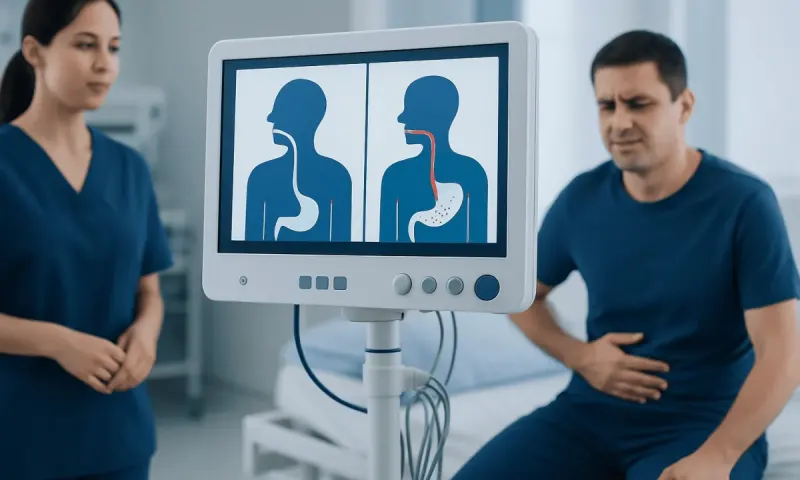
Nausea Menstrual: Possible Causes and When to Seek Care

Nausea menstrual symptoms are commonly related to hormone changes and uterine cramping around a period, and they are often temporary. However, persistent, severe, or unusual nausea can sometimes point to an underlying gynecologic, digestive, or pregnancy-related issue that should be assessed by a doctor.
Overview: Why Menstrual Nausea Happens
Nausea menstrual symptoms usually mean nausea that appears just before or during a period. In many cases, this happens because the body releases hormone-like substances called prostaglandins, which help the uterus contract and shed its lining. These same substances can also affect the digestive tract, leading to nausea, loose stools, and abdominal discomfort.
Hormonal shifts around the menstrual cycle may also play a role. Changes in estrogen and progesterone can influence digestion, appetite, fluid balance, and the way the brain responds to pain. For some people, nausea is mild and brief; for others, it can be more disruptive and may occur regularly with each cycle.
Although period-related nausea is common, it should not always be dismissed as something to simply tolerate. When nausea is severe, worsening, or different from a person’s usual pattern, a medical evaluation can help identify whether the cause is ordinary menstrual discomfort or an underlying condition affecting reproductive or digestive health.
What It May Feel Like and Common Related Symptoms

Menstrual nausea can feel like a queasy stomach, loss of appetite, a sensation of needing to vomit, or actual vomiting. Some people notice it begins a day or two before bleeding starts, while others feel it most strongly on the first days of the period, when cramps are often at their worst.
It often appears together with other menstrual symptoms. These may reflect the same hormonal and inflammatory processes that trigger uterine cramps and digestive changes. The exact pattern varies from person to person, but a repeating monthly pattern is a useful clue.
- Lower abdominal or pelvic cramping
- Bloating and abdominal pressure
- Headache or migraine
- Diarrhea or more frequent bowel movements
- Fatigue and low energy
- Dizziness or lightheadedness
- Back pain
- Breast tenderness
When nausea interferes with eating, drinking, school, work, or sleep, it deserves attention. Keeping track of timing, severity, and associated symptoms can help a clinician determine whether the pattern fits ordinary menstrual discomfort or suggests a condition such as endometriosis or another gynecologic problem.
Possible Causes and Risk Factors

The most common cause of nausea around a period is primary dysmenorrhea, which means painful menstrual cramping without another underlying pelvic disease. In this setting, prostaglandins can trigger both stronger uterine contractions and digestive upset. People who have more intense cramps often report more nausea as well.
Another possibility is premenstrual syndrome, in which physical and emotional symptoms develop before menstruation begins. Some individuals are more sensitive to normal hormonal shifts and may experience nausea alongside mood changes, bloating, breast tenderness, food cravings, or headaches.
At times, nausea during menstruation is linked to an underlying medical condition. These may include uterine fibroids, adenomyosis, pelvic inflammatory conditions, ovarian cysts, or secondary dysmenorrhea caused by disorders of the reproductive organs. Migraine, especially menstrual migraine, can also cause nausea that seems tied to the cycle.
Risk factors for more troublesome menstrual nausea may include heavy or painful periods, a personal or family history of endometriosis or migraine, stress, poor sleep, and being in the teenage years or early reproductive years when cramps can be more intense. Occasionally, nausea that seems menstrual may actually have another explanation, such as a stomach illness, medication side effect, or early pregnancy.
Could It Be Something Other Than a Period?
Not all nausea that happens near a period is caused by menstruation itself. Pregnancy should be considered when there has been unprotected sex, a missed or lighter-than-usual period, unusual breast tenderness, or fatigue. Early pregnancy can sometimes be mistaken for a menstrual change, especially if spotting occurs.
Digestive conditions can also overlap with the menstrual cycle. Irritable bowel symptoms, acid reflux, viral gastroenteritis, food intolerance, or gastritis may flare at the same time as a period and create the impression that menstruation is the cause. The key difference is that these problems may not follow a consistent monthly pattern.
Other clues that suggest a different cause include fever, ongoing vomiting between periods, blood in vomit or stool, severe one-sided pelvic pain, or nausea that starts after beginning a new medicine. If symptoms are not clearly cyclical or are rapidly worsening, a doctor may need to rule out a non-menstrual cause before focusing on period-related treatment.
How Doctors Evaluate Menstrual Nausea
Evaluation starts with a careful history. A doctor usually asks when nausea begins in relation to the menstrual cycle, how long it lasts, whether vomiting occurs, how heavy periods are, how severe cramps feel, and whether there are symptoms such as pain during sex, irregular bleeding, headaches, bowel changes, or fainting.
A symptom diary can be very helpful. Recording the first day of bleeding, nausea severity, foods tolerated, pain levels, bowel symptoms, and any medicines used over two or three cycles may reveal patterns that are easy to miss otherwise. This can help distinguish premenstrual symptoms, primary dysmenorrhea, and secondary causes.
Depending on the situation, the doctor may recommend a pelvic exam, pregnancy testing, blood tests, or imaging such as pelvic ultrasound to look for fibroids, ovarian cysts, or other structural causes. If symptoms are severe or persistent, further gynecologic evaluation may be needed to look for conditions such as endometriosis. In some cases, consultation with specialists in gynecology care or digestive health is appropriate.
Treatment Options and Ways to Feel Better
Treatment depends on the cause and on how much symptoms affect daily life. When nausea is linked to period cramps, management usually focuses on reducing cramping and inflammation. Doctors may recommend medicines commonly used for menstrual pain, anti-nausea treatment when appropriate, or hormonal therapies that help regulate or lighten periods. The right option depends on age, medical history, cycle pattern, and whether pregnancy is possible or desired.
For people with an underlying condition, treatment is more targeted. Fibroids, endometriosis, ovarian cysts, or other gynecologic disorders may need specific medical or procedural care rather than symptom relief alone. If heavy bleeding and pelvic pain are prominent, a gynecologist may discuss further testing or treatment pathways, including care for endometriosis when clinically appropriate.
Simple self-care measures may also help. Many people feel better with a heating pad over the lower abdomen, adequate hydration, smaller frequent meals, bland foods, rest, and avoiding strong odors that worsen queasiness. Ginger-containing foods or drinks may be soothing for some, though they do not replace medical treatment when symptoms are significant.
If nausea leads to poor fluid intake or repeated vomiting, medical advice is important. Dehydration can make dizziness, weakness, and headaches worse, and it may be a sign that home measures are not enough.
Prevention, Tracking, and Self-care
Although menstrual nausea cannot always be prevented, some habits may reduce its impact. Regular sleep, balanced meals, gentle exercise, and stress management can support overall cycle health and may lessen the intensity of premenstrual and menstrual symptoms in some individuals.
It can help to plan ahead when nausea tends to occur at the same time each month. Keeping easy-to-digest foods at home, drinking fluids regularly, and speaking with a doctor about using prescribed or over-the-counter medicines early in the symptom cycle may prevent nausea from becoming more severe. A clinician can advise on what is safe based on an individual’s health history.
A menstrual symptom log is one of the most practical tools for self-care. Noting bleeding days, pain level, nausea severity, vomiting, headaches, bowel changes, and any missed periods can make appointments more productive. Near the end of the care pathway, some patients may benefit from multidisciplinary assessment; Acıbadem Health Point’s specialists in women’s health and JCI-accredited hospitals diagnose and treat menstrual-related conditions for international patients.
When to Seek Medical Care
Medical care is appropriate if menstrual nausea is new, severe, or persistent, or if it disrupts normal daily activities. It is also wise to seek assessment when nausea occurs with heavy bleeding, worsening pelvic pain, fainting, or vomiting that prevents drinking enough fluids.
Urgent evaluation may be needed for signs that suggest a more serious problem or a cause unrelated to usual menstruation. These warning signs include a missed period with nausea, possible pregnancy, fever, severe one-sided pelvic pain, chest pain, confusion, dehydration, or blood in vomit or stool.
Even when symptoms are not urgent, recurring monthly nausea should not be ignored if it is getting worse or is no longer controlled with routine self-care. A qualified doctor can help identify the reason, rule out important conditions, and create a safer, more effective treatment plan.
Frequently asked questions
01Is nausea during a period normal?
It can be a common menstrual symptom, especially when it appears with cramps, bloating, or diarrhea. However, severe, repeated, or worsening nausea should be discussed with a doctor to rule out an underlying condition.
02Why do period cramps make some people feel sick?
Period cramps are often linked to prostaglandins, chemicals that help the uterus contract. These chemicals can also affect the stomach and intestines, which may lead to nausea, loose stools, or abdominal discomfort.
03Can nausea before a period be a sign of pregnancy?
Yes, it can be, especially if there has been unprotected sex or the period is late, lighter than usual, or missed. A pregnancy test and medical advice are important if pregnancy is possible.
04When is menstrual nausea not normal?
It is more concerning when it causes repeated vomiting, dehydration, fainting, severe pain, or major disruption to daily activities. It also needs attention if it is new, does not follow a monthly pattern, or occurs with fever or heavy bleeding.
05What helps relieve nausea during a period?
Hydration, small bland meals, rest, and heat for cramps may help some people. If symptoms are stronger, a doctor may suggest treatment for menstrual pain, nausea relief, or hormonal options depending on the cause.
06Can endometriosis cause nausea during menstruation?
Yes, it can. Endometriosis may cause severe period pain, nausea, bowel symptoms, and heavy or painful periods, so ongoing or severe symptoms should be evaluated by a gynecologist.
This article is for general information only and is not a substitute for professional medical advice. Please consult a qualified doctor about your individual situation.
Persistent digestive symptoms? Get evaluated in Turkey
JCI-accredited · board-certified surgeons · reply within 24h
Add us as a Preferred Source to see more of our trusted health content across Google Search, AI Overviews and Discover.