Natural Remedies for Neuropathy: What Works, What Does Not, and Safety Notes
Natural remedies for neuropathy can support comfort, mobility and overall health, but they do not replace diagnosis or treatment of the underlying cause. Regular activity, careful foot care, good sleep and management of conditions such as diabetes have the strongest support; most supplements and topical products have limited or mixed evidence.
Overview: what natural remedies can and cannot do
Natural remedies for neuropathy are often sought for burning, tingling, numbness, electric-shock sensations or discomfort in the feet and hands. Some self-care approaches can reduce symptom burden and help a person stay active, but no natural remedy reliably repairs damaged nerves or replaces medical treatment for the cause.
The most useful approach starts with an accurate diagnosis. Peripheral neuropathy may be related to diabetes, vitamin deficiencies, alcohol use, certain medicines, kidney disease, thyroid disorders, autoimmune conditions, infections, inherited conditions, or nerve compression. In some people, no cause is identified. Treating an underlying condition early may help prevent further nerve injury.
Evidence is not equal for all “natural” options. Lifestyle measures that protect nerves and improve circulation have the best overall support. By contrast, claims that a supplement, essential oil or detox product can cure neuropathy are usually not supported by good clinical research. A clinician can help assess whether a remedy is reasonable, safe and appropriate for the individual.
Options with the strongest practical support
Regular, appropriately paced physical activity is among the most helpful non-drug strategies. Walking, cycling, water exercise, stretching, balance training and strength exercises may improve function, sleep, mood and circulation. Exercise should be introduced gradually, especially for people with reduced sensation, balance difficulties, heart disease or foot problems. A physiotherapist can tailor a plan when pain or weakness makes activity difficult.
For people with diabetes or prediabetes, managing blood glucose is central to neuropathy care. A balanced eating pattern, regular meals, physical activity and prescribed treatment can support glucose management and may slow progression of diabetic nerve damage. Weight management, if clinically appropriate, and avoiding tobacco also support blood vessel and nerve health.
Sleep and stress management do not cure neuropathy, but they can affect how intensely pain is felt. Keeping a regular sleep schedule, limiting alcohol, using relaxation techniques, and seeking support for anxiety or low mood can be valuable parts of a broader care plan. Cognitive behavioral therapy and pain-management programs may help some people live more comfortably with persistent nerve pain.
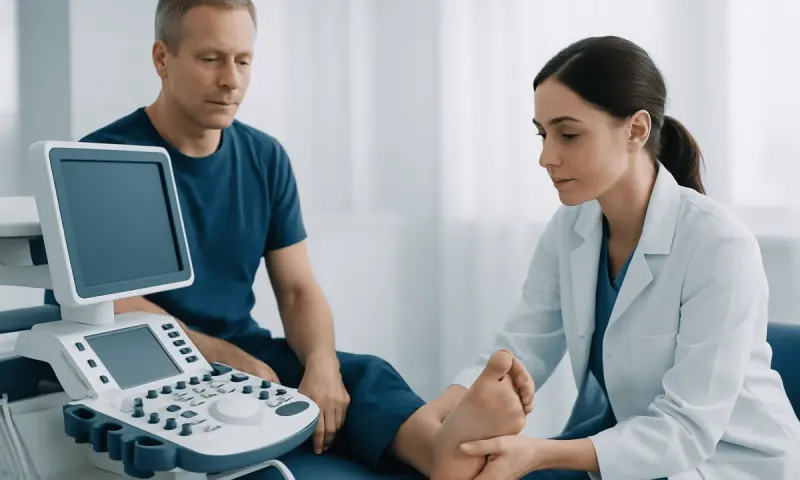
Daily foot care is especially important when neuropathy affects the feet. Inspect the soles and between the toes for cuts, blisters, swelling, redness or skin changes; wear well-fitting shoes and clean, dry socks; and avoid walking barefoot. Because reduced sensation can hide an injury, people should avoid heating pads or hot-water bottles on numb areas and check water temperature before bathing.
Supplements, topical products and complementary therapies

Supplements are commonly marketed for neuropathy, but evidence is often limited, mixed or dependent on the underlying cause. Vitamin B12 treatment can be important when testing confirms a B12 deficiency, particularly in people with dietary risk factors, stomach or bowel conditions, or long-term use of certain medicines. However, taking B12 without evaluation may delay identification of another cause of symptoms.
Alpha-lipoic acid has been studied most often in diabetic neuropathy. Some research suggests it may modestly improve pain or sensory symptoms for certain people, but results are not consistent and it is not suitable for everyone. It may affect blood glucose and can interact with medicines. Acetyl-L-carnitine, magnesium, omega-3 products and herbal preparations have insufficient or inconsistent evidence for routine neuropathy treatment.
Vitamin B6 deserves particular caution. Although B vitamins are essential for nerve health, high-dose vitamin B6 taken over time can cause or worsen neuropathy. A multivitamin may be appropriate for some people, but high-dose products should not be self-prescribed for tingling or numbness. Supplements may also interact with blood thinners, diabetes medicines, chemotherapy and other treatments.
Topical capsaicin, derived from chili peppers, can reduce peripheral nerve pain for some people when used in an approved topical formulation. It commonly causes temporary burning or irritation at the application site. Lidocaine and other topical medicines are not “natural,” but may be considered by a clinician as localized options with fewer whole-body effects. Acupuncture, massage and mindfulness-based practices may provide short-term symptom relief for some individuals, though evidence for nerve recovery remains limited.
Popular remedies with weak evidence or important safety concerns
Essential oils, CBD products, homeopathic preparations, magnetic devices and “nerve detox” programs are widely promoted online. At present, there is not reliable evidence that they reverse peripheral nerve damage. Product quality, ingredient strength and contamination can vary, particularly for supplements and non-regulated topical products.
CBD and cannabis-derived products may affect alertness, balance, mood and medication metabolism. They may be particularly risky for Neurology Evaluation Is Important" class="ahp-ilk">older adults, people at risk of falls, and those taking sedatives or certain other medicines. Their legal status also differs between locations. Anyone considering these products should first discuss them with a qualified clinician or pharmacist.
Massage can be relaxing, but deep pressure should be avoided on numb skin, areas with poor circulation, open wounds, or a painful swollen limb. Similarly, very hot baths, heat packs and ice packs can cause burns or cold injury when sensation is reduced. “Natural” does not automatically mean harmless; safety depends on the product, dose, other health conditions and concurrent medicines.
Building a safe daily self-care plan
A practical plan is usually more effective than trying multiple remedies at once. A person may begin with one or two achievable changes, such as a short daily walk, regular foot checks, a consistent bedtime routine, or replacing alcohol with non-alcoholic alternatives. Recording symptoms, activity, sleep and any new products can help identify patterns and side effects.
A nutrient-rich eating pattern supports general health and may correct dietary gaps when combined with appropriate testing and professional advice. Meals built around vegetables, fruit, whole grains, legumes, nuts, lean proteins and healthy fats can help support metabolic health. People with kidney disease, diabetes, digestive disorders or special dietary needs should seek individualized dietary advice.
Neuropathy symptoms can affect confidence while walking. Removing home tripping hazards, using good lighting, wearing supportive footwear and considering an assistive device if recommended can reduce fall risk. A clinician may also recommend physical therapy, occupational therapy, podiatry care, or a formal pain-management plan.
It is important not to stop prescribed medicines because a natural option seems appealing. Treatments for neuropathic pain often need adjustment over time, and clinicians can weigh expected benefits against side effects. For an evaluation of possible causes, including diabetic neuropathy, timely medical assessment is more useful than relying on unverified remedies alone.
When to seek medical care
Urgent medical assessment is needed for sudden or rapidly progressing weakness, trouble walking, loss of bladder or bowel control, severe new back or neck pain, facial weakness, confusion, difficulty speaking, or numbness developing on one side of the body. These symptoms may not be simple peripheral neuropathy and can require prompt evaluation. A hot, red, swollen foot; an open sore; blackened skin; or signs of infection such as fever also need urgent care, particularly in people with diabetes.
A doctor should assess persistent tingling, burning, numbness, balance changes or weakness that lasts more than a few days, worsens, disrupts sleep, or affects daily activities. Evaluation may include a medical history, neurological examination, blood tests and, when needed, nerve conduction studies or imaging. Finding a treatable cause can make a meaningful difference.
People should also ask for medical advice before taking a new supplement if they are pregnant or breastfeeding, have liver or kidney disease, take regular medicines, receive cancer treatment, or have diabetes. A clinician can review possible interactions and decide whether blood tests for nutritional deficiencies or other contributors are needed.
Acıbadem Health Point’s multidisciplinary specialists and JCI-accredited hospitals can assess and treat neuropathy for international patients, including support from neurology, endocrinology, rehabilitation and pain-management teams where appropriate.
Medical treatment may be part of the best plan
When self-care is not enough, evidence-based medical treatment can reduce pain and improve daily function. The choice depends on the cause, symptom pattern, other health conditions and personal preferences. Clinicians may address blood glucose, vitamin deficiencies, thyroid disease, medication-related nerve injury, alcohol-related harm or compression of a nerve, alongside symptom treatment.
Prescription medicines for neuropathic pain may be considered when pain is persistent or significantly affects sleep and function. They are selected carefully because benefits and side effects vary from person to person. Some people also benefit from rehabilitation, balance training, psychological support for chronic pain, or specialist procedures for selected nerve problems.
Natural approaches are most helpful when used as supportive care within this broader plan. Regular follow-up allows treatment to be adjusted, helps protect the feet and mobility, and provides an opportunity to discuss new or worsening symptoms before complications develop.
Frequently asked questions
01Can natural remedies cure neuropathy?
No natural remedy has been shown to reliably cure neuropathy or regenerate damaged nerves in all cases. Lifestyle measures and selected complementary approaches may reduce discomfort or improve function, but treatment should focus on finding and managing the underlying cause.
02What is the best home remedy for neuropathy in the feet?
There is no single best remedy for everyone. Daily foot checks, comfortable protective footwear, gradual exercise, good blood glucose management when relevant, and avoiding alcohol and tobacco are among the most useful steps. A clinician should assess new numbness or pain to rule out treatable causes.
03Which vitamins help neuropathy?
Vitamin B12 can help when neuropathy is caused by a confirmed B12 deficiency. Other vitamins are not routinely beneficial unless a deficiency is identified. High doses of vitamin B6 can cause nerve damage, so supplements should be discussed with a healthcare professional.
04Does alpha-lipoic acid help nerve pain?
Alpha-lipoic acid may provide modest symptom improvement for some people with diabetic neuropathy, but study results are mixed. It can affect blood glucose and may not be safe with every medication or health condition. Professional advice is recommended before using it.
05Can exercise make neuropathy worse?
Appropriate exercise is generally beneficial and can support balance, strength, circulation and sleep. However, activity should be gradual and adapted if a person has weakness, severe pain, poor balance, foot ulcers or reduced sensation. A clinician or physiotherapist can recommend safer options.
06When is numbness in the feet an emergency?
Seek urgent care for sudden numbness with weakness, difficulty speaking, facial drooping, loss of bladder or bowel control, severe back pain, or trouble walking. Urgent assessment is also important for a foot wound, spreading redness, swelling, fever or a color change in the foot.
This article is for general information only and is not a substitute for professional medical advice. Please consult a qualified doctor about your individual situation.
Heart care in Turkey — expert evaluation and treatment
JCI-accredited · board-certified surgeons · reply within 24h
Add us as a Preferred Source to see more of our trusted health content across Google Search, AI Overviews and Discover.