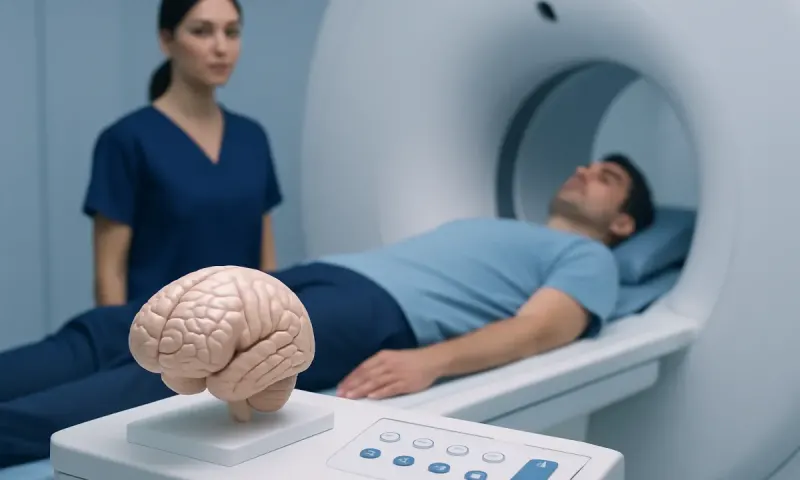
What Is the Best Treatment for Feet Neuropathy?
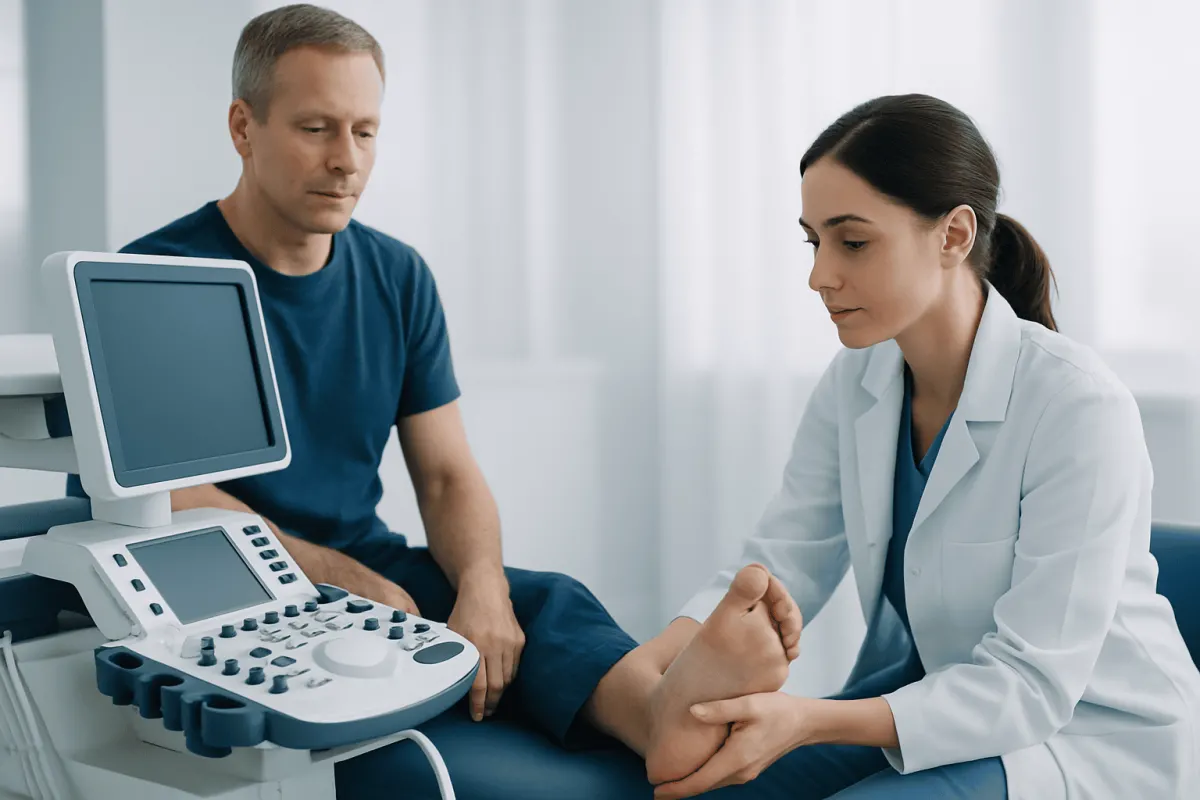
The best treatment for feet neuropathy depends on what is damaging the nerves. A safe plan combines treatment of the underlying cause, evidence-based symptom relief, physical support and regular foot protection rather than relying on one remedy alone.
Overview: Choosing the Best Treatment for Feet Neuropathy
The best treatment for feet neuropathy is a personalized plan that addresses the underlying cause while reducing symptoms such as burning pain, tingling, numbness or sensitivity to touch. For many people, this means improving blood glucose management when diabetes is involved, correcting a nutritional deficiency, reviewing medicines that may affect nerves, or treating another medical condition. No single treatment is best for everyone.
Peripheral neuropathy occurs when nerves outside the brain and spinal cord are damaged. It commonly starts in the toes and feet and may gradually move upward into the legs in a “stocking” pattern. Symptoms can range from uncomfortable sensations to loss of feeling, weakness and difficulty with balance.
Seeking an assessment before trying supplements, devices or pain treatments helps avoid missing a treatable cause. A clinician can also distinguish neuropathy from conditions with similar symptoms, including poor circulation, arthritis, spinal nerve compression and skin disorders.
Symptoms and Why a Careful Assessment Matters
Symptoms may develop slowly or, less commonly, more quickly. People can experience pins and needles, electric-shock sensations, burning, stabbing pain, numbness, increased sensitivity to socks or bed sheets, or a feeling of walking on a rough surface. Some people have little pain but cannot feel heat, pressure or a small injury.
When sensory nerves are affected, reduced feeling can make cuts, blisters and pressure areas easier to miss. If motor nerves are involved, there may be muscle weakness, toe or foot shape changes, tripping, or reduced stability. Autonomic nerve involvement can affect sweating and lead to dry, cracked skin.
The best treatment for neuropathy in feet and legs should be guided by the symptom pattern, its speed of progression and the person’s medical history. Pain severity does not always reflect the amount of nerve damage, so ongoing foot care remains important even when symptoms improve.
- Burning, tingling or sharp pain, often worse at night
- Numbness or reduced ability to sense temperature and injuries
- Balance difficulties, weakness or frequent trips
- Blisters, sores, dry skin or foot changes that are not noticed promptly
Causes and Risk Factors

Diabetes is one of the most common causes of peripheral neuropathy. Long-term elevated blood glucose can damage nerves and the small blood vessels that support them. Careful diabetes management may slow progression and is an important part of diabetes care.
Other possible causes include low vitamin B12 or other nutrient deficiencies, excessive alcohol use, thyroid disorders, chronic kidney or liver disease, autoimmune conditions, infections, inherited nerve disorders and exposure to toxins. Some chemotherapy medicines and other treatments can also cause neuropathy. In some cases, no specific cause is found; this is called idiopathic neuropathy.
Pressure on nerves in the lower back or leg can create pain, numbness or weakness that resembles neuropathy, although it may follow a different pattern. Age, family history, smoking and poorly controlled long-term health conditions can increase risk. A clinician should review all medicines, supplements, alcohol intake, diet and medical history before deciding on treatment.
What Is the Most Effective Treatment for Neuropathy in the Feet?
The most effective treatment for neuropathy in the feet is treatment directed at the cause whenever one can be identified. For diabetes-related neuropathy, maintaining individualized blood glucose targets, managing blood pressure and cholesterol, staying active and avoiding tobacco can help protect nerve and blood vessel health. For vitamin B12 deficiency, appropriate replacement under medical guidance may improve or prevent further nerve damage.
When pain is persistent, clinicians may recommend medicines specifically used for nerve pain. These can include certain anti-seizure medicines, antidepressants that affect pain signalling, or topical options such as lidocaine or capsaicin in selected cases. The best option depends on symptoms, other health conditions, possible interactions and side effects such as sleepiness, dizziness or dry mouth. Opioid pain medicines are generally not a preferred long-term approach for chronic neuropathic pain because of their risks and limited long-term benefit.
Non-drug care is often equally important. Physical therapy may improve strength, gait and confidence with walking, while occupational therapy can help a person adapt daily activities safely. If pain is difficult to manage or the diagnosis is uncertain, referral to a neurologist, pain specialist, diabetes specialist or rehabilitation professional may be appropriate.
What Treatments Does Mayo Clinic Recommend for Neuropathy in the Feet?
Mayo Clinic’s patient guidance on peripheral neuropathy emphasizes identifying and treating the condition causing nerve damage, managing pain and helping people maintain function and safety. Its commonly described approach includes management of diabetes or other contributing health conditions, prescription medicines for neuropathic pain when needed, physical therapy, exercise and careful foot care.
Options often discussed in major clinical guidance include medicines such as gabapentinoids, certain antidepressants and topical treatments for selected patients. The appropriate medicine must be chosen by a qualified clinician, as treatment responses and side effects vary. Treatment may need to be adjusted gradually, and benefit is usually measured by improved sleep, function and daily comfort rather than complete elimination of pain.
Mayo Clinic also highlights lifestyle measures such as stopping smoking, limiting alcohol, eating a balanced diet and remaining physically active within a person’s abilities. These are supportive measures, not substitutes for medical evaluation. People should not start high-dose vitamins or discontinue prescribed medicines without discussing this with their healthcare professional.
What Are the Most Promising New Treatments for Neuropathy in the Feet?
Research into neuropathy is active, particularly in treatments that may protect or repair nerves rather than only relieve pain. Areas under study include new topical therapies, electrical nerve stimulation approaches, improved metabolic treatments for diabetes-related neuropathy, regenerative approaches and medicines aimed at specific pain pathways. However, many of these approaches remain investigational or are not suitable for every type of neuropathy.
For selected people with severe chronic neuropathic pain that has not responded to standard treatment, specialist pain services may consider neuromodulation techniques such as spinal cord stimulation. These are procedures with potential benefits and risks, and they require a thorough evaluation rather than being a first-line treatment. Evidence and availability differ across countries and healthcare settings.
Claims that a supplement, laser, vibration device or injection can reliably “cure” neuropathy should be approached cautiously. A promising therapy should be discussed with a neurologist or another qualified clinician who can explain the quality of evidence, expected benefit, safety concerns and how it fits with established treatment.
Can You Reverse Neuropathy in Feet?
Whether neuropathy in the feet can be reversed depends mainly on its cause and how early it is treated. Neuropathy related to a correctable deficiency, medication effect, alcohol exposure or temporary nerve compression may improve substantially after the cause is addressed. Nerves heal slowly, and recovery can take months or longer.
With longstanding diabetes-related or inherited neuropathy, complete reversal is less likely, but symptoms and progression can often be improved or stabilized. Good control of the underlying condition, pain management, activity, nutrition and foot protection can preserve mobility and quality of life. Even when numbness remains, prevention of injury is highly valuable.
The best treatment for neuropathy of the foot is therefore not judged only by whether symptoms disappear. It should also help prevent falls, sleep disruption, ulcers, infections and loss of independence. Regular follow-up allows the care plan to change if symptoms progress or treatment causes side effects.
Foot Protection, Self-Care and When to Seek Medical Care
Daily care is an important part of safe management. Feet should be checked every day, including the soles and between the toes; a mirror or help from another person can be useful. Wash and dry feet gently, moisturize dry skin while avoiding lotion between the toes, wear well-fitting shoes and clean socks, and avoid walking barefoot. A podiatrist or clinician can advise on footwear, nail care and pressure relief where needed.
Regular, low-impact activity such as walking, cycling or water exercise may support circulation, strength and mood when it is safe for the individual. People with reduced sensation should inspect their feet after activity and ask a clinician what type of exercise is suitable. Limiting alcohol, stopping smoking and following a balanced eating pattern may also support overall nerve health.
When to seek medical care: A person should arrange a medical appointment for new or persistent tingling, numbness, burning pain, weakness or balance changes. Urgent assessment is appropriate for a foot wound, redness, warmth, swelling, drainage, blackened skin, fever, sudden weakness, rapidly progressing numbness, or new difficulty walking. These symptoms may require prompt treatment to protect the foot and identify the cause.
Acıbadem Health Point’s multidisciplinary specialists and JCI-accredited hospitals evaluate and treat nerve-related symptoms for international patients, with care plans based on the suspected cause and individual needs.
Frequently asked questions
01What is the best treatment for feet neuropathy?
The best treatment depends on the cause of nerve damage. It usually includes managing the underlying condition, using appropriate treatments for nerve pain when needed, and protecting the feet from injuries that may not be felt. A medical assessment is important because different causes require different care.
02What is the best treatment for neuropathy in feet and legs caused by diabetes?
For diabetes-related neuropathy, individualized blood glucose management is central to preventing or slowing further nerve damage. A clinician may also recommend medicines for nerve pain, exercise or rehabilitation support, and daily foot care. Regular foot examinations are especially important when sensation is reduced.
03Can massage help neuropathy in the feet?
Gentle massage may help some people relax and may temporarily ease discomfort, but it does not treat the cause of neuropathy or restore damaged nerves. Massage should be avoided over open wounds, infected areas, severe swelling or areas with poor circulation unless a clinician advises otherwise. People with reduced sensation should take care to avoid excessive pressure or heat.
04Are vitamins helpful for neuropathy in the feet?
Vitamins can be helpful when a confirmed deficiency, such as vitamin B12 deficiency, is contributing to neuropathy. They are not proven to reverse every type of neuropathy, and unnecessary high-dose supplements can sometimes be harmful. Testing and advice from a healthcare professional are the safest way to determine whether supplementation is needed.
05How long does treatment for foot neuropathy take to work?
The timeline varies according to the cause and the treatment used. Pain medicines may require gradual adjustment over several weeks, while nerve recovery after correction of a deficiency or other cause may take months. Some long-term forms of neuropathy may be managed rather than fully reversed.
06Should a person with numb feet see a doctor?
Yes. New, worsening or unexplained numbness should be assessed, particularly if it affects walking, balance or the ability to notice injuries. Immediate care is needed for an ulcer, infection signs, sudden weakness, rapidly worsening symptoms or changes in skin color.
This article is for general information only and is not a substitute for professional medical advice. Please consult a qualified doctor about your individual situation.
Joint and spine care in Turkey — expert assessment & treatment
JCI-accredited · board-certified surgeons · reply within 24h
Add us as a Preferred Source to see more of our trusted health content across Google Search, AI Overviews and Discover.