Nabothian Cysts at the Cervix: What You Need to Know

Key Takeaways
- Nabothian cysts at the cervix are usually benign and are often discovered by chance during a pelvic exam.
- Most people with nabothian cysts have no symptoms and do not need treatment.
- A doctor may investigate further if a cyst looks unusual, causes persistent symptoms, or is found alongside other cervical changes.
- Routine gynecologic checkups help distinguish normal cervical cysts from conditions that need follow-up.
- Anyone with bleeding after sex, unusual discharge, pelvic pain, or a new cervical lump should seek medical advice.
Nabothian cysts at the cervix are common, usually harmless mucus-filled cysts that often cause no symptoms and are found during routine pelvic exams. This article explains why they form, how they are diagnosed, when treatment is needed, and which signs should prompt medical review.
Overview
Nabothian cysts at the cervix are small, mucus-filled sacs that form on the surface of the cervix, the lower part of the uterus that opens into the vagina. In most cases, they are harmless, do not affect fertility, and are found by chance during a routine pelvic exam or Pap test visit.
These cysts develop when the tiny glands in the cervix become covered by newer surface cells, trapping mucus underneath. That process is common and usually reflects ordinary healing or changes in cervical tissue, not a serious disease. For many patients, the first question is whether the cyst means cancer or infection; the reassuring answer is that typical nabothian cysts are benign.
Still, any new finding on the cervix deserves proper evaluation. A clinician can confirm whether a lump is a nabothian cyst or something else, especially if the appearance is unusual or the person has symptoms that do not fit a simple benign cyst.
Symptoms

Most nabothian cysts cause no symptoms at all. They may be a few millimeters wide and only seen during an examination, or they may be large enough to be noticed as a smooth bump on the cervix.
When symptoms do occur, they are usually mild and nonspecific. Some people report pelvic pressure, a feeling of fullness, or discomfort during sexual activity, but these complaints are more often caused by another gynecologic issue than by the cyst itself. A nabothian cyst does not typically cause fever or the kind of pain associated with an acute infection.
- Often no symptoms
- Possible mild pelvic pressure
- Occasional discomfort with intercourse
- Sometimes a visible or felt cervical lump during examination
Because symptoms are limited and not unique, diagnosis depends on a clinician’s exam rather than on symptoms alone.
Causes & Risk Factors
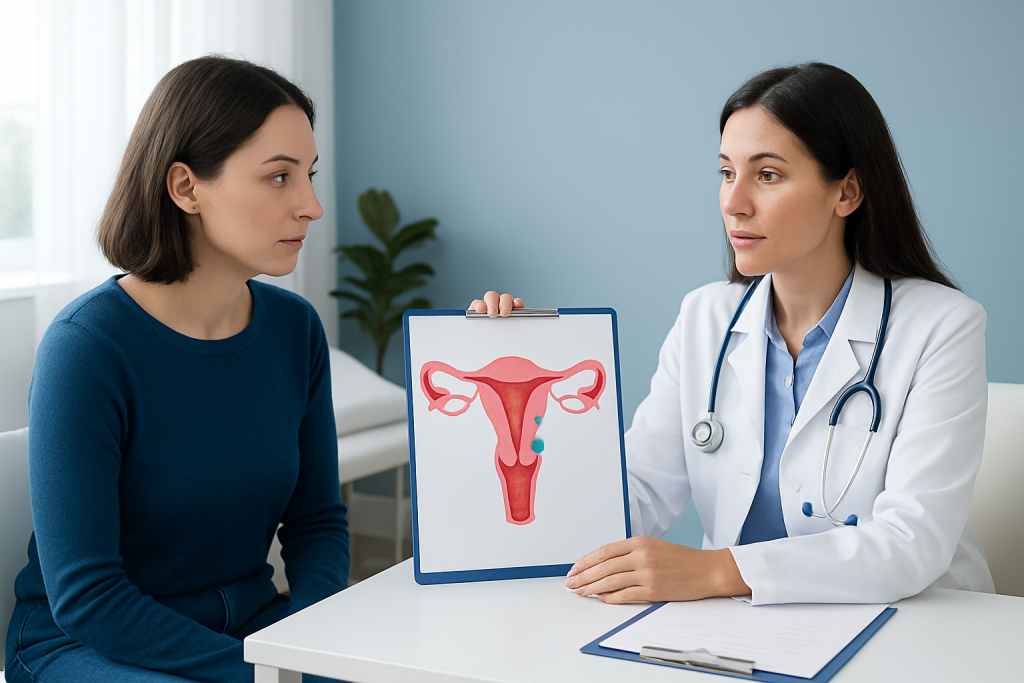
Nabothian cysts form when the normal mucus-producing glands of the cervix become blocked. The cervix is lined by different types of cells, and as that lining changes over time, healing tissue can cover gland openings and trap mucus beneath the surface.
Several everyday cervical changes can contribute to this process. Childbirth, cervical inflammation, minor irritation, and natural cell turnover may all play a role. The cysts are more common in people who have had vaginal deliveries, but they can occur in anyone with a cervix.
It is important to note that nabothian cysts are not caused by poor hygiene, and they are not considered contagious. They are also not the same as cervical dysplasia or cervical cancer, although a health professional may need to look carefully to confirm the difference when the cervix appears abnormal.
Diagnosis
Diagnosis usually begins with a pelvic examination. A doctor or gynecologist may see a smooth, rounded, whitish or yellowish bump on the cervix and recognize it as a nabothian cyst based on its typical appearance.
If the finding is straightforward, no further testing may be needed. If the cyst is large, the cervix looks unusual, or there are symptoms such as unexplained bleeding, a clinician may recommend additional evaluation. This may include a Pap test, HPV testing, colposcopy, or imaging when another condition needs to be ruled out.
In rare situations, a tissue sample may be considered if the diagnosis is uncertain. That step is not routine for typical cysts; it is reserved for cases where the appearance or clinical picture does not clearly fit a benign nabothian cyst.
Treatment Options
Most nabothian cysts do not need treatment. When a cyst is small and not causing symptoms, the safest and most common approach is simply observation during regular gynecologic care.
Treatment may be discussed if the cyst is unusually large, painful, infected, or interfering with an exam. In those cases, a clinician may drain the cyst or remove it with a minor procedure. The goal is usually relief of symptoms or clarification of the diagnosis, not because the cyst itself is dangerous.
If another cervical condition is found at the same time, care will focus on that issue. For international patients arranging treatment abroad, this is often the point where coordinated review matters: a clear diagnosis prevents unnecessary procedures and helps the medical team plan the most appropriate next step.
Prevention & Self-care
There is no guaranteed way to prevent nabothian cysts at the cervix because they often form as part of ordinary cervical healing. Even so, cervical health habits can make it easier to detect changes early and to keep related conditions from going unnoticed.
Regular screening and checkups remain the most useful tools. Pap tests and HPV testing, when recommended, help clinicians monitor cervical health and separate benign findings from problems that need follow-up. A person should also keep appointments if a cyst was previously noted, so the cervix can be rechecked over time if needed.
- Attend routine pelvic exams and cervical screening visits
- Report new bleeding, discharge, or pain promptly
- Follow up if a clinician recommends repeat examination
- Avoid self-diagnosing a cervical lump without medical review
For patients traveling from another country, bringing prior Pap results, biopsy reports, and imaging records can make follow-up faster and more accurate. That is especially helpful when care must continue after returning home.
When to See a Doctor
A nabothian cyst itself is usually not an emergency, but a medical review is sensible if a person notices a new cervical lump, abnormal bleeding, pain during sex, persistent pelvic discomfort, or unusual vaginal discharge. These symptoms do not automatically mean something serious, but they do deserve an exam.
Prompt assessment is also important if the cervix looks irregular, the cyst seems large, or there is uncertainty after a screening test. A clinician can decide whether simple observation is enough or whether further testing is needed to rule out other cervical conditions.
People who are planning care across borders may benefit from a specialist team that can review results, explain next steps clearly, and coordinate any follow-up needed after travel. Acibadem Health Point’s multidisciplinary specialists and JCI-accredited hospitals diagnose and treat cervical conditions for international patients in a coordinated way.
Seeking advice early is usually the best way to avoid anxiety and keep care straightforward. Most nabothian cysts are easy to manage once identified correctly.
Living With the Finding
Learning that there is a cyst on the cervix can sound unsettling, especially when it is mentioned during a routine exam. In practice, a typical nabothian cyst is one of the more common benign findings in gynecology, and many people need nothing beyond reassurance and regular observation.
If a clinician recommends follow-up, the purpose is generally to make sure the cervix remains healthy and that no other cause is missed. Keeping copies of test results, asking for plain-language explanations, and confirming the timing of the next checkup can help the process feel more manageable.
For patients receiving care while away from home, a clear written plan is especially useful. It supports continuity between the treating team and the patient’s local doctor after travel, which is often the most important part of long-term reassurance.
Frequently asked questions
01Are nabothian cysts at the cervix dangerous?
Typical nabothian cysts are benign and usually not dangerous. They do not usually turn into cancer or require treatment. A doctor may still examine them carefully if the appearance is unusual.
02Can nabothian cysts cause pain?
Most do not cause pain. If there is pelvic pain or pain during sex, another condition may be contributing, so a medical evaluation is a good idea.
03Do nabothian cysts affect fertility or pregnancy?
Small nabothian cysts usually do not affect fertility or pregnancy. If a cyst is large or there are other cervical concerns, a clinician can advise on any needed follow-up.
04How are nabothian cysts diagnosed?
They are usually diagnosed during a pelvic exam when a doctor sees a typical smooth cervical cyst. Additional tests are only needed if the finding is not clearly benign or if symptoms suggest another issue.
05Do nabothian cysts need to be removed?
Most do not. Removal or drainage is considered only when a cyst is large, uncomfortable, infected, or uncertain in appearance.
06Can I tell at home whether a cervical lump is a nabothian cyst?
No, it is not safe to self-diagnose a cervical lump. A clinician should examine any new cervical finding to confirm whether it is a benign cyst or something that needs further testing.
This article is for general information only and is not a substitute for professional medical advice. Please consult a qualified doctor about your individual situation.
Oncology care in Turkey — second opinion and treatment plan
JCI-accredited · board-certified surgeons · reply within 24h
Add us as a Preferred Source to see more of our trusted health content across Google Search, AI Overviews and Discover.