Mydriasis Means Dilated Pupils, and Context Decides Its Cause

You glance in the mirror, or someone sends you a photo, and one pupil — or both — looks unusually big. Is that a problem?
Often, no. Pupils widen normally in dim light, and they stay wide for a while after an eye exam. But larger-than-usual pupils can also be linked to medications, eye conditions, or problems affecting the nerves and brain. That’s why the context and the symptoms that come with it matter so much.
What mydriasis means
Mydriasis is the medical term for a pupil that is larger than expected. The pupil is the dark opening in the center of the eye that changes size to control how much light enters. Pupils normally get larger in dim light and smaller in bright light, so dilation is not always abnormal.
What matters is when the dilation happens, whether it affects one eye or both, and whether other symptoms are present. A large pupil after an eye exam is usually expected because dilating drops are often used. In other situations, mydriasis may be related to medications, injury, eye disease, or a problem involving the nerves that control the pupil.
People often mix up mydriasis and anisocoria, but they mean different things. Mydriasis means one or both pupils are enlarged. Anisocoria means the pupils are different sizes, which may occur if one pupil is unusually large or the other is unusually small.
How the pupil normally works
The size of the pupil is controlled by small muscles in the iris, the colored part of the eye. One muscle opens the pupil wider, while another makes it smaller. These muscles respond to light, focus, emotional state, and signals from the nervous system.
Because the pupil depends on both the eye and the nerves that serve it, mydriasis can reflect more than one type of health issue. Sometimes the cause is local, such as an eye drop or eye injury. In other cases, the cause lies along the nerve pathways between the eye and the brain.
That is why your doctor will ask about recent eye treatments, the medicines you take, headaches, injuries, and any neurological symptoms. The same visible sign can have many different explanations, ranging from harmless to urgent.
Symptoms and patterns that can occur with mydriasis

Mydriasis itself may not cause discomfort, and some people notice it only in a mirror or in a photograph. Others develop sensitivity to light because a larger pupil allows more light into the eye. Blurred near vision can also happen, especially if the pupil has been widened by medication.
Doctors often look at the pattern. Both pupils may be enlarged, or just one may be affected. The pupil may still react to light, react slowly, or not react much at all. These details can help narrow the likely cause.
Symptoms that deserve closer attention include:
- Eye pain or redness
- Sudden blurred vision or vision loss
- Severe headache
- Double vision
- Drooping eyelid
- Nausea or vomiting with eye symptoms
- Confusion, weakness, or trouble speaking
When mydriasis appears together with these warning signs, the cause may be more serious than simple light-related dilation or a medication effect.
Common causes and risk factors
Mydriasis has many possible causes. The most common and least concerning are normal responses to darkness, emotional arousal, or the use of dilating eye drops during an eye exam. Some medicines can also enlarge the pupils, including certain antidepressants, antihistamines, decongestants, anti-nausea medicines, and medications with anticholinergic effects.
Substances such as stimulants and some recreational drugs may also cause dilated pupils. In addition, accidental exposure to patches, inhalers, plants, or chemicals can occasionally affect the eye if transferred by touch. Tell your doctor everything you take or have handled recently — it often points straight to the answer.
Eye-related causes include trauma to the iris, inflammation, and pressure-related problems such as glaucoma in some settings. Neurological causes include problems affecting the third cranial nerve, the sympathetic nervous system, or parts of the brain that help control the pupil. Rarely, a persistently enlarged pupil is due to a benign condition such as Adie tonic pupil, where one pupil reacts slowly and may remain larger than the other.
Risk factors depend on the cause but may include recent eye procedures, medication changes, eye injury, migraine, diabetes-related nerve disease, or a history of neurological illness. The presence of only one enlarged pupil, especially if it is new, often prompts a more careful evaluation.
How doctors diagnose mydriasis
The assessment starts with your story: when you first noticed the change, whether it comes and goes, whether one eye or both are involved, and what else you are feeling. A doctor will usually ask about eye drops, prescription and nonprescription medicines, recent trauma, headache, and any neurological symptoms.
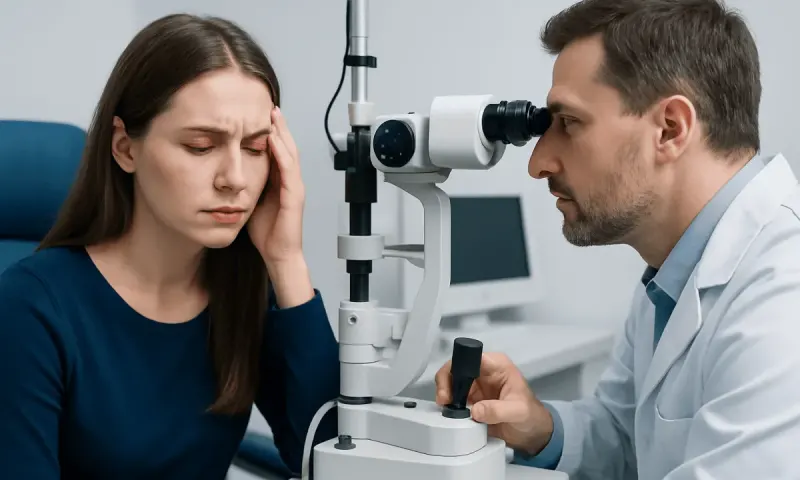
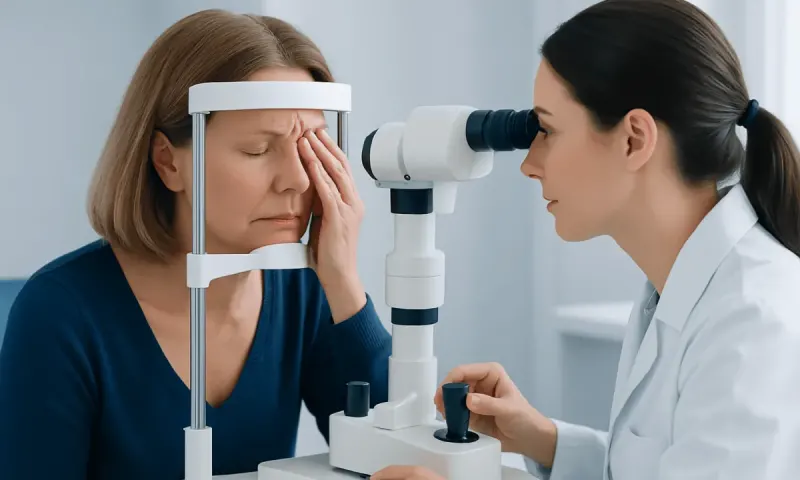
The physical exam includes measuring the pupils in bright and dim light and checking how they react. Vision, eye movements, eyelid position, and the front of the eye are also assessed. In many cases, an ophthalmologic exam helps determine whether the cause is in the eye itself or in the nerves that serve it. If indicated, a clinician may recommend a comprehensive eye examination to look more closely at pupil reactions and eye health.
Additional tests depend on what the exam suggests. They may include pressure measurement inside the eye, special eye drops to test pupil function, blood tests, or neurological imaging. If severe headache, weakness, drooping eyelid, or abnormal eye movements are present, urgent assessment is important because some causes involve the brain or its blood vessels. In selected cases, doctors may use MRI or other imaging to investigate nerve or brain-related causes.
Treatment options and what recovery may look like
There is no one treatment for mydriasis. What helps depends entirely on what is causing it. If the pupil is enlarged because of routine dilating drops, it usually returns to normal on its own within hours, though in some cases the effect can last longer. Medication-related mydriasis may improve after the medicine is adjusted or the exposure ends, but changes should only be made under medical guidance.
If an eye condition is responsible, treatment is directed at that condition. For example, doctors may address inflammation, trauma, or pressure problems in the eye. In people with neurological causes, treatment may involve urgent evaluation and care by the appropriate specialist. If surgery is needed for an underlying issue, options depend entirely on the diagnosis rather than on the dilated pupil itself.
Comfort measures can also help. Sunglasses may reduce light sensitivity outdoors, and limiting bright glare can make reading or screen use easier. People should avoid driving if vision is significantly blurred or if they have been advised not to drive after eye dilation.
When evaluation suggests a structural eye problem, a specialist may recommend further ophthalmology care. If symptoms point to a nerve or brain cause, management may involve neurology assessment as part of a coordinated plan.
Self-care, prevention, and practical steps
You cannot prevent every case, but a few simple habits cut down on the avoidable ones. Medicines should be taken exactly as prescribed, and new eye symptoms after starting a medication should be reported. Eye drops should never be shared, and hands should be washed after handling topical medicines, patches, or chemicals that might be transferred to the eye.
Protective eyewear is important during sports, home repairs, and tasks that may expose the eyes to trauma or irritants. Regular eye checks can help detect underlying conditions that may affect pupil function or overall eye health. If one pupil has always been slightly different in size and an eye doctor has confirmed it is benign, keeping that history available can be useful during future evaluations.
For people who are prone to migraines or who have chronic medical conditions such as diabetes, managing the underlying condition may reduce the chance of related nerve symptoms. Still, if your pupil size changes suddenly or in a new way, have it checked rather than guessing at home.
When to seek medical care
Medical care is recommended if mydriasis is new, unexplained, persistent, or affects only one eye. An eye specialist or general doctor can help determine whether the cause is harmless, medication-related, or something that needs treatment.
Urgent care is needed if a dilated pupil appears suddenly with severe eye pain, red eye, vision loss, double vision, a drooping eyelid, a severe headache, or any stroke-like symptom such as weakness, numbness, or trouble speaking. These combinations can point to conditions that should be assessed without delay.
For international patients who need coordinated evaluation, Acıbadem Health Point’s multidisciplinary specialists and JCI-accredited hospitals diagnose and treat eye and neurological conditions with individualized care plans.
Frequently asked questions
01Is mydriasis always dangerous?
No. Mydriasis can be a normal response to dim light or a temporary effect of eye drops or medications. It becomes more concerning when it is sudden, affects only one eye, or occurs with pain, vision changes, headache, or neurological symptoms.
02How long does mydriasis last after an eye exam?
It often lasts several hours, but in some people the effect can continue longer. The exact duration depends on the type of drops used and individual sensitivity. Temporary light sensitivity and blurred near vision are common during this period.
03Can stress or anxiety cause dilated pupils?
Yes. Emotional arousal, stress, and the body's natural fight-or-flight response can temporarily enlarge the pupils. This type of dilation usually improves as the body returns to a calmer state.
04What is the difference between mydriasis and anisocoria?
Mydriasis means the pupil is enlarged. Anisocoria means the two pupils are different sizes. A person can have anisocoria because one pupil is abnormally large, one is abnormally small, or both pupils behave differently.
05Can medications cause mydriasis?
Yes. Many medications can enlarge the pupils, including some eye drops, antidepressants, antihistamines, decongestants, and drugs with anticholinergic effects. Patients should not stop prescribed medicines on their own but should ask a doctor if a medication may be involved.
06Should a person go to the emergency department for a suddenly dilated pupil?
A suddenly dilated pupil should be assessed urgently if it comes with severe headache, eye pain, vision loss, drooping eyelid, weakness, confusion, or trouble speaking. These symptoms can signal a serious eye or neurological problem. If the pupil change occurs alone and the person recently had eye drops or a known medication exposure, a clinician can still advise on how quickly it should be checked.
This article is for general information only and is not a substitute for professional medical advice. Please consult a qualified doctor about your individual situation.
Explore treatments in Turkey — costs, top hospitals & a free quote
JCI-accredited · board-certified surgeons · reply within 24h
Add us as a Preferred Source to see more of our trusted health content across Google Search, AI Overviews and Discover.