Mycosis Fungoides: Symptoms, Causes and Treatment

Key Takeaways
- Lymphoma fungoides is a rare skin-based lymphoma that often starts with patches or plaques that may resemble eczema or psoriasis.
- Symptoms can remain mild for a long time, so diagnosis often depends on careful skin examination and biopsy over time.
- Treatment is tailored to the stage and may include skin-directed therapy, light therapy, or systemic medicines in more advanced cases.
- Regular follow-up matters because the condition can evolve gradually and may need treatment adjustments.
- People planning care from another country may benefit from coordinated dermatology and oncology review, along with clear follow-up planning.
Lymphoma fungoides is a rare type of cutaneous T-cell lymphoma that usually begins in the skin and can change slowly over time. Understanding its early signs, diagnosis, and treatment options can help patients seek care at the right stage and plan follow-up with confidence.
Overview
Lymphoma fungoides is the most common form of cutaneous T-cell lymphoma, a group of cancers that begin in lymphocytes and first appear in the skin. Despite the name, it is not related to a fungal infection. The term can be confusing, especially for people who first hear it after months of treating what seemed to be a simple rash.
In many patients, the condition develops slowly and remains limited to the skin for a long time. That gradual pattern is one reason it may be mistaken for dermatitis, eczema, or psoriasis in the early stages. For international patients, the diagnosis often becomes clearer only after a detailed skin history, repeat biopsies, and coordinated review by specialists who can compare changes over time.
The course can vary widely. Some people live with stable, mild skin findings for years, while others need longer-term treatment because the disease becomes more extensive or affects lymph nodes or internal organs. The goal of care is to confirm the diagnosis accurately, control symptoms, and choose treatments that fit the stage of disease and the person’s daily life.
Symptoms
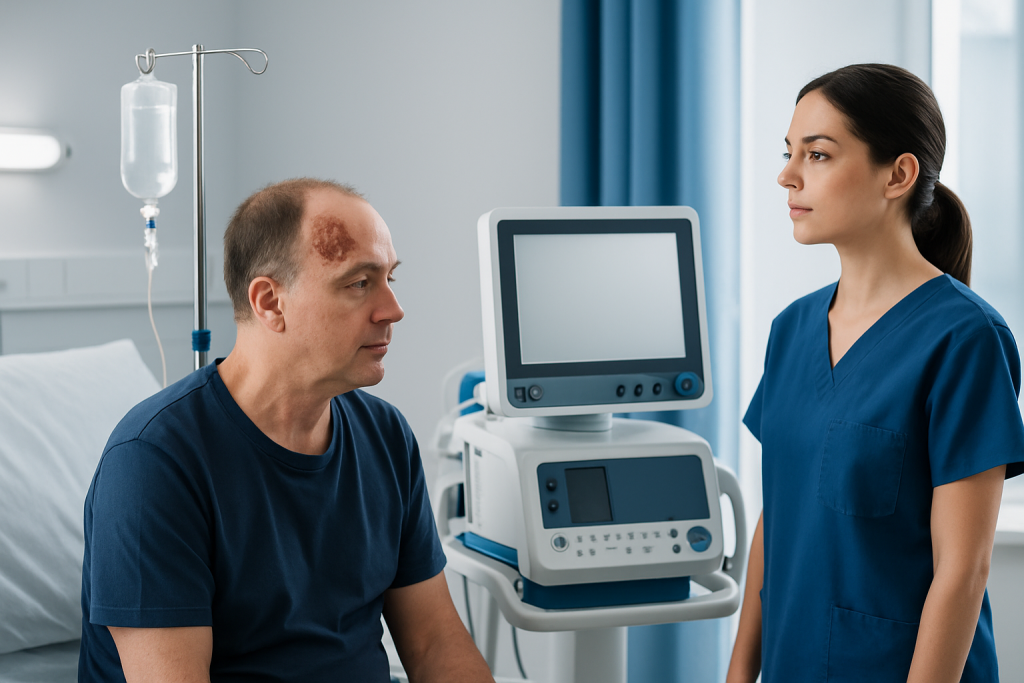
The earliest signs often look like ordinary inflammatory skin problems. Flat, scaly patches may appear on areas that are usually covered by clothing, such as the trunk, buttocks, or thighs. These patches can come and go, itch, or feel dry and irritated, and they may change appearance gradually rather than all at once.
As the condition progresses, thicker plaques may develop. These can be more raised, more noticeable, and sometimes darker or red-brown in color. In later stages, some people develop skin tumors, widespread redness, or swelling in the skin folds, though many patients never reach these stages.
Because symptoms are not specific, people may have been treated several times for eczema, psoriasis, or allergic rashes before lymphoma fungoides is considered. A dermatologist or oncology team may pay close attention to the pattern, persistence, and response to previous treatments when deciding whether more testing is needed.
Causes & Risk Factors

The exact cause of lymphoma fungoides is not fully understood. It begins when certain T cells, a type of white blood cell, grow in an abnormal way and accumulate in the skin. Researchers continue to study why this happens, but in most people there is no single clear trigger.
Known risk factors are limited. The condition is more common in adults and is diagnosed more often in older age groups, though it can occur in younger people as well. It is not considered a contagious disease, and it is not something that spreads through casual contact.
Because the cause is not straightforward, patients are usually advised not to focus on a single lifestyle factor as the explanation. Instead, clinicians look at the complete picture: skin changes, biopsy findings, blood tests, and whether there are signs that the disease remains confined to the skin or has moved beyond it.
Diagnosis
Diagnosis usually begins with a careful skin examination and a detailed conversation about how the rash changed over time. Since early disease may mimic common skin conditions, doctors often need more than one biopsy to confirm the diagnosis. This can be frustrating for patients, but repeated testing is sometimes the most reliable way to distinguish lymphoma fungoides from other rashes.
A skin biopsy examines the tissue under a microscope and may also include special laboratory studies to look at the type of cells present. Depending on the situation, doctors may order blood tests, imaging studies, or lymph node assessment to see whether the condition is limited to the skin. The workup is individualized and depends on symptoms, exam findings, and the stage suspected by the specialist.
For people traveling from abroad, diagnosis may involve coordinating records from several doctors, bringing prior biopsy slides for review, and allowing time for additional pathology opinions. That extra step can help reduce uncertainty and support a treatment plan that reflects the full history rather than a single clinic visit.
Treatment Options
Treatment is based on the stage of disease, the extent of skin involvement, and how quickly the condition is changing. In early-stage lymphoma fungoides, skin-directed therapies are often used first. These may include topical corticosteroids, other medicated creams, light-based treatments such as phototherapy, or localized radiation for specific lesions.
When the disease is more widespread or does not respond to skin-directed care, systemic treatment may be considered. Options can include retinoids, immune-based therapies, targeted medicines, or chemotherapy in selected cases. The choice depends on the overall clinical picture and is usually made by a team familiar with both dermatologic and oncologic management.
Treatment plans are often adjusted over time. Some patients need one main therapy, while others benefit from combining methods or changing approaches as the skin improves or new areas appear. For international patients, it is especially helpful when the treatment plan includes clear instructions for returning home, local monitoring, and how to reconnect if follow-up care is needed later.
Prevention & Self-care
There is no proven way to prevent lymphoma fungoides. Even so, patients can take practical steps that support comfort and help clinicians monitor the condition more accurately. Regular follow-up appointments, photographs of changing skin areas, and careful note-taking about itch, new patches, or treatment side effects can all be useful.
Skin care should be gentle. Fragrance-free moisturizers, non-irritating cleansers, and avoiding excessive scrubbing may reduce discomfort in affected areas. If phototherapy or prescription creams are being used, patients should follow the treatment plan exactly as instructed and ask before trying over-the-counter products that might irritate the skin.
People who travel for treatment should keep copies of biopsy reports, pathology images if available, medication lists, and a written summary of their stage and therapies received. This makes it easier to continue care with a local doctor or to return for a planned reassessment if the condition changes.
When to See a Doctor
Medical review is important when a persistent rash does not improve with standard treatment, especially if it lasts for weeks to months, keeps returning, or changes in appearance. It is also worth seeking assessment if plaques become thicker, new bumps appear, or the affected skin area expands.
Prompt evaluation is advisable if there are swollen lymph nodes, unexplained weight loss, fevers, night sweats, or significant fatigue. These symptoms do not always mean the disease has advanced, but they do warrant a closer look. A specialist can decide whether further skin biopsies, blood tests, or imaging are needed.
Patients arriving from another country may benefit from a coordinated second opinion when prior diagnoses have been uncertain or treatment has not helped as expected. Acibadem Health Point’s multidisciplinary specialists and JCI-accredited hospitals diagnose and treat this condition for international patients, with attention to clear communication and follow-up planning.
Frequently asked questions
01Is lymphoma fungoides a type of skin cancer?
Yes. It is a type of cutaneous T-cell lymphoma, which is a cancer of certain immune cells that primarily affects the skin. It often behaves differently from many other cancers because it may progress slowly and stay limited to the skin for a long time.
02Why is it sometimes hard to diagnose early?
Early lymphoma fungoides can look like eczema, dermatitis, or psoriasis. Because the skin changes are not specific, doctors may need repeat biopsies and follow-up visits before the diagnosis becomes clear.
03Does everyone need the same treatment?
No. Treatment depends on the stage, how much skin is involved, and whether the disease has stayed in the skin or spread further. Some people do well with skin-directed therapy, while others need systemic treatment.
04Can lymphoma fungoides be cured?
In many cases, the focus is on long-term control rather than a guaranteed cure. Some people have long periods of remission or stable disease, and treatment can often keep symptoms manageable.
05Is it contagious?
No. Lymphoma fungoides is not spread from person to person through touch, shared items, or close contact. It develops from abnormal growth of the body’s own T cells.
06What should a patient bring to a specialist appointment?
Prior biopsy reports, pathology slides if available, a medication list, and photos of the skin changes can all be helpful. Bringing a timeline of when symptoms started and how they changed may also make the consultation more productive.
This article is for general information only and is not a substitute for professional medical advice. Please consult a qualified doctor about your individual situation.
Oncology care in Turkey — second opinion and treatment plan
JCI-accredited · board-certified surgeons · reply within 24h
Add us as a Preferred Source to see more of our trusted health content across Google Search, AI Overviews and Discover.