Mites in Eye Lashes: What You Need to Know

Key Takeaways
- Mites in eye lashes usually means Demodex mites living around the eyelids.
- Common symptoms include itching, crusting, redness, burning, and a gritty feeling.
- A doctor can confirm the cause and rule out other eye or skin conditions.
- Treatment often focuses on eyelid hygiene and targeted medical care when needed.
- Good lid cleaning habits may help reduce symptoms and lower the chance of recurrence.
Mites in eye lashes usually refers to Demodex mites, tiny organisms that normally live on the skin but can sometimes multiply around the eyelids and cause irritation. With the right diagnosis and eyelid care, symptoms can often be managed effectively and comfortably.
Overview
When people search for mites in eye lashes, they are usually asking about Demodex mites. These are microscopic organisms that commonly live in hair follicles and oil glands on the skin, including the eyelids. In small numbers, they may not cause any trouble at all.
Problems begin when the mites multiply or when the eyelid area becomes irritated. That can lead to blepharitis, which means inflammation along the eyelid margin. The condition is not usually dangerous, but it can be uncomfortable and persistent if it is not addressed.
Because eyelid symptoms can overlap with allergies, dry eye, and skin conditions such as rosacea, a careful eye examination matters. For someone considering care while traveling, it is especially helpful to have a clear diagnosis before starting treatment, so follow-up can be planned in a way that fits both recovery and return travel.
Symptoms
The first clues are often felt before they are seen. Many people notice itching at the eyelid edges, a burning sensation, or a gritty feeling as if something is trapped in the eye. Symptoms may be worse in the morning, after makeup use, or during periods of dry air.
Visible signs can include redness along the lid margin, eyelash crusting, flaky debris, or lashes that seem to stick together. Some people develop eyelash loss, lid swelling, or increased sensitivity to light. Eyes may also water excessively even though they feel dry and irritated.
These symptoms do not point to mites alone. Similar complaints can appear with bacterial blepharitis, contact lens irritation, meibomian gland dysfunction, allergy, or dry eye disease. That is one reason a professional assessment is more reliable than self-diagnosis.
Causes & Risk Factors

Demodex mites are part of the normal skin ecosystem for many adults. They tend to live near the base of eyelashes and in nearby oil glands. In most people they remain quiet, but they can become more noticeable when the eyelid environment changes.
Risk may be higher with age, because Demodex populations are more common in older adults. Dry eye, oily skin, rosacea, weakened local skin defenses, and reduced eyelid hygiene may also be associated with symptoms. Shared makeup products, old eye cosmetics, and infrequent replacement of mascara or eyeliner can further irritate the eyelid area, although they do not by themselves “cause” mites.
People with recurrent blepharitis may notice that symptoms come back if the underlying eyelid inflammation is not managed. In international patients, it is often useful to mention any past eye disease, skincare products, and current medications during the consultation, since these details can help the doctor distinguish mite-related irritation from other causes.
Diagnosis
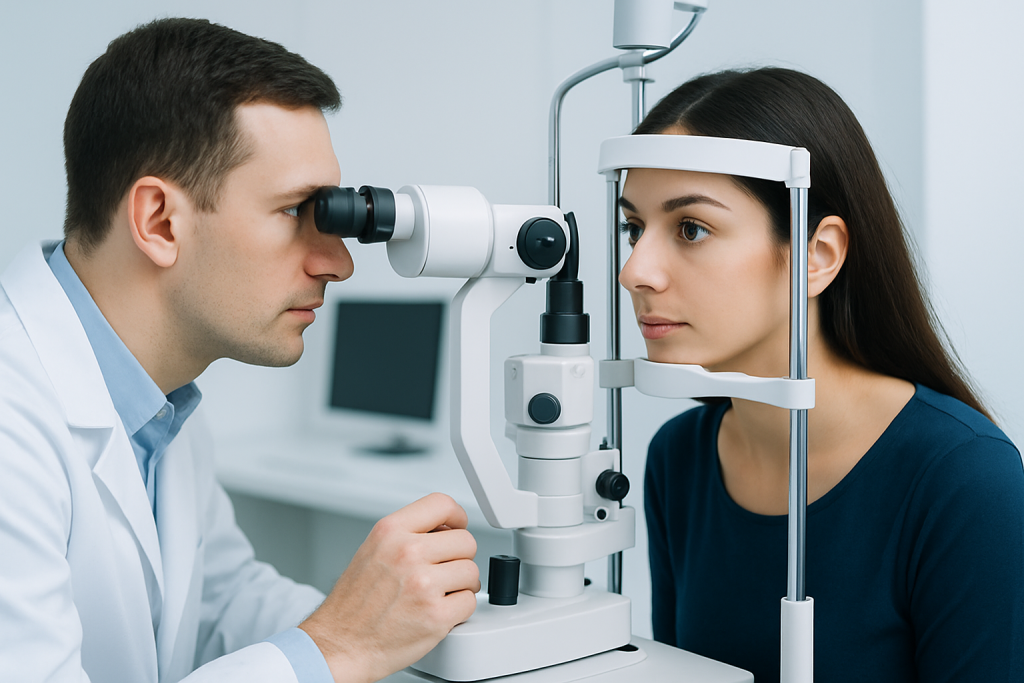
Diagnosis usually starts with a detailed history and a close look at the eyelids under magnification. An eye doctor may look for characteristic sleeve-like debris around the lash base, lid margin redness, or signs of inflammation. The pattern of symptoms often gives important clues.
In some cases, a lash sample may be examined under a microscope to identify Demodex mites. This is not always required, but it can be helpful when the diagnosis is uncertain or when symptoms have not improved with routine treatment. The doctor may also check tear quality and the meibomian glands to see whether dry eye is part of the picture.
A good diagnosis should also consider other possibilities such as allergies, styes, eyelash infections, or skin disease. This broader view helps avoid treating the wrong problem and supports a plan that is practical for both local and traveling patients.
Treatment Options
Treatment focuses on reducing the mite burden, calming eyelid inflammation, and restoring healthier lid function. The foundation is often eyelid hygiene, which may include regular lid cleansing, gentle removal of crusting, and careful cleaning of the lash line with products recommended by an eye professional.
Depending on the severity of symptoms, the doctor may suggest additional therapy. This can include prescription eye drops or ointments for inflammation, treatment for dry eye, or other targeted therapies chosen for the individual. In some settings, in-office procedures may be used to clean the eyelid margins or improve clogged oil gland function.
Warm compresses can sometimes be helpful when meibomian gland dysfunction is present, but they should be used as directed, since overly hot compresses can irritate delicate skin. It is also important not to use unverified home remedies near the eyes, because the eyelid surface is sensitive and easy to injure.
For people traveling for care, treatment plans may need to be simple enough to follow at home or in another country. That is where clear instructions, written aftercare, and scheduled follow-up become especially valuable.
Prevention & Self-care
There is no guaranteed way to prevent Demodex mites from living on the skin, but symptoms may be less likely to flare when eyelid care is consistent. Gentle lid cleaning, removing eye makeup before sleep, and replacing old cosmetics can all support eyelid health.
It is usually sensible to avoid sharing eye makeup or applicators, and to discard products that may have been contaminated. Contact lens users should follow their cleaning routine carefully and speak with an eye professional if the eyes feel irritated or inflamed.
General skin health matters too. People with rosacea, oily skin, or chronic dry eye may benefit from managing those conditions as part of the same plan. If the eyes become irritated after a new cosmetic, cream, or cleanser, stopping the product and seeking advice can prevent repeated flare-ups.
- Clean eyelid margins gently as advised by a clinician.
- Remove mascara and eye makeup every night.
- Replace eye cosmetics regularly.
- Wash hands before touching the eyes or applying drops.
- Follow any dry-eye or skin-care plan recommended by the doctor.
When to See a Doctor
Medical evaluation is a good idea if eyelid itching, crusting, redness, or burning lasts more than a short time, keeps returning, or interferes with daily comfort. It is also worth seeking care if symptoms affect vision, make contact lens wear difficult, or do not improve with basic lid hygiene.
Prompt assessment is especially important if there is significant pain, marked swelling, discharge, light sensitivity, or a sudden change in vision. Those features may suggest a different eye problem that needs attention.
For people arranging treatment from abroad, a consultation can help determine whether the condition is truly mite-related and what follow-up will be needed after returning home. Acibadem Health Point’s multidisciplinary specialists and JCI-accredited hospitals diagnose and treat eye conditions for international patients, with care plans designed to be clear and practical across distances.
Living Well With Recurrent Eyelid Symptoms
Recurrent eyelid irritation can be frustrating, especially when symptoms seem to improve and then return. A useful approach is to think of eyelid care as maintenance rather than a one-time fix. When the lid margin stays clean and inflammation is controlled, many people feel noticeably better.
If symptoms keep coming back, it is worth reviewing the diagnosis and the full picture of eye and skin health. Dry eye, allergy, and rosacea can all contribute to a cycle of irritation, so treatment sometimes works best when several factors are addressed together.
Patients who travel for care should ask for clear written instructions about cleansing, medication use, and follow-up timing. That makes it easier to continue treatment safely at home and to recognize when a review is needed.
Frequently asked questions
01Are mites in eye lashes common?
Demodex mites are common on human skin, especially in adults. Many people have them without any symptoms, so the presence of mites does not automatically mean disease. Problems usually arise when the eyelid area becomes inflamed or the mites multiply more than usual.
02Can mites in eye lashes cause blurry vision?
They can contribute to blurry vision indirectly if the eyelids and tear film become irritated or unstable. Dry eye and inflammation may make vision seem fluctuating or hazy, especially during reading or screen use. A doctor should evaluate any persistent change in vision.
03How are eyelash mites diagnosed?
Diagnosis is usually based on an eye examination and the appearance of the eyelid margins. In some cases, a doctor may examine a few lashes under a microscope. This helps confirm Demodex and rule out other causes of eyelid irritation.
04What is the best treatment for mites in eye lashes?
There is no single best treatment for everyone. Care often starts with eyelid hygiene, and additional treatment may be added if inflammation or dry eye is present. The right plan depends on the severity of symptoms and the findings on examination.
05Can I get rid of eye lash mites at home?
Home care can help reduce symptoms, but it should be gentle and guided by an eye professional. Cleaning the eyelids and removing makeup regularly may help, while harsh scrubs or unproven remedies can make irritation worse. If symptoms persist, medical evaluation is important.
06Do Demodex mites mean poor hygiene?
No, not necessarily. These mites are common and can be present even in people who take good care of their skin. Hygiene helps manage symptoms, but the condition is not a sign of being unclean.
This article is for general information only and is not a substitute for professional medical advice. Please consult a qualified doctor about your individual situation.
Hair transplant in Turkey — costs, graft counts & a free assessment
JCI-accredited · board-certified surgeons · reply within 24h
Add us as a Preferred Source to see more of our trusted health content across Google Search, AI Overviews and Discover.