Missing the Second Shingrix Shot: What Happens Next
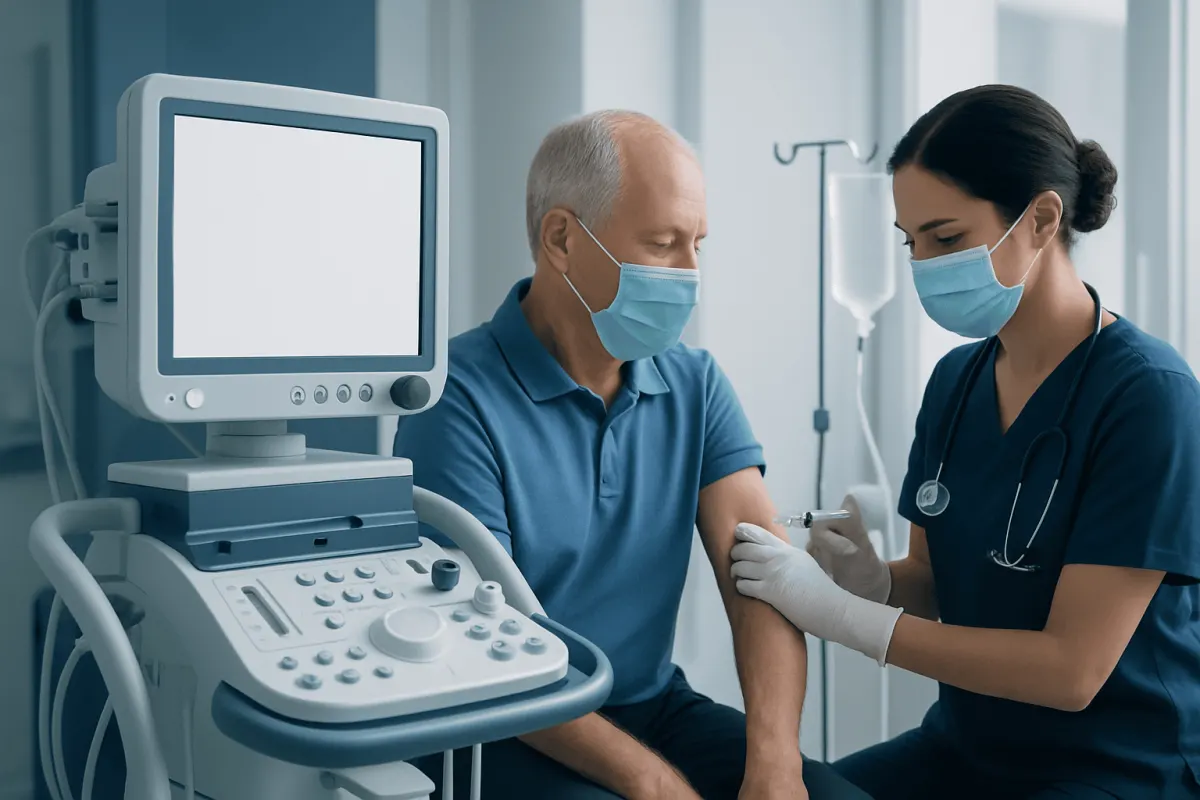
Missing the second Shingrix shot is usually not harmful in itself, and a person does not need to restart the vaccine series. However, one dose may not provide the full, long-lasting protection intended against shingles and its complications, so the missed dose should be arranged as soon as practical.
Overview: What a Missed Second Shingrix Shot Means
For people asking what happens if you don’t get second Shingrix shot, the reassuring answer is that missing or delaying it is usually not dangerous by itself. It does not cause shingles, does not undo the first dose, and generally does not mean the series must be started again. The practical concern is that a person may have less complete and less durable protection than intended until the second dose is received.
Shingrix is a recombinant zoster vaccine used to help prevent shingles, also called herpes zoster. Shingles occurs when the varicella-zoster virus, which can remain inactive in the body after chickenpox, becomes active again. The vaccine is given as a two-dose series because the first injection starts the immune response and the second dose strengthens it.
There is no need to panic if the recommended timing has passed. A clinician, pharmacist, or vaccination service can review the person’s medical history and arrange the outstanding dose. The main goal is to complete the series rather than to wait for a “perfect” time or assume it is too late.
Why the Second Dose Is Important
One Shingrix dose can begin to train the immune system to recognize the virus, but the recommended two-dose schedule is designed to produce a more reliable immune response. Completing both doses offers the best available protection against shingles and can reduce the likelihood of complications, particularly persistent nerve pain after the rash has healed.
Postherpetic neuralgia is long-lasting nerve pain that may follow shingles. It can interfere with sleep, mobility, mood, and daily activities, and it becomes more common with older age. Vaccination cannot guarantee that a person will never develop shingles, but full vaccination meaningfully lowers the chance of both shingles and related complications.
A delayed second dose should not be viewed as a failed first dose. Current immunization guidance generally advises giving the second dose when it becomes possible, even if the usual interval has been exceeded. Restarting the series is not routinely recommended simply because of a delay.
- The first dose begins immune protection.
- The second dose boosts and reinforces that response.
- Completing the series is especially valuable for adults at higher risk of shingles complications.
Recommended Shingrix Timing and Delayed Doses

For most adults aged 50 years and older, Shingrix is administered in two doses, with the second dose usually given 2 to 6 months after the first. It is also recommended for adults aged 19 years and older who have weakened immune systems because of certain diseases or treatments.
For some people who are immunocompromised or are expected to become immunocompromised, a clinician may recommend the second dose sooner, typically 1 to 2 months after the first. This shorter interval may help complete vaccination before immune-suppressing treatment, an organ transplant, or another period when infection risk could be higher. The individual schedule should be confirmed with the treating healthcare professional.
If more than 6 months have passed after the first injection, the usual advice is to receive the second dose as soon as possible. There is generally no need for an additional first dose. People who are unsure which shingles vaccine they previously received, when they received it, or whether they completed the series can ask a clinician or pharmacist to check their vaccination record.
Who May Benefit Most From Completing the Series
Anyone eligible for Shingrix can benefit from receiving both doses, but completing the schedule is particularly important for people whose risk of shingles or complications is higher. Risk increases with age because immune responses naturally change over time. A previous episode of shingles does not guarantee lifelong protection, so vaccination may still be recommended after recovery.
People with conditions or treatments that affect the immune system may also have a higher risk. This may include people receiving chemotherapy, long-term immune-suppressing medicines, certain biologic therapies, or treatment after an organ or stem cell transplant. The best timing can differ depending on the underlying condition and treatment plan.
Shingrix is not a live vaccine. Even so, a healthcare professional should review timing in people who are moderately or severely ill, have had a serious allergic reaction to a prior vaccine dose or component, are pregnant, or have complex medical circumstances. A person with an active shingles episode usually waits until the acute illness and rash have resolved before vaccination is considered.
When to Seek Medical Care
Missing the second injection alone is not usually a reason for urgent medical care. However, medical advice is important if a person develops symptoms that could suggest shingles. These can include burning, tingling, itching, or pain on one side of the body, followed by a band of fluid-filled blisters. Early assessment matters because antiviral medicines may be most helpful when started soon after the rash begins.
Urgent assessment is recommended for a rash or pain around the eye, forehead, nose, or ear; changes in vision; severe headache; facial weakness; confusion; widespread rash; fever with significant illness; or severe pain that is difficult to manage. These symptoms can indicate complications that need prompt evaluation. People with a weakened immune system should contact a clinician quickly if they suspect shingles, even when symptoms appear mild.
A doctor usually diagnoses shingles by examining the rash and asking about pain, symptom timing, past chickenpox or shingles, vaccination history, medicines, and immune health. Laboratory testing is not always needed, but a swab from a blister may be tested when the diagnosis is uncertain or the presentation is unusual. The clinician can also determine whether antiviral treatment, pain relief, eye assessment, or other specialist care is needed.
What to Do After Missing a Dose
The most useful next step is to schedule the second Shingrix dose rather than delay further. A primary care clinician, immunization clinic, or pharmacist can usually help determine eligibility and timing. Bringing an immunization record, if available, can make the discussion easier, although a missing record does not always prevent a clinician from making a plan.
It is sensible to mention any reaction after the first dose. Common temporary effects can include soreness, redness, swelling at the injection site, tiredness, muscle aches, headache, fever, chills, stomach upset, or nausea. These effects generally resolve within a few days and often reflect the immune system responding to the vaccine. They do not usually mean that a person should skip the second dose, but a severe or concerning reaction should be discussed before another dose is given.
After vaccination, planning a lighter schedule for a day or two may be helpful, as some people feel tired or achy. A clinician or pharmacist can advise on appropriate symptom relief based on the person’s age, health conditions, allergies, and other medicines. Keeping a personal vaccine record and setting a calendar reminder can reduce the chance of another missed dose.
Prevention Beyond Vaccination and Follow-Up Care
Vaccination is the main preventive measure for shingles, but general health practices can support overall immune health. Regular sleep, balanced nutrition, physical activity suited to the person, stress management, and ongoing care for chronic conditions may all be beneficial. These measures cannot replace vaccination or guarantee prevention, but they support general wellbeing.
Shingles itself is not typically spread from one person to another as shingles. However, fluid from shingles blisters can transmit varicella-zoster virus to someone who has never had chickenpox or has not been vaccinated against it, potentially causing chickenpox. Until the rash has crusted over, covering the rash and avoiding direct contact with high-risk individuals, including pregnant people without immunity and severely immunocompromised people, is advisable.
For international patients, Acıbadem Health Point’s multidisciplinary specialists and JCI-accredited hospitals can assess vaccination questions, suspected shingles, and health conditions that may affect vaccine timing. A qualified clinician can provide individualized advice, particularly for people with immune-system conditions or planned medical treatment.
Frequently asked questions
01Do I need to restart Shingrix if I missed the second shot?
No. If the second Shingrix dose is delayed beyond the usual recommended interval, the series generally does not need to be restarted. The missed second dose should be given as soon as practical after discussing timing with a healthcare professional.
02How long can I wait between Shingrix doses?
For most eligible adults, the second dose is usually given 2 to 6 months after the first. If more than 6 months have passed, it is still generally appropriate to receive the second dose without repeating the first. Some immunocompromised adults may be advised to receive the second dose after 1 to 2 months.
03Am I protected from shingles after only one Shingrix shot?
One dose may provide some protection, but it is not considered the complete recommended series. The second dose is important for stronger and more lasting protection. Until it is received, a person may remain more vulnerable to shingles and its complications than someone who has completed both doses.
04Can the Shingrix vaccine give someone shingles?
No. Shingrix is not a live-virus vaccine and cannot cause shingles. Some people develop short-term flu-like symptoms or arm soreness after vaccination, but these are vaccine side effects rather than shingles.
05Should I get Shingrix if I have already had shingles?
In many cases, yes. Having shingles once does not fully prevent another episode, and vaccination can help reduce future risk. A clinician can advise on the appropriate timing, especially if the person is still recovering from a recent episode.
06What if I had a strong reaction after my first Shingrix dose?
Temporary soreness, fatigue, headache, muscle aches, fever, or stomach symptoms can occur and usually improve within a few days. These effects alone do not usually prevent a second dose. However, anyone who had symptoms of a serious allergic reaction, such as trouble breathing, swelling of the face or throat, widespread hives, or fainting, should seek medical advice before receiving another dose.
This article is for general information only and is not a substitute for professional medical advice. Please consult a qualified doctor about your individual situation.
Explore treatments in Turkey — costs, top hospitals & a free quote
JCI-accredited · board-certified surgeons · reply within 24h
Add us as a Preferred Source to see more of our trusted health content across Google Search, AI Overviews and Discover.