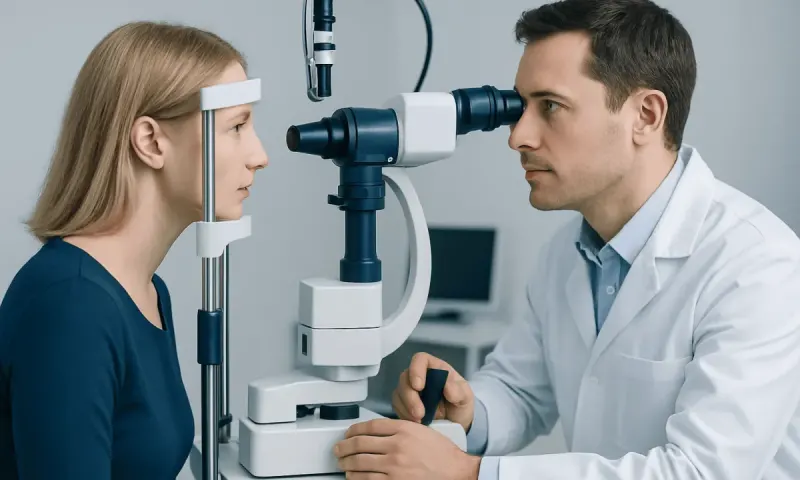
Milia on the Eyelid: How Removal Is Done
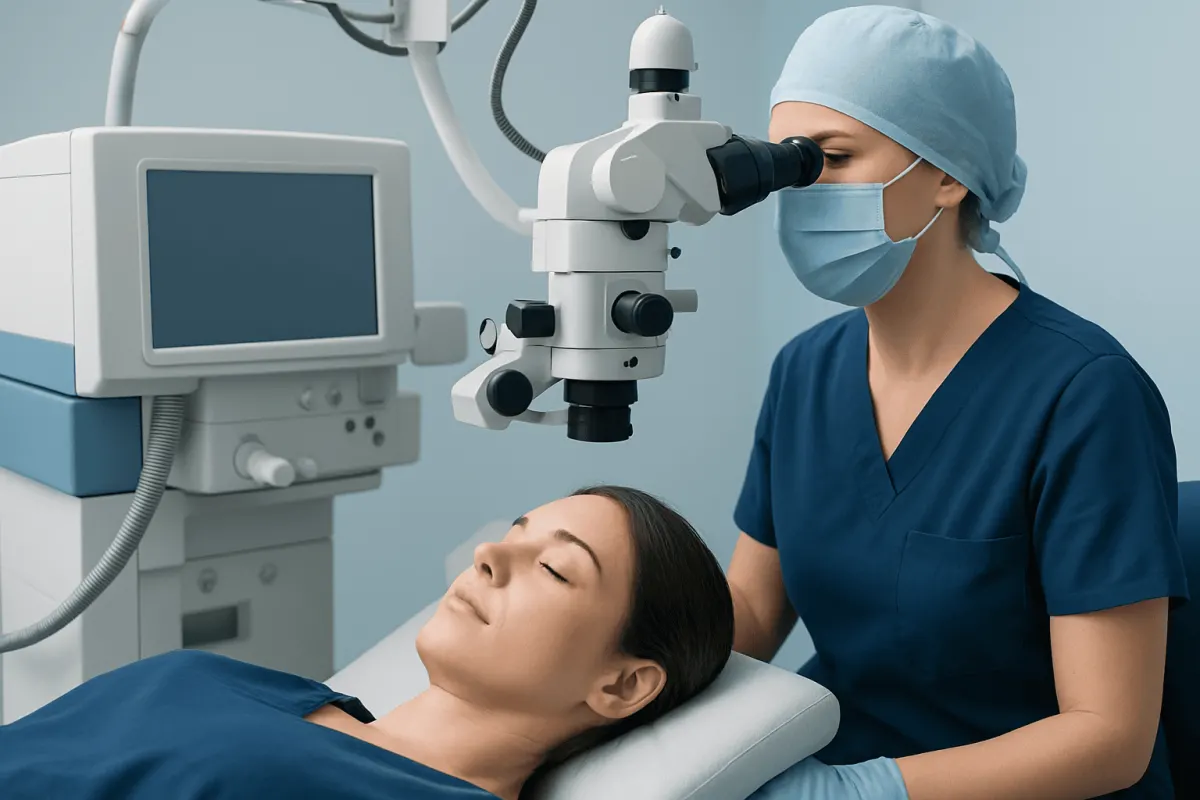
Milia on eyelid removal is usually performed by a qualified dermatologist or eye specialist using sterile techniques to open and remove the tiny keratin-filled cysts. The procedure is generally quick, and most people experience mild redness or tenderness that settles within several days.
Overview: What Is Milia on the Eyelid?
Milia are tiny, firm, dome-shaped bumps that are usually white, cream, or yellowish. They form when keratin, a natural protein found in the outer skin layer, becomes trapped beneath the skin surface. Milia are not contagious, are not a sign of poor hygiene, and are usually harmless. They are especially common on the face, including the upper and lower eyelids.
Milia on eyelid removal is generally considered when bumps are persistent, bothersome, cosmetically concerning, or when it is unclear whether they are truly milia. A clinician can often identify milia by examining the skin. However, bumps near the eyelid may occasionally have another cause, so professional assessment is particularly useful in this sensitive area.
Removal is elective in many cases because milia may gradually resolve on their own. Adults can have persistent milia, though, and home remedies often do not help. Professional treatment can remove existing cysts safely while avoiding unnecessary injury to the thin eyelid skin.
Why Milia Develop Around the Eyes
Primary milia can arise without an obvious trigger. They are common in newborns but also occur in children and adults. Around the eyes, the skin is thin and may be more prone to small surface changes that allow keratin to become trapped.
Secondary milia can develop after skin injury or inflammation. Potential contributors include burns, blisters, rashes, sun-related skin damage, some cosmetic procedures, and prolonged use of certain topical medicines. Heavy eye creams, oils, or makeup do not cause milia in every person, but products that are poorly tolerated or overly occlusive may contribute for some people.
People with recurrent facial bumps should not assume every lesion is milia. Conditions such as acne, syringomas, xanthelasma, skin tags, or eyelid gland problems can look different and may need different care. An examination helps establish the correct diagnosis before any procedure is planned.
How Professionals Remove Milia From the Eyelid

A milia on eyelid removal dermatologist may use a sterile fine needle or tiny blade to create a very small opening in the skin, then gently release the keratin plug. The area is cleaned first, and the clinician takes care to avoid excessive pressure or trauma. For a small number of superficial milia, this is often the most direct approach.
Depending on the location, number, and depth of lesions, treatment may also involve carefully selected topical retinoids for facial skin away from the eye margin, light electrosurgery, laser treatment, or other techniques. These options are not suitable for everyone and should be chosen by an experienced clinician. Products intended for acne or exfoliation should never be applied close to the eye unless a clinician specifically advises it.
A milia removal ophthalmologist or oculoplastic specialist may be the most appropriate professional when a bump is on the eyelid margin, very close to the lashes, near the tear drainage openings, or when there is concern about the eye itself. Dermatologists commonly manage lesions on the surrounding eyelid skin. The best choice depends on the lesion’s exact location and the clinician’s expertise.
At Acıbadem Health Point, multidisciplinary dermatology and eye-care specialists in JCI-accredited hospitals can assess and treat eyelid lesions for international patients when appropriate.
How Long Does It Take to Heal After Milia Extraction?
After uncomplicated milia extraction, mild redness, sensitivity, pinpoint bleeding, or slight swelling may occur. These effects often improve within a few days. A tiny crust or scab can form at the extraction site and commonly falls away naturally within about one to two weeks.
Healing time varies with the number of lesions treated, the technique used, skin sensitivity, and whether a lesion was deeper than expected. Laser or electrosurgical treatments may require somewhat longer visible recovery than simple extraction. Most people can return to usual daily activities immediately, although they may prefer to avoid eye makeup until the skin surface has settled.
It is important to allow the skin to heal without picking. If redness becomes progressively worse, pain increases, there is pus-like drainage, the eyelid becomes markedly swollen, or vision changes occur, prompt medical advice is needed. These symptoms are uncommon but should not be ignored because the treatment area is close to the eye.
What Not to Do After Milia Removal?
After milia removal eyelids should be handled gently. People should not squeeze, scratch, pick, or remove any small scab. Doing so can prolong redness and raise the risk of infection, pigment changes, or scarring. Hands should be washed before touching the face or applying any recommended aftercare product.
For the period advised by the treating clinician, it is sensible to avoid eye makeup, false eyelashes, exfoliating acids, retinoids, scrubs, fragranced products, and other potentially irritating cosmetics near the treated area. Swimming pools, hot tubs, and saunas may also be best avoided briefly if the skin has an open pinpoint area. Contact lenses should only be used according to the clinician’s instructions if treatment was very near the eye.
Sun protection helps reduce the chance of lingering discoloration after any skin procedure. Sunglasses and shade can protect the eye area; sunscreen should be used cautiously so it does not enter the eyes or irritate healing skin. A clinician may recommend a gentle cleanser and simple moisturizer, but patients should follow the individual aftercare plan provided.
- Do not attempt to reopen or drain the treated site.
- Do not use at-home chemical peels or wart-removal products around the eyelids.
- Do not restart strong active skincare products until the skin has recovered.
Milia on Eyelid Removal at Home: Is It Safe?
Milia on eyelid removal at home is not recommended. Needles, lancets, comedone extractors, and squeezing can tear delicate eyelid skin and introduce infection. The risks are greater near the eyelid margin and eye, where even a small injury can be painful and potentially affect eye comfort or function.
At-home products marketed for exfoliation may also be unsafe around the eyes. Retinoids, alpha hydroxy acids, beta hydroxy acids, and other active ingredients can cause irritation or injury if applied too close to the eye. It is particularly important not to use over-the-counter acid products, peeling solutions, or non-sterile tools on eyelid bumps.
Gentle skin care may help limit irritation and product buildup, but it does not reliably remove established milia. If a bump persists, changes, becomes symptomatic, or causes concern, assessment by a dermatologist, ophthalmologist, or oculoplastic specialist is the safest next step.
How Much Does It Cost to Remove Milia From the Eyelid?
Milia eyelid removal cost varies widely. The final amount depends on the country and clinic, the specialist involved, whether one or several lesions are treated, the technique used, and whether consultation, pathology, follow-up, or facility charges are needed. A lesion that is very close to the eye may require an eye specialist rather than a routine cosmetic skin appointment.
Because milia removal is often considered cosmetic when lesions are harmless, insurance or public health coverage may not apply. Coverage can be different if a clinician needs to assess a suspicious lesion, treat a medical eyelid condition, or perform a biopsy. Patients can ask the clinic whether the quoted amount includes consultation, treatment, any numbing medicine, aftercare, and follow-up.
It is wise to prioritize appropriate clinical experience over choosing treatment based only on cost. An in-person assessment allows the clinician to confirm the diagnosis, discuss whether treatment is necessary, and explain the likely recovery process before a decision is made.
Do Milia Grow Back After Removal?
When a milium is completely removed, it usually does not grow back in the identical spot. However, new milia can form later in nearby skin or elsewhere on the face. This can make it seem as though the condition has returned, particularly in people who are naturally prone to milia or who have ongoing skin irritation.
There is no guaranteed way to prevent all future milia. Helpful measures may include gentle cleansing, avoiding harsh rubbing, using products that suit the skin, protecting the face from excessive sun exposure, and seeking treatment for inflammatory skin conditions. A clinician can advise whether a simple skin-care adjustment or prescription treatment is suitable, especially for recurring facial milia.
Repeated lesions on the eyelids should be reviewed rather than repeatedly self-treated. The clinician may confirm that the bumps are milia and consider whether any underlying skin issue, medication exposure, or product-related irritation could be contributing.
When to Seek Medical Care
Medical review is advisable when an eyelid bump cannot be confidently identified as milia, does not improve over time, or is repeatedly returning. Assessment is also important if the bump is painful, red, crusted, bleeding, rapidly changing, associated with eyelash loss, or located directly on the eyelid edge.
Urgent medical attention is appropriate for eye pain, marked eyelid swelling, fever, discharge, light sensitivity, reduced vision, double vision, or difficulty moving the eye. These features are not typical of uncomplicated milia and may indicate a different problem requiring timely care.
A qualified clinician can determine whether observation, dermatologic extraction, or specialist eye assessment is appropriate. Patients should avoid attempting removal themselves while awaiting an appointment.
Frequently asked questions
01Is milia removal on the eyelid painful?
Simple extraction is often described as brief discomfort rather than significant pain. The eyelid area is sensitive, so a clinician may use methods to improve comfort when needed. The exact experience depends on the number, location, and depth of the milia.
02Can a dermatologist remove milia close to the eye?
Dermatologists commonly treat milia on the skin surrounding the eyes. If a lesion is on the eyelid margin, near the lashes, or close to the tear drainage system, an ophthalmologist or oculoplastic specialist may be more suitable. A clinician can guide referral based on the exact location.
03How long does it take to heal after milia extraction?
Mild redness or tenderness often settles within several days after simple extraction. A tiny scab may take about one to two weeks to resolve. Healing may take longer after laser or electrosurgical treatment, or when multiple lesions are treated.
04What not to do after milia removal?
Do not pick, squeeze, scratch, or try to remove a scab from the treated area. Avoid irritating skincare, exfoliants, and eye makeup near the site until the clinician says the skin has healed. Do not use home extraction tools or chemical products around the eyes.
05How much does it cost to remove milia from the eyelid?
Costs differ by clinic, geographic location, specialist type, number of lesions, and treatment method. Removal may be considered cosmetic and may not be covered by insurance or public health plans. A clinic can provide an individualized estimate after assessing the lesion and planned procedure.
06Do milia grow back after removal?
A completely removed milium generally does not return in exactly the same location. However, new milia can develop in other areas, particularly in people prone to them. Gentle skin care and management of any skin irritation may help reduce recurrence, although they cannot guarantee prevention.
This article is for general information only and is not a substitute for professional medical advice. Please consult a qualified doctor about your individual situation.
Explore treatments in Turkey — costs, top hospitals & a free quote
JCI-accredited · board-certified surgeons · reply within 24h
Add us as a Preferred Source to see more of our trusted health content across Google Search, AI Overviews and Discover.