Migraine MRI: When Brain Imaging Is Recommended for Headaches
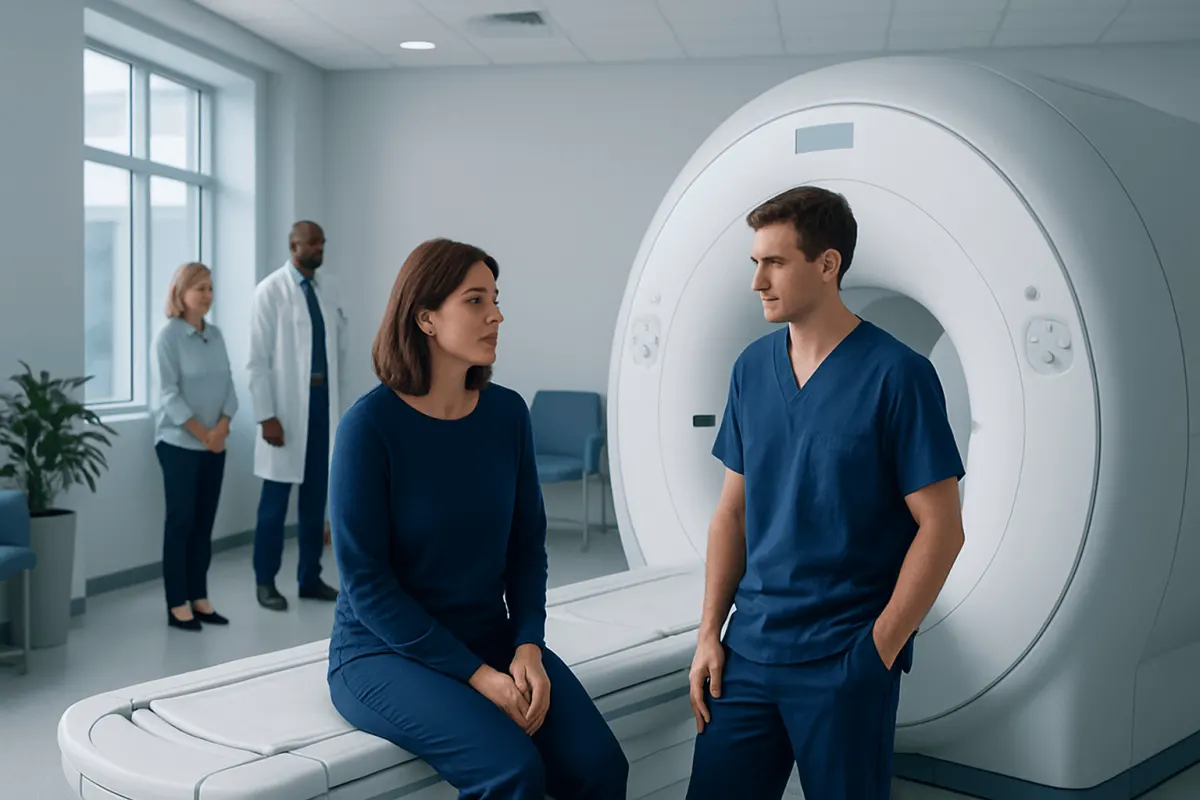
A migraine MRI is not routinely required when a person has a typical migraine pattern and a normal neurological examination. Brain imaging becomes important when symptoms, examination findings, or health history suggest that the headache may have another cause.
Overview: What Is a Migraine MRI?
A migraine MRI is a brain magnetic resonance imaging scan performed in someone who has migraine-like headaches. MRI uses a strong magnetic field and radio waves to create detailed images of the brain and surrounding structures. It does not use ionizing radiation, and it is often chosen when a doctor needs a detailed look at the brain, blood vessels, or areas near the eyes, sinuses, and skull base.
For many people with migraine, however, MRI is not necessary. Migraine is usually diagnosed by a clinician based on the pattern of headache attacks, accompanying symptoms such as nausea or sensitivity to light, family history, triggers, and a neurological examination. If the symptoms fit a typical migraine pattern and the examination is normal, routine imaging often does not change care.
The purpose of MRI in headache evaluation is not to confirm migraine. Instead, it helps rule out other causes when the history or examination raises concern. These may include inflammation, infection, vascular problems, tumors, pressure-related conditions, or other neurological disorders. A specialist in headache medicine can help decide whether imaging is likely to be useful for an individual patient.
When Brain Imaging Is Usually Recommended
Doctors consider MRI or another form of brain imaging when there are “red flags” in the headache history or examination. These signs do not mean a serious condition is definitely present; they simply mean that a careful evaluation is needed. The decision depends on age, medical history, the type of headache, and whether symptoms are new, changing, or accompanied by neurological findings.
Brain imaging may be recommended when a headache has a sudden thunderclap onset, reaches maximum intensity within seconds or minutes, or is described as the worst headache of life. Imaging is also considered when headaches begin after age 50, occur after head injury, appear during pregnancy or the postpartum period, or occur in someone with cancer, immune suppression, fever, unexplained weight loss, or a recent infection.
Other reasons for imaging include a significant change in a previously stable headache pattern, headaches triggered by coughing, exertion, or sexual activity, headaches that are clearly positional, or headaches associated with persistent vomiting or swelling of the optic nerve known as papilledema. Neurological symptoms that do not fully resolve, such as weakness, double vision, confusion, fainting, seizures, or persistent speech difficulty, also require prompt medical assessment.
- New or different headache pattern, especially later in life
- Abnormal neurological examination
- Persistent aura, new visual loss, or double vision
- Seizure, confusion, weakness, numbness, or balance problems
- Fever, stiff neck, cancer history, immune suppression, or recent infection
When MRI Is Often Not Needed for Migraine

Imaging is often not needed when a person has recurrent headaches that meet typical migraine features, the pattern has been stable over time, and the neurological examination is normal. Typical migraine may involve moderate to severe throbbing pain, often on one side of the head, with nausea, sensitivity to light or sound, and worsening with routine activity. Some people also experience aura, such as temporary visual disturbances, tingling, or speech symptoms that develop gradually and resolve.
In these situations, an MRI may show incidental findings that are unrelated to the headache. Examples can include minor sinus changes, small benign cysts, or tiny nonspecific white matter spots. Such findings are common and often harmless, but they can cause understandable worry and sometimes lead to additional testing that may not improve health outcomes.
This does not mean a patient’s symptoms are being dismissed. Migraine is a real neurological disorder, and it can be disabling even when imaging is normal. The most useful care often focuses on confirming the diagnosis, identifying triggers, choosing appropriate acute treatment, considering preventive therapy when needed, and addressing sleep, stress, hormones, diet, and other contributing factors. Patients with established migraine should still report any major change in symptoms to their doctor.
MRI, CT, and Other Tests: How Doctors Choose
MRI and CT scans are both used in headache evaluation, but they serve different purposes. CT is fast and widely used in emergency settings, especially after head trauma or when bleeding needs to be assessed quickly. MRI takes longer but provides more detailed images of many brain structures, the back of the brain, the pituitary region, the optic pathways, and inflammatory or demyelinating conditions.
Sometimes doctors order special MRI techniques, such as MR angiography or MR venography, to look at arteries and veins. These may be considered when symptoms suggest a blood vessel problem, venous sinus thrombosis, aneurysm, or other vascular condition. In some cases, contrast material called gadolinium is used to improve visualization of inflammation, tumors, infection, or abnormal blood vessels. Contrast is not needed for every headache MRI, and the decision is individualized.
Other tests may be more helpful than MRI depending on the situation. Blood tests can assess infection, inflammation, anemia, thyroid disease, or metabolic problems. Eye examination can detect papilledema or visual pathway issues. Lumbar puncture may be needed in selected cases after imaging, particularly when infection, bleeding, or pressure disorders are suspected. Expert neuroradiology interpretation helps ensure that imaging findings are evaluated in the right clinical context.
What to Expect During a Brain MRI
Before an MRI, patients are asked about implanted devices, metal fragments, prior surgery, pregnancy, kidney disease, allergies, and any history of reactions to contrast material. Many modern implants are MRI-compatible, but this must be checked carefully. People with pacemakers, cochlear implants, certain aneurysm clips, or metal fragments in the eye may need special review before scanning.
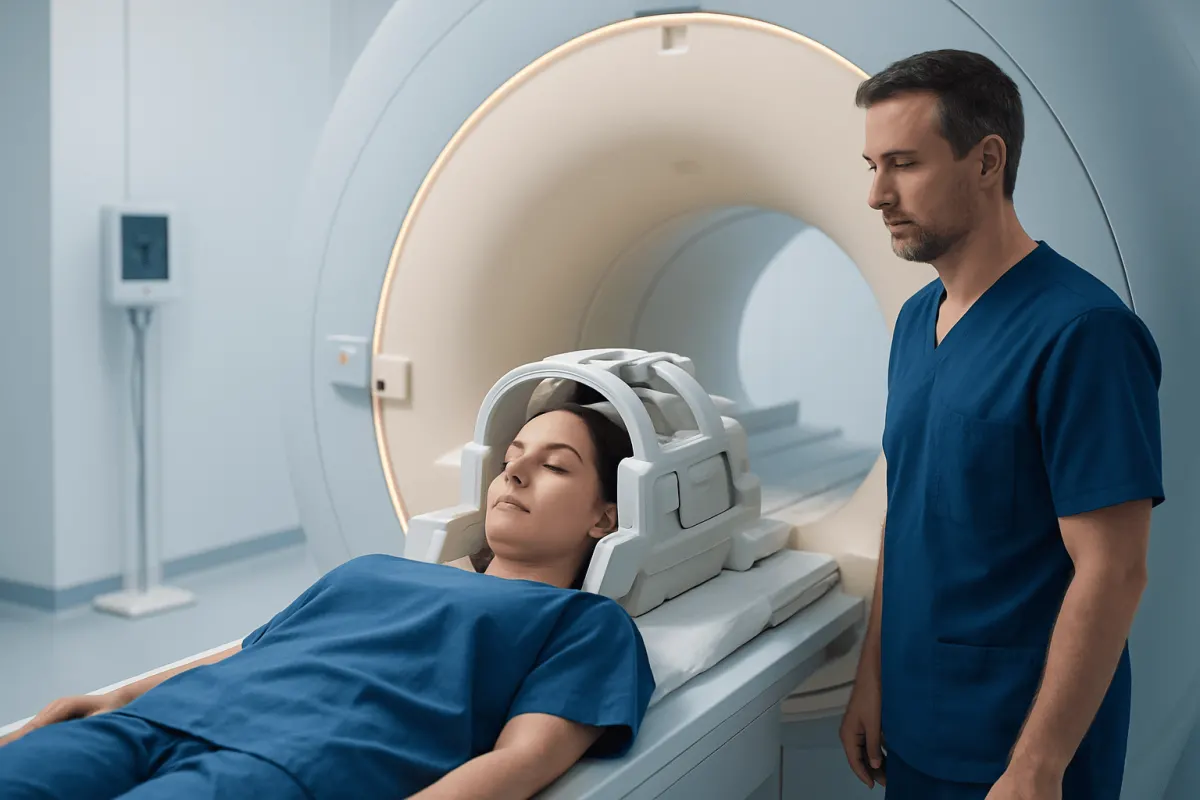
During the scan, the patient lies on a table that moves into the MRI machine. The scan is painless, but the machine makes loud tapping or knocking sounds, so ear protection is provided. The patient needs to remain still to help produce clear images. Some people feel anxious in enclosed spaces; if claustrophobia is a concern, patients can discuss options such as preparation techniques, an open MRI where appropriate, or medication prescribed by a doctor before the appointment.
If contrast is used, it is given through a vein. Gadolinium contrast is generally well tolerated, but it may not be suitable for everyone, especially some patients with significant kidney disease. After the scan, most people can return to normal activities immediately unless they received a sedating medicine. The results are interpreted by a radiologist and reviewed together with the patient’s symptoms and examination findings by the treating physician.
Diagnosis and Treatment After Imaging
A normal MRI can be reassuring, but it does not automatically solve the headache. If the history fits migraine, the diagnosis remains clinical, and treatment is based on the patient’s attack frequency, severity, disability, other medical conditions, and preferences. The goal is to reduce pain, restore function, prevent medication overuse, and improve quality of life.
Acute migraine treatments are used at the start of an attack to reduce symptoms. Preventive treatments may be considered when attacks are frequent, prolonged, difficult to treat, or significantly affect work, school, sleep, or daily life. Options can include lifestyle measures, trigger management, oral preventive medicines, injectable preventive therapies, nerve blocks, behavioral therapies, or device-based approaches depending on the individual case. Patients should avoid starting or combining migraine medicines without medical guidance, especially if they have heart disease, pregnancy, liver or kidney disease, or other chronic conditions.
If imaging reveals another condition, treatment is directed toward that cause. For example, inflammation, infection, vascular disease, eye-related neurological problems, or pressure disorders require different care pathways. Visual symptoms that are unusual, persistent, or associated with eye movement pain may call for evaluation by neuro-ophthalmology specialists. At Acıbadem Health Point, multidisciplinary specialists in JCI-accredited hospitals diagnose and treat headache and neurological conditions for international patients, with care plans tailored to the person’s clinical needs.
Prevention and Self-Care for Recurrent Headaches
Good migraine care includes more than imaging. Many patients benefit from tracking headache frequency, possible triggers, menstrual timing, sleep patterns, stress, food and alcohol intake, caffeine use, and medication days. A headache diary can help the doctor distinguish migraine from tension-type headache, cluster headache, medication-overuse headache, sinus-related pain, and other conditions.
Regular sleep, hydration, balanced meals, consistent caffeine habits, and gradual physical activity can support nervous system stability. Stress management techniques, relaxation training, cognitive behavioral strategies, and treatment of anxiety or depression may also help some patients. Skipping meals, irregular sleep, dehydration, excessive alcohol, and overuse of pain relievers can make headaches more frequent in susceptible individuals.
Medication-overuse headache is an important consideration. Using pain relievers, combination analgesics, migraine-specific medicines, or opioids too often can make headaches more frequent and harder to treat. Patients should ask their doctor how many days per month it is safe to use acute headache medicines and whether preventive therapy would be appropriate. Self-care is most effective when it is combined with a clear diagnosis and a personalized medical plan.
When to See a Doctor Urgently
Anyone with a new, severe, sudden-onset headache should seek urgent medical care. Prompt evaluation is also important for headache with weakness, numbness, confusion, fainting, seizure, persistent speech trouble, double vision, new vision loss, fever, stiff neck, or rash. These symptoms can have many causes, and timely assessment helps doctors choose the right tests and treatment.
A medical appointment is also recommended for headaches that are increasing in frequency, changing in character, waking a person from sleep, occurring after exertion, or beginning after age 50. Pregnant or postpartum patients, people with cancer, immune suppression, blood clotting disorders, recent infection, or head injury should not assume a new headache is migraine without medical review.
For people with known migraine, it is sensible to seek care when usual treatments stop working, attacks become more frequent, aura changes, or daily activities are increasingly affected. A clinician can reassess the diagnosis, decide whether a migraine MRI or other testing is appropriate, and adjust the treatment plan safely.
Frequently asked questions
01Does everyone with migraine need an MRI?
No. Most people with a typical migraine pattern and a normal neurological examination do not need routine MRI. Doctors usually reserve imaging for headaches with red flags, unusual symptoms, abnormal examination findings, or a major change in pattern.
02Can an MRI show migraine?
MRI does not diagnose migraine directly. Migraine is diagnosed mainly from the patient’s symptoms, headache history, and neurological examination. MRI is used to look for other causes when the clinical picture is not typical or when warning signs are present.
03Is MRI better than CT for headaches?
It depends on the situation. CT is often used first in emergencies because it is fast, especially when bleeding or trauma is suspected. MRI provides more detailed images and may be preferred for non-emergency evaluation of many neurological causes of headache.
04What are headache red flags that may require imaging?
Red flags include sudden thunderclap headache, new headache after age 50, abnormal neurological signs, seizure, fever, stiff neck, cancer history, immune suppression, head injury, papilledema, or a major change in headache pattern. These signs do not always mean something serious is present, but they should be assessed by a doctor.
05Is gadolinium contrast always needed for a migraine MRI?
No. Many headache MRI scans can be performed without contrast. A doctor may request contrast when inflammation, infection, tumor, vascular abnormality, or other specific conditions need to be evaluated more clearly.
06What if my MRI is normal but my headaches are severe?
A normal MRI is common in migraine and does not mean the pain is not real. Migraine can be very disabling even when brain imaging is normal. The next step is usually a personalized treatment plan that addresses acute attacks, prevention, triggers, and medication use.
This article is for general information only and is not a substitute for professional medical advice. Please consult a qualified doctor about your individual situation.
Persistent digestive symptoms? Get evaluated in Turkey
JCI-accredited · board-certified surgeons · reply within 24h
Add us as a Preferred Source to see more of our trusted health content across Google Search, AI Overviews and Discover.