

Neurosurgery for Brain Tumors: When Is an Operation Recommended?

Neurosurgery for brain tumors may be recommended to confirm a diagnosis, remove as much of a tumor as safely possible, or reduce pressure on the brain. The decision depends on the tumor’s size, location, type, symptoms, and the person’s overall health and treatment goals.
Overview: What neurosurgery for brain tumors involves
Neurosurgery for brain tumors refers to operations performed on the brain to diagnose or treat a tumor. In many cases, surgery is one of the main Neuromodulation" class="ahp-ilk">treatment options because it can provide a tissue sample for diagnosis, remove part or all of the tumor, and help relieve symptoms caused by pressure inside the skull. The main aim is to treat the tumor while preserving as much normal brain function as possible.
Brain tumors are not all the same. Some are benign, meaning they do not spread to other parts of the body, while others are malignant and can grow more aggressively. Tumors may start in the brain or spread there from another cancer in the body. Because these differences matter, the decision to operate is always individualized.
Neurosurgeons usually work as part of a multidisciplinary team that may include neurologists, oncologists, radiation oncologists, neuroradiologists, pathologists, and rehabilitation specialists. This team reviews imaging, symptoms, health history, and treatment goals to decide whether surgery is the best next step or whether another approach may be safer or more effective.
When is an operation recommended?
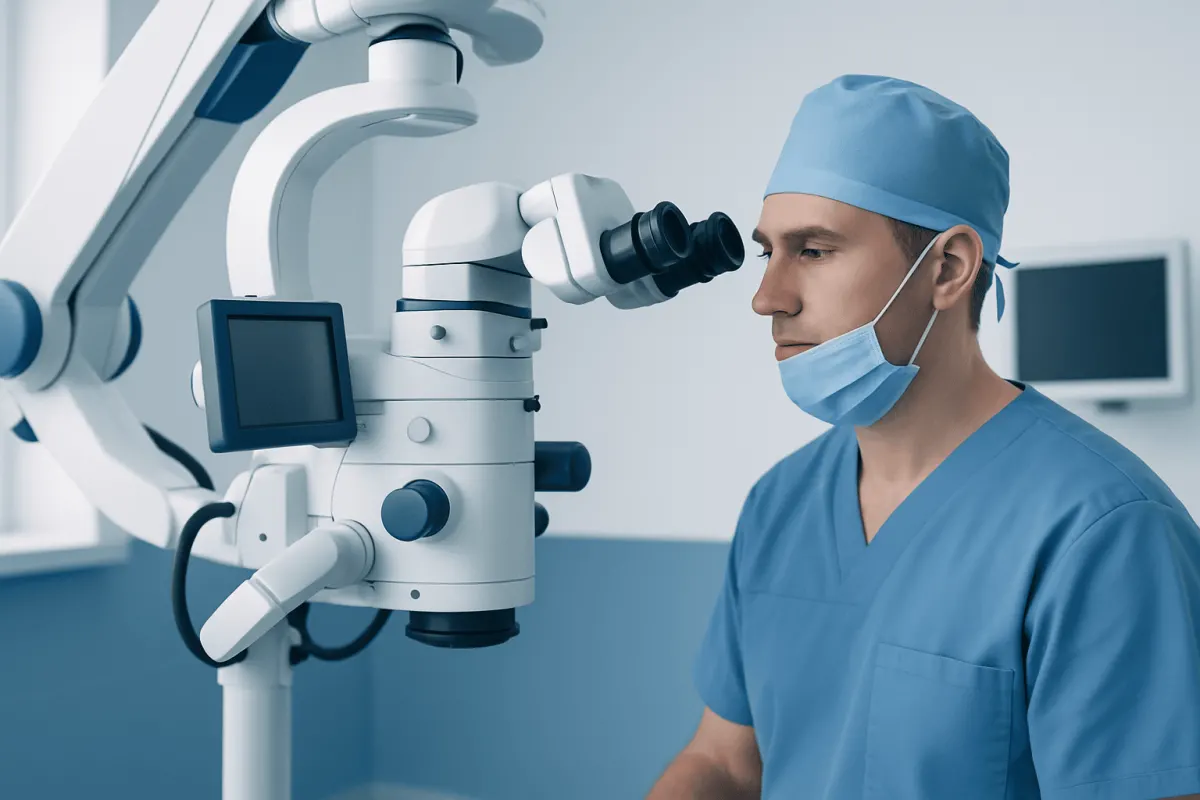
An operation is commonly recommended when a brain tumor is causing symptoms, putting pressure on nearby brain structures, blocking the normal flow of cerebrospinal fluid, or increasing pressure inside the skull. Symptoms such as seizures, progressive headaches, weakness, speech difficulty, balance problems, or changes in vision may suggest that the tumor is affecting brain function and should be treated promptly.
Surgery may also be advised when doctors need a definite diagnosis. Imaging scans can strongly suggest the type of tumor, but in many situations a tissue sample is needed to confirm exactly what it is. This can guide the next steps, including whether a person may benefit from radiation therapy, chemotherapy, or targeted treatment after surgery.
In some cases, the goal is complete removal if the tumor is in a location that can be reached safely. In other cases, only partial removal is possible because the tumor lies close to areas that control speech, movement, memory, or vision. Even when the whole tumor cannot be removed, taking out part of it can reduce symptoms and improve the effect of other treatments.
Doctors may be less likely to recommend immediate surgery if a tumor is very small, not causing symptoms, appears slow-growing, or is located in a particularly high-risk area. In these situations, careful monitoring with repeat MRI scans or non-surgical treatment may be more appropriate.
How doctors decide: factors that influence the choice

Several factors help determine whether brain tumor surgery is recommended. One of the most important is the tumor’s location. A tumor near the surface of the brain may be easier to remove than one deep inside the brain or near vital structures such as the brainstem. Size, shape, number of tumors, and the degree of surrounding swelling are also important.
The suspected tumor type matters as well. Some tumors are best treated first with surgery, while others may respond better to medicines, radiation, or a combination approach. If the tumor has spread from another organ, doctors will also consider the status of the original cancer and whether there are tumors elsewhere in the body.
The person’s age, general health, neurological function, and personal preferences also play a major role. Surgeons weigh the possible benefits of surgery against risks such as infection, bleeding, seizures, or changes in speech, movement, memory, or personality. The aim is not simply to remove tumor tissue, but to achieve the best overall quality of life and long-term care plan.
Advanced planning often helps improve safety. MRI, CT, functional imaging, and mapping techniques can show how close the tumor is to important areas of the brain. This allows the surgical team to plan the safest route and estimate how much tumor can likely be removed.
Types of surgery and what they are used for
The most common operation for many brain tumors is a craniotomy, in which a section of the skull is temporarily opened so the neurosurgeon can reach the tumor. During this operation, the surgeon tries to remove as much of the tumor as safely possible. In selected cases, surgeons use image guidance, microscopes, endoscopes, or fluorescent techniques to improve precision.
Sometimes the goal is not full removal but biopsy. A biopsy takes a small sample of tumor tissue so it can be examined under a microscope. This is especially useful when the tumor is deep, located in a sensitive area, or when the diagnosis is unclear. A stereotactic needle biopsy may be used to reach the tumor through a small opening with imaging guidance.
For tumors close to areas that control speech or movement, awake brain surgery may be considered. During parts of the procedure, the person is carefully monitored so the team can test important functions in real time. This can help the surgeon remove more tumor while reducing the risk of injury to critical brain regions.
Some procedures are done to treat complications rather than the tumor itself. For example, if a tumor causes hydrocephalus, doctors may place a drain or shunt to relieve pressure. Depending on the overall plan, surgery may be combined with radiation therapy or chemotherapy after the operation.
What happens before diagnosis and surgery
Before recommending an operation, doctors usually perform a detailed evaluation. This often includes a neurological examination and imaging tests such as MRI, and sometimes CT. These tests help show the tumor’s size, exact location, and effects on surrounding brain tissue. Additional scans may be needed if doctors suspect the tumor began elsewhere in the body.
Blood tests and a general medical assessment help the team understand whether the person is fit for surgery and anesthesia. Medications are also reviewed carefully. Some people may need treatment before surgery to reduce brain swelling, lower the risk of seizures, or manage other medical conditions.
Patients and families usually meet with the neurosurgeon to discuss the reason for surgery, expected benefits, possible risks, and likely recovery. This is also the time to ask whether the goal is diagnosis, cure, symptom relief, or preparation for other therapies. Understanding these goals can make decision-making clearer and less stressful.
When the diagnosis is confirmed, treatment planning becomes more specific. Depending on the pathology, a person may go on to receive additional care for brain tumors through oncology, radiation oncology, rehabilitation, and follow-up imaging teams.
Benefits, risks, and recovery after brain tumor surgery
The benefits of surgery can include symptom relief, reduced pressure inside the skull, improved neurological function, and a clearer diagnosis. In some patients, surgery can remove the entire visible tumor. In others, reducing the tumor burden can make follow-up treatments more effective and may improve daily functioning or comfort.
Like all major procedures, brain tumor surgery carries risks. These may include bleeding, infection, blood clots, fluid leakage, seizures, or reactions to anesthesia. Depending on the tumor’s location, there may also be temporary or permanent changes in speech, movement, sensation, memory, vision, or behavior. Doctors discuss these risks in relation to the expected benefits before recommending surgery.
Recovery varies from person to person. Some people spend a short time in intensive monitoring after surgery, followed by a hospital stay of several days. Fatigue is common, and it may take time to regain strength and concentration. Rehabilitation such as physical, occupational, or speech therapy can be an important part of recovery.
Pathology results after surgery help determine what happens next. Some patients only need follow-up scans, while others need further treatment such as Gamma Knife radiosurgery or systemic therapy. Near the end of treatment planning, some international patients choose centers such as Acıbadem Health Point, where multidisciplinary specialists in JCI-accredited hospitals evaluate and treat complex brain tumor cases.
When surgery may not be the first option
Not every brain tumor is treated with an operation right away. If a tumor is small, slow-growing, or found incidentally without causing symptoms, doctors may recommend active surveillance. This means regular MRI scans and follow-up visits to watch for signs of growth or change before deciding on treatment.
Non-surgical treatment may also be preferred if the tumor is in a location where surgery would carry a high risk of serious neurological harm. In some cases, radiation therapy, radiosurgery, chemotherapy, targeted therapy, or supportive care may offer better balance between effectiveness and safety.
People with significant medical problems may not be good candidates for surgery, especially if anesthesia or recovery would be difficult. In this situation, the care team focuses on the person’s overall health, symptom control, and treatment goals. A less invasive option may still provide meaningful benefit.
When surgery is not chosen first, that does not mean it will never be needed. Follow-up imaging and symptom changes can alter the treatment plan over time. Regular review by specialists remains important.
When to seek medical advice
Anyone with persistent or worsening neurological symptoms should seek medical evaluation. Symptoms that deserve attention include new or unusual headaches, seizures, weakness on one side of the body, numbness, difficulty speaking, changes in personality, balance problems, or new vision changes. These symptoms do not always mean a brain tumor is present, but they should be assessed.
Urgent medical care is important if symptoms come on suddenly, if a seizure occurs for the first time, or if there is severe confusion, drowsiness, or rapid neurological decline. Fast evaluation can help identify the cause and guide the safest treatment.
For people already diagnosed with a brain tumor, regular follow-up is essential. A doctor should be informed about any new symptoms, increasing headaches, vomiting, medication side effects, or changes in daily function. Early communication can help the care team respond quickly and adjust treatment if needed.
Because treatment decisions can be complex, many people benefit from care at a center with neurosurgery, neuroradiology, pathology, oncology, and rehabilitation working together. A second opinion can also be helpful when surgery is being considered.
Frequently asked questions
01Is surgery always needed for a brain tumor?
No. Some brain tumors are monitored with regular imaging, and others are treated first with radiation, medicines, or a combination of approaches. Surgery is recommended when it is likely to provide diagnostic or treatment benefit with acceptable risk.
02Can a brain tumor be removed completely?
Sometimes, yes, but it depends on the tumor’s type and location. If the tumor is close to important brain areas, the surgeon may remove only as much as is safe. Even partial removal can still help reduce symptoms and support other treatments.
03Why is a biopsy sometimes done instead of full surgery?
A biopsy is used when doctors need a tissue diagnosis but removing the whole tumor is not safe or practical. It can confirm the exact tumor type and help guide further treatment. This approach is often chosen for deep or sensitive brain locations.
04What are the main risks of brain tumor surgery?
Possible risks include bleeding, infection, seizures, and changes in neurological function such as speech, movement, memory, or vision. The level of risk depends on the tumor’s position, size, and the person’s general health. The surgical team explains these risks before treatment.
05How long does recovery take after brain tumor surgery?
Recovery time varies widely. Some people begin improving within days, while others need weeks or longer, especially if rehabilitation is required. The overall timeline depends on the type of surgery, the tumor location, and whether additional treatment is needed afterward.
06Will more treatment be needed after surgery?
Often, yes, but not always. Pathology results determine whether follow-up care such as radiation therapy, chemotherapy, or regular imaging is recommended. The plan is tailored to the exact tumor type and the extent of removal.
This article is for general information only and is not a substitute for professional medical advice. Please consult a qualified doctor about your individual situation.
Oncology care in Turkey — second opinion and treatment plan
JCI-accredited · board-certified surgeons · reply within 24h
Add us as a Preferred Source to see more of our trusted health content across Google Search, AI Overviews and Discover.


