Migraine Aura: Symptoms, Causes and Treatment

Key Takeaways
- Migraine aura most often causes temporary visual changes, but it can also affect speech, sensation, or movement.
- Aura usually develops gradually and lasts a limited time, which helps distinguish it from some emergency conditions.
- Common migraine triggers include stress, sleep disruption, skipping meals, dehydration, and hormonal shifts.
- Diagnosis is based on the symptom pattern and a clinical history, while imaging may be used when symptoms are unusual.
- Treatment may include acute medicines, preventive therapy, and practical lifestyle adjustments tailored to the patient.
- New, severe, or one-sided neurological symptoms should be reviewed by a doctor promptly.
Migraine aura is a set of temporary neurological symptoms that can occur before or during a migraine headache. Understanding how aura looks, what can trigger it, and when it needs medical evaluation can help patients manage episodes more confidently.
Overview
Migraine aura is the name for a temporary set of neurological symptoms that may appear before the headache phase of a migraine, although some people have aura without a headache. The experience can feel surprising the first time it happens: vision may flicker, shimmer, blur, or develop blind spots; words may feel harder to find; or the face or hand may tingle in a way that spreads gradually.
For many patients, the most useful way to think about aura is as a warning signal from the nervous system rather than a separate disease. It is part of a migraine pattern, and the pattern matters. Doctors pay close attention to how the symptoms begin, how long they last, whether they move from one area to another, and whether they return in the same way over time.
Because aura can resemble other urgent conditions, especially when it is new or different from a person’s usual migraines, it should never be dismissed simply because it goes away. A careful medical review can help confirm whether the episode fits migraine aura or whether another explanation should be considered.
Symptoms
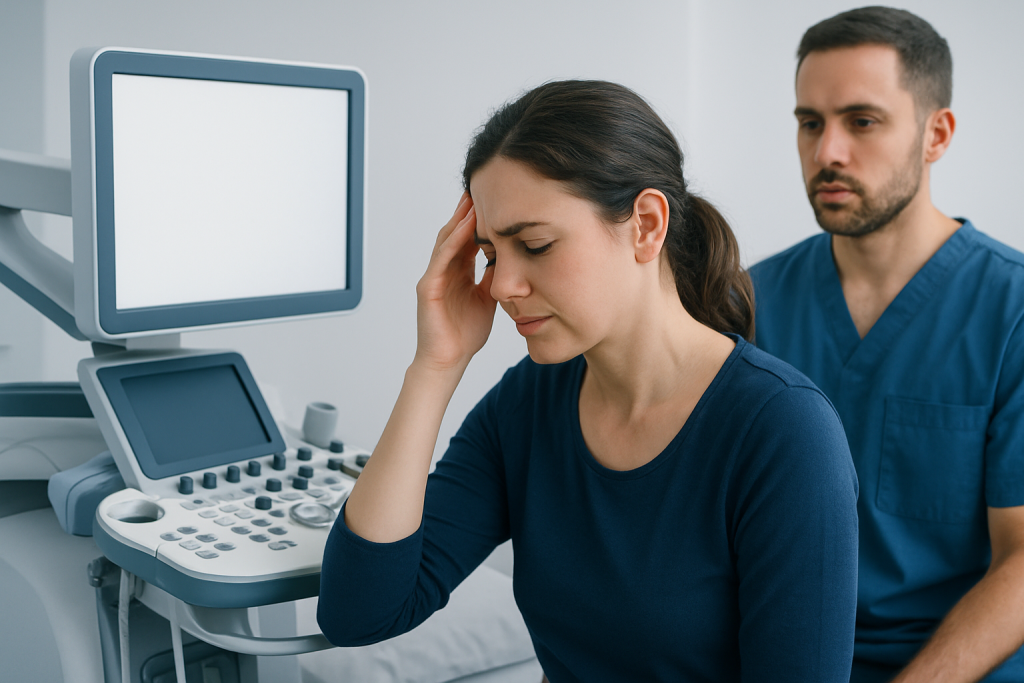
Visual symptoms are the most familiar form of aura. Some people see zigzag lines, flashing lights, shimmering edges, wavy shapes, or a bright area that slowly expands across the field of vision. Others notice a blind spot, tunnel-like vision, or a temporary loss of clarity in part of what they are seeing. These changes typically build over minutes rather than appearing all at once.
Aura can also involve the body’s sensory or language systems. Tingling often begins in one hand and may move up the arm or into the face. Some patients have numbness, difficulty speaking, or trouble finding the right word even though they know what they want to say. Less commonly, aura may include dizziness, imbalance, or weakness, which deserves especially careful medical assessment.
Typical aura symptoms tend to be temporary and reversible. They often last between a few minutes and about an hour, though the full migraine experience may continue longer. A helpful clue is the gradual spread of symptoms: unlike many emergency neurological problems, migraine aura often develops in a sequence rather than as a sudden, maximal change.
- Flashing lights or shimmering lines
- Blind spots or blurred vision
- Tingling or numbness
- Difficulty speaking or finding words
- Occasional dizziness or imbalance
Causes & Risk Factors

Migraine aura is believed to result from temporary changes in brain activity, blood flow, and signaling pathways involved in migraine. Researchers also describe a wave of altered electrical activity across the brain surface that may help explain why symptoms spread gradually from one region to another. The exact cause is not the same for every person, and migraine is best understood as a condition shaped by individual biology and sensitivity.
Certain factors can make aura more likely. Stress, disrupted sleep, dehydration, missed meals, intense sensory stimulation, some odors, and hormonal changes are common triggers reported by patients. Travel itself can also disrupt routines in ways that matter: jet lag, unfamiliar meal timing, long flights, and changes in caffeine intake may all influence migraine patterns.
Family history is important. People with relatives who have migraine are more likely to develop it themselves, and aura may be part of that inherited tendency. Other health conditions, smoking, and some medications can influence migraine risk or the need for a more detailed evaluation, especially when aura is first noticed later in life or changes suddenly.
Diagnosis
Doctors usually diagnose migraine aura by listening carefully to the symptom story. The timing, order, and duration of the symptoms are often more informative than a single test. A clinician may ask what the person saw or felt, how quickly it changed, whether one side of the body was affected, whether headache followed, and whether similar episodes have happened before.
In many cases, no imaging is needed if the pattern is clearly typical and the neurological examination is normal. However, brain scans or other tests may be recommended when aura is new, atypical, prolonged, associated with weakness, or occurring in someone with risk factors that raise concern for another neurological problem. This cautious approach is not meant to alarm patients; it is simply part of distinguishing migraine aura from conditions that need different treatment.
For international patients, records from previous doctors, a symptom diary, and any relevant imaging can be very helpful at the first appointment. Clear documentation of when symptoms started, how long they last, and what seems to trigger them can shorten the path to a confident diagnosis.
Treatment Options
Treatment for migraine aura depends on whether the goal is to stop an active attack, reduce the likelihood of future episodes, or both. Some patients mainly need a plan for acute attacks, while others benefit from preventive treatment if episodes are frequent, disabling, or hard to predict. The right approach is usually individualized rather than based on a single template.
During an episode, resting in a quiet, dim environment may help because light and noise often intensify migraine discomfort. A clinician may recommend migraine-specific medicines or other acute treatments depending on the patient’s overall health and the type of migraine they have. Preventive therapy may be considered when attacks are repeated, prolonged, or disruptive enough to affect work, travel, or family life.
Lifestyle measures are often part of the plan as well. Regular sleep, hydration, meal timing, stress reduction, and trigger awareness can make episodes less frequent for some patients. When a person is traveling for care, treatment planning should also consider how prescriptions will be continued after returning home, whether follow-up can be arranged remotely, and how to respond if symptoms change unexpectedly.
It is important not to self-treat repeatedly with over-the-counter pain medicines without medical guidance, especially if headaches become frequent. A doctor can help avoid medication-overuse headache and choose a safer long-term strategy.
Prevention & Self-care
Many patients find that migraine management becomes easier when they notice patterns rather than trying to remember each episode in isolation. A simple diary can track sleep, stress, meals, hydration, menstrual timing, exercise, travel, and screen exposure. Over time, these notes may reveal a personal pattern that is more useful than a generic list of triggers.
Practical self-care usually starts with routine. Going to bed and waking up at similar times, eating regularly, staying hydrated, and pacing intense work or travel days can reduce strain on the nervous system. Some people also benefit from limiting abrupt caffeine changes, using sunglasses outdoors, or taking breaks from bright screens when they notice early symptoms.
For people who travel across time zones or are arranging care abroad, preparation matters. Packing regular meals or snacks for long transit days, keeping medications in carry-on luggage, and planning quiet recovery time after appointments can reduce the chance that routine disruption contributes to an episode. A specialist can also help discuss whether preventive treatment is worth considering before a major trip or procedure.
- Keep a migraine diary for patterns and triggers
- Protect sleep and meal routines as much as possible
- Stay well hydrated, especially during travel
- Reduce sudden changes in caffeine intake
- Plan rest time after long flights or busy days
When to See a Doctor
Medical evaluation is recommended when aura symptoms are new, unusually frequent, last longer than expected, or feel different from a person’s previous migraines. It is also wise to seek advice if aura occurs for the first time later in adulthood, if the person has never had migraine before, or if the symptoms are not followed by the pattern they usually expect. These situations often call for a closer look, even when the cause still turns out to be migraine.
Urgent assessment is especially important if symptoms begin suddenly, include persistent weakness, cause confusion, affect only one side of the body in a striking way, or are accompanied by fainting, chest pain, or a Neurology May Be Urgently Needed" class="ahp-ilk">severe headache unlike prior attacks. These features do not automatically mean something serious is present, but they do require prompt medical attention so that the correct diagnosis is not delayed.
Patients who are considering treatment abroad may find it helpful to speak with a neurology team that can review prior records and coordinate follow-up after travel. Acibadem Health Point’s multidisciplinary specialists and JCI-accredited hospitals can diagnose and treat migraine aura for international patients, with care plans designed to support continuity after the visit.
Living With Migraine Aura
Living with migraine aura often becomes more manageable once the person recognizes the early signs and has a clear plan. That plan may include when to rest, which medicines to use, which triggers to avoid when possible, and when to contact a doctor. The goal is not to control every variable in daily life, but to reduce uncertainty and help patients respond calmly when symptoms appear.
Support from family, employers, or travel companions can make a real difference. Simple explanations about what aura looks like, how long it usually lasts, and when assistance is needed can reduce anxiety for everyone involved. For patients who move between countries or seek care away from home, written instructions and a follow-up plan are especially valuable.
With careful assessment and the right strategy, many people with migraine aura can continue normal activities, including work and travel, with fewer interruptions. The important step is to treat aura as a meaningful neurological symptom and bring it to a qualified doctor’s attention rather than trying to interpret it alone.
Frequently asked questions
01What is the main sign of migraine aura?
The most common sign is a temporary visual change such as flashing lights, zigzag lines, shimmering edges, or a blind spot. Some people also notice tingling, numbness, or difficulty speaking.
02How long does migraine aura usually last?
Aura often lasts from a few minutes to about an hour. If symptoms are much longer, very sudden, or different from a person’s usual pattern, medical review is recommended.
03Can migraine aura happen without a headache?
Yes, some people have aura without a headache afterward. Even then, the symptoms should still be evaluated if they are new or unusual.
04Is migraine aura dangerous?
Migraine aura itself is usually temporary and reversible, but it can look like other neurological conditions. That is why new or changing symptoms should be checked by a doctor.
05What triggers migraine aura?
Common triggers include stress, poor sleep, dehydration, skipped meals, hormonal changes, and travel-related routine disruption. Triggers differ from person to person, so a symptom diary can help identify individual patterns.
06How is migraine aura treated?
Treatment may include medicines for attacks, preventive therapy for frequent episodes, and lifestyle measures that reduce triggers. A doctor can help choose a plan based on the person’s symptoms and overall health.
This article is for general information only and is not a substitute for professional medical advice. Please consult a qualified doctor about your individual situation.
Explore treatments in Turkey — costs, top hospitals & a free quote
JCI-accredited · board-certified surgeons · reply within 24h
Add us as a Preferred Source to see more of our trusted health content across Google Search, AI Overviews and Discover.