Migraine Aura Without Headache: Is It Migraine or Something More Serious?
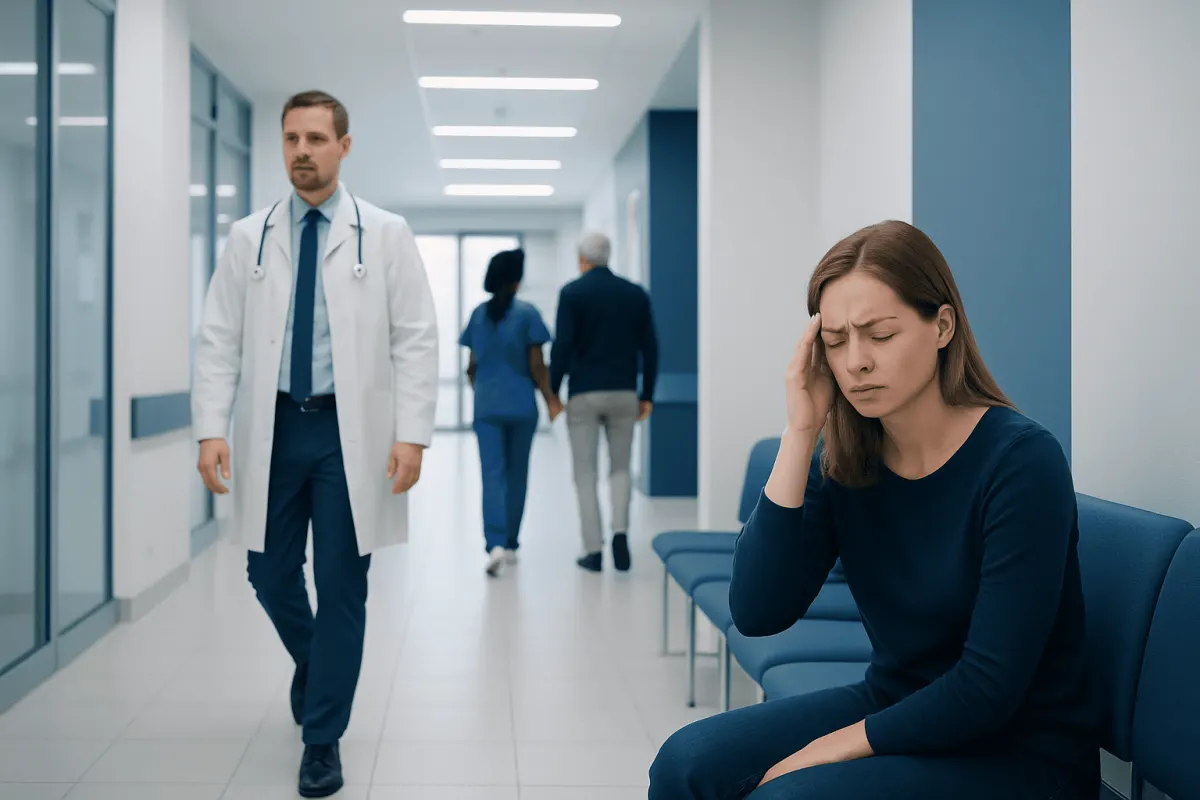
Migraine aura without headache, sometimes called silent migraine or acephalgic migraine, happens when typical migraine aura symptoms occur without the head pain phase. It is often benign, but a first episode or a change in pattern should be assessed because some symptoms can overlap with stroke or transient ischemic attack.
Overview
Migraine aura without headache is a form of migraine in which the nervous system changes of aura occur, but the typical migraine headache does not follow. Doctors may also call it silent migraine or acephalgic migraine. The aura phase can affect vision, sensation, language, and sometimes balance or thinking, which is why it can feel unsettling even when no pain appears.
Aura is caused by temporary changes in brain activity rather than damage to the brain. Many people describe flashing lights, zigzag lines, blind spots, tingling, numbness, or trouble finding words. These symptoms usually come on gradually, spread over several minutes, and then fade. For some people, migraine aura without headache happens rarely; for others, it may recur in a recognizable pattern.
The main concern is that some aura symptoms can resemble other neurological problems, especially stroke or transient ischemic attack. This is why a first episode, a sudden change in symptoms, or symptoms that do not fit a person’s usual pattern should never be ignored. A careful medical evaluation can help distinguish migraine aura from more serious conditions.
Symptoms
The most common symptoms are visual. A person may notice flashing lights, shimmering spots, zigzag or wavy lines, tunnel vision, or a blind spot that slowly enlarges. These visual changes often affect both eyes, although they may seem stronger on one side of the visual field. Some people also have sensory symptoms such as pins and needles that move up an arm or across the face.
Speech and language changes can also happen. A person may have difficulty finding words, speaking clearly, or understanding language for a short time. Less commonly, aura can cause dizziness, imbalance, or weakness-like symptoms, although true weakness needs urgent assessment because it may suggest another condition. Nausea, light sensitivity, or sound sensitivity may still occur even without head pain.
The time pattern is an important clue. Migraine aura usually builds gradually over 5 to 20 minutes and lasts less than 60 minutes, though some episodes can be longer. Symptoms often “march” from one area to another, such as tingling moving from the fingers to the face. This gradual spread differs from the abrupt onset that is more typical of some vascular events.
- Visual symptoms: flashing lights, zigzags, shimmering, blind spots
- Sensory symptoms: tingling, numbness, prickling sensations
- Language symptoms: trouble speaking or finding words
- Associated features: light sensitivity, sound sensitivity, mild nausea, fatigue
Causes and Risk Factors

Migraine aura is thought to result from a wave of altered electrical activity moving across the brain, followed by temporary changes in blood flow. This process can affect areas responsible for vision, sensation, or language, creating the symptoms of aura. Although the experience can feel dramatic, the symptoms are usually temporary and reversible.
Some people have a personal or family history of migraine, while others develop aura later in life. Triggers vary from person to person and may include stress, poor sleep, dehydration, skipped meals, hormonal changes, bright lights, certain foods, alcohol, and prolonged screen time. In some cases, no clear trigger is found.
Risk factors for concern are different from risk factors for migraine itself. If aura begins for the first time after middle age, happens with cardiovascular risk factors, or is associated with symptoms that are sudden and negative rather than spreading and positive, doctors may investigate more carefully for vascular causes. People with frequent migraine may benefit from specialist review in headache medicine to confirm the diagnosis and plan treatment.
How Doctors Tell It Apart From Stroke or Other Conditions
The question many people ask is whether migraine aura without headache is truly migraine or something more serious. The answer depends on the exact symptom pattern. Migraine aura usually produces positive symptoms, such as flashing lights or tingling, that gradually spread. In contrast, stroke or TIA more often causes sudden negative symptoms, such as loss of vision, loss of sensation, weakness, or trouble speaking that starts abruptly.
Even so, the distinction is not always simple, especially during a first episode. Other conditions can also mimic aura, including seizures, eye disorders, medication effects, low blood sugar, and less commonly structural brain problems. Headache disorders such as cluster headache or tension-type headache may cause head pain but do not usually create the classic spreading aura pattern.
Doctors also consider age, medical history, and associated risk factors. A person with atrial fibrillation, high blood pressure, diabetes, smoking history, or prior vascular disease may need a more urgent stroke-focused workup. If visual symptoms are prominent, assessment through neuro-ophthalmology evaluation may help determine whether the problem is coming from the eye, the optic pathways, or the brain.
Diagnosis
Diagnosis begins with a detailed description of the episodes. The doctor will ask what the person saw or felt, how quickly symptoms developed, how long they lasted, whether both sides were involved, and whether there were accompanying symptoms such as nausea, sensitivity to light, or confusion. A history of migraine, family history, medication use, and vascular risk factors are also important.
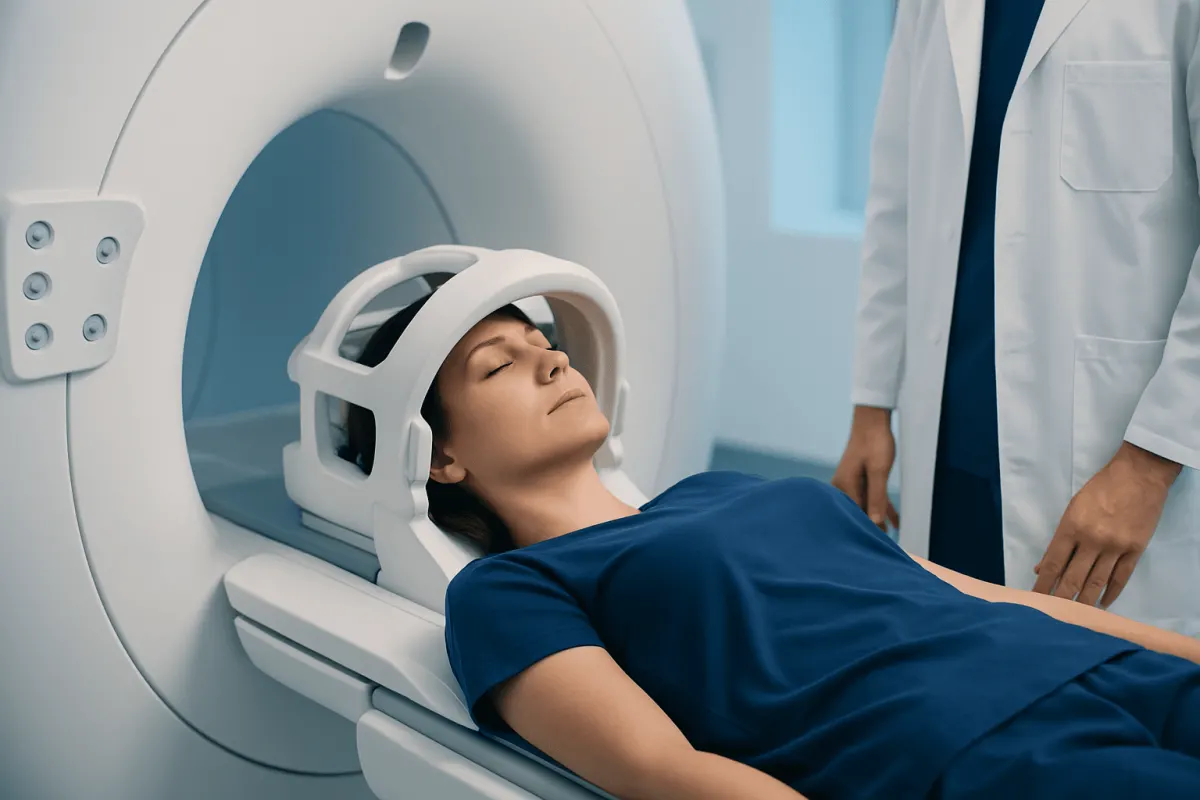
A neurological examination helps look for any ongoing problems after the episode has ended. Many people with typical recurrent aura and a reassuring exam may not need extensive testing every time, but imaging or other studies may be recommended when symptoms are new, atypical, prolonged, or concerning. Brain imaging, blood vessel imaging, and sometimes heart assessment may be used to rule out TIA, stroke, or other causes.
Depending on the situation, a doctor may request tests through advanced neuroradiology imaging or other neurological services. The goal is not only to confirm migraine but also to make sure another condition is not being missed. Once the pattern is established, many people feel reassured because they know what to watch for and when to seek urgent help.
Treatment Options
Treatment depends on how often the episodes occur, how disruptive they are, and whether the diagnosis is certain. If episodes are infrequent and short, treatment may focus on education, avoiding triggers, and keeping a symptom diary. Understanding the pattern can reduce anxiety and help both patient and doctor recognize whether future attacks are typical or unusual.
For people with frequent or bothersome aura, doctors may consider preventive migraine strategies. These can include lifestyle measures, management of sleep problems, and in some cases prescription medicines selected according to the person’s symptoms, age, and other health conditions. If episodes happen with other migraine features, treatment plans may overlap with care used for migraine more broadly, though therapy is individualized.
Some patients with difficult-to-control migraine symptoms may be evaluated for specialized approaches such as neuromodulation therapies when appropriate. Treatment should always be guided by a qualified clinician, especially because medications that are suitable for one person may not be suitable for another. The most important first step is making sure the diagnosis is correct.
Prevention, Self-care, and When to See a Doctor
Self-care centers on reducing common migraine triggers and supporting overall brain health. Regular sleep, good hydration, not skipping meals, limiting excess alcohol, and managing stress can all help. Some people find it useful to track episodes in a diary that notes timing, symptoms, possible triggers, menstrual cycle changes, foods, and sleep quality. This can reveal patterns that are otherwise easy to miss.
During an episode, it may help to stop driving, sit or lie down in a safe place, and wait for symptoms to pass. If visual aura is active, reading screens or trying to continue complex tasks may make the experience more difficult. If the person has been evaluated before and the symptoms are identical to prior diagnosed aura, resting in a calm, dim environment may be enough until it resolves.
Urgent medical care is needed if symptoms are sudden, reach maximum intensity immediately, last longer than usual, involve new weakness, fainting, severe confusion, chest pain, or occur for the first time. The same is true if symptoms appear after age 50 without prior migraine history or if they are clearly different from past episodes. Near the end of the diagnostic journey, some international patients seek care at Acıbadem Health Point, where multidisciplinary specialists in neurology at JCI-accredited hospitals evaluate and treat complex headache and aura disorders.
Frequently asked questions
01Can migraine aura happen without any headache at all?
Yes. In migraine aura without headache, the aura phase occurs but the head pain phase does not follow. A person may still experience visual changes, tingling, or speech difficulty for a short time without developing a migraine headache.
02How long does migraine aura without headache usually last?
Most aura symptoms develop gradually and last less than 60 minutes. Some people have shorter episodes, while others may have symptoms that linger longer, which is one reason a doctor may want to review the pattern carefully.
03What is the difference between migraine aura and a transient ischemic attack?
Migraine aura often starts gradually and may spread from one symptom to another, such as visual changes followed by tingling. A transient ischemic attack more often begins suddenly and may cause loss of function, such as abrupt weakness, numbness, or vision loss, so urgent evaluation is important if there is any doubt.
04Is migraine aura without headache dangerous?
It is often benign once the diagnosis is established, but it should not be self-diagnosed when symptoms are new or unusual. Because it can mimic stroke and other neurological conditions, proper medical assessment is important, especially for a first episode.
05Who should see a doctor right away?
Anyone with first-time symptoms, sudden onset, one-sided weakness, ongoing speech problems, fainting, severe confusion, or symptoms lasting much longer than usual should seek urgent care. People with cardiovascular risk factors or age over 50 at first onset should also be evaluated promptly.
06Can stress or lack of sleep trigger silent migraine?
Yes. Stress, poor sleep, skipped meals, dehydration, bright light, and hormonal changes are common migraine triggers for some people. Keeping a diary can help identify personal triggers and support prevention.
This article is for general information only and is not a substitute for professional medical advice. Please consult a qualified doctor about your individual situation.
Explore treatments in Turkey — costs, top hospitals & a free quote
JCI-accredited · board-certified surgeons · reply within 24h
Add us as a Preferred Source to see more of our trusted health content across Google Search, AI Overviews and Discover.