Middle Back Pain Left Side Hurts: Causes, Relief and When to Worry

Key Takeaways
- Pain on the left side of the middle back is commonly musculoskeletal, especially after lifting, twisting, long sitting, or poor posture.
- A careful history matters because pain from the spine, ribs, kidneys, lungs, or digestive organs can feel similar in the mid-back area.
- Most mild cases improve with rest, gentle movement, heat or ice, and posture changes, but persistent pain should be checked.
- Seek urgent care if the pain follows injury or comes with shortness of breath, chest pain, fever, weakness, numbness, or changes in urination.
- Diagnosis usually starts with a physical exam and may include imaging or other tests if the symptoms suggest a deeper cause.
- International patients often benefit from coordinated evaluation across orthopedics, imaging, and other specialties when the cause is not straightforward.
Middle back pain that hurts on the left side is often linked to muscle strain, posture, or irritation of the spine and ribs, but sometimes it can come from the kidneys, lungs, or digestive tract. Understanding the pattern of pain helps guide the next step, whether that means self-care, medical evaluation, or urgent assessment.
Overview
When someone searches for middle back pain left side hurts, the most important question is usually simple: what is actually causing the pain? In many cases, the answer is a muscle, joint, or posture problem in the thoracic spine or the ribs. But the middle back also sits close to organs such as the kidneys, lungs, and part of the digestive tract, so the source is not always purely orthopedic.
The middle back, or thoracic spine, spans the area between the neck and the lower back. Pain there can feel dull, sharp, burning, tight, or stabbing, and it may stay in one spot or spread toward the shoulder blade, rib cage, or flank. Left-sided discomfort is especially worth paying attention to because it can originate from the back itself or be referred from another structure nearby.
The good news is that most episodes are not dangerous. Still, the pattern, timing, and accompanying symptoms tell an important story. A person planning care from another city or country may also need a more structured evaluation, because a clear diagnosis can prevent unnecessary tests and help guide the right treatment from the start.
Symptoms
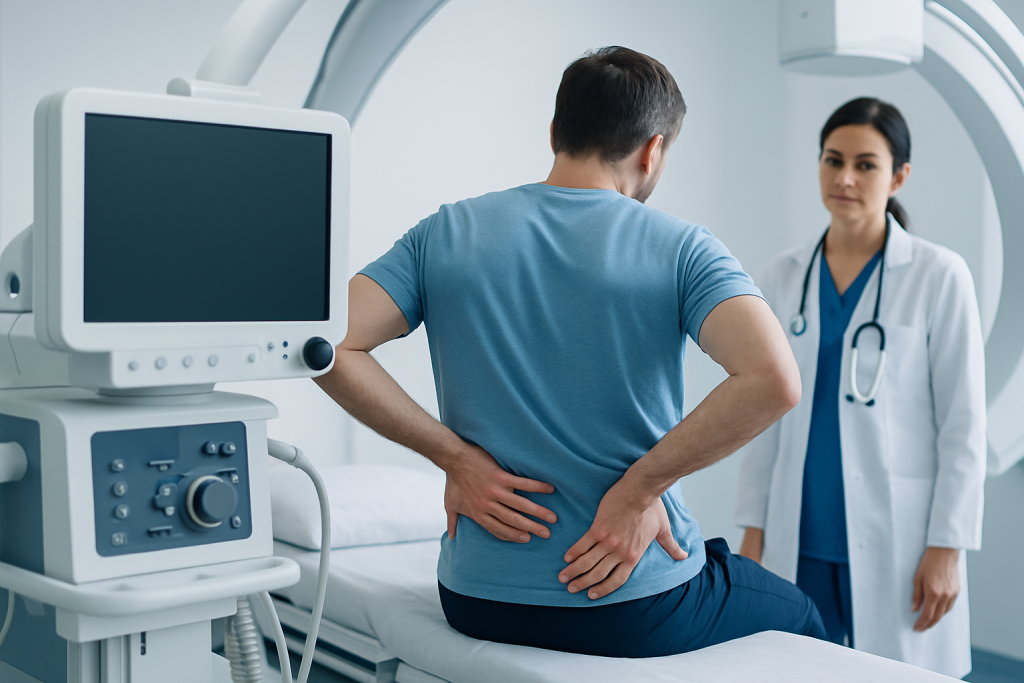
Mid-back pain on the left can show up in several ways. Some people notice a tight band of pain after sitting at a desk, driving, or carrying luggage. Others feel a sharper ache when they twist, reach overhead, breathe deeply, or lie in one position too long. Pain may be constant or come and go depending on activity.
Muscle-related pain often feels tender to touch and may improve with rest, heat, or gentle stretching. Pain from the ribs or joints between the ribs and spine may worsen with rotation or deep breathing. If a nerve is irritated, the discomfort can feel burning, shooting, or wrapped around the chest wall.
Other symptoms can suggest that the pain is not only from the spine or muscles. These may include:
- Fever or chills
- Shortness of breath
- Chest pressure or pain
- Nausea, vomiting, or abdominal pain
- Painful urination, blood in the urine, or flank pain
- Numbness, weakness, or trouble walking
The presence of these symptoms helps a clinician decide whether the problem is likely orthopedic or whether another system needs attention.
Causes & Risk Factors

One of the most common causes of left-sided middle back pain is muscle strain. This can happen after lifting something awkwardly, sudden twisting, repetitive work, or even a long day of poor posture. The thoracic muscles and the small joints connecting the ribs and spine can become irritated and painful.
Spinal and rib-related causes are also common. These include thoracic facet joint irritation, costovertebral joint dysfunction, degenerative changes, scoliosis, and less commonly a disc problem in the thoracic spine. Poor core strength, limited mobility, and prolonged sitting can make these issues more noticeable.
Not all left-sided middle back pain comes from the musculoskeletal system. Kidney stones or kidney infection can cause flank or back pain that is felt in this region. Lung or pleural irritation, such as pneumonia or pleurisy, may cause pain that worsens with breathing. Digestive causes, including acid-related irritation or gallbladder issues, can sometimes refer discomfort toward the back. Risk factors include heavy physical work, deconditioning, smoking, chronic cough, obesity, previous back injury, and jobs or travel routines that involve long hours seated.
Diagnosis
Diagnosis usually begins with a detailed discussion of the pain: when it started, what makes it better or worse, whether it follows activity or injury, and what other symptoms are present. A physical examination can help identify tender muscles, limited motion, rib pain, spinal stiffness, or signs that the pain pattern may not be coming from the back itself.
If the presentation looks straightforward, a clinician may diagnose a muscle strain or joint irritation without extensive testing. However, if the pain persists, is severe, follows trauma, or comes with red-flag symptoms, further evaluation may be recommended. This may include X-rays, MRI, or CT scans when a bone, disc, or nerve problem is suspected, or lab tests and urine tests if infection or kidney disease is possible.
For international patients, a coordinated diagnostic pathway can be especially helpful. In some situations, an orthopedist, radiologist, internist, or other specialist may need to review the same case to avoid delays and make sure the plan fits the likely cause of the pain rather than treating only the symptom.
Treatment Options
Treatment depends on the cause, but many mild musculoskeletal cases improve with conservative care. Short periods of relative rest, gentle movement, heat or ice, and posture correction are often first steps. Staying lightly active is usually better than prolonged bed rest, because the thoracic spine tends to stiffen quickly.
Physical therapy can be valuable when the pain is related to posture, joint stiffness, muscle imbalance, or movement mechanics. A therapist may focus on mobility, core and upper back strength, breathing mechanics, and safe ways to return to lifting or sports. Manual therapy or supervised exercises may be used when appropriate.
Other treatments depend on the diagnosis. A kidney infection needs medical treatment, a fracture may need immobilization or further orthopedic care, and a nerve-related problem may require different medicines or specialist follow-up. Over-the-counter pain relievers may help some people, but they are not suitable for everyone, especially those with stomach, kidney, blood pressure, or bleeding concerns. A qualified doctor should guide medication choices.
Prevention & Self-care
Many people can lower the chances of recurring middle back pain by paying attention to daily movement patterns. Regular breaks from sitting, screen-height adjustments, and chair support can reduce strain on the thoracic spine. When lifting, keeping the load close and avoiding sudden twisting can protect the left side of the back as well as the rest of the spine.
Simple self-care habits often make a difference:
- Use a warm compress for tight, achy muscles
- Walk or stretch gently rather than staying still for long periods
- Strengthen the upper back, core, and shoulder stabilizers gradually
- Manage coughing or repetitive strain when possible
- Keep a healthy sleep setup with a supportive mattress and pillow arrangement
Travel can make back pain harder to ignore, especially after long flights, carrying luggage, or sleeping in unfamiliar beds. For patients who are preparing to travel for evaluation or treatment, planning movement breaks, hydration, and comfortable clothing can help reduce flare-ups before and after the appointment.
When to See a Doctor
Medical assessment is a good idea when the pain lasts more than a short period, keeps returning, or interferes with sleep, work, breathing, or daily movement. Pain that follows an injury, falls, or a sudden force should also be checked, even if it initially seems manageable.
Urgent evaluation is important if left-sided middle back pain comes with chest pain, shortness of breath, fainting, fever, weakness, numbness, trouble controlling the bladder or bowels, or a major change in urination. These symptoms do not automatically mean something severe, but they do deserve prompt attention because they can point to a non-musculoskeletal cause.
People who are unsure where to start may benefit from seeing an orthopedic specialist or a doctor familiar with back pain triage. Acibadem Health Point’s multidisciplinary specialists and JCI-accredited hospitals diagnose and treat this condition for international patients, which can be helpful when the cause is not obvious and more than one system may need review.
Living With and Recovering From Middle Back Pain
Recovery is usually smoother when the cause is identified early and the pain is not pushed through without guidance. Many patients do well with a stepwise plan: first calm the symptoms, then restore motion, and finally return to normal lifting, exercise, and work demands in a controlled way. That approach is often more sustainable than trying to “rest it away” completely.
If the pain is linked to posture, repetitive work, or travel, small changes can have a lasting impact. Adjusting luggage habits, taking standing breaks, and rebuilding upper-back endurance can prevent the same left-sided pain from returning after the trip or after long workdays. For people managing ongoing symptoms across borders, carrying copies of imaging and clinic notes can also make follow-up much easier.
Most importantly, middle back pain should be treated as a symptom rather than a diagnosis. Once the cause is known, treatment becomes more precise, safer, and usually more effective.
Frequently asked questions
01Is middle back pain on the left side usually serious?
Not usually. In many people, it comes from muscles, posture, or irritated joints around the spine and ribs. It becomes more concerning when it is severe, persistent, or accompanied by symptoms such as fever, shortness of breath, numbness, or urinary changes.
02How can a person tell if the pain is muscular?
Muscle-related pain often gets worse with movement, twisting, or pressing on the sore area, and it may ease with rest, heat, or gentle stretching. Even so, similar symptoms can occur with joint or rib problems, so persistent pain should still be assessed.
03Can kidney problems cause pain in the middle back on the left?
Yes. Kidney infection or kidney stones can sometimes cause pain that is felt in the flank or middle back area. If the pain is paired with fever, nausea, burning urination, or blood in the urine, medical evaluation is important.
04What helps most with mild left-sided middle back pain?
Gentle movement, posture correction, and short-term use of heat or ice often help. A clinician may also recommend physical therapy or other treatment based on the underlying cause.
05Should imaging always be done for this type of pain?
No. Many cases can be diagnosed with history and physical examination alone. Imaging is usually reserved for pain that is severe, persistent, associated with trauma, or accompanied by warning signs.
06When should someone seek urgent care?
Urgent care is appropriate if the pain comes with chest pain, trouble breathing, fever, weakness, numbness, fainting, or changes in bladder or bowel control. These symptoms need prompt assessment because they may indicate a problem beyond routine back strain.
This article is for general information only and is not a substitute for professional medical advice. Please consult a qualified doctor about your individual situation.
Joint and spine care in Turkey — expert assessment & treatment
JCI-accredited · board-certified surgeons · reply within 24h
Add us as a Preferred Source to see more of our trusted health content across Google Search, AI Overviews and Discover.