Microtia: Symptoms, Causes and Treatment

Key Takeaways
- Microtia affects the outer ear and can range from a small, misshapen ear to a nearly absent ear.
- A hearing check is important because microtia may occur with differences in the ear canal or middle ear.
- Treatment depends on ear shape, hearing status, age, and family goals.
- Reconstructive options may include surgery, prosthetic ears, or a combination of approaches.
- Early coordination with pediatric, ENT, hearing, and reconstructive specialists helps families plan confidently.
Microtia is a congenital difference in which one or both outer ears do not develop fully before birth. Care is individualized and may include hearing evaluation, observation, prosthetic support, or reconstructive surgery depending on the child’s needs.
Overview
Microtia is a congenital condition in which the outer ear, also called the auricle or pinna, does not form typically during pregnancy. One ear may be affected or, less commonly, both ears may be involved. The appearance can vary widely, from a smaller ear with a defined shape to a very underdeveloped ear with little visible structure.
For families, the first concern is often how the ear looks. Just as important is the question of hearing. Microtia can occur by itself, but it may also be linked with narrowing or absence of the ear canal and with changes in the middle ear. That is why care is usually planned as more than a cosmetic decision; it often brings together hearing specialists, pediatricians, and reconstructive surgeons.
Many children with microtia grow, learn, and communicate well with the right support. The best plan is individual, because each child’s anatomy, hearing, age, and family priorities shape the options. In international-patient care, this often means arranging a clear diagnosis, a practical treatment timeline, and follow-up that can continue after the family returns home.
Symptoms
The most visible sign of microtia is an outer ear that is smaller or differently shaped than expected. In some children, the ear still has recognizable structures, while in others the ear may be very small or appear as a skin-and-cartilage remnant. The condition may be noticed immediately after birth during the newborn exam.
Hearing-related symptoms may or may not be obvious at first. If the ear canal is narrow or absent, sound conduction on that side can be reduced. A child may turn one ear toward sounds, seem less responsive on one side, or have difficulty hearing in noisy places. When only one ear is affected, children often compensate well, so hearing concerns may be subtle.
- Small, underdeveloped, or misshapen outer ear
- Absent or narrow ear canal on the same side
- Possible one-sided hearing loss
- Occasional imbalance if the inner ear is also involved
Microtia is often described in grades or types based on how much the ear has developed. These labels help clinicians discuss treatment, but they do not predict a child’s future abilities on their own.
Causes & Risk Factors

Microtia develops early in pregnancy, while the structures of the ear are forming. In many children, no single cause is identified. It is usually considered a multifactorial condition, meaning genetics, early developmental processes, and sometimes environmental influences may all play a role.
Some cases occur on their own, while others are part of a broader pattern or syndrome. Because the ear develops alongside other head and neck structures, specialists may look for related findings involving the jaw, facial bones, kidneys, spine, or spine alignment when the medical picture suggests it.
Factors that may be associated with a higher chance of microtia include:
- A family history of ear differences or related congenital conditions
- Some genetic syndromes or craniofacial conditions
- Maternal diabetes or certain pregnancy-related health factors
- Exposure to some medications or substances during pregnancy, depending on timing and context
Most parents should not assume they caused microtia. In many families, the condition appears without a clear explanation, and the focus then shifts to careful evaluation and supportive planning.
Diagnosis
Microtia is usually diagnosed soon after birth by physical examination. A clinician examines the outer ear, checks the ear canal if possible, and looks for any other signs that might suggest a broader developmental condition. The newborn hearing screen often provides the first clue that the affected side may need closer testing.
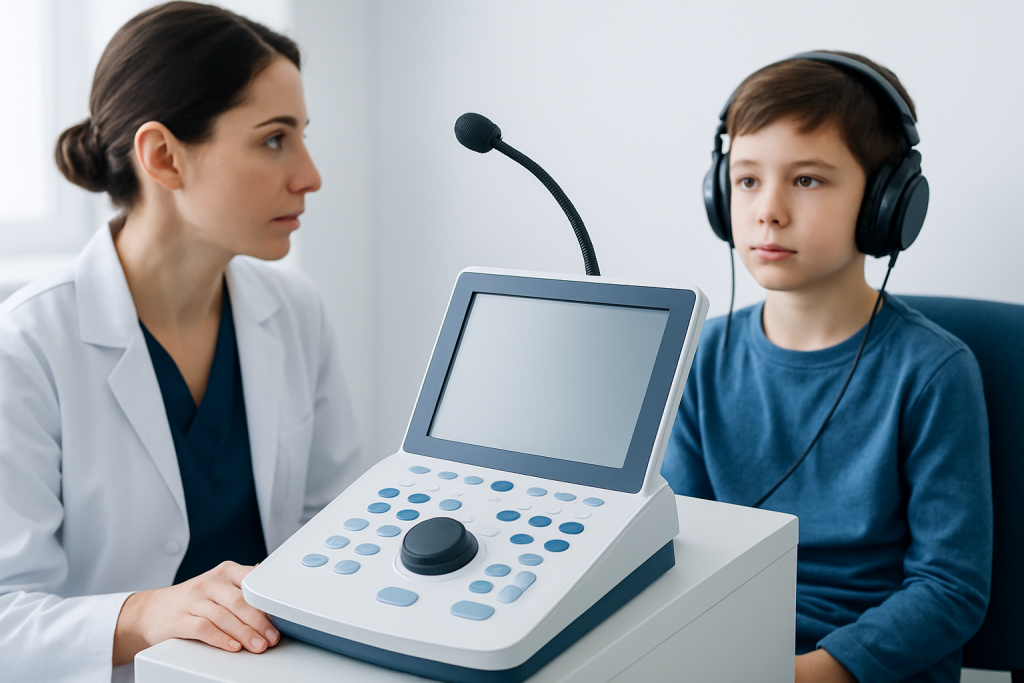
Because hearing can be affected even when the visible difference seems mild, formal hearing assessment is an important part of evaluation. Depending on the child’s age, this may include tests that measure how sound travels through the ear and how the auditory system responds. Imaging studies may be recommended later to understand the ear canal, middle ear bones, and anatomy relevant to surgery or hearing devices.
In some situations, additional evaluations are useful, especially if microtia is part of a syndrome or occurs with other findings. These may include a pediatric examination, facial and jaw assessment, and sometimes kidney or genetic evaluation. The goal is not to overwhelm families, but to build a complete picture so care decisions are well informed.
Treatment Options
Treatment for microtia is tailored to the child rather than to the appearance alone. For some children, the main issue is hearing support. For others, the central question is reconstructing the outer ear. Many families eventually consider both, often in a staged plan that unfolds over several years.
If hearing on the affected side is reduced, options may include a bone-conduction hearing device or another hearing rehabilitation strategy recommended by an ENT or audiology team. These devices help transmit sound around the outer or middle ear pathway. The best choice depends on anatomy, the child’s age, and how the family prefers to manage daily use.
Reconstructive options generally fall into a few categories:
- Autologous reconstruction: using the child’s own cartilage, usually at a later age when there is enough material and growth is further along
- Alloplastic reconstruction: using a framework made from a synthetic material placed by a reconstructive surgeon
- Prosthetic ear: an external ear prosthesis, which can be a good option for some children, teens, or adults
Timing matters. Surgery is usually planned after a thoughtful discussion of ear size, rib cartilage development if autologous reconstruction is considered, school and social factors, and family expectations. Some children need only one focused procedure, while others benefit from a sequence of treatments. The most useful plan is the one that balances safety, appearance, hearing, and long-term comfort.
Prevention & Self-care
Microtia itself cannot usually be prevented, because it develops very early in pregnancy. Still, families can take practical steps that support healthy decision-making. During pregnancy, routine prenatal care and discussion of medication use with an obstetric clinician are sensible measures. When there is a family history of ear or craniofacial differences, genetic counseling may help parents understand recurrence risk and prenatal options.
After birth, self-care is mostly about steady follow-through. Families benefit from keeping hearing appointments, learning how any device should be worn or cleaned, and watching for skin irritation around prosthetic or device sites. If surgery is planned, preparing for recovery in advance can make travel and postoperative care easier, especially for international families coordinating visits across borders.
Emotional support matters too. Children may notice that one ear looks different, particularly as they start school. Calm, age-appropriate explanations and a supportive medical team can help children feel confident. Parents also benefit from clear, realistic information, because uncertainty is often harder than the diagnosis itself.
When to See a Doctor
A doctor should evaluate any baby born with a visibly small or different-looking ear. Early assessment is especially helpful if the ear canal seems closed, if a newborn hearing screen is not passed, or if the child has any other unusual physical findings. Prompt review allows the care team to protect hearing development and plan next steps without unnecessary delay.
Families should also seek medical advice if a child with microtia seems to miss sounds on one side, struggles in class, or has recurrent ear or skin problems related to devices or prostheses. These issues do not always mean something serious is wrong, but they are useful signals that the plan may need adjusting.
For families traveling from another country, it is helpful to arrange a single visit that includes ENT, audiology, and reconstructive consultation when possible. At Acibadem Health Point, multidisciplinary specialists and JCI-accredited hospitals can evaluate and treat microtia for international patients in a coordinated way, helping families move from diagnosis to a practical care plan with clear follow-up.
Living With Microtia
Living with microtia is often less about a single treatment and more about an evolving journey. The needs of an infant, a school-age child, a teenager, and an adult can look very different. A good care team revisits the plan over time, especially as hearing needs, cosmetic preferences, and daily routines change.
Some families prioritize hearing support first. Others want to discuss reconstruction before school age or later in adolescence, when the child can participate more directly in the decision. There is no universally correct timeline. What matters is that the child is followed by clinicians who understand both the medical and emotional sides of ear difference.
With the right information, microtia can be managed in a thoughtful, low-drama way. The condition may be visible, but it does not define the child’s abilities or future. Good care aims to protect hearing, support self-esteem, and give families a clear path forward.
Frequently asked questions
01Is microtia the same as hearing loss?
Not exactly. Microtia describes the outer ear’s development, while hearing loss refers to how well sound is heard. Some children with microtia have normal hearing, but others have reduced hearing on the affected side, so formal testing is important.
02Can microtia be treated?
Yes, though treatment depends on the child’s anatomy and family goals. Options may include hearing support, reconstructive surgery, or a prosthetic ear. Many children benefit from a combination of approaches over time.
03What causes microtia during pregnancy?
In many cases, no single cause is found. It is usually considered a multifactorial developmental condition, and parents should not assume they did anything wrong. A doctor may explore family history or associated conditions if needed.
04At what age is ear reconstruction done?
The timing varies by technique and the child’s growth. Some approaches are planned later in childhood, while others may be discussed in the school-age years or adolescence. A reconstructive surgeon can explain the safest timing for the child’s situation.
05Does every child with microtia need surgery?
No. Some children do well with hearing support alone, and some families choose a prosthetic ear instead of surgery. The decision depends on hearing, anatomy, age, and the child’s and family’s preferences.
06Should other health problems be checked too?
Sometimes, yes. If microtia appears with other findings, clinicians may look for related differences in the jaw, face, kidneys, or spine. This is done to make sure no important associated condition is missed.
This article is for general information only and is not a substitute for professional medical advice. Please consult a qualified doctor about your individual situation.
Explore treatments in Turkey — costs, top hospitals & a free quote
JCI-accredited · board-certified surgeons · reply within 24h
Add us as a Preferred Source to see more of our trusted health content across Google Search, AI Overviews and Discover.