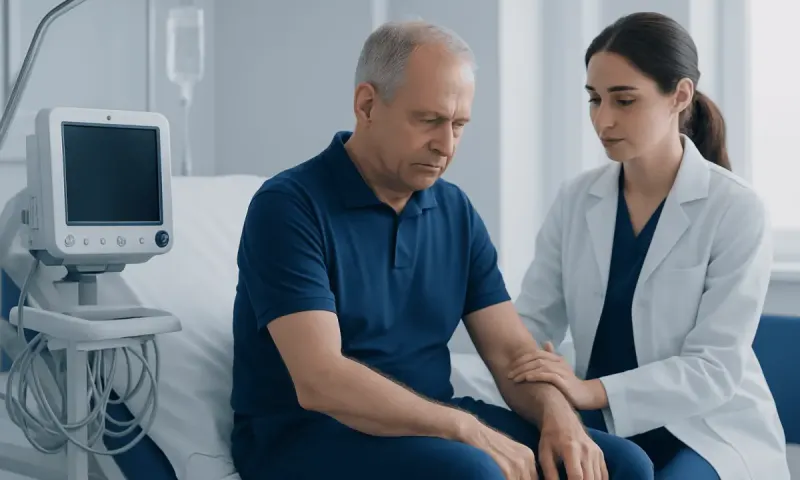
Mesothelioma Treatment Centers: Choosing Specialist Care
The best mesothelioma treatment centers in 2025 or 2026 are those with a dedicated multidisciplinary team, experience with this rare cancer, access to modern systemic therapies and clinical trials, and strong supportive care. There is no single best hospital for every person; the safest choice depends on the mesothelioma type, stage, overall health, treatment goals, location, and the team’s expertise.
Overview: How to Choose a Mesothelioma Treatment Center Safely
For people searching for the best mesothelioma treatment centers in 2025 or 2026, the most useful answer is to look for a center with proven expertise in this uncommon cancer rather than relying on a single published ranking. Mesothelioma is complex, and treatment decisions often require input from several specialists. A center should be able to assess the individual diagnosis carefully, explain the likely benefits and limits of each option, and support the person throughout treatment.
Mesothelioma most often affects the lining around the lungs, called pleural mesothelioma. Less commonly, it develops in the lining of the abdomen, called peritoneal mesothelioma. These forms can behave differently and may require different treatment plans. A specialist team can review the tissue diagnosis, imaging, symptoms, general health, and personal priorities before recommending care.
A good starting point is to ask whether the hospital has a regular multidisciplinary tumor board for thoracic or peritoneal cancers. In this setting, medical oncologists, surgeons, radiation oncologists, radiologists, pathologists, respiratory specialists, palliative-care clinicians, nurses, and other professionals review cases together. This approach helps ensure that treatment is coordinated rather than focused on only one specialty.
What Is the Best Hospital for Mesothelioma?
There is no single hospital that is objectively the best for every person with mesothelioma. The right center is one that has appropriate experience with the individual’s type of mesothelioma and can offer evidence-based care tailored to the person’s circumstances. For some patients, a nearby cancer center that works closely with a mesothelioma referral center may be a practical and safe arrangement.
When comparing hospitals, patients may ask how frequently the team treats mesothelioma, whether diagnosis is reviewed by an experienced pathologist, and whether a multidisciplinary team discusses treatment recommendations. It is also reasonable to ask which surgical procedures, systemic therapies, radiation techniques, symptom-management services, rehabilitation programs, and clinical trials are available.
Clear communication is another essential quality. The clinical team should explain the purpose of each recommended treatment, possible side effects, alternatives, and what may happen without treatment. A center should welcome questions and support a second opinion when desired. The most suitable choice is often the one that combines specialist expertise with accessible follow-up and a care plan that fits the patient’s values.
- Ask whether the center treats pleural and/or peritoneal mesothelioma regularly.
- Request expert review of biopsy samples and imaging before major treatment decisions.
- Ask if the team includes surgeons, medical oncologists, radiation oncologists, and supportive-care clinicians.
- Discuss eligibility for research studies and how travel or local follow-up would be managed.
Diagnosis and Features of a High-Quality Care Pathway

A reliable treatment plan begins with an accurate diagnosis. Mesothelioma can resemble other cancers or noncancerous conditions on imaging, so a biopsy is usually needed to confirm it. Pathology testing may include immunohistochemical stains and other specialized assessments to distinguish mesothelioma from cancers that have spread to the lining of the lung or abdomen.
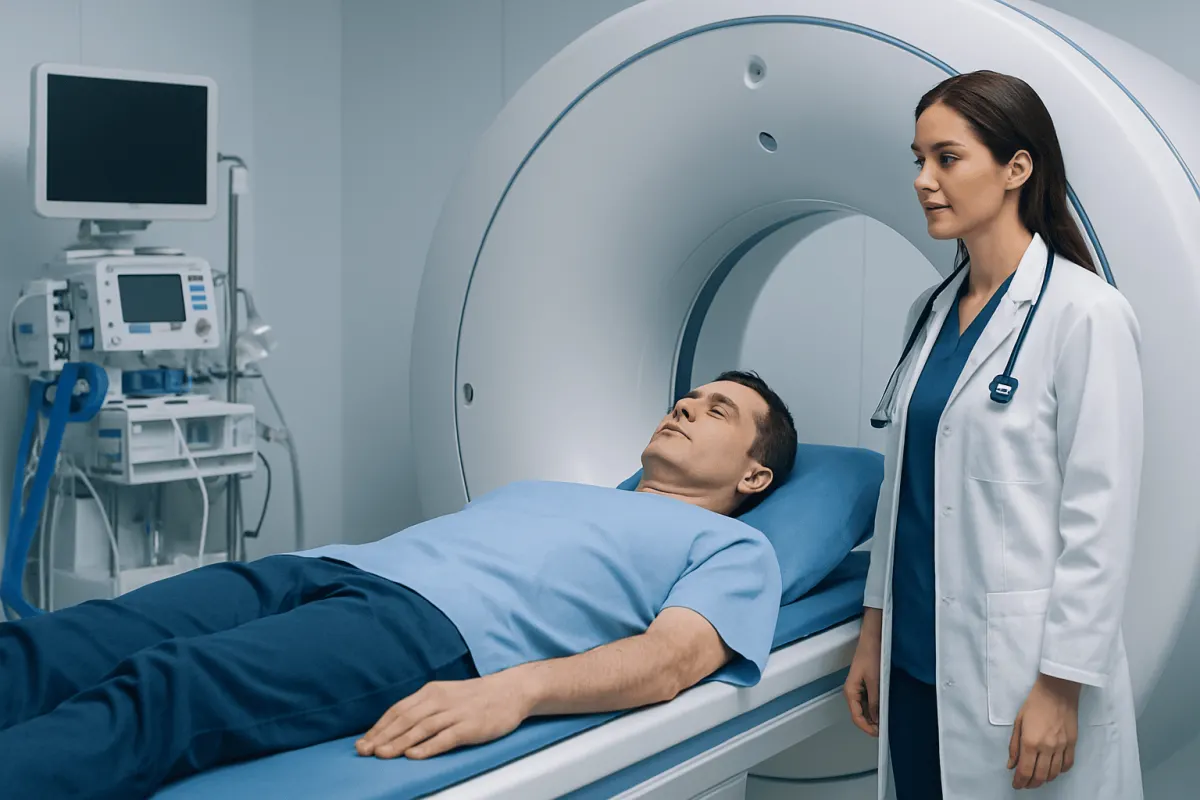
After diagnosis, imaging helps determine the location and extent of disease. Depending on the situation, this may include computed tomography, positron emission tomography, magnetic resonance imaging, or additional procedures to examine the chest or abdomen. Staging is important, but it is not the only factor: symptoms, lung or heart function, nutritional status, and everyday functioning also influence treatment choices.
Patients may benefit from learning about mesothelioma and preparing key records before a specialist consultation. Useful records typically include pathology reports, biopsy slides or tissue blocks when available, imaging discs and reports, procedure notes, a medication list, and a summary of prior treatment. Having this information available can reduce delays and make a second opinion more informative.
What Are the Newest Treatments for Mesothelioma?
Recent advances have expanded systemic treatment options for some people with mesothelioma. Immunotherapy uses medicines that help the immune system recognize and respond to cancer cells. Immune checkpoint inhibitors, sometimes used in combination, are established options for selected patients with unresectable pleural mesothelioma, depending on the tumor type, previous treatment, local approvals, and a person’s health.
Chemotherapy remains an important treatment for many patients. It may be used alone, in combination with other approaches, before or after selected surgery, or to control cancer that cannot be removed. For some patients, a medicine that targets blood-vessel growth may also be considered alongside chemotherapy. The clinical team will consider kidney function, other health conditions, expected side effects, and treatment goals.
Surgery may be appropriate for a carefully selected group of patients, usually as part of a broader plan. Operations can aim to remove visible disease, reduce tumor burden, or relieve symptoms such as fluid buildup. Radiation therapy may help control specific areas of disease or reduce pain and other symptoms. Modern planning methods can help direct radiation more precisely, although suitability depends on the disease location and nearby organs.
Clinical trials continue to evaluate newer immunotherapy combinations, targeted treatments, cell-based approaches, vaccines, and treatment strategies delivered around surgery. A trial may be appropriate for some people, but it is not automatically better than standard care. Patients should ask about the study’s purpose, possible benefits and risks, extra visits or tests, and available alternatives. Cancer immunotherapy may be discussed as part of an individualized treatment plan.
Are They Close to a Cure for Mesothelioma?
Mesothelioma remains challenging to cure, particularly when it has spread beyond its original area. At present, there is no universal cure for advanced mesothelioma. However, treatment has improved over time, and some people can experience meaningful disease control, symptom relief, and longer survival with carefully selected therapies.
In a smaller group of patients with disease that appears limited and who are well enough for intensive treatment, a multimodal approach may be considered. This can involve surgery combined with systemic therapy and, in some circumstances, radiation therapy. Even after aggressive treatment, close monitoring is necessary because mesothelioma can return.
It is understandable to seek hopeful developments, but it is important to view claims of a cure cautiously. A trustworthy specialist will discuss what is known from clinical evidence, what remains uncertain, and whether a clinical trial may be suitable. Supportive and palliative care can be provided alongside cancer-directed treatment at any stage and is focused on quality of life, symptom control, and practical support.
How Long Can You Live With Untreated Mesothelioma?
Without cancer-directed treatment, mesothelioma often progresses over months, but the time course varies widely from person to person. It depends on whether the disease is pleural or peritoneal, the tumor cell type, how extensive it is at diagnosis, the rate of progression, and the person’s general health. No online estimate can predict an individual outcome accurately.
Untreated pleural mesothelioma may increasingly cause breathlessness, chest discomfort, cough, fatigue, weight loss, or recurrent fluid around the lungs. Peritoneal mesothelioma may cause abdominal swelling, pain, changes in appetite, nausea, or bowel symptoms. These problems can sometimes be relieved even if a person decides not to have intensive cancer treatment.
Choosing not to pursue chemotherapy, immunotherapy, surgery, or radiation does not mean choosing no care. Symptom-focused care can include drainage of troublesome fluid, pain management, nutrition support, breathing support, psychological care, and palliative-care services. Early discussions about priorities can help the care team provide treatment that respects the person’s wishes.
When to Seek Medical Care
Anyone with ongoing or worsening breathlessness, chest pain, a persistent cough, unexplained fatigue, abdominal swelling, abdominal pain, or unintentional weight loss should arrange a medical assessment. These symptoms are common and can have many causes, but they deserve evaluation when they persist or interfere with daily life, especially in someone with known asbestos exposure.
Urgent medical attention is appropriate for severe shortness of breath, new confusion, coughing up blood, severe chest pain, fainting, or symptoms that rapidly worsen. These symptoms can result from several conditions and need prompt clinical assessment.
People diagnosed with mesothelioma may wish to ask for referral to a specialist center before beginning a major treatment plan, particularly if surgery is being considered. Acıbadem Health Point’s multidisciplinary specialists and JCI-accredited hospitals diagnose and treat mesothelioma for international patients, with care decisions guided by individual clinical evaluation. Medical oncology care and supportive services can help patients understand and manage the full range of treatment options.
Frequently asked questions
01How do I choose among the best mesothelioma treatment centers in 2025 or 2026?
Look for a center with experience in mesothelioma, expert pathology review, multidisciplinary treatment planning, and access to appropriate systemic therapies, surgery, radiation, and supportive care. Ask whether clinical trials are available and how the team coordinates follow-up if travel is required. A second opinion can help clarify options before starting a major treatment.
02Should every person with mesothelioma have surgery?
No. Surgery is not suitable for everyone and is generally considered only after careful assessment of the disease extent, mesothelioma type, overall health, and treatment goals. For many people, systemic treatment and symptom-directed care may be more appropriate.
03Can immunotherapy cure mesothelioma?
Immunotherapy can help control mesothelioma for some patients, but it is not considered a guaranteed cure. Its potential benefits and risks vary by disease type, stage, previous treatment, and individual health. A medical oncologist can explain whether it is an appropriate option.
04Why is a pathology review important in mesothelioma?
Mesothelioma is rare and can look similar to other cancers or conditions. Review by a pathologist experienced in thoracic or abdominal tumors helps confirm the diagnosis and identify the cell type. This information can directly affect treatment recommendations.
05Is a clinical trial safe for mesothelioma?
Clinical trials follow formal protocols and ethical oversight, but all treatments can have risks and uncertain benefits. Before enrolling, patients should receive clear information about the study treatment, possible side effects, visits, tests, costs that may not be covered, and standard-care alternatives. Participation is voluntary.
06Can palliative care be used while receiving mesothelioma treatment?
Yes. Palliative care can be provided alongside chemotherapy, immunotherapy, surgery, or radiation. It focuses on symptoms such as pain, breathlessness, fatigue, appetite changes, and emotional stress, while also supporting practical decision-making.
This article is for general information only and is not a substitute for professional medical advice. Please consult a qualified doctor about your individual situation.
Oncology care in Turkey — second opinion and treatment plan
JCI-accredited · board-certified surgeons · reply within 24h
Add us as a Preferred Source to see more of our trusted health content across Google Search, AI Overviews and Discover.