Mental Health Stigma: Why It Delays Treatment and How to Respond

Mental health stigma can make people hide symptoms, avoid asking for help, or stop treatment early. Understanding how stigma works and how to respond can support earlier care, better outcomes, and more compassionate conversations.
Overview: What Mental Health Stigma Means
Mental health stigma refers to negative beliefs, attitudes, or behaviors directed toward people who have mental health symptoms or diagnoses. It may appear as stereotypes such as believing a person is weak, dangerous, unreliable, or responsible for their condition. In reality, mental health conditions are medical conditions influenced by many factors, including biology, life experiences, stress, and social environment.
Stigma can come from society, families, workplaces, schools, healthcare settings, or from within the person themselves. When someone begins to accept these negative messages, it is often called self-stigma. Self-stigma can lead to shame, secrecy, low self-esteem, and reluctance to seek care even when symptoms are affecting daily life.
Many common conditions can be affected by stigma, including depression, anxiety-related disorders, bipolar disorder, trauma-related conditions, and substance use disorders. The effects are not only emotional. Stigma can influence whether a person asks for help, attends appointments, continues therapy, or takes prescribed medication as directed.
Reducing stigma does not mean ignoring the seriousness of mental health symptoms. Instead, it means approaching them in the same practical and compassionate way that any other health concern would be addressed. This shift can make it easier for people to speak up earlier and receive appropriate support.
How Stigma Delays Treatment
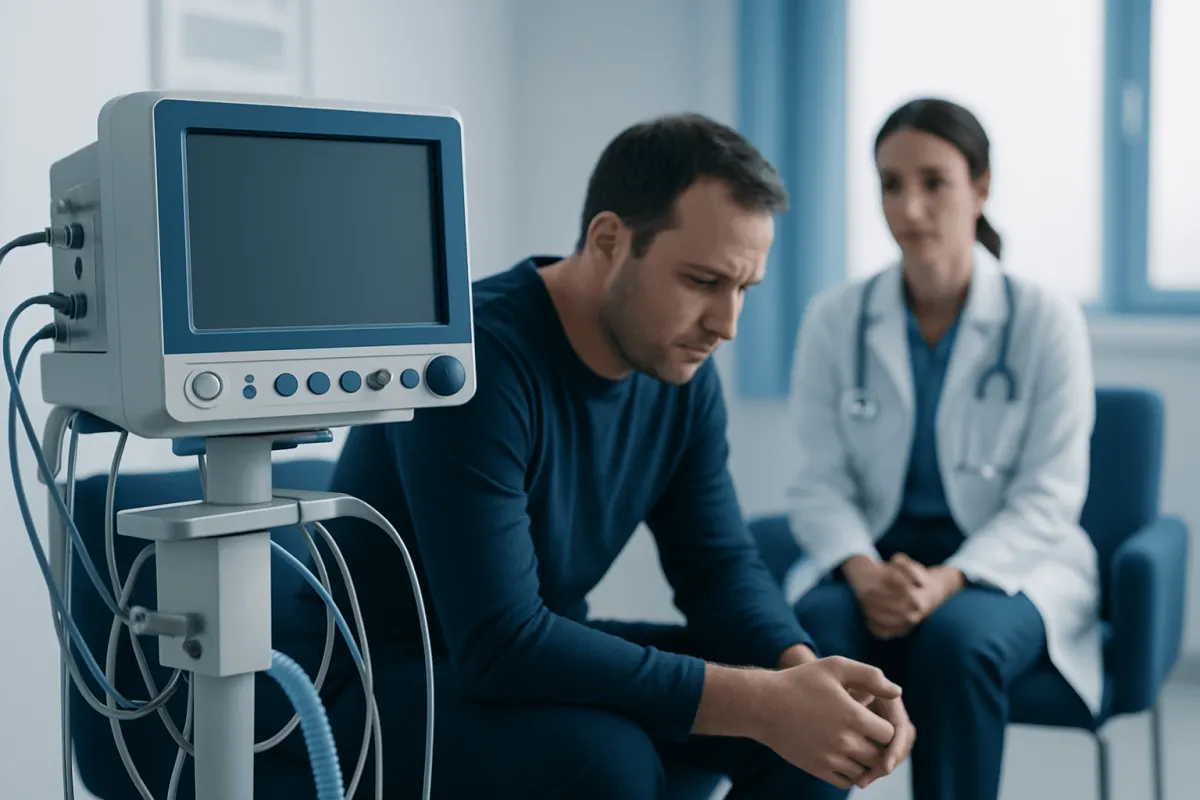
One of the most harmful effects of mental health stigma is treatment delay. A person may notice changes in mood, sleep, concentration, appetite, energy, or behavior but tell themselves to simply push through. They may worry that family members, friends, or colleagues will judge them if they speak openly about what they are experiencing.
Some people fear being labeled, misunderstood, or treated differently at work or school. Others worry that seeking help will be seen as a personal failure. These concerns may lead them to minimize symptoms, cancel appointments, or avoid mental health services altogether. As a result, distress can continue for longer and interfere more deeply with relationships, physical health, and everyday responsibilities.
Stigma can also delay treatment after a diagnosis. A person may feel embarrassed about starting counseling, hesitant to discuss medication, or concerned that others will find out. In some cases, they may stop care early because they feel ashamed rather than because the treatment is ineffective.
Early support often matters. Many mental health conditions respond better when addressed sooner, whether through lifestyle changes, psychotherapy, medication, or a combination of approaches. Removing stigma helps people move from silence to assessment, and from fear to informed care.
Common Signs That Someone May Need Support

Mental health symptoms do not look the same in every person. Some people become tearful, withdrawn, or anxious. Others may appear irritable, unusually tired, restless, detached, or unable to focus. Changes that persist for weeks or interfere with work, school, family life, sleep, or self-care deserve attention.
Possible signs include ongoing sadness, loss of interest in usual activities, excessive worry, panic symptoms, hopelessness, mood swings, social withdrawal, sleep problems, changes in appetite, unexplained physical complaints, or increased use of alcohol or other substances. Children and teenagers may show changes in school performance, behavior, friendships, or emotional regulation.
It is important to remember that mental health symptoms are not always dramatic. A person may continue meeting daily responsibilities while struggling internally. Quiet suffering is one reason stigma can be so powerful: others may not see the burden, and the person may feel pressure to keep appearing fine.
If symptoms are affecting functioning or causing distress, professional assessment can help clarify what is happening. Depending on the person’s needs, care may include supportive counseling, psychotherapy, medication review, stress management, or referral to a psychiatrist or psychologist.
Why Stigma Happens: Causes and Risk Factors
Stigma often grows from misunderstanding. Inaccurate portrayals in media, cultural beliefs, limited education about mental health, and fear of unfamiliar behavior can all contribute. Some communities may treat emotional suffering as something to hide, while others may see treatment as unnecessary unless symptoms become severe.
Personal experiences can also shape stigma. Someone who has previously been dismissed, judged, or discriminated against may become less willing to seek help again. Family attitudes matter as well. If a person grows up hearing that mental health problems are a sign of weakness, they may be more likely to deny symptoms or blame themselves.
Certain groups may face added barriers, including adolescents, older adults, healthcare workers, caregivers, men in settings where emotional expression is discouraged, and people living with chronic illness. Those with coexisting conditions, such as anxiety disorders or substance use problems, may encounter layered stigma that makes help-seeking even harder.
Structural factors can deepen the problem. Limited access to specialists, cost concerns, long waiting times, language barriers, and fear of confidentiality breaches may reinforce the belief that seeking care is risky or not worth it. Addressing stigma therefore requires both compassionate attitudes and practical access to trusted services.
How Mental Health Concerns Are Evaluated
Diagnosis begins with a careful conversation, not a label applied after a quick impression. A qualified doctor, psychiatrist, psychologist, or therapist asks about symptoms, duration, daily functioning, medical history, medications, stressors, sleep, and substance use. This helps build a clearer picture of what the person is experiencing.
Assessment may include screening questionnaires, discussion of mood and behavior patterns, and evaluation for physical health conditions that can affect mental well-being. For example, thyroid problems, sleep disorders, neurological conditions, or medication side effects can sometimes contribute to emotional or cognitive symptoms. In some cases, laboratory tests or medical referrals may be appropriate.
The purpose of diagnosis is to guide treatment, not define the person. A diagnosis can help explain symptoms, reduce confusion, and connect someone with evidence-based care. It can also identify urgent situations, such as risk of self-harm, severe functional decline, psychosis, or substance-related complications.
People who are hesitant because of stigma may find it helpful to begin with a general practitioner or family doctor. From there, they can be referred for psychiatric care or other mental health support if needed. A respectful evaluation should leave the person feeling heard, informed, and involved in decisions.
Treatment Options and Supportive Responses
Treatment depends on the diagnosis, symptom severity, personal preferences, and overall health. Many people benefit from a combination of approaches. These may include talk therapy, skills-based therapies, medication, family support, stress reduction, sleep improvement, physical activity, and treatment of coexisting medical conditions.
Evidence-based therapies can help people understand thoughts, emotions, and behaviors while building practical coping tools. In some situations, medication may reduce symptoms enough to make therapy and daily functioning more manageable. For people with mood disorders, anxiety, trauma-related symptoms, or complex presentations, a personalized plan is often most effective. Options may include cognitive behavioral therapy alongside regular follow-up.
How others respond also matters. Supportive responses include listening calmly, avoiding blame, taking symptoms seriously, and asking how to help. Simple phrases such as “You are not alone,” “This is treatable,” or “Would you like help finding a professional?” can reduce isolation and make treatment feel safer.
Near the end of the care journey, some people may also benefit from coordinated services that involve more than one specialty. Acıbadem Health Point’s multidisciplinary specialists and JCI-accredited hospitals diagnose and treat mental health conditions for international patients when evaluation and ongoing support are needed.
Prevention, Self-Care, and Reducing Stigma in Daily Life
Not all mental health conditions can be prevented, but supportive habits can protect well-being and encourage earlier help-seeking. Regular sleep, balanced nutrition, movement, stress management, social connection, and reduced alcohol or substance misuse can all support mental health. Just as importantly, learning accurate information about mental health can reduce fear and replace myths with understanding.
For individuals, self-care also means noticing early warning signs rather than waiting for a crisis. Keeping track of mood, anxiety, sleep, and functioning may help identify when extra support is needed. Reaching out to a trusted friend, family member, school counselor, or healthcare professional early is a strength, not a failure.
Families, schools, and workplaces can reduce stigma by using respectful language and creating environments where people can talk openly about mental health. Helpful steps include avoiding jokes or dismissive comments, respecting privacy, offering flexible support when possible, and encouraging professional assessment when symptoms persist.
When talking to someone who may be struggling, it helps to focus on observation rather than judgment. Saying “You don’t seem like yourself lately” is often more supportive than “You are overreacting.” Small, steady acts of understanding can make it easier for someone to accept help before problems become more severe.
When to Seek Professional Help
Professional help is appropriate when emotional or behavioral symptoms last more than a couple of weeks, keep returning, or interfere with relationships, work, school, or self-care. It is also important to seek evaluation if symptoms are becoming more intense, if alcohol or drug use is increasing, or if the person feels unable to cope.
Urgent help is needed if there are thoughts of self-harm or suicide, hopelessness with a plan to act, severe agitation, confusion, psychotic symptoms such as hallucinations or delusions, or inability to meet basic daily needs. In these situations, a doctor, emergency service, or local crisis service should be contacted immediately.
People sometimes delay care because they feel their symptoms are “not serious enough.” Mental health support does not require reaching a crisis point. Asking for help early may shorten suffering and improve recovery.
If uncertainty remains, starting with a primary care doctor or licensed mental health professional is a reasonable next step. They can assess symptoms, discuss options, and guide the person toward appropriate treatment in a confidential and respectful way.
Frequently asked questions
01What is mental health stigma?
Mental health stigma is the set of negative beliefs, stereotypes, or unfair treatment directed toward people with mental health conditions. It can come from society, family, workplaces, healthcare settings, or from the person’s own internalized shame.
02Why does stigma make people delay treatment?
Stigma can make people fear judgment, rejection, or being seen as weak. Because of this, they may hide symptoms, avoid appointments, or stop treatment early even when care could help.
03How can someone support a loved one with mental health symptoms?
It helps to listen without criticism, take their concerns seriously, and avoid blaming language. Encouraging them to speak with a qualified professional and offering practical help, such as finding an appointment, can make treatment feel more manageable.
04Can mental health stigma affect physical health too?
Yes. When mental health symptoms go untreated, sleep, appetite, energy, concentration, and chronic medical conditions may also be affected. Long-term stress and delayed care can influence overall well-being as well as emotional health.
05Is it possible to recover from a mental health condition?
Many people improve significantly with the right support, and some recover fully while others learn effective long-term management strategies. Early assessment, evidence-based treatment, and a supportive environment can all improve outcomes.
06When should someone seek urgent help?
Urgent help is needed if a person has thoughts of self-harm or suicide, severe confusion, psychotic symptoms, or cannot care for basic needs. In these situations, immediate contact with emergency services, a crisis line, or a doctor is important.
This article is for general information only and is not a substitute for professional medical advice. Please consult a qualified doctor about your individual situation.
Explore treatments in Turkey — costs, top hospitals & a free quote
JCI-accredited · board-certified surgeons · reply within 24h
Add us as a Preferred Source to see more of our trusted health content across Google Search, AI Overviews and Discover.