Is Autism a Mental Health Disorder? Facts, Misconceptions, and Support Needs
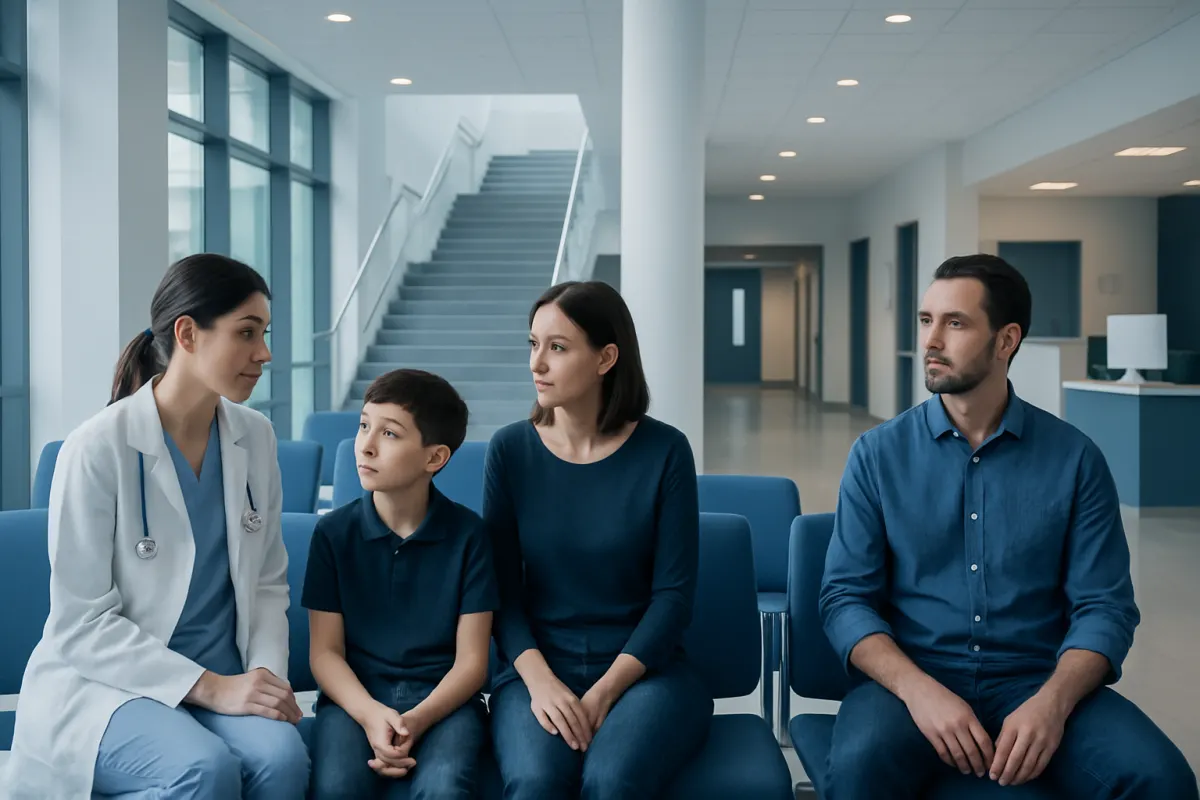
Autism is not considered a mental health disorder. It is a neurodevelopmental condition, although autistic people can also experience mental health conditions and may benefit from individualized support.
Overview: Is Autism a Mental Health Disorder?
Autism spectrum disorder, often called autism, is not classified as a mental health disorder. It is a neurodevelopmental condition, which means it relates to how the brain develops and processes communication, social interaction, sensory input, and patterns of behavior. Autism begins early in life, even if it is recognized later in childhood or adulthood.
The question of autism and mental health often comes up because autistic people can experience emotional distress, anxiety, depression, or other mental health concerns. These are important and real, but they are separate from autism itself. In other words, a person can be autistic and also have a mental health condition, just as someone without autism can.
Autism is called a spectrum because it affects people in different ways. Some individuals need significant daily support, while others live independently and may need help only in certain settings such as school, work, or relationships. Understanding this difference helps families and communities move away from stigma and toward appropriate support.
What Autism Is and How It May Affect Daily Life

Autism affects how a person communicates, interacts socially, and responds to sensory information. Common features may include differences in eye contact, body language, conversation style, play, routines, and interests. Some autistic people are highly verbal, while others communicate best with fewer words, visual tools, or assistive communication methods.
Sensory processing differences are also common. A person may be very sensitive to noise, bright lights, certain textures, crowds, or unexpected touch. Others may seek sensory input, such as movement, pressure, or repetitive actions. These responses are not simply preferences; they can strongly affect comfort, focus, and participation in daily activities.
Autism may also involve strengths that are important to recognize. Some autistic people show strong attention to detail, deep knowledge in areas of interest, honesty, creativity, memory, or problem-solving abilities. A balanced understanding looks at both challenges and strengths rather than defining autism only by limitations.
Because autism presents differently from one person to another, support needs vary widely. Some people benefit from help with language, learning, emotional regulation, or independent living skills. Others may mainly need accommodations, understanding, and flexibility in school, the workplace, or social environments.
Common Misconceptions About Autism and Mental Illness

One common misconception is that autism is the same as a psychiatric illness. This is not accurate. Mental health disorders such as depression or anxiety primarily affect mood, thoughts, or emotional functioning. Autism, by contrast, is a lifelong developmental difference that influences communication, behavior, and sensory experience from early life.
Another misunderstanding is that autistic people do not feel empathy or do not want relationships. In reality, many autistic people care deeply about others and want connection, but they may express feelings differently or find social rules harder to interpret. Difficulty reading social cues is not the same as a lack of caring.
It is also incorrect to assume that all autistic people have the same abilities or needs. Some individuals require intensive support, while others may succeed academically or professionally but still struggle with burnout, sensory overload, or social demands. A respectful approach avoids stereotypes and focuses on the person in front of the clinician, teacher, or family member.
Misconceptions can delay diagnosis, increase stress, and make it harder to access support. Clear information helps families understand when challenges may be related to autism itself and when a separate mental health issue may need attention.
Mental Health Conditions That Can Co-Occur With Autism
Although autism is not a mental health disorder, mental health conditions can occur alongside it. Anxiety and depression are commonly discussed because autistic people may face chronic stress from sensory overload, social misunderstanding, bullying, change in routines, or the effort of masking autistic traits in order to fit in. These experiences can affect emotional well-being over time.
Other co-occurring conditions may include attention-deficit/hyperactivity disorder, sleep problems, obsessive-compulsive symptoms, feeding difficulties, or learning differences. In some individuals, clinicians may also assess for related developmental conditions such as ADHD. These overlapping needs can make assessment more complex and are one reason a thorough evaluation matters.
Mental health symptoms in autistic people do not always look typical. Anxiety may appear as irritability, increased repetitive behaviors, shutdowns, avoidance, or physical complaints rather than verbalized worry. Depression may look like loss of interest, fatigue, social withdrawal, sleep changes, or increased distress. A clinician familiar with autism can help distinguish between autistic traits, stress responses, and a separate mental health condition.
Recognizing co-occurring conditions is important because treatment may improve quality of life. Support may include counseling adapted for autistic communication styles, school or workplace accommodations, family guidance, and management of sleep or sensory triggers. The goal is not to change a person’s identity, but to reduce distress and support daily functioning.
How Autism Is Diagnosed
Autism is diagnosed through clinical assessment rather than a single blood test or scan. Evaluation usually includes a detailed developmental history, information from parents or caregivers when available, direct observation, and structured assessment of communication, social interaction, behavior, and sensory patterns. The process may involve pediatricians, child psychiatrists, psychologists, neurologists, speech and language therapists, or developmental specialists.
In children, parents may notice delayed language, limited back-and-forth interaction, repetitive play, strong attachment to routines, or unusual responses to sounds and textures. In adolescents and adults, signs may be more subtle and can include social exhaustion, intense special interests, difficulty interpreting unwritten social rules, or long-term sensory discomfort. Some people are diagnosed later because their traits were overlooked or misunderstood earlier in life.
Because autism can overlap with other developmental or mental health concerns, clinicians may recommend further assessment. This can help clarify whether symptoms are related to autism, anxiety, learning differences, or another condition such as Asperger syndrome, a term previously used for some autistic people and now included within autism spectrum disorder in current diagnostic systems.
A careful diagnosis can guide practical next steps. It may help families access educational support, speech and language services, occupational therapy, social communication strategies, or mental health care when needed. For many people, receiving an accurate diagnosis can also bring relief and a clearer understanding of lifelong differences.
Treatment and Support Options
There is no single treatment that fits every autistic person, and support should be individualized. The aim is to help the person communicate, learn, manage daily life, and reduce distress where needed. Helpful interventions may include speech and language therapy, occupational therapy for sensory and daily living skills, behavioral or developmental therapies, educational support, and family counseling.
If a co-occurring mental health condition is present, treatment may also include adapted psychotherapy and, in some cases, medication prescribed by a qualified doctor. Some people benefit from cognitive behavioral therapy tailored to autism, especially for anxiety or low mood. Others may need structured routines, visual supports, sensory accommodations, or help building self-advocacy skills.
Support is most effective when it respects the person’s communication style, sensory needs, and autonomy. For example, a child who is overwhelmed by noise may learn better in a calm environment, while an adult may benefit from workplace adjustments, predictable schedules, and clearer communication. Mental health care should be adapted rather than assuming standard approaches will work the same way for everyone.
When more complex needs are present, multidisciplinary assessment can be helpful. At Acıbadem Health Point, multidisciplinary specialists in JCI-accredited hospitals evaluate and support international patients with autism and related concerns, including access to services such as child and adolescent psychiatry or broader psychiatry care when mental health symptoms coexist.
Support at Home, School, and Work
Everyday support can make a meaningful difference. At home, routines, clear expectations, and sensory-friendly spaces may reduce stress. Families often find it helpful to notice patterns: when overload happens, what triggers it, and what helps the person recover. Simple changes such as reducing noise, offering visual schedules, or allowing extra processing time can improve daily functioning.
In school, children may benefit from individualized education planning, speech and language support, movement breaks, quiet areas, or adjustments to social and sensory demands. Teachers who understand autism can better distinguish between unwillingness and genuine overload or communication difficulty. A supportive school environment can reduce frustration and improve participation.
In the workplace, autistic adults may do well with clear written instructions, predictable routines, reduced sensory distractions, and flexibility in communication methods. Respectful accommodations can support concentration and confidence without lowering expectations. The focus should be on removing unnecessary barriers so the person’s abilities can be used effectively.
Family members, teachers, and employers do not need to be experts to be helpful. Listening, reducing judgment, and asking what support works best are often the most valuable first steps.
When to Seek Professional Advice
Professional advice is important if a child or adult shows signs of autism or struggles with communication, social interaction, sensory issues, routines, or daily functioning. Early assessment can help identify support needs and may improve access to services. Even when someone is coping well overall, an evaluation can clarify strengths, challenges, and useful accommodations.
It is also important to seek help if an autistic person develops new emotional or behavioral changes such as severe anxiety, persistent sadness, sleep problems, self-injury, school refusal, withdrawal, or loss of functioning. These changes may point to a co-occurring mental health condition or rising stress that deserves attention. Prompt support can reduce distress and help prevent difficulties from becoming more disruptive.
A doctor, psychologist, psychiatrist, pediatrician, or developmental specialist can guide the next steps. If there are urgent safety concerns, immediate medical attention should be sought. For non-urgent concerns, a calm, structured assessment is often the best way to understand what is happening and what type of support may help most.
Frequently asked questions
01Is autism considered a mental illness?
No. Autism is a neurodevelopmental condition, not a mental illness. However, autistic people can also have mental health conditions such as anxiety or depression, which are diagnosed and treated separately.
02Why do people confuse autism with a mental health disorder?
The confusion often happens because autism can affect behavior, emotions, and social interaction, and because mental health conditions may occur alongside it. In addition, public understanding of autism is still shaped by outdated stereotypes and inaccurate labels.
03Can an autistic person also have anxiety or depression?
Yes. Anxiety, depression, sleep problems, and ADHD can occur in autistic children and adults. Recognizing these co-occurring conditions is important because targeted treatment may improve comfort, functioning, and quality of life.
04How is autism different from other mental health conditions?
Autism begins early in development and affects communication, sensory processing, and patterns of behavior over the long term. Mental health conditions usually center more on mood, thoughts, or emotional state and may begin later or change over time.
05Can autism be diagnosed in adulthood?
Yes. Some people are not recognized in childhood, especially if their traits were subtle or misunderstood. An adult assessment can still be helpful in explaining long-standing experiences and identifying useful support strategies.
06What kind of support helps autistic people most?
The best support depends on the individual's needs, strengths, and environment. It may include speech and language therapy, occupational therapy, educational support, sensory accommodations, family guidance, and mental health care when needed.
This article is for general information only and is not a substitute for professional medical advice. Please consult a qualified doctor about your individual situation.
Explore treatments in Turkey — costs, top hospitals & a free quote
JCI-accredited · board-certified surgeons · reply within 24h
Add us as a Preferred Source to see more of our trusted health content across Google Search, AI Overviews and Discover.