Men’s Lipo Cost: Factors That Shape Your Quote
Mens lipo cost is not a single fixed figure because the final treatment plan depends on the areas treated, the amount and type of fat, the surgical technique, anaesthesia, operating facility and follow-up care. Liposuction is usually an elective body-contouring procedure, so patients benefit from requesting a written, itemised estimate and discussing realistic results with a qualified plastic surgeon.
Mens Lipo Cost: What Does the Price Include?
Mens lipo cost is determined by an individual treatment plan rather than a standard price. The number of areas treated, the size and location of fat deposits, the planned technique, the type of anaesthesia, surgeon and operating-facility fees, pre-operative testing, compression garments, medications and follow-up appointments can all affect the total. This is why online figures for mens lipo price or men’s liposuction price should be treated as general information rather than a personal quote.
Some men seek contouring of the abdomen, flanks, chest, back, chin or thighs. A broader treatment plan, sometimes described as lipo 360, generally involves contouring around the torso rather than one isolated area. Consequently, mens lipo 360 cost may differ from the cost of treating one area because it can require more operative time, planning and recovery support.
Patients can ask for a written estimate that clearly states what is and is not included. It is useful to ask about consultation charges, anaesthesia, facility services, laboratory tests, garments, prescribed medicines, follow-up care, possible revision policies and costs related to travel or time away from work. A lower initial estimate may not represent lower overall costs if important elements of care are excluded.
How Male Liposuction Works
Liposuction is a surgical body-contouring procedure that removes selected deposits of subcutaneous fat, the fat located beneath the skin. It may help improve the outline of areas that have not responded as expected to nutrition, exercise and weight stability. It does not remove visceral fat around internal organs, and it does not correct every cause of abdominal prominence.
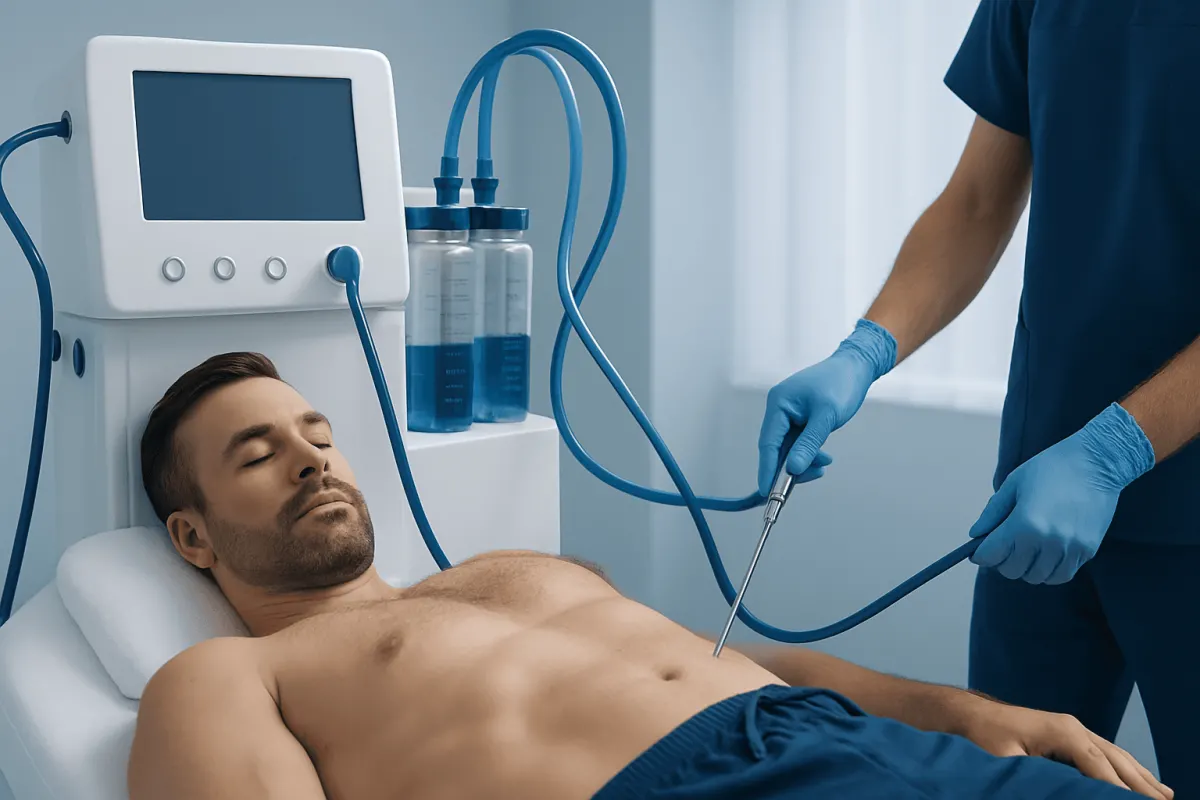
After small incisions are made, a surgeon inserts a narrow tube called a cannula into the fatty layer. A solution may be introduced to reduce bleeding and support fat removal, then the surgeon loosens and suctions fat in a controlled pattern. Techniques and anaesthesia plans vary according to the areas being treated and the person’s health needs.
For chest fullness, a clinical assessment is particularly important. Fat-related chest enlargement can differ from glandular breast tissue enlargement, known as gynecomastia, and the appropriate treatment may not be liposuction alone. A specialist can assess whether body contouring, gland removal, medical evaluation or another approach is most suitable. Patients considering surgery can learn more about liposuction treatment options during a personalised consultation.
Who May Be a Suitable Candidate?

Suitable candidates are often adults who are close to a weight they can maintain, have localised fat deposits and have skin with enough elasticity to adapt reasonably to a new contour. Good general health, non-smoking or willingness to stop nicotine products before and after surgery, and the ability to follow recovery instructions are also important. Liposuction is not designed as a primary weight-loss treatment.
A consultation should include a health history, medications and supplements, prior operations, allergies, smoking or nicotine use, weight changes and any concerns about healing or blood clotting. The surgeon examines skin quality, fat distribution and symmetry, then discusses whether the proposed procedure is likely to meet the person’s goals safely.
People considering liposuction should have realistic expectations. The procedure can reduce stubborn fat and improve proportions, but it cannot guarantee a particular appearance, create muscle definition on its own or prevent future weight gain. Marked skin laxity, certain medical conditions, unstable weight or expectations that do not match what surgery can achieve may mean that another plan is safer or more appropriate.
What Happens During the Procedure?
The process begins well before the operating day. During planning, the surgeon confirms treatment areas, takes photographs when appropriate, reviews consent and gives preparation instructions. Patients may be asked to avoid certain medicines or supplements that can increase bleeding risk, but they should only change prescribed medicines after advice from the clinician managing them.
On the day of surgery, treatment areas are marked while the patient is standing. Anaesthesia is provided according to the planned procedure and the patient’s needs. The surgeon makes small, carefully positioned incisions, infiltrates fluid when indicated, removes fat using a cannula and checks contour and symmetry throughout the operation. Incisions are then closed or managed according to the technique used.
Most patients wear a compression garment afterward to support the treated tissues and help manage swelling. Depending on the extent of surgery, liposuction may be performed as an outpatient procedure or may require observation. Patients should arrange a responsible adult to accompany them home and should follow the care team’s instructions about travel, bathing, walking, medicines and follow-up visits.
How Long Does It Take for a Man to Recover From Liposuction?
Recovery varies with the treatment areas, volume of fat removed, technique, anaesthesia and the individual’s health. In the first days, soreness, swelling, bruising, numbness and drainage from small incision sites can occur. These effects are usually temporary, and prescribed or recommended pain management, compression and gentle movement can support comfort and healing.
Many men can return to light daily activities and desk-based work after a period advised by their surgeon, while physically demanding work and exercise generally require more time. Walking is usually encouraged early to support circulation, but strenuous exercise, heavy lifting and contact activities should be resumed only when the surgical team confirms it is appropriate.
Visible swelling can initially obscure the result. Contours commonly improve progressively as swelling settles, and the final appearance may take several months to develop. Follow-up appointments allow the team to check healing, address concerns and advise when activities can safely increase. Patients should avoid comparing their early result with photographs or expectations of a fully healed outcome.
Benefits, Risks and Long-Term Results
Potential benefits of male liposuction include a more balanced contour in selected areas and improvement in the fit of clothing. For people with stable weight and appropriate expectations, the procedure may address localised fat that has persisted despite healthy habits. The degree of change depends on anatomy, skin elasticity, the areas treated and surgical planning.
As with any operation, liposuction has risks. These can include bleeding, infection, fluid accumulation, changes in sensation, uneven contours, skin irregularities, scarring, delayed healing, anaesthesia-related complications and blood clots. Rarely, more serious complications can occur. Choosing a properly qualified surgeon, disclosing the full medical history and following pre- and post-operative instructions can help reduce risk, although no surgery is risk-free.
What happens 10 years after liposuction depends largely on long-term weight stability, ageing and lifestyle. Fat cells removed from a treated area do not simply grow back, but remaining fat cells can enlarge with weight gain, and fat distribution can change over time. Healthy eating, regular activity, adequate sleep and continued medical care support lasting results, while liposuction should not be viewed as protection against future weight changes.
Is Male Liposuction Worth It, and How Can It Be Paid For?
Whether male liposuction is worth it is personal. It may feel worthwhile for someone who has a stable weight, a clear and realistic contouring goal and an understanding of the recovery and risks. It may be less suitable when the main goal is substantial weight loss, when health concerns need treatment first or when financial pressure could make an elective procedure difficult. A consultation can help a person weigh expected benefits against limitations and costs.
How to get lipo paid for is a common question. Cosmetic liposuction is usually self-funded because health insurance generally excludes procedures performed primarily to improve appearance. In limited circumstances, coverage may be considered when a procedure is medically necessary, but this depends on the diagnosis, policy rules, prior authorisation requirements and the insurer’s decision. Patients should contact their insurer directly and obtain written clarification before assuming any coverage.
For self-funded care, patients may ask the provider about payment timing, accepted payment methods and whether any financing options are offered through regulated providers. They should review the total repayment terms carefully and avoid making a decision based only on monthly payments. Acıbadem Health Point’s multidisciplinary specialists and JCI-accredited hospitals can assess and treat suitable international patients, with individual planning based on clinical needs.
When to Seek Medical Care
Before pursuing liposuction, patients should seek medical assessment for new or rapidly changing chest enlargement, a breast or chest lump, nipple discharge, pain, unexplained weight change, significant abdominal swelling or symptoms that may have a medical cause. These concerns need evaluation rather than assuming they are caused by ordinary body fat.
After liposuction, patients should contact their surgical team promptly for worsening pain, rapidly increasing swelling, persistent bleeding, fever, spreading redness, foul-smelling drainage, calf pain or one-sided leg swelling. Emergency assessment is needed for chest pain, shortness of breath, fainting or other severe symptoms.
Regular follow-up is an important part of safe recovery. Patients should ask questions early if they are uncertain about wound care, compression garments, activity restrictions or expected swelling. Personal advice from the operating surgeon takes priority because the care plan is based on the specific procedure and medical history.
Frequently asked questions
01What affects mens lipo cost the most?
The main factors are the number and size of treatment areas, the amount of contouring needed, the surgical technique, anaesthesia, facility costs and follow-up care. The surgeon’s experience, location and whether other procedures are performed at the same time may also affect the estimate. A written, itemised quote is more useful than a general online price.
02Is male liposuction worth it?
Male liposuction may be worthwhile for a person with localised fat deposits, stable weight and realistic expectations about contouring rather than weight loss. The decision should include consideration of recovery, possible complications, costs and the need to maintain healthy habits. A qualified plastic surgeon can explain whether the planned result is realistic for the individual.
03What happens 10 years after liposuction?
The fat cells removed during liposuction are permanently removed from the treated area, but remaining fat cells can enlarge if weight is gained. Ageing, hormones, lifestyle and changes in body weight can alter body shape over time. Maintaining a stable weight helps preserve the contouring result.
04How to get lipo paid for?
Liposuction performed for cosmetic body contouring is usually not covered by health insurance. If there may be a medical reason for surgery, the patient should ask the clinician and insurer about documentation, pre-authorisation and policy criteria. Written confirmation from the insurer is important before scheduling treatment.
05How long does it take for a man to recover from liposuction?
Initial discomfort, bruising and swelling are common during the early recovery period, while return to work and exercise depends on the extent of treatment and the nature of the activity. Swelling can take weeks to improve, and final contour changes may take several months. The surgeon’s individual activity guidance should be followed closely.
06Does liposuction help with weight loss?
Liposuction is a body-contouring procedure, not a weight-loss treatment. It removes selected subcutaneous fat deposits but does not address visceral fat or replace nutrition, physical activity and medical weight-management care. People seeking significant weight loss should discuss safer, evidence-based options with a healthcare professional.
This article is for general information only and is not a substitute for professional medical advice. Please consult a qualified doctor about your individual situation.
Explore treatments in Turkey — costs, top hospitals & a free quote
JCI-accredited · board-certified surgeons · reply within 24h
Add us as a Preferred Source to see more of our trusted health content across Google Search, AI Overviews and Discover.