How Much Does Double Jaw Surgery Cost?
How much is double jaw surgery depends on the treatment plan, country, hospital setting, insurance coverage and whether orthodontic care is needed before and after surgery. Because bimaxillary surgery is highly individualized, a written estimate after specialist assessment is the most reliable way to understand likely costs and coverage.
Overview: How Much Is Double Jaw Surgery?
How much is double jaw surgery? There is no single reliable price because double jaw surgery is planned around each person’s bite, jaw position, health needs, orthodontic treatment and the hospital where surgery takes place. A formal estimate should include the entire care pathway, not simply the operation itself.
Double jaw surgery is also called bimaxillary surgery or bimaxillary orthognathic surgery. It involves moving the upper jaw (maxilla) and lower jaw (mandible), often together with chin adjustment when appropriate, to improve how the teeth meet and how the jaws function. It may be recommended for significant bite discrepancies, jaw asymmetry, certain airway concerns, chewing difficulties or jaw positions that cannot be corrected with orthodontics alone.
People searching for how much is double jaw surgery with insurance, or how much is double jaw surgery without insurance, should ask for an itemized treatment plan. This helps clarify which services are included, which may be billed separately, and what costs may arise before and after the hospital stay.
What Influences Double Jaw Surgery Costs?
The overall cost reflects far more than the surgical time. Assessment commonly includes consultations with an oral and maxillofacial surgeon and orthodontist, dental records, photographs, X-rays and three-dimensional imaging. Digital surgical planning, customized surgical guides or plates, laboratory work and dental preparations may also be part of the plan.
Hospital-related costs can include operating room use, anesthesia, inpatient monitoring, medications, nursing care and the length of stay. Surgeon experience, the complexity of the planned jaw movements, whether additional procedures are required and the need for specialized care can all affect the estimate.
Orthodontic treatment is often a major part of the overall journey. Braces or clear aligners may be used before surgery to position the teeth, and adjustment usually continues afterward to refine the bite. Patients should ask whether the quote includes orthodontics, retainers, post-surgical imaging, follow-up visits and treatment for possible complications.
- Preoperative assessment, scans and surgical planning
- Orthodontic treatment before and after surgery
- Surgeon, anesthesiologist and hospital fees
- Plates, screws and other surgical materials
- Medication, nutrition support and follow-up care
- Travel, accommodation and time away from work, where relevant
How Does Location Affect the Cost?

Questions such as how much is double jaw surgery in Turkey, Korea, Brazil, the UK, Canada or Australia do not have a universal answer. Healthcare financing, hospital charges, insurance systems, surgical planning methods, currency exchange rates and the inclusions within a treatment package differ considerably between countries and even between cities.
For people considering care abroad, it is important to look beyond the advertised procedure figure. Travel expenses, accommodation, a companion’s travel, follow-up appointments, the length of stay required before flying home, and arrangements for urgent care after returning home should be considered. A lower initial quotation may not represent the complete financial commitment.
It is sensible to request a written, itemized estimate and ask what happens if the treatment plan changes. Patients should also confirm the credentials of the surgical team, the accreditation of the hospital, the availability of anesthesia and intensive care support if needed, and the plan for coordinated orthodontic follow-up. Orthognathic surgery assessment and planning should be individualized after a detailed examination.
How Double Jaw Surgery Works and Who May Be a Candidate
Double jaw surgery changes the position of both jaws so the teeth, jaw joints and facial skeleton can work together more effectively. During the operation, the surgeon makes controlled cuts in the jaw bones, moves each jaw according to the preoperative plan, and secures the bones with small plates and screws. Most incisions are made inside the mouth, so visible facial scars are usually avoided.
Potential candidates may have a severe overbite, underbite, open bite, crossbite, facial asymmetry, difficulty chewing, speech concerns related to jaw position, or a jaw discrepancy associated with obstructive sleep apnea. Orthodontics alone may improve tooth alignment but cannot change the underlying position of fully grown jaw bones.
Evaluation is multidisciplinary. The team considers dental health, gum health, jaw joint symptoms, airway concerns, medical history, medication use, smoking status and emotional readiness for a lengthy treatment process. Surgery is generally planned after facial growth is complete; however, the appropriate timing differs between individuals.
A person with sleep-related breathing symptoms may require a separate airway assessment, as jaw position is only one possible factor. Obstructive sleep apnea should be evaluated by qualified clinicians rather than self-diagnosed from snoring alone.
What Happens During the Procedure and Recovery?
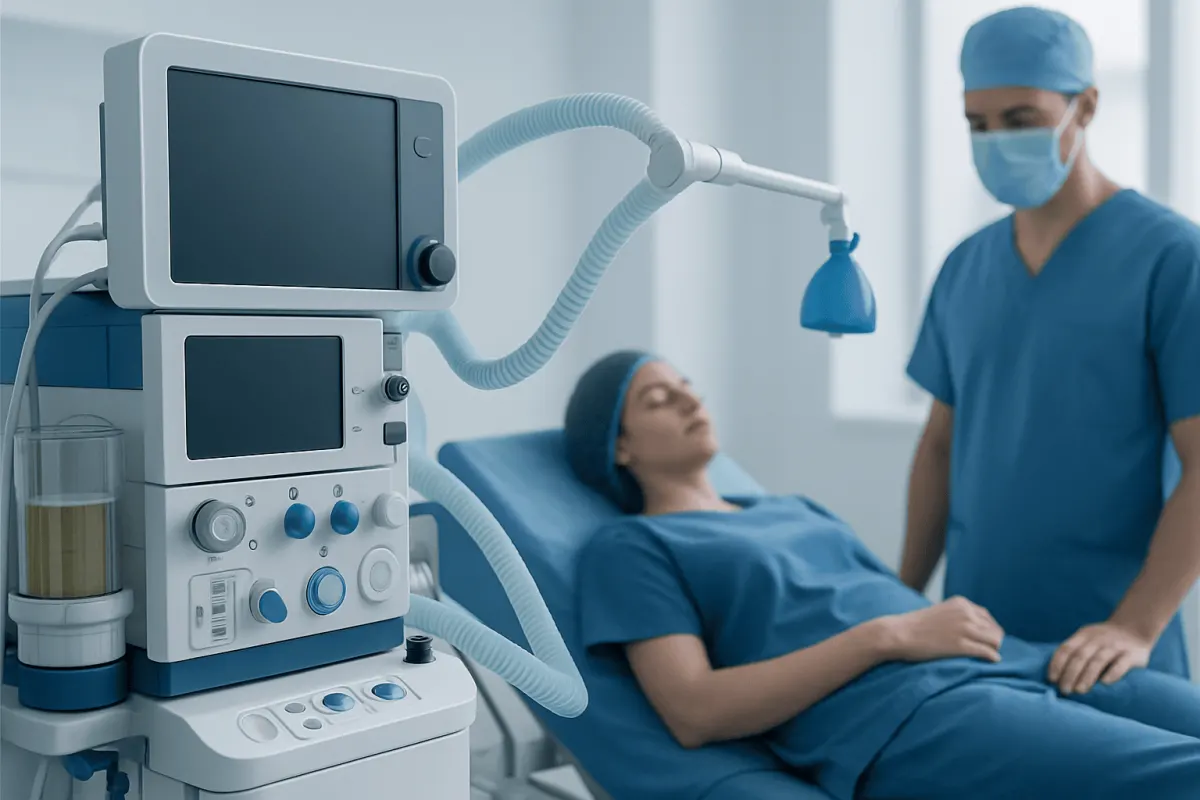
Before surgery, the orthodontist and surgeon coordinate tooth positioning and detailed imaging. Digital models and surgical planning are used to determine the intended movements. On the day of surgery, general anesthesia is used. The surgeon repositions the upper jaw and lower jaw, checks the planned bite, and stabilizes the bones with fixation plates and screws.
Patients usually stay in hospital for observation after the procedure. Swelling, bruising, congestion, tiredness and temporary numbness of the lips, chin or cheeks are common early experiences. The team provides pain relief, guidance on oral hygiene and instructions for a liquid or soft-food diet. The jaws are not always wired shut; the exact approach depends on the surgical plan.
During the first few weeks, rest, nutrition and careful mouth care are important. Swelling generally improves gradually, while sensation and final facial changes can take much longer to settle. Return to work or study varies with the individual and the demands of the role, but strenuous exercise and contact sports are restricted until the surgeon advises otherwise.
Bone healing and orthodontic finishing take months. Follow-up visits allow the surgeon and orthodontist to monitor healing, bite alignment and jaw function. Patients should follow all instructions about diet, elastics, medications and appointments, because these measures support safe recovery.
Benefits, Risks and Is It Worth Getting Double Jaw Surgery?
Is it worth getting double jaw surgery? For an appropriately selected person with a significant functional jaw discrepancy, surgery may improve bite alignment, chewing, speech-related concerns, facial balance or selected airway problems. Whether it is worthwhile depends on the person’s symptoms, goals, alternatives, expected benefit, recovery commitment and the opinion of an experienced multidisciplinary team.
The procedure is substantial surgery, so potential benefits must be balanced against risks. Possible complications include bleeding, infection, unfavorable bone healing, bite changes, persistent numbness, jaw joint symptoms, sinus-related symptoms after upper-jaw surgery, relapse of the jaw position, dental injury and the possible need for additional treatment. General anesthesia also carries risks that the anesthesiology team will discuss.
Most people experience discomfort and pressure after surgery, especially in the first days, but care teams use a planned approach to pain management. Is jaw surgery very painful? Pain experiences differ, and swelling, tightness and nasal congestion can be as troublesome as pain for some people. Taking prescribed medication as directed, maintaining hydration and nutrition, and contacting the team when symptoms are not controlled can help.
A second opinion can be helpful when deciding about a major procedure. The best decision is informed, unhurried and based on clear discussion of goals, expected changes, limitations and recovery responsibilities.
Insurance, Age and Financial Planning
Can insurance pay for double jaw surgery? Insurance may pay for some or all eligible parts of treatment when surgery is considered medically necessary, such as correction of a documented functional bite problem or a condition affecting health. Coverage for orthodontics, imaging, hospitalization, anesthesia and follow-up care can differ, and surgery performed mainly for cosmetic reasons may not be covered.
Before treatment begins, patients can ask their insurer whether preauthorization is required, what clinical documentation is needed, which clinicians and hospitals are in network, and what deductibles, co-payments or coverage limits apply. The surgeon’s office may help provide records, but the insurer makes the coverage decision. Written confirmation is preferable to relying on a verbal estimate of benefits.
Is 30 too late for jaw surgery? No. Many adults undergo orthognathic surgery in their 30s and later. Once jaw growth has finished, eligibility is based more on overall health, dental and periodontal condition, the nature of the jaw discrepancy, healing considerations and readiness to complete orthodontic and surgical care.
Those paying themselves should request a clear estimate that separates diagnostic work, orthodontics, surgery, hospital care and aftercare. They should also ask about payment timing, cancellation policies and potential costs if an additional procedure or extended follow-up is clinically needed.
When to Seek Medical Care
People should arrange a dental, orthodontic or oral and maxillofacial surgery assessment if they have persistent difficulty biting or chewing, a pronounced underbite or overbite, teeth that do not meet properly, progressive jaw asymmetry, speech difficulties linked to jaw position, or concerns about breathing during sleep. An assessment does not commit a person to surgery; it helps establish the cause of symptoms and appropriate options.
After jaw surgery, patients should contact their surgical team promptly for worsening rather than improving swelling, fever, uncontrolled pain, persistent vomiting, difficulty taking fluids, unexpected bleeding, breathing difficulty or concerns about the bite. Emergency services should be used for severe breathing problems, heavy bleeding or other urgent symptoms.
Acıbadem Health Point’s multidisciplinary specialists and JCI-accredited hospitals diagnose and treat jaw conditions for international patients. A qualified surgical team can explain whether jaw surgery is appropriate and provide a personalized treatment and cost plan.
Frequently asked questions
01How much is double jaw surgery without insurance?
The out-of-pocket amount varies substantially because it may include orthodontics, imaging, surgical planning, surgeon and anesthesia fees, hospital care, implants or fixation materials, and follow-up visits. The most useful way to compare options is to request an itemized estimate based on an in-person or virtual specialist evaluation.
02How much is double jaw surgery with insurance?
Insurance can reduce the amount a patient pays if the operation meets the plan’s definition of medical necessity and the required preauthorization is obtained. The remaining cost depends on the person’s deductible, co-insurance, network status, coverage limits and whether orthodontic care is included.
03How long does recovery take after double jaw surgery?
The early recovery period usually involves several weeks of swelling, dietary modification and reduced activity. Bone healing and final orthodontic adjustment take months, and some changes in sensation or swelling may continue to improve gradually over a longer period.
04Can double jaw surgery improve sleep apnea?
For selected people with obstructive sleep apnea related to jaw position, moving the upper and lower jaws forward may improve airway space and breathing during sleep. It is not suitable for everyone, so evaluation by an experienced sleep and surgical team is important.
05Will double jaw surgery leave scars?
Most surgical cuts for standard jaw repositioning are made inside the mouth, which usually avoids visible facial scars. The exact incision approach depends on the procedures included in the treatment plan.
06What should a person ask before choosing a hospital for jaw surgery abroad?
They should ask about the surgical team’s qualifications, hospital accreditation, what the estimate includes, the expected length of stay and the follow-up plan after travel. It is also important to discuss how complications or urgent concerns would be managed once the patient returns home.
This article is for general information only and is not a substitute for professional medical advice. Please consult a qualified doctor about your individual situation.
Explore treatments in Turkey — costs, top hospitals & a free quote
JCI-accredited · board-certified surgeons · reply within 24h
Add us as a Preferred Source to see more of our trusted health content across Google Search, AI Overviews and Discover.