Meningitis Test: Why a Lumbar Puncture May Be Needed
A meningitis test helps clinicians rapidly check whether inflammation around the brain and spinal cord is caused by an infection or another condition. Testing often involves a clinical examination, blood tests and, when appropriate, a lumbar puncture to analyze cerebrospinal fluid.
Overview: What is a meningitis test?
A meningitis test is not one single test. It is a prompt medical assessment that may combine a symptom review, physical and neurological examination, blood tests, imaging and testing of cerebrospinal fluid (CSF), the clear fluid surrounding the brain and spinal cord. The purpose is to identify or rule out meningitis and, if it is present, help determine its likely cause.
Meningitis can result from bacteria, viruses, fungi, parasites, certain medicines, autoimmune conditions or cancers. Bacterial meningitis requires immediate treatment because it can become serious quickly. Viral meningitis is often less severe, but still needs medical assessment because early symptoms can overlap and some viral causes also require specific treatment.
Doctors do not rely on symptoms alone. They consider the person’s age, medical history, immune status, recent infections, travel and exposure history, as well as examination findings. If meningitis is suspected, hospital assessment is often needed so testing and treatment can proceed without delay.
What happens during a meningitis evaluation?
The evaluation begins with a clinician asking about symptoms, such as fever, headache, neck stiffness, nausea, sensitivity to light, drowsiness, confusion, seizures or a new rash. They may check temperature, blood pressure, breathing, alertness, neck movement and signs of irritation of the nervous system. In infants, symptoms may be less specific and can include poor feeding, unusual sleepiness, irritability or a bulging soft spot on the head.
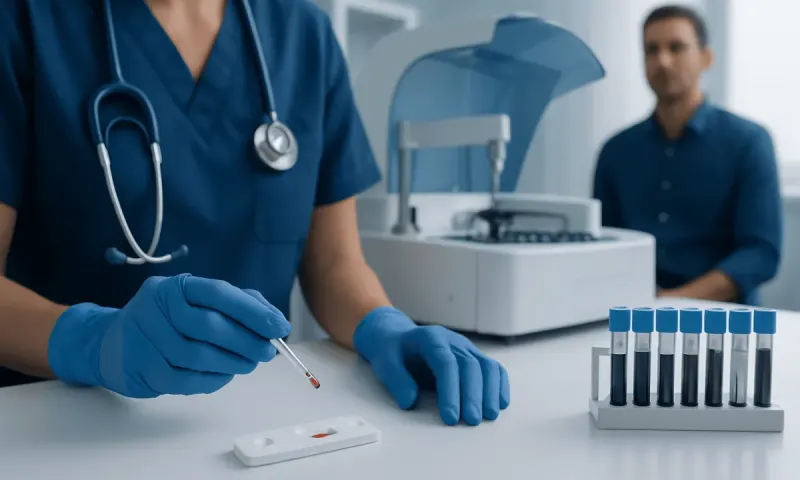
Blood tests commonly include a complete blood count, markers of inflammation, blood chemistry and blood cultures. Blood cultures can detect bacteria in the bloodstream and are ideally collected before antibiotics when this does not delay urgent care. A swab, urine test, chest imaging or other tests may be considered if clinicians are looking for a possible source of infection.
Some people need a CT or MRI scan before lumbar puncture. This may be considered when there are features that could indicate increased pressure in the skull or another brain problem, such as a new seizure, severe confusion, weakness on one side, marked immune suppression or known brain disease. Importantly, when bacterial meningitis is strongly suspected, clinicians may start antibiotics and other needed treatment promptly rather than waiting for every investigation to be completed.
Lumbar puncture: the main meningitis test

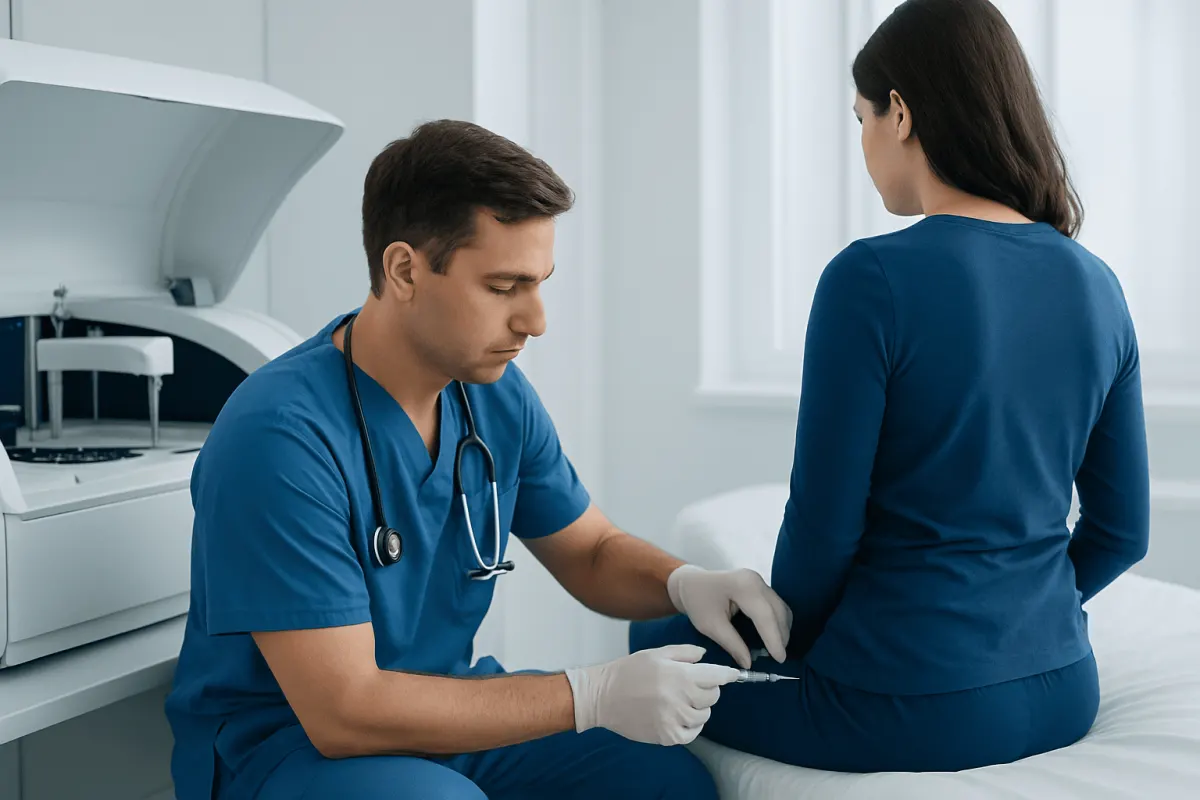
A lumbar puncture, also called a spinal tap, is often the most informative meningitis test. A clinician inserts a thin needle into the lower back, below the level where the spinal cord ends, to collect a small amount of CSF. The sample is tested for white blood cells, protein, glucose and organisms such as bacteria or viruses.
Before the procedure, the patient is usually asked to lie curled on one side or sit leaning forward. The skin is cleaned and a local anesthetic is used to numb the area. The collection itself usually takes only a few minutes, although preparation and monitoring take longer. The person is generally awake unless another clinical reason requires sedation.
Laboratories may examine CSF under a microscope, perform cultures, use rapid molecular tests such as PCR, and assess other markers based on the suspected cause. CSF patterns can help distinguish bacterial, viral and fungal meningitis, though results are always interpreted alongside symptoms, blood tests and prior treatments. More information about the condition is available in meningitis.
After the lumbar puncture, a person may rest briefly while staff monitor how they feel. Drinking fluids and taking simple pain relief if advised may help with mild discomfort. The care team gives individualized instructions, particularly for people who take blood-thinning medicines or have other medical conditions.
How long does it take to get meningitis test results back?
Some meningitis test results are available quickly. A clinical assessment, routine blood tests and the initial CSF cell count, glucose and protein measurements may be reported within hours. A rapid test for certain viruses or bacteria may also be available on the same day, depending on the laboratory and the test used.
Other results take longer. Bacterial cultures commonly need at least one to several days for growth and identification, while fungal cultures and specialized tests can take longer still. Blood cultures may also require time before a final result is reported.
Doctors do not usually wait for final cultures to begin treatment when bacterial meningitis is possible. They use the early clinical picture and preliminary test findings to make urgent decisions, then adjust treatment if later results identify a specific cause or show that another diagnosis is more likely.
How painful is a meningitis test?
People often feel anxious about a lumbar puncture, but local anesthetic is used to numb the skin and deeper tissues. There may be a brief sting or burning sensation from the numbing injection, followed by pressure in the lower back while the CSF sample is collected. Sharp or severe pain should be reported immediately so the clinician can reassess positioning and comfort.
It is important to stay as still as possible during the procedure, although staff help the patient find a safe and comfortable position. Some people may notice a brief sensation down a leg if the needle comes close to a nerve root; this is usually temporary and should be mentioned right away.
The most common after-effect is tenderness at the puncture site. A headache can occur later, often becoming worse when sitting or standing and better when lying down. Most post-lumbar-puncture headaches improve with rest, fluids and clinician-recommended pain relief, but a persistent or severe headache should be reviewed.
Results, treatment and recovery
Test results guide treatment. Suspected bacterial meningitis is generally treated in hospital with intravenous antibiotics, and other medicines may be used depending on the situation. Viral meningitis may require supportive care, while some viral infections need antiviral treatment. Fungal or tuberculosis-related meningitis needs targeted therapy directed by specialist care.
Recovery depends on the cause, how quickly treatment begins, a person’s age and overall health, and whether complications occur. Follow-up may include hearing assessment, neurological review, rehabilitation or support for fatigue, concentration changes or emotional wellbeing. A person should not stop or change prescribed treatment without medical advice.
Can the brain heal after meningitis? Many people, especially those with uncomplicated viral meningitis, recover fully. The brain and nervous system can recover after inflammation, but recovery can take weeks or months, and some people have lasting effects such as hearing loss, headaches, memory or concentration difficulties, seizures, weakness or balance problems. Early diagnosis, appropriate treatment and follow-up care support the best possible recovery.
For international patients, Acıbadem Health Point’s multidisciplinary specialists and JCI-accredited hospitals can assess and treat meningitis and coordinate appropriate follow-up care. When recovery needs additional support, neurological rehabilitation may help address movement, balance, cognitive or daily-living challenges after a neurological illness.
What are the two positive signs of meningitis?
There are no two physical signs that can reliably confirm meningitis. Clinicians may look for neck stiffness and certain bedside responses sometimes called Kernig and Brudzinski signs, but these signs are not present in everyone and cannot rule meningitis in or out on their own.
Kernig sign refers to pain or resistance when a person’s knee is straightened while the hip is flexed. Brudzinski sign refers to involuntary bending of the hips and knees when the neck is gently flexed. These findings can suggest irritation of the membranes around the brain and spinal cord, but they are not specific to meningitis and may be absent, particularly in young children, older adults or people with weakened immune systems.
Diagnosis requires the full clinical picture and appropriate tests, particularly CSF analysis when it is safe to perform. Anyone with concerning symptoms should seek urgent assessment rather than trying to check for signs at home.
When to seek medical care
Seek emergency medical care immediately for a fever with severe headache, stiff neck, confusion, unusual drowsiness, a seizure, difficulty waking, new weakness, trouble speaking or a rapidly spreading rash. A rash that does not fade when pressed can be especially concerning in a person who is unwell, but meningitis may occur without a rash.
Babies and young children need urgent assessment for fever with poor feeding, persistent vomiting, unusual irritability, limpness, reduced responsiveness, seizures or a bulging soft spot on the head. Older adults, pregnant people and people with immune suppression may have less typical symptoms, so new confusion or a sudden decline in general condition should also be assessed promptly.
It is safer not to drive oneself when severe symptoms are present. Emergency services or local emergency care can provide timely evaluation and treatment. Vaccination against certain bacteria, good hand hygiene and seeking advice after significant exposure to meningitis can help reduce risk, but they do not replace urgent assessment for symptoms.
Frequently asked questions
01What test confirms meningitis?
A lumbar puncture with cerebrospinal fluid analysis is often the key test for confirming meningitis and identifying its likely cause. Blood tests, blood cultures and sometimes brain imaging also provide important information. The exact testing plan depends on symptoms and clinical safety considerations.
02Can a blood test detect meningitis?
Blood tests can show inflammation, infection and bacteria in the bloodstream, and blood cultures may identify a bacterial cause. However, blood tests alone often cannot confirm or exclude meningitis. CSF testing through a lumbar puncture is commonly needed when it is safe and clinically appropriate.
03How long does a lumbar puncture take?
The actual CSF collection often takes only a few minutes. Preparation, positioning, skin cleaning, local anesthetic and monitoring mean the overall appointment or hospital procedure may take longer. Timing varies based on the person’s condition and whether imaging is needed first.
04Do doctors start treatment before meningitis test results are final?
Yes. If bacterial meningitis is suspected, doctors may start urgent treatment as soon as possible, often after collecting appropriate blood samples when this can be done without delay. Treatment can then be changed or refined when test results provide more information.
05Can meningitis be missed on a CT scan?
Yes. A CT scan is not the main test for diagnosing meningitis and can be normal in people who have it. CT or MRI may be used to look for complications or to assess whether it is safe to perform a lumbar puncture. CSF analysis is usually more directly informative for meningitis.
06What should someone do after a lumbar puncture?
The care team will give specific aftercare instructions, which may include resting briefly, staying hydrated and using clinician-approved pain relief for mild soreness or headache. Contact a healthcare professional if a severe or persistent headache, fever, worsening back pain, new weakness, numbness or other concerning symptoms develop. Most people return to usual activities according to their clinician’s advice.
This article is for general information only and is not a substitute for professional medical advice. Please consult a qualified doctor about your individual situation.
Persistent digestive symptoms? Get evaluated in Turkey
JCI-accredited · board-certified surgeons · reply within 24h
Add us as a Preferred Source to see more of our trusted health content across Google Search, AI Overviews and Discover.