Meningioma: Diagnosis, Outlook, and Modern Treatment Approaches

Finding out you have a brain tumor is frightening — but a meningioma is often not what people fear when they hear those words. It’s usually a slow-growing tumor that starts in the membranes covering the brain and spinal cord, not in the brain tissue itself. Many are benign and manageable. What’s right for you depends on your symptoms, where the tumor sits, how it’s growing, and your overall health.
Overview: what meningioma is and what it means
A meningioma starts in the meninges — the thin protective layers wrapped around your brain and spinal cord. It doesn’t begin in the brain cells themselves. But as it enlarges, it can press on nearby brain tissue, nerves, or blood vessels, and that pressure is usually what causes symptoms.
Most meningiomas are benign, meaning they are not cancerous in the usual sense and often grow slowly. Still, even a benign meningioma can cause important problems if it develops in a sensitive area such as near the optic nerves, skull base, brainstem, or spinal cord. A smaller tumor in a tight space may be more significant than a larger tumor in a less critical location.
Some meningiomas are found by chance during imaging done for another reason, such as headaches, dizziness, or after a minor injury. In those cases, a person may have no symptoms at all. Others come to attention because they cause seizures, changes in vision, weakness, or gradual changes in thinking or behavior.
Outlook varies from person to person. Doctors consider the tumor’s size, location, growth rate, imaging features, and tissue grade if available. For many patients, modern monitoring, neurosurgery, and focused radiation allow effective treatment while aiming to preserve brain and nerve function.
Symptoms and how location affects them
What matters most isn’t the tumor’s name — it’s where it sits and how much pressure it creates. Some meningiomas stay silent for years. Others cause symptoms because they affect nearby structures, often coming on gradually and subtly at first.
Common symptoms of meningioma may include persistent headaches, seizures, weakness or numbness in an arm or leg, balance problems, hearing changes, blurred or double vision, or speech difficulties. Some people notice memory problems, personality changes, reduced concentration, or increasing confusion, especially when the tumor affects the frontal or temporal regions.
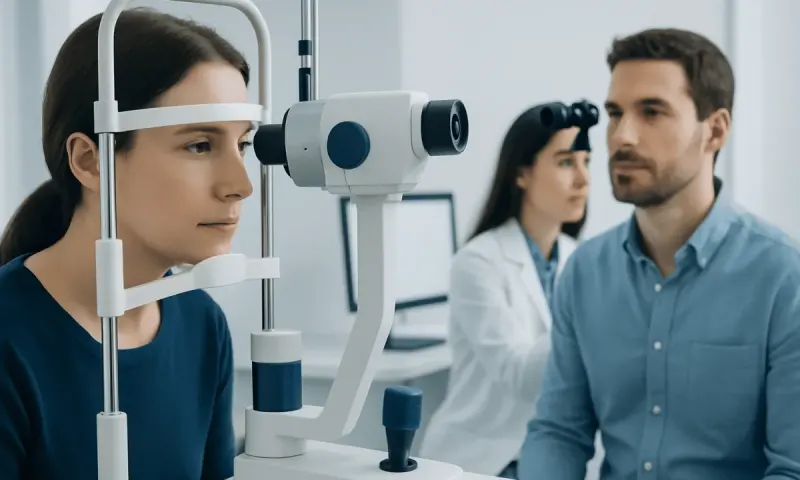
A meningioma near the optic nerve may cause loss of vision or visual field changes. A skull-base tumor may affect swallowing, facial sensation, eye movement, or hearing. A spinal meningioma can lead to back pain, leg weakness, sensory changes, or trouble walking. These symptoms overlap with many other neurological problems, so it’s worth having a specialist take a proper look.
- Headache that is new, persistent, or progressively worsening
- Seizures or unexplained episodes of staring or confusion
- Weakness, numbness, or clumsiness on one side
- Vision, hearing, speech, or balance problems
- Changes in memory, behavior, or concentration
Why meningioma develops: causes and risk factors

Why did this happen to you? Often there’s no single clear answer. A meningioma begins when cells in the meninges start growing abnormally. Researchers know some risk factors, but most people with meningioma have no definite preventable cause.
Age is one of the strongest risk factors, and meningioma is more common in adults, especially later in life. It is also more frequently diagnosed in women, which suggests that hormonal influences may play a role in some tumors. Prior exposure to ionizing radiation involving the head is another recognized risk factor.
Certain inherited conditions can increase risk, particularly neurofibromatosis type 2. Obesity has also been linked in some studies, although it does not mean a person will develop a tumor. Having one or more risk factors does not guarantee disease, and many people diagnosed with meningioma have none that are obvious.
Doctors may also discuss the difference between benign, atypical, and anaplastic meningioma. These terms describe tumor grade and behavior under the microscope. Higher-grade tumors are less common, but they are more likely to grow faster or return after treatment, so they usually need closer follow-up.
How diagnosis is made and what tests may show
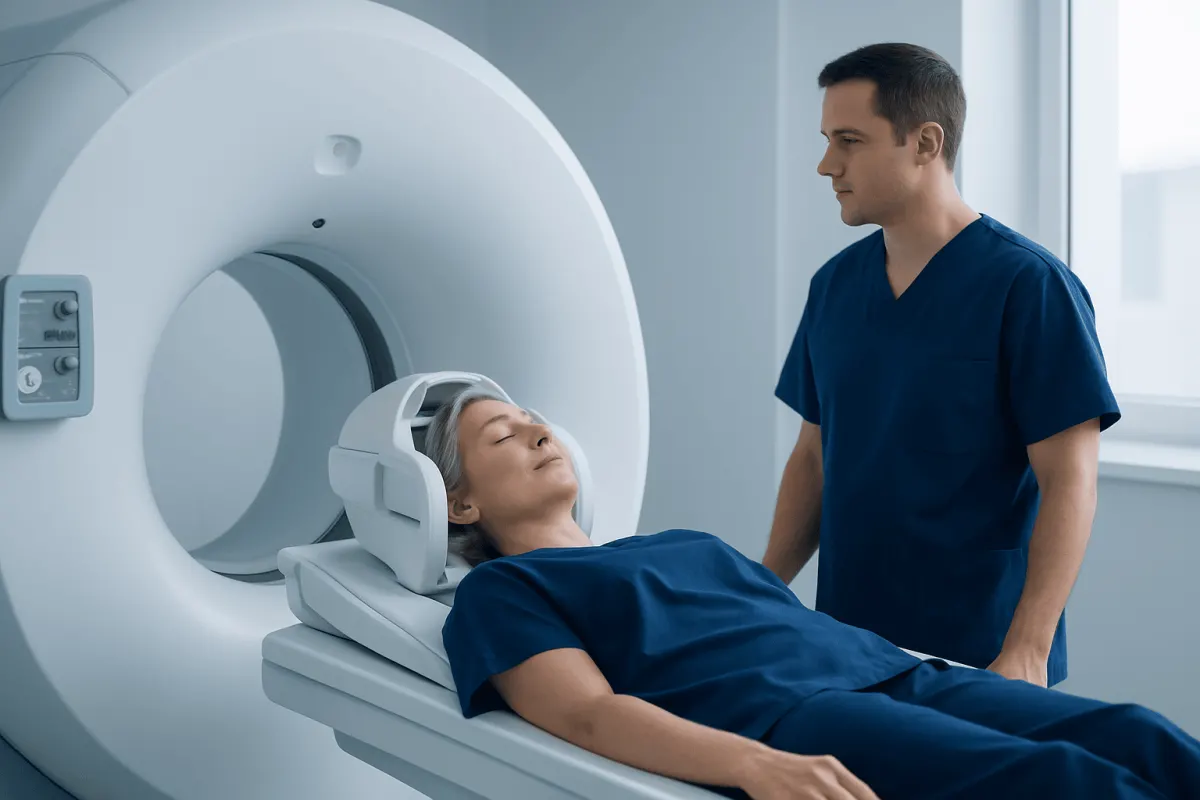
Diagnosis usually begins with a neurological assessment and imaging. Magnetic resonance imaging, especially with contrast, is the main test used to evaluate a suspected meningioma. MRI helps define the tumor’s size, exact location, relationship to nearby nerves and vessels, and whether surrounding brain tissue is affected by swelling.
Computed tomography may also be useful, particularly for showing calcification in the tumor or changes in the skull bone. In some cases, advanced imaging is used to help with surgical planning or to distinguish meningioma from other conditions. Doctors also consider whether symptoms could be related to another diagnosis, such as brain tumors of a different type or other neurological disorders.
Not every patient needs a biopsy before treatment. When imaging strongly suggests meningioma and the tumor is causing symptoms or is accessible, diagnosis may be confirmed when the tumor is removed surgically. A pathologist then examines the tissue to determine the grade, which helps guide outlook and follow-up recommendations.
Because treatment decisions can be complex, diagnosis often involves a multidisciplinary review by neurosurgery, neuroradiology, neurology, and radiation oncology. This team-based approach is especially valuable for tumors near critical structures where preserving function is as important as controlling the tumor.
Modern treatment approaches and how doctors choose
There’s no automatic treatment for meningioma — it’s tailored to you. Some tumors can simply be watched with regular MRI scans, especially if they’re small, found by chance, and causing no symptoms. Watch-and-wait doesn’t mean your condition is being ignored. It means your team is tracking growth and will step in only if needed.
When treatment is necessary, surgery is often the main option. The goal is to remove as much of the tumor as is safely possible while protecting nearby brain tissue, cranial nerves, and blood vessels. For many patients, neurosurgery can relieve pressure-related symptoms and provide tissue for a definitive diagnosis. In some cases, complete removal is not possible because the tumor is attached to important structures, and partial removal may be the safest choice.
Radiation therapy may be recommended after surgery, instead of surgery, or for recurrent tumors. Focused techniques are especially useful for small tumors, tumors in difficult-to-reach areas, or residual tumor left behind to avoid nerve damage. Depending on the case, a doctor may discuss Gamma Knife radiosurgery or carefully planned radiation therapy to target tumor cells while limiting exposure to surrounding tissue.
Drug therapy has a more limited role than surgery or radiation for most meningiomas, but it may be considered in selected advanced or recurrent cases. The treatment plan also addresses symptoms such as seizures, swelling, or headaches. For patients with related concerns such as hydrocephalus, care may overlap with management principles used in conditions like intracranial tumors, depending on the clinical picture.
Outlook, recovery, and long-term follow-up
The good news: the outlook is often favorable, especially for slow-growing benign tumors that can be fully removed or controlled with surgery and radiation. Still, prognosis never rests on one factor alone. Your doctors will weigh the tumor grade, how much was removed, whether it’s invading nearby structures, and whether it has regrown over time.
Recovery after treatment depends on the tumor’s location and the type of therapy used. Some patients improve quickly once pressure on the brain or spinal cord is relieved. Others may need time, rehabilitation, or medication adjustments, especially if they had seizures, weakness, balance issues, or vision problems before treatment.
Follow-up scans matter, because meningiomas can stay stable for years or come back even after successful treatment. How often you’ll need an MRI depends on your situation — usually more frequently early on, or with higher-grade tumors. Long-term monitoring catches change before it causes real trouble.
Patients may benefit from asking practical questions about expected recovery, work, driving, exercise, seizure precautions, and future scan schedules. If care is being coordinated internationally, Acıbadem Health Point’s multidisciplinary specialists and JCI-accredited hospitals diagnose and treat meningioma for international patients using individualized treatment planning.
When to seek medical care
Don’t sit on persistent neurological symptoms — especially if they’re new, getting worse, or hard to explain. See a doctor for ongoing headaches, seizures, unexplained weakness, numbness, balance problems, or changes in vision, speech, memory, or behavior.
Urgent care is important if symptoms appear suddenly, if a seizure happens for the first time, or if there is significant confusion, severe weakness, or rapid decline in alertness. These symptoms can have causes other than meningioma, but they should not be ignored because prompt assessment can identify whether emergency treatment is needed.
After a meningioma diagnosis, follow-up should continue even if the tumor is being observed rather than actively treated. New symptoms between scheduled appointments should be reported. Patients should also ask for medical advice before stopping medicines prescribed for seizures, swelling, or pain.
Frequently asked questions
01Is meningioma a brain cancer?
Meningioma is usually not considered a typical brain cancer because most cases are benign and slow growing. However, it is still a brain-related tumor that can cause important symptoms by pressing on nearby structures. A smaller number of meningiomas are atypical or malignant and may behave more aggressively.
02Can a meningioma be left untreated?
Yes, some meningiomas can be monitored without immediate treatment if they are small, not causing symptoms, and not showing significant growth. This approach usually involves regular MRI scans and specialist follow-up. Treatment is reconsidered if symptoms develop or imaging shows change.
03What is the best treatment for meningioma?
There is no single best treatment for every patient. The most appropriate option depends on the tumor's size, location, symptoms, growth pattern, and grade, as well as the person's age and general health. Common strategies include observation, surgery, radiation therapy, or a combination of these.
04Can meningioma come back after treatment?
Yes, meningioma can recur, even after successful treatment. The risk depends on the tumor grade, whether it was completely removed, and its location. This is why follow-up imaging is an important part of long-term care.
05Does every meningioma need surgery?
No, not every meningioma requires surgery. Some tumors are better managed with observation or focused radiation, especially if they are small or located near delicate structures where surgery may carry higher risk. A neurosurgical opinion helps clarify which approach is safest and most effective.
06What symptoms suggest a meningioma should be checked quickly?
Symptoms that deserve prompt medical attention include a first seizure, progressive weakness, persistent or worsening headaches, speech problems, confusion, or changes in vision. Sudden severe symptoms should be treated as urgent because they may indicate pressure on the brain or another serious neurological condition.
This article is for general information only and is not a substitute for professional medical advice. Please consult a qualified doctor about your individual situation.
Joint and spine care in Turkey — expert assessment & treatment
JCI-accredited · board-certified surgeons · reply within 24h
Add us as a Preferred Source to see more of our trusted health content across Google Search, AI Overviews and Discover.