MEN 2 Syndrome: Genetic Risks and Lifelong Care
MEN 2 syndrome, also called multiple endocrine neoplasia type 2 (MEN2), is a rare inherited condition that can cause tumors in hormone-producing glands, especially the thyroid and adrenal glands. Genetic testing, planned screening, and timely treatment can greatly support early detection and long-term health.
Overview: What Is MEN 2 Syndrome?
MEN 2 syndrome is a genetic condition that increases the likelihood of developing certain endocrine tumors. Endocrine glands make hormones that help regulate functions such as metabolism, Systolic Blood Pressure: What Patients Need to Know" class="ahp-ilk">blood pressure, calcium balance, and the body’s response to stress. The condition is also known as multiple endocrine neoplasia type 2, or MEN2.
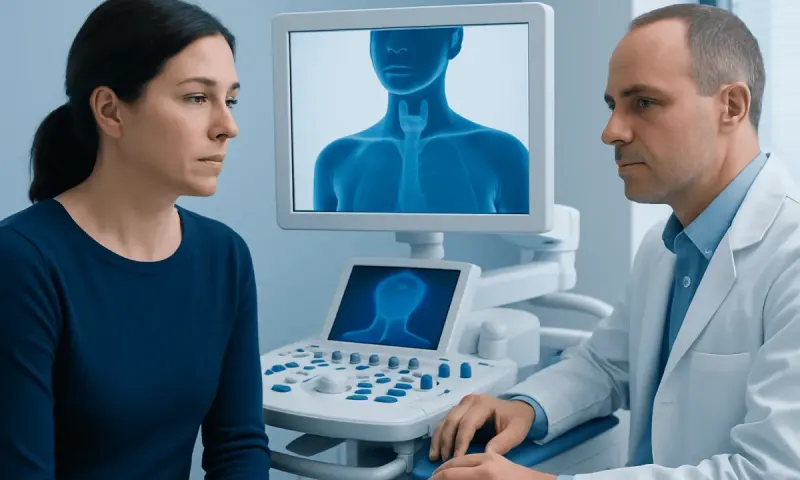
The main health concern in MEN2 is medullary thyroid cancer, a cancer arising from the thyroid gland’s parafollicular cells. Many affected people also have a higher risk of pheochromocytoma, a tumor that develops in the adrenal glands. Some forms of MEN2 can also cause overactivity of the parathyroid glands, which regulate calcium levels.
MEN2 is uncommon, but it is important to identify because screening can find gland changes before symptoms develop. Care is tailored to the person’s RET gene result, age, family history, test results, and the specific MEN2 subtype. With structured surveillance and appropriate treatment, many risks can be managed proactively.
Types of MEN2 and How They Differ
MEN2 is commonly divided into MEN2A and MEN2B. The term familial medullary thyroid cancer has also been used for families in which medullary thyroid cancer is the main finding without the other typical endocrine tumors. These patterns are all related to disease-causing changes in the RET gene.
MEN2A is the more common form. People with MEN2A have a high risk of medullary thyroid cancer and may develop pheochromocytoma. Some also develop primary hyperparathyroidism, in which one or more parathyroid glands produce too much parathyroid hormone and raise calcium levels in the blood.
MEN2B is less common and is usually associated with a particularly early and aggressive risk of medullary thyroid cancer. Pheochromocytoma can also occur. People with MEN2B may have noncancerous nerve-tissue growths called mucosal neuromas, often on the lips, tongue, or inside the mouth, as well as distinctive body features. Not every person will have the same signs, even within the same family.
Symptoms and Possible Signs
MEN2 itself may not cause noticeable symptoms at first. This is why people known to carry a RET gene variant need regular assessments even when they feel well. Symptoms depend on which gland is affected and whether a tumor is making excess hormones.
Medullary thyroid cancer may cause a thyroid nodule, neck fullness, hoarseness, trouble swallowing, or enlarged lymph nodes in the neck. However, early disease may have no physical symptoms. Persistent diarrhea or flushing can occur in more advanced cases but are not specific to MEN2 and should be assessed by a clinician.
Pheochromocytoma may lead to episodes of high blood pressure, severe headaches, sweating, a rapid or pounding heartbeat, tremor, pallor, or anxiety-like sensations. These symptoms can come and go. Primary hyperparathyroidism may cause tiredness, constipation, increased thirst or urination, kidney stones, bone discomfort, or concentration difficulties, although it can also be detected only through blood tests.
- A neck lump or persistent voice change should be medically assessed.
- Sudden episodes of headache, palpitations, and sweating warrant prompt evaluation, especially in a person with MEN2 or a family history.
- Children in affected families may require testing and monitoring before any symptoms appear.
Causes, Inheritance and Family Risk
MEN 2 syndrome is usually caused by a disease-causing variant in the RET gene. RET provides instructions involved in the development and signaling of certain cells. When a harmful RET variant is present, cells in particular endocrine tissues can be more likely to grow abnormally over time.
Most cases are inherited in an autosomal dominant pattern. This means a person with a RET variant has a 50% chance of passing it on to each child, regardless of the child’s sex. A parent may have mild or unrecognized disease, so a family history is not always obvious. Less commonly, a RET variant develops for the first time in a person without an affected parent.
Genetic counseling can help individuals and families understand what a test result means, who in the family may be at risk, and how results may influence screening. Testing relatives for the specific RET variant already identified in a family is more informative than relying on symptoms alone. A negative result for the known family variant generally means that MEN2-specific surveillance is not needed.
Diagnosis and Ongoing Monitoring
Diagnosis begins with a clinical review of personal and family history, followed by genetic testing for RET variants when MEN2 is suspected. Genetic testing may be recommended for anyone diagnosed with medullary thyroid cancer, particularly when it occurs at a younger age or alongside a relevant family history. It is also offered to close relatives when a familial RET variant has been identified.
Monitoring is planned according to the RET variant and MEN2 subtype. It may include blood tests for calcitonin, a marker that can rise with medullary thyroid cancer, as well as neck ultrasound and clinical examination. A normal calcitonin result does not replace individualized medical follow-up, particularly in children and young adults with a known RET variant.
Screening for pheochromocytoma typically includes blood or urine testing for metanephrines, substances produced when stress hormones are broken down. Calcium and parathyroid hormone tests can help identify hyperparathyroidism. If surgery is being considered, it is especially important to exclude pheochromocytoma first, because an untreated hormone-producing adrenal tumor can create serious blood pressure changes during an operation.
Treatment Options and Long-Term Care
Treatment is guided by the organs involved and the person’s genetic risk. For people with a RET variant associated with medullary thyroid cancer, surgery to remove the thyroid may be recommended before cancer develops or at an early stage. The timing is individualized and may range from early childhood to later years depending on the specific variant, laboratory findings, imaging, and specialist assessment.
After thyroid removal, lifelong thyroid hormone replacement is required. If cancer is found, the surgical plan may also include removal of nearby lymph nodes when clinically appropriate. Medullary thyroid cancer does not usually respond to radioactive iodine treatment because it arises from different thyroid cells than the more common forms of thyroid cancer.
Pheochromocytoma is generally treated with surgery after careful preparation to stabilize blood pressure and heart rate. Some people may need removal of one adrenal gland, while specialists may consider adrenal-sparing approaches in selected situations. Primary hyperparathyroidism may be treated with surgery when calcium levels, symptoms, kidney health, bone health, or other clinical factors indicate that it is needed.
For advanced or progressive medullary thyroid cancer, treatment may include carefully selected targeted medicines, including therapies that act on altered RET signaling, as well as other systemic options. Decisions are best made by a multidisciplinary team with experience in endocrine tumors. Acıbadem Health Point’s multidisciplinary specialists and JCI-accredited hospitals diagnose and treat MEN2-related conditions for international patients.
Living With MEN2 and When to Seek Medical Care
There is no lifestyle change that can prevent an inherited RET variant from being passed through a family or eliminate MEN2-related tumor risk. However, keeping scheduled screening appointments, sharing updated family history, taking prescribed hormone replacement as directed, and discussing new symptoms promptly are practical parts of self-care. Genetic counseling may also provide valuable emotional and practical support for family planning and communication with relatives.
People with MEN2 should seek medical care promptly for a new neck mass, persistent hoarseness, swallowing difficulty, or unexplained swollen lymph nodes. Medical advice is also important for recurring episodes of severe headache, sweating, palpitations, or markedly elevated blood pressure, as these can be signs of pheochromocytoma. Sudden severe symptoms, chest pain, fainting, severe shortness of breath, or symptoms of a hypertensive emergency require urgent emergency assessment.
A person with a parent, sibling, or child who has a confirmed RET variant or MEN2 should ask a doctor about genetic counseling and testing, even if they have no symptoms. Early assessment is particularly important for children in affected families because screening and preventive care may need to begin at an age determined by the family’s specific RET variant.
Frequently asked questions
01Is MEN 2 syndrome cancer?
MEN 2 syndrome is not itself a cancer. It is an inherited condition that significantly raises the risk of certain tumors, including medullary thyroid cancer. Some associated tumors are noncancerous but can still produce excess hormones and require treatment.
02Can MEN2 be cured?
The underlying RET gene variant cannot currently be removed from every cell in the body. However, regular screening, preventive thyroid surgery when appropriate, and treatment of identified tumors can substantially reduce health risks. Lifelong follow-up remains important after treatment.
03At what age does MEN2 begin?
The age at which MEN2-related changes develop varies widely and depends largely on the specific RET variant. Some people need evaluation in childhood, while others may not develop findings until adulthood. A specialist uses the genetic result to recommend the appropriate timing of screening.
04Should family members be tested for MEN2?
Yes, close biological relatives of a person with a confirmed disease-causing RET variant are usually offered genetic counseling and targeted testing. Because MEN2 is often inherited in an autosomal dominant pattern, children, parents, and siblings may be at risk. Testing can clarify who needs regular surveillance and who does not.
05Does everyone with a RET mutation develop MEN2?
The likelihood and pattern of disease vary by the exact RET variant. Many disease-causing variants carry a high lifetime risk of medullary thyroid cancer, but the age of onset and risks of adrenal or parathyroid disease differ. Genetic specialists can explain the expected risk associated with a specific result.
06Can MEN2 affect pregnancy?
Many people with MEN2 can have healthy pregnancies, but pre-pregnancy planning with endocrinology, genetics, and obstetric teams is helpful. Screening for pheochromocytoma is particularly important before pregnancy or early in pregnancy when there is a known risk. A parent with a RET variant may also wish to discuss reproductive genetic options with a genetic counselor.
This article is for general information only and is not a substitute for professional medical advice. Please consult a qualified doctor about your individual situation.
Medical weight-loss options in Turkey — costs & eligibility
JCI-accredited · board-certified surgeons · reply within 24h
Add us as a Preferred Source to see more of our trusted health content across Google Search, AI Overviews and Discover.