Mastectomy Surgery: Options, Recovery, and Risks
Mastectomy surgery removes all or nearly all breast tissue to treat breast cancer or reduce a very high future risk. The operation, recovery plan and need for additional treatment are tailored to the diagnosis, lymph-node assessment, reconstruction choices and the person's goals.
Overview: How Mastectomy Surgery Works
Mastectomy surgery is an operation that removes all or nearly all breast tissue. It is used to treat breast cancer and, for some people at very high inherited risk, to reduce the chance of developing breast cancer. The most suitable approach depends on the type and extent of disease, personal medical history, reconstruction preferences and the person’s priorities.
A total, or simple, mastectomy removes the breast tissue and usually the nipple and areola. A skin-sparing mastectomy keeps most of the breast skin to support reconstruction, while a nipple-sparing mastectomy may preserve the nipple in carefully selected cases. A modified radical mastectomy includes removal of breast tissue and lymph nodes under the arm when this is medically necessary.
Mastectomy is not automatically the best or only choice for every breast cancer. For many people with early-stage cancer, breast-conserving surgery followed by radiation can be an alternative with comparable long-term survival outcomes. A recommendation for mastectomy does not necessarily mean that cancer is advanced; it may reflect the location, extent or biology of the cancer, or an individual’s informed choice.
Who May Be a Candidate for Mastectomy?
A breast surgeon may discuss mastectomy when cancer is present in more than one area of the breast, covers a large area relative to breast size, or is associated with widespread abnormal calcifications. It may also be considered when cancer remains after prior breast-conserving surgery, when radiation therapy is not advisable, or when a person prefers mastectomy after understanding the available options.
Risk-reducing mastectomy may be an option for people with certain inherited gene changes, such as BRCA1 or BRCA2, or a very strong family history. This is a personal decision that is usually supported by genetic counseling, breast imaging and a careful discussion of expected risk reduction, limitations and alternatives. Even after a risk-reducing procedure, a small amount of breast tissue can remain, so risk is lowered rather than eliminated.
Before surgery, the care team reviews biopsy findings, imaging, overall health, medications and any prior cancer treatment. The discussion should also cover whether one breast or both breasts are being considered, whether reconstruction is desired, and whether lymph-node surgery may be needed. Removing the unaffected breast is not routinely necessary for everyone with cancer in one breast, and its potential benefits differ according to individual risk.
Mastectomy Procedure: Step by Step
Planning begins with consultations involving a breast surgeon and, if reconstruction is being considered, a plastic and reconstructive surgeon. The team explains fasting instructions, medication changes, blood tests or imaging that may be needed, and practical arrangements for going home. A sentinel lymph-node biopsy may be planned at the same time if the cancer type or stage calls for lymph-node assessment.
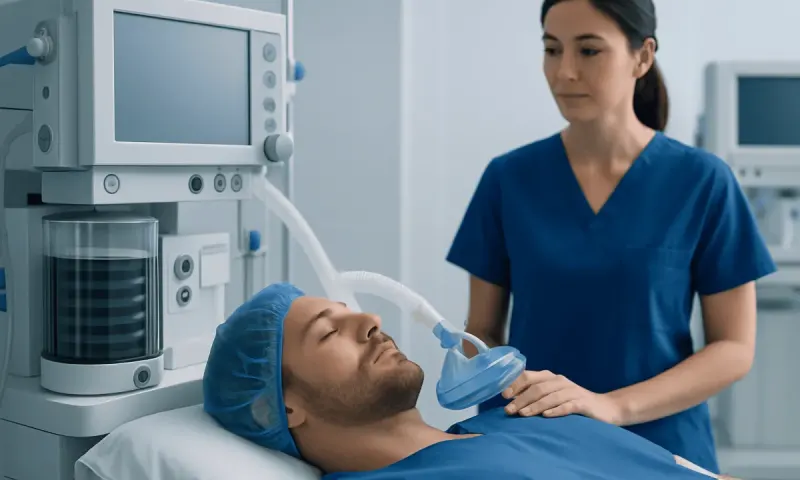
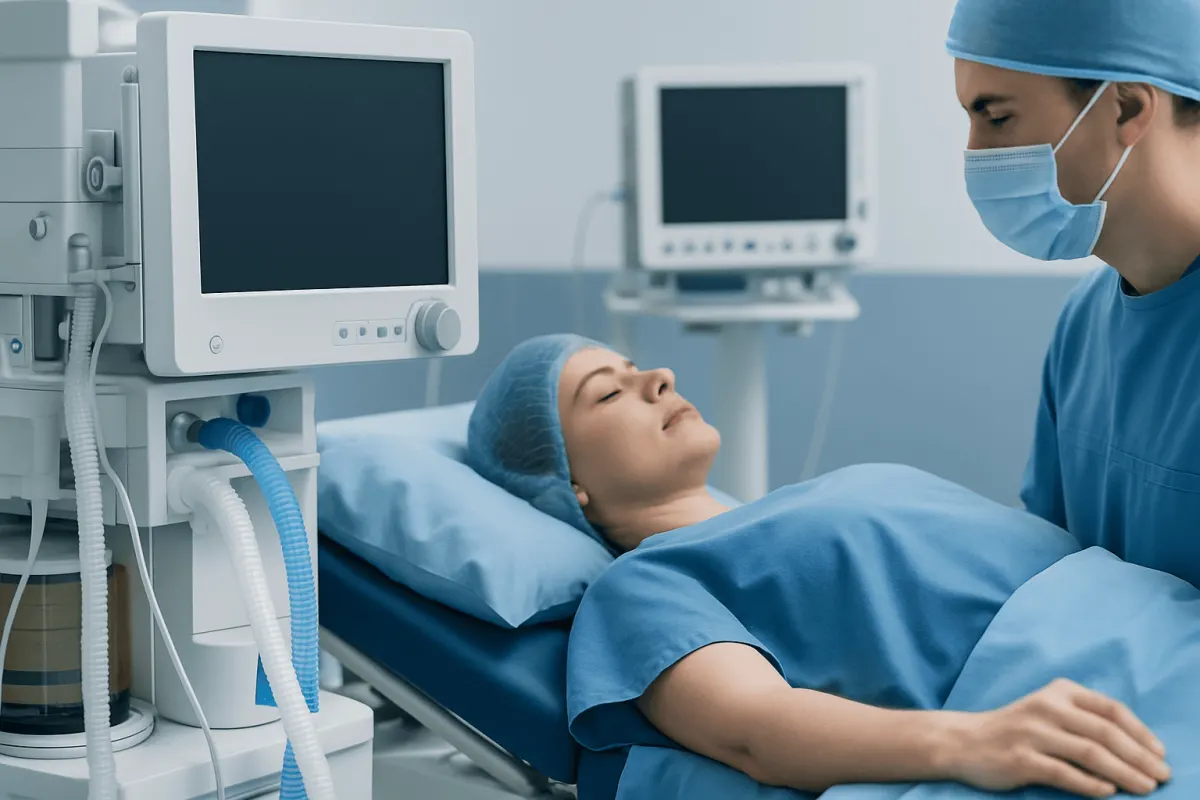
On the day of surgery, mastectomy is performed under general anesthesia. The surgeon makes an incision designed for the planned type of mastectomy, removes the appropriate breast tissue, and sends the tissue for detailed examination by a pathologist. If lymph nodes need to be checked, the surgeon may remove one or a few sentinel nodes, or more nodes in selected situations.
- The incision is closed with stitches, staples or surgical adhesive, depending on the technique.
- Temporary drainage tubes may be placed to collect fluid while the area heals.
- A dressing or supportive surgical bra may be applied, and reconstruction may be performed immediately or at a later date.
After surgery, the recovery team monitors pain control, nausea, circulation and the surgical site. Some people go home the same day, while others stay overnight or longer depending on the operation, reconstruction and general health. Final pathology results usually guide the next steps, including whether additional cancer treatment is recommended.
Recovery Timeline and the Hardest Days
Recovery varies with the type of mastectomy, whether lymph nodes were removed and whether reconstruction was performed. During the first days, it is common to have chest tightness, tiredness, bruising, swelling and numbness across the chest or upper arm. The surgical team provides individual instructions for wound care, showering, drain management, prescribed medicines and gentle arm exercises.
What are the worst days after a mastectomy?
For many people, the first few days after a mastectomy are the most uncomfortable because anesthesia effects, soreness, fatigue and limited mobility overlap. Drain care and sleeping in a new position can also feel challenging. Discomfort should gradually improve rather than worsen, and the care team should be contacted if pain is not controlled or new symptoms develop.
Drainage tubes, if used, are commonly removed once drainage has reduced to a level set by the surgical team. Light walking is usually encouraged soon after surgery, but lifting, strenuous activity and driving should wait until the surgeon confirms it is safe. Many people resume everyday activities over several weeks, while recovery after flap-based reconstruction or complications can take longer.
Benefits, Risks and Long-Term Results
The main benefit of mastectomy for cancer treatment is removal of known breast disease and reduction of the risk of cancer returning in the operated breast area. For people at very high genetic risk, risk-reducing mastectomy can substantially lower the chance of future breast cancer. However, surgery is only one part of cancer care, and additional treatments may still be advised based on the final pathology report.
Every operation has possible complications. The surgical team explains personal risks before consent and gives clear instructions for recognizing problems during recovery.
- Bleeding, infection, fluid collection called a seroma, delayed wound healing or an unfavorable scar can occur.
- Temporary or lasting numbness, tightness, altered chest sensation and shoulder stiffness are common concerns.
- Lymphoedema, or arm swelling, is more likely when lymph nodes are removed or radiation is given to the underarm area.
- Blood clots, anesthesia reactions and chronic pain are less common but important risks to discuss.
How often does breast cancer come back after a mastectomy?
Breast cancer can recur after a mastectomy, but local or regional recurrence is uncommon when early-stage disease is appropriately treated. A person’s risk depends on the original cancer stage, tumor biology, lymph-node involvement, surgical margins and whether treatments such as radiation, hormone therapy, targeted therapy or chemotherapy are used. Mastectomy cannot prevent distant recurrence because cancer cells may have spread before surgery, which is why follow-up and recommended systemic treatment remain important.
Preparing for Surgery and Setting Up Home Recovery
Preparation can make the first week at home feel more manageable. It is helpful to arrange transport, ask a trusted person to assist with meals or household tasks, and clarify how to reach the surgical team after hours. Before leaving hospital, the person should understand their written instructions for incision care, drains, activity, medicines and follow-up appointments.
What I wish I knew before a mastectomy?
Many people find it helpful to know that healing has both physical and emotional aspects. Numbness or altered sensation may last longer than expected, the chest may look and feel different during healing, and pathology results can make the waiting period stressful. It can also be reassuring to know that reconstruction is optional and may be immediate, delayed or not chosen at all; there is no single right decision.
What do I need at home after a mastectomy?
A recovery area with essential items within easy reach can reduce unnecessary stretching and lifting. Comfortable front-opening clothing, loose tops, supportive pillows, easy meals and a notebook or phone record for drain output can be useful. The person should follow the surgeon’s specific guidance rather than using products on the incision or changing dressings without approval.
- Keep the discharge instructions, contact numbers and follow-up schedule in an accessible place.
- Have a thermometer available if the care team recommends monitoring for fever.
- Prepare help for children, pets, shopping, laundry and other activities that require lifting.
When to Seek Medical Care and Follow-Up
Follow-up appointments allow the surgical team to review healing, remove drains or stitches when needed, discuss final pathology and plan ongoing care. People who still have breast tissue on the other side generally continue recommended breast imaging. After a bilateral mastectomy, routine mammograms are not usually performed on removed breasts, but follow-up remains important and any new symptom should be assessed.
The surgical team should be contacted promptly for worsening redness, warmth, drainage with an unpleasant odor, increasing swelling, opening of the incision, fever or a sudden increase in pain. Urgent medical care is needed for chest pain, shortness of breath, fainting, or sudden severe swelling of an arm or leg. These symptoms can have different causes and should not be managed at home.
Emotional support is also part of recovery. A breast care nurse, counselor, rehabilitation specialist or support group may help with body-image concerns, anxiety, fatigue, shoulder mobility or adapting after surgery. At Acıbadem Health Point, multidisciplinary specialists at JCI-accredited hospitals can coordinate diagnosis, mastectomy treatment, reconstruction planning and follow-up care for international patients.
Frequently asked questions
01Is a mastectomy the same as a double mastectomy?
No. A mastectomy may remove one breast, while a double, or bilateral, mastectomy removes breast tissue from both breasts. The reason for removing one or both breasts depends on the cancer diagnosis, inherited risk, family history and personal preferences.
02Will lymph nodes always be removed during mastectomy surgery?
No. Some people have a sentinel lymph-node biopsy, which checks the first nodes likely to receive drainage from the breast. More extensive node removal is only needed in selected circumstances, such as known cancer in underarm lymph nodes.
03Can reconstruction be done at the same time as a mastectomy?
Yes, reconstruction may be immediate, meaning it is performed during the mastectomy operation, or delayed until later. The best timing depends on cancer treatment needs, overall health, tissue options and the person's preferences.
04Does mastectomy surgery always require radiation or chemotherapy afterward?
No. The need for radiation, chemotherapy, hormone therapy, immunotherapy or targeted therapy is based on the cancer's stage and biology, lymph-node findings and final pathology. Mastectomy removes breast tissue, but it does not replace other treatments when they are recommended to lower recurrence risk.
05How long does it take to return to normal activities after a mastectomy?
Many people gradually return to lighter daily activities over the first several weeks, but timing varies considerably. Recovery may take longer after reconstruction, node surgery or complications, and strenuous exercise or lifting should only resume with surgical approval.
06Can a person have breast cancer screening after a mastectomy?
Screening needs depend on how much breast tissue remains and whether one or both breasts were removed. The remaining breast usually continues with recommended imaging, while the chest wall after mastectomy is generally monitored through clinical follow-up and evaluation of new symptoms.
This article is for general information only and is not a substitute for professional medical advice. Please consult a qualified doctor about your individual situation.
Oncology care in Turkey — second opinion and treatment plan
JCI-accredited · board-certified surgeons · reply within 24h
Add us as a Preferred Source to see more of our trusted health content across Google Search, AI Overviews and Discover.