Mask for Eyes to Sleep: What You Need to Know
Key Takeaways
- A sleep eye mask mainly helps by reducing light exposure, which can make it easier to fall asleep and stay asleep.
- The best mask is comfortable, breathable, and gentle on the eyelids and lashes.
- People with dry eyes, eye surgery, skin sensitivity, or certain eye conditions should check with a doctor before regular use.
- A clean mask and good sleep habits can improve comfort and reduce irritation.
- A mask should never cause pressure on the eyes, pain, or blurred vision.
A mask for eyes to sleep can help block light and support better rest, especially for people who are sensitive to brightness or need to sleep during the day. Choosing the right type matters, particularly for anyone with dry eyes, recent eye surgery, or contact lens use.
Overview
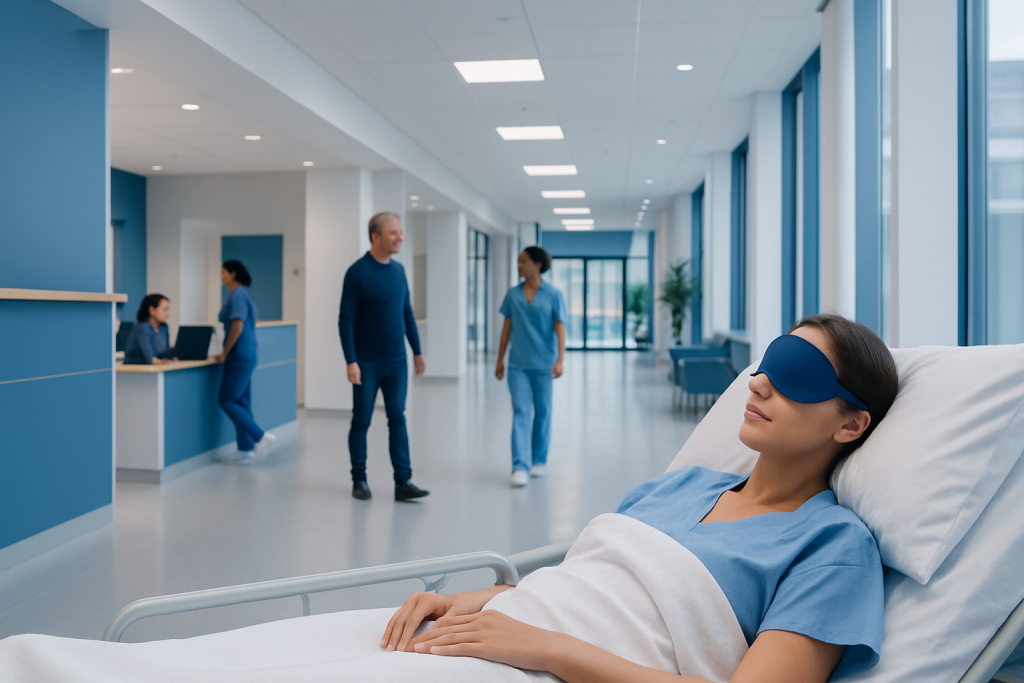
A mask for eyes to sleep is a simple fabric barrier worn over the eyes to reduce light while a person rests. For many people, that is its main value: less light can make the sleep environment feel calmer, especially in bright homes, hotels, hospitals, or during daytime sleep after a late shift.
People often use a sleep eye mask when curtains are not enough, when traveling across time zones, or when they share a room and need a private dark space. In that sense, it is less a beauty accessory and more a practical sleep tool. The right mask should feel nearly unnoticeable once it is on.
It is also worth saying that a mask for eyes to sleep does not treat an eye disease. It can support comfort and sleep hygiene, but it does not replace medical care for dry eye, eyelid irritation, glaucoma, blurred vision, or any other eye symptom that needs assessment.
How it may help sleep

Light is one of the strongest signals that tells the brain when to stay awake and when to wind down. By limiting stray light from street lamps, screens, or early morning sun, a sleep mask can help the body maintain a more sleep-friendly environment. Many people find this especially helpful when traveling or when their sleep schedule changes.
A mask can also help people create a small, predictable routine. The act of putting it on may become a cue that it is time to settle down, which can be useful for those who find it hard to mentally switch off at night. This routine effect is simple, but it can be meaningful.
For some people, the biggest benefit is not deeper sleep but fewer awakenings from light changes. A room that becomes brighter at dawn or a hotel room with thin curtains can be enough to interrupt rest. In those situations, a well-fitting eye mask may reduce those light-related disturbances.
Who may benefit most

Not everyone needs a sleep mask, but certain situations make it more useful. Shift workers, frequent flyers, light sleepers, and people who share sleeping spaces often report the most benefit. It may also help during hospital stays, after long travel, or when recovering from a routine that has been disrupted.
People who are sensitive to light may also appreciate the extra darkness. That said, light sensitivity can sometimes be a symptom of dry eye, migraine, inflammation, or another condition, so repeated or severe sensitivity should not be ignored. The mask may bring comfort, but the underlying reason still deserves attention.
- Travel across time zones
- Daytime sleep after night shifts
- Bright bedroom environments
- Shared rooms or unfamiliar sleeping places
- Temporary sensitivity to light after a busy day or long screen exposure
Materials, fit, and design
The best mask for eyes to sleep is usually the one that fits well without pressing on the eyes. Some designs are flat and lightweight, while others are contoured so that the fabric does not rest directly on the eyelids or eyelashes. A gentle fit is especially important for people who do not like any pressure around the eye area.
Material choice matters too. Soft cotton, silk, and other breathable fabrics are often preferred because they can feel cooler and less irritating against the skin. People with sensitive skin may want to avoid rough seams, tight elastic bands, or heavy synthetic fabrics that trap heat.
Some features may be helpful depending on the person’s needs, such as adjustable straps, molded eye cups, or washable covers. The goal is not the darkest or most expensive mask, but the one that supports sleep comfortably and does not leave the skin feeling rubbed or crowded in the morning.
Possible downsides and safety concerns
Although a sleep eye mask is generally low risk, it is not ideal for everyone. If it is too tight, it can leave pressure marks, irritate the skin, or make the eyes feel uncomfortable. A mask that presses directly on the eyes may be especially bothersome for someone with dry eyes or eyelid sensitivity.
Cleanliness also matters. A mask that is reused for a long time without washing can collect skin oils, makeup residue, and dust. For people prone to eyelid inflammation or acne around the eyes, that buildup may contribute to irritation. Regular cleaning can reduce that risk.
People should also be cautious if they have had recent eye surgery, an eye injury, active infection, or a doctor’s advice to avoid pressure around the eyes. In those settings, even a soft mask may not be appropriate until a clinician confirms it is safe.
How to choose and use one well
When selecting a mask for eyes to sleep, comfort should come before style. A good starting point is to try a mask that blocks light without touching the eyelids too firmly. If a person wears contact lenses, has dry eyes, or moves around a lot in sleep, a contoured design may feel better than a flat one.
It helps to use the mask as part of a broader bedtime routine rather than as a stand-alone solution. Lowering room brightness, avoiding late screen time, and keeping sleep and wake times as regular as possible can make the mask more effective. A sleep mask is often best viewed as one piece of a larger sleep strategy.
- Choose breathable, soft fabric
- Avoid tight straps that leave marks
- Wash it regularly according to the label
- Stop using it if it causes pain, redness, or headache
- Replace it if the padding becomes thin or misshapen
When to see a doctor
Anyone who develops eye pain, persistent redness, blurred vision, unusual discharge, or increasing light sensitivity should speak with an eye doctor rather than assuming the problem is only about sleep. A mask may hide light, but it does not explain why the eyes are reacting in the first place.
Medical advice is also sensible if a person has dry eye symptoms that are not improving, if they recently had surgery, or if they notice that a sleep mask consistently makes symptoms worse. In some cases, a different material or design is enough; in others, an underlying eye condition needs treatment.
For international patients seeking an evaluation, Acibadem Health Point’s multidisciplinary specialists and JCI-accredited hospitals diagnose and treat eye conditions with coordinated care and follow-up support. That can be especially helpful when someone needs assessment, treatment planning, and recovery guidance while away from home.
Practical self-care for better sleep and eye comfort
A sleep mask tends to work best when the whole sleeping environment supports rest. Simple habits such as dimming lights earlier in the evening, limiting late caffeine, and keeping the bedroom cooler and quieter can make it easier to fall asleep. If the eyes feel dry at night, a clinician may also suggest broader dry-eye care rather than relying on a mask alone.
Travel can be a good example of how these steps fit together. On a long flight or in a bright hotel room, a mask for eyes to sleep may help create darkness, but hydration, movement, and a realistic sleep schedule still matter. After arrival, it may take a few nights for the body clock to adjust.
If a person uses the mask often, it is helpful to check in with how the eyes feel in the morning. A good result is simple: less light, more comfort, and no irritation. If the mask becomes part of a routine that produces soreness or dryness, it is time to try a different design or ask a clinician for advice.
Frequently asked questions
01What is a mask for eyes to sleep used for?
A mask for eyes to sleep is used to block light and help create a darker sleep environment. Many people find it useful for travel, daytime rest, or bedrooms that are difficult to darken. It may support sleep, but it does not treat an eye condition.
02Is it safe to sleep with an eye mask every night?
For many people, yes, if the mask is soft, clean, and not too tight. It should not press on the eyes or cause discomfort. If it leads to redness, pain, or morning irritation, the person should stop using it and seek advice.
03Can a sleep mask help with dry eyes?
It may help some people by reducing light and drafts, but it is not a treatment for dry eye disease. In some cases, a poor-fitting mask can actually make irritation worse. Anyone with ongoing dryness should ask an eye doctor about the cause and best treatment.
04Should people who wear contact lenses use a sleep mask?
They usually can, but the mask should be comfortable and should never put pressure on the eyelids. Contact lens wearers who wake with dryness or irritation may need a different fabric, a looser fit, or separate eye care advice. Lenses should never be worn overnight unless an eye doctor has specifically instructed that it is safe.
05What type of material is best for a sleep eye mask?
Soft, breathable materials such as cotton or silk are often preferred because they feel gentle on the skin. The best choice depends on personal comfort, skin sensitivity, and whether the person wants a flat or contoured design. A mask that washes easily is also practical for regular use.
06When should someone avoid using a mask for eyes to sleep?
It is best to avoid or pause use after recent eye surgery, after an eye injury, during an eye infection, or if the mask causes pressure or pain. People with severe light sensitivity or new vision changes should get checked by a doctor. The mask should never replace proper medical evaluation.
This article is for general information only and is not a substitute for professional medical advice. Please consult a qualified doctor about your individual situation.
Explore treatments in Turkey — costs, top hospitals & a free quote
JCI-accredited · board-certified surgeons · reply within 24h
Add us as a Preferred Source to see more of our trusted health content across Google Search, AI Overviews and Discover.