Male Rhinoplasty Before and After: What Changes to Expect

Male rhinoplasty before and after changes often involve better facial balance, refinement of the nasal bridge or tip, and sometimes easier breathing. Results develop gradually, with early swelling improving in weeks and final definition becoming clearer over many months.
Overview: What Male Rhinoplasty Before and After Really Means
Male rhinoplasty is surgery that reshapes the nose to improve appearance, breathing, or both. When people look at “before and after” images, they often focus on size or profile changes. In practice, the most important difference is usually overall facial harmony. A successful result typically makes the nose look balanced with the forehead, eyes, cheeks, lips, and chin rather than drawing attention to itself.
In men, treatment planning often takes a slightly different approach than in women. Many patients want to preserve strong, natural facial features while correcting a hump, a drooping tip, asymmetry, width, or changes related to injury. Surgeons usually try to avoid over-narrowing or over-rotating the nose so the result still suits masculine facial structure.
“Before and after” also includes functional improvement. Some men seek rhinoplasty because of a deviated septum, past sports injury, or long-term nasal blockage. In these cases, changes may include easier airflow, better sleep quality, and less mouth breathing in addition to cosmetic refinement.
What Changes to Expect in Appearance
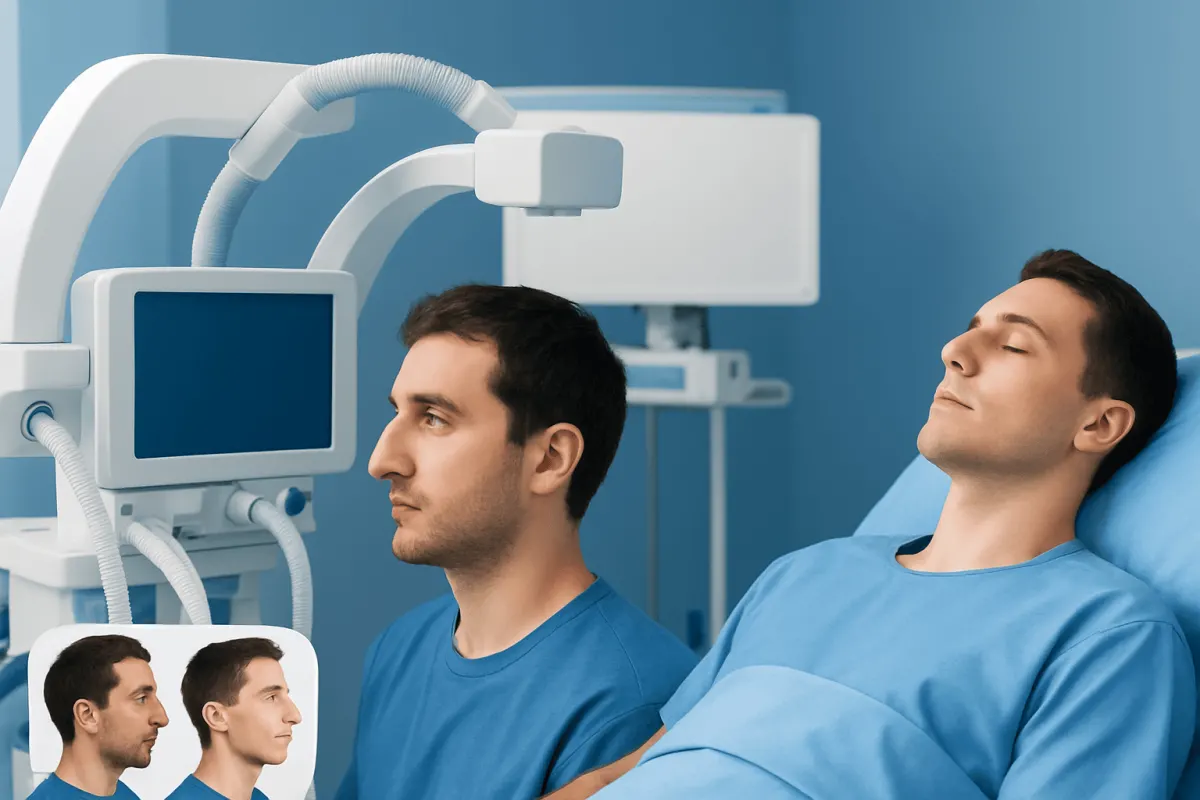
The visible changes after male rhinoplasty depend on the starting anatomy and the goals agreed during consultation. Common improvements include a straighter bridge, reduced hump, smoother side profile, better tip definition, correction of crookedness, and a nose that appears more proportionate from the front. Some men also choose subtle narrowing of the nasal bones or nostrils if these features feel out of balance with the rest of the face.
The best results are usually subtle rather than dramatic. Friends or colleagues may notice that the face looks more balanced or rested without immediately identifying the nose as the reason. This is often the goal: a nose that blends naturally with the patient’s facial identity.
Profile changes are often easiest to see in photos, but front-view changes are just as important. Straightening asymmetry, refining a broad tip, or reducing a twisted appearance can make a meaningful difference. If the chin is relatively small, a surgeon may also discuss whether facial balance could be improved with Aesthetic Surgery vs Jawline Fillers: Which Lasts Longer?" class="ahp-ilk">chin aesthetic surgery rather than making the nose look too small.
Men who have had injury-related changes may also need a more reconstructive approach. In these situations, rhinoplasty may be part of broader treatment after facial trauma, where the priority is to restore both structure and function.
Functional Changes: Breathing, Airflow, and Daily Comfort
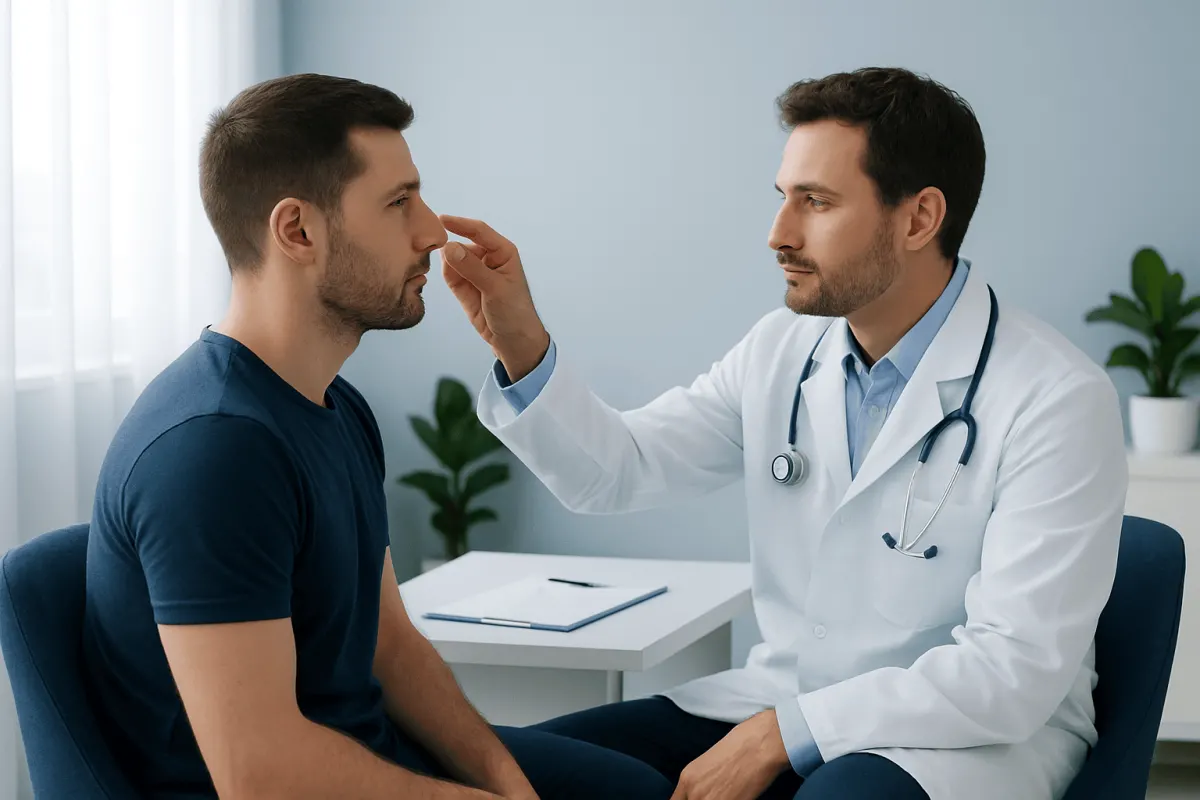
Not every rhinoplasty is only about appearance. Many men seek surgery because they have difficulty breathing through one or both sides of the nose. This can happen because of a deviated septum, collapse of the nasal valves, enlarged internal structures, or old trauma. When these issues are corrected during surgery, the “after” result may include a clearer airway as well as cosmetic improvement.
Better nasal breathing can affect daily comfort in several ways. Some patients find exercise feels easier, especially if they had chronic obstruction before surgery. Others notice less dependence on mouth breathing, less dryness, and improved sleep. However, it is important to understand that surgery does not treat every cause of nasal symptoms. Allergies, sinus disease, and inflammation may still need separate medical care.
During the first weeks after surgery, the nose may actually feel more blocked because of swelling and internal healing. This is a normal part of recovery and does not reflect the final breathing outcome. Surgeons usually explain that function improves gradually as swelling reduces and the tissues settle.
Timeline of Results: From Early Recovery to Final Outcome
Right after surgery, the nose is swollen and sometimes bruised, especially around the eyes. A splint is often used for the first week. When the splint comes off, the nose already looks different, but this is not the final result. Early swelling can make the bridge seem wider or the tip look less defined than expected.
In the first few weeks, most visible bruising improves and social recovery becomes easier. Many patients feel comfortable returning to work or routine activities once the splint is removed and they feel well enough, although exact timing varies. Swelling then continues to decrease over the following months. Thicker skin, more extensive tip work, or revision surgery can prolong this process.
A common point of confusion with male rhinoplasty before and after photos is timing. A one-week photo may show a dramatic change in profile but still a puffy front view. A three- to six-month photo often shows much better contour, while final tip definition may take a year or longer to fully settle. This is why surgeons encourage patience and regular follow-up.
Healing also depends on individual biology, skin thickness, surgical technique, and how closely aftercare instructions are followed. Protecting the nose from injury and avoiding pressure during the healing period can make an important difference.
How Surgeons Plan Natural-Looking Male Rhinoplasty
Planning begins with a detailed consultation. The surgeon evaluates nasal anatomy, skin thickness, septal alignment, tip support, symmetry, and the relationship of the nose to the rest of the face. Photographs are often taken to review the current appearance and discuss realistic goals. This conversation is important because patients may want refinement, but not a result that looks too delicate or unlike their usual features.
Male rhinoplasty often focuses on preserving strength and proportion. Features such as a moderate bridge line, appropriate tip projection, and a natural front view are usually considered carefully. The surgeon may explain which changes are possible, which changes could harm breathing, and which expectations may not suit the patient’s anatomy.
Some men are seeking their first cosmetic procedure and may benefit from a broader conversation about facial balance. In selected cases, related options such as cosmetic (aesthetic) surgery planning or aesthetic neck contouring may be discussed if the goal is comprehensive facial harmony. The exact plan should stay individualized and should not include extra procedures unless they are truly helpful and desired by the patient.
If there is a history of thick or raised scarring, this should be discussed before surgery. People who are prone to keloid scars may need special counseling about wound healing, even though external nasal scars are often small or hidden depending on the technique used.
Recovery, Aftercare, and Self-Care Tips
Recovery after male rhinoplasty is usually manageable, but it requires patience. Patients are commonly advised to rest with the head elevated, use cold compresses around the eyes if recommended, take prescribed medicines as directed, and avoid blowing the nose until cleared by the surgeon. Sleep position matters too, since pressure on the healing nose can affect comfort and swelling.
Activity restrictions are a key part of aftercare. Heavy exercise, contact sports, and anything that risks impact to the nose are usually limited for a period recommended by the surgeon. Glasses may also need special positioning if they rest on the nasal bridge. Sun protection is helpful because healing skin can be more sensitive to discoloration.
Good self-care supports healing but does not replace follow-up visits. Patients should attend scheduled reviews so the surgeon can monitor swelling, breathing, and scar maturation. If the procedure was performed to improve airflow, the surgeon may also recommend saline care or other measures to keep the inside of the nose comfortable during healing.
For international patients, clear discharge instructions and access to follow-up planning are especially important. Near the end of the treatment journey, some people choose centers such as Acıbadem Health Point, where multidisciplinary specialists and JCI-accredited hospitals evaluate and treat aesthetic and functional nasal concerns for international patients.
Risks, Limitations, and When to Contact a Doctor
Like any operation, rhinoplasty has risks and limitations. These can include bleeding, infection, asymmetry, prolonged swelling, scarring, persistent breathing issues, numbness, dissatisfaction with appearance, or the need for revision surgery. Most patients heal without serious problems, but no procedure can guarantee perfection or identical results to edited photos or someone else’s nose.
It is also important to understand that healing is not completely linear. Swelling can vary from day to day, and one side may settle differently before evening out. Small irregularities seen early on often improve as tissues soften. For this reason, final judgments should usually wait until the surgeon says healing is far enough along.
Patients should contact their doctor if they have worsening pain not controlled as advised, heavy bleeding, fever, sudden marked swelling, trouble breathing, or signs of infection. A surgeon should also be informed if the nose is bumped during early recovery. Prompt assessment helps protect both function and the cosmetic result.
Choosing a qualified plastic surgeon or ENT facial plastic specialist, asking careful questions, and understanding the recovery timeline are some of the best ways to improve confidence before surgery. The goal is not simply a different nose, but a safe, thoughtful change that suits the face and supports long-term well-being.
Frequently asked questions
01How long does it take to see final male rhinoplasty results?
Early changes are visible once the splint is removed, but the nose is still swollen at that stage. Most patients see steady improvement over several months, while final tip definition can take a year or sometimes longer.
02Does male rhinoplasty look different from female rhinoplasty?
The surgical principles are similar, but aesthetic goals may differ. Male rhinoplasty often aims to maintain stronger, more angular features and avoid an overly narrow or overly rotated nose.
03Will male rhinoplasty improve breathing?
It can improve breathing if the procedure also corrects structural problems such as a deviated septum or nasal valve narrowing. However, symptoms caused by allergies or sinus inflammation may still need separate treatment.
04How painful is recovery after rhinoplasty?
Most people describe discomfort, pressure, and congestion more often than severe pain. Symptoms are usually managed with the surgeon’s recommended medicines and tend to improve during the first days after surgery.
05When can someone return to work or exercise?
Many patients return to non-strenuous work after about one to two weeks, depending on swelling, bruising, and how they feel. Exercise and contact sports usually need to wait longer, based on the surgeon’s instructions and the type of activity.
06Can rhinoplasty results change over time?
Yes, the nose continues to settle as swelling fades and tissues heal. Aging also affects the face over time, but a well-planned rhinoplasty is designed to remain natural-looking for the long term.
This article is for general information only and is not a substitute for professional medical advice. Please consult a qualified doctor about your individual situation.
Explore treatments in Turkey — costs, top hospitals & a free quote
JCI-accredited · board-certified surgeons · reply within 24h
Add us as a Preferred Source to see more of our trusted health content across Google Search, AI Overviews and Discover.