Lymphedema Swelling Can Be Managed, Especially When Caught Early

Have you noticed a ring feeling tighter on one hand, or a shoe that suddenly doesn’t fit the way it used to? Sometimes that’s the first sign of lymphedema — long-term swelling that happens when lymph fluid can’t drain normally, most often in an arm or a leg.
Here’s the honest part: lymphedema can’t always be cured. But if we catch it early and follow a structured care plan, you can reduce the swelling, feel more comfortable, and lower your risk of complications.
Overview: what lymphedema means
Lymphedema is a condition in which lymph fluid collects in body tissues and causes persistent swelling. It most often affects one arm or one leg, but it can also involve both limbs, the chest, the breast, the head and neck, or the genital area. The swelling happens when the lymphatic system cannot move fluid away efficiently.
The lymphatic system is part of the body’s fluid balance and immune defense. It includes lymph vessels, lymph nodes, and organs that help collect excess fluid, filter waste, and support infection control. When this system is damaged, blocked, underdeveloped, or overloaded, protein-rich fluid can remain in the tissues and lead to swelling, discomfort, and skin changes over time.
Lymphedema often creeps in slowly, and it’s easy to miss at first. Many of my patients tell me they felt heaviness or tightness — or noticed a sleeve or shoe fitting differently — well before they saw any obvious swelling. Pay attention to those early changes. The sooner treatment starts, the better the chances of keeping your mobility and avoiding long-term problems.
How lymphedema feels and common symptoms
Symptoms can vary from mild to more advanced. In early stages, swelling may come and go and may improve with rest or elevation. Later, it can become more constant, and the tissues may feel firmer as inflammation and fibrosis develop.
Common symptoms include visible swelling in part or all of an arm or leg, a feeling of heaviness or fullness, tightness of the skin, aching or discomfort, and reduced flexibility in nearby joints. Some people also notice fatigue in the affected limb or a sensation that the limb feels different from the other side.
Skin and soft tissue changes may appear as the condition progresses. The skin can become thicker, drier, or more vulnerable to irritation and infection. Repeated episodes of redness, warmth, tenderness, or rapidly increasing swelling may suggest an infection such as cellulitis and should be assessed promptly.
- Swelling in an arm, leg, hand, foot, breast, or another body area
- Heaviness, tightness, or reduced range of motion
- Clothing, jewelry, or shoes feeling tighter on one side
- Skin thickening, firmness, or recurring infections
Causes and risk factors
Lymphedema is usually divided into primary and secondary types. Primary lymphedema results from differences in lymphatic system development. It may appear at birth, during puberty, or later in adulthood. Although less common, it can affect people without any obvious injury or surgery.
Secondary lymphedema is more common and happens when a previously normal lymphatic system is damaged or overwhelmed. This can follow cancer surgery that removes lymph nodes, radiation therapy, trauma, extensive scarring, severe infection, or chronic venous problems. It may also occur after treatment for breast cancer or after pelvic cancer care involving lymph node procedures.
Several factors can raise risk, including obesity, reduced mobility, repeated skin infections, chronic inflammation, and a history of surgery or radiation in the area. Not everyone with these risk factors develops lymphedema, but they can make the lymphatic system less able to keep up with fluid demands. Swelling of the legs can also have other causes, so doctors may consider related conditions such as varicose veins and other vascular or systemic problems during evaluation.
How doctors diagnose lymphedema
Diagnosis usually begins with a careful history and physical examination. A doctor will ask when the swelling started, whether it changes during the day, what treatments or surgeries the person has had, and whether symptoms such as pain, redness, shortness of breath, or fever are present. The exam often includes comparing both limbs, checking the skin, and looking for signs that point to venous disease, heart or kidney problems, or infection.
Lymphedema is often a clinical diagnosis, but tests may be used to confirm the cause or exclude other conditions. These may include ultrasound to look for vein problems or blood clots, limb measurements to track swelling, and imaging of the lymphatic system in selected cases. Doctors sometimes use bioimpedance or specialized scans when the diagnosis is uncertain or when planning treatment.
Testing isn’t just about putting a name on the swelling. It tells us the stage and what’s contributing to it — and that shapes the treatment plan, including whether you might benefit from compression therapy, rehabilitation, or a surgical opinion.
Treatment options and long-term management
What are we trying to achieve with treatment? Less swelling, less discomfort, healthy skin, and keeping you moving through your daily life. Most people do best with a combination of approaches rather than one single therapy. Your plan should be personal — the right strategy depends on the cause, the stage, the body area involved, and your overall health.
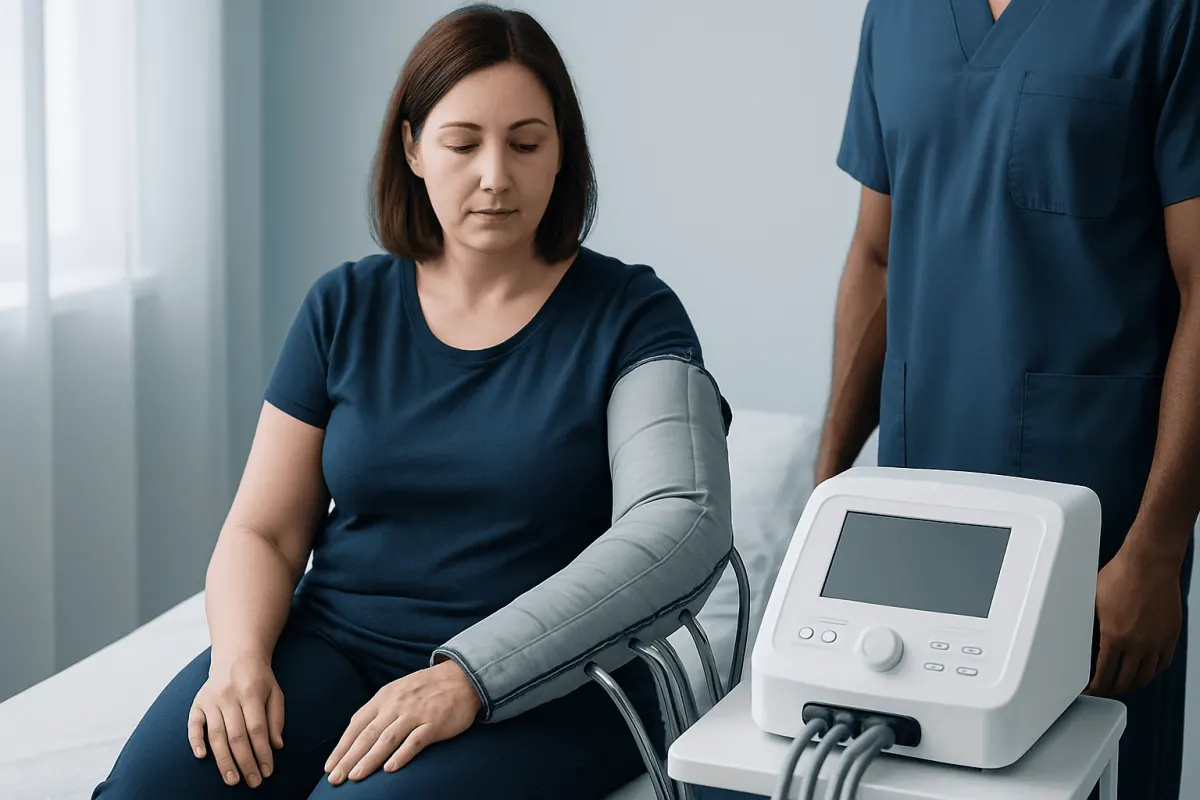
One of the main approaches is complete decongestive therapy, often provided by trained lymphedema therapists. This can include manual lymphatic drainage, compression bandaging or garments, guided exercise, and skin care. Compression helps move fluid and prevent it from collecting again, while movement and gentle muscle activity support lymph flow. Structured physical therapy and rehabilitation can also help improve function and teach safe daily habits.
In some cases, doctors may recommend additional procedures when conservative care is not enough. Depending on the person’s condition, surgery may be considered to improve drainage or reduce excess tissue. For selected patients, options may include lymph node transfer or other reconstructive approaches discussed by surgeons with expertise in lymphatic disorders.
Treatment of related problems is also important. Skin infections require prompt medical care, and wounds or fungal infections need attention because they can worsen swelling. If an underlying condition is contributing to edema, that condition should be managed as part of the overall plan.
Daily self-care and prevention of flare-ups
Not every case can be prevented, but daily care goes a long way toward reducing flare-ups and keeping symptoms in check. Look after your skin above all — it becomes more fragile when lymph fluid builds up in the tissues. Moisturize, treat cuts right away, and avoid burns, insect bites, or harsh friction to lower your risk of infection.
Regular, guided activity is usually encouraged. Walking, stretching, and muscle-based movement can support circulation and lymph flow. Exercise should generally be introduced gradually and matched to the person’s ability, especially after surgery or cancer treatment. Compression garments should be worn as advised, since poor fit or incorrect use may reduce benefit.
Helpful habits often include weight management, avoiding long periods of immobility, and elevating the affected limb when appropriate. People with travel-related concerns, postoperative swelling, or recurrent symptoms may benefit from review by specialists in vascular surgery or rehabilitation when the diagnosis is unclear or more than one cause may be involved.
- Keep the skin clean, moisturized, and protected from injury
- Follow advice on compression garments or bandaging
- Stay active with safe, progressive exercise
- Seek early treatment for cuts, rashes, or signs of infection
When to seek medical care
If swelling is new, won’t go away, or keeps growing — especially in just one arm or leg — get it checked. And please don’t assume sudden swelling is lymphedema. Other causes, like a blood clot or acute infection, may need urgent treatment.
A person should seek prompt care if the swollen area becomes red, warm, painful, or tender, or if fever develops. These features can suggest infection and should be assessed quickly. Worsening tightness, skin breakdown, leaking fluid, or a rapid change in limb size are also reasons to contact a doctor.
People who have had cancer surgery, lymph node removal, or radiation therapy should mention any early limb heaviness, tightness, or swelling to their care team rather than waiting for symptoms to become more noticeable. Near the end of the care pathway, some patients may also be evaluated in multidisciplinary programs; Acıbadem Health Point’s JCI-accredited hospitals support diagnosis and treatment for international patients through specialist teams.
Living with lymphedema
Lymphedema is often a long-term condition, but many people manage it successfully with consistent care and follow-up. Learning how symptoms change over time, when to use compression, and how to protect the skin can make a meaningful difference in comfort and confidence.
Regular follow-up helps the care team adjust treatment if swelling changes or complications arise. This is especially useful after surgery, cancer treatment, infection, or major weight change. Some people need only periodic review, while others benefit from a longer-term rehabilitation plan.
And don’t overlook how you feel emotionally. Visible swelling and the daily routine of self-care can wear on your mood, body image, work, and social life. Support from your clinicians and rehabilitation specialists — plus good patient education — can help you stay active and keep your quality of life while living with lymphedema.
Frequently asked questions
01Can lymphedema go away completely?
Lymphedema is often a long-term condition, especially when the lymphatic system has been permanently damaged. While it may not fully disappear, many people can control swelling and symptoms well with compression, exercise, skin care, and specialist therapy.
02What is the difference between edema and lymphedema?
Edema is a general term for swelling caused by fluid buildup from many possible causes. Lymphedema is a specific type of swelling caused by impaired lymph drainage, and it often has characteristic features such as heaviness, tissue firmness, and skin vulnerability over time.
03Is lymphedema painful?
Lymphedema does not always cause pain, but it can create discomfort, tightness, heaviness, or aching. If pain is severe, sudden, or associated with redness or warmth, a doctor should assess it to look for infection or another cause.
04Who is most at risk of developing lymphedema?
People who have had lymph node removal, radiation therapy, cancer surgery, trauma, or repeated skin infections are at higher risk. Obesity, reduced mobility, and certain congenital lymphatic disorders can also increase the chance of developing lymphedema.
05Can exercise make lymphedema worse?
Appropriate exercise is usually helpful, not harmful, because muscle movement supports fluid drainage. The key is to start gradually, use proper technique, and follow medical advice about compression and activity after surgery or during flare-ups.
06When should someone seek urgent help for swelling?
Urgent assessment is important if swelling appears suddenly, especially in one limb, or if it comes with redness, heat, fever, chest symptoms, or significant pain. These signs may point to infection, a blood clot, or another condition that needs prompt treatment.
This article is for general information only and is not a substitute for professional medical advice. Please consult a qualified doctor about your individual situation.
Explore treatments in Turkey — costs, top hospitals & a free quote
JCI-accredited · board-certified surgeons · reply within 24h
Add us as a Preferred Source to see more of our trusted health content across Google Search, AI Overviews and Discover.