What Is EtG on a Drug Test and What Does It Mean?
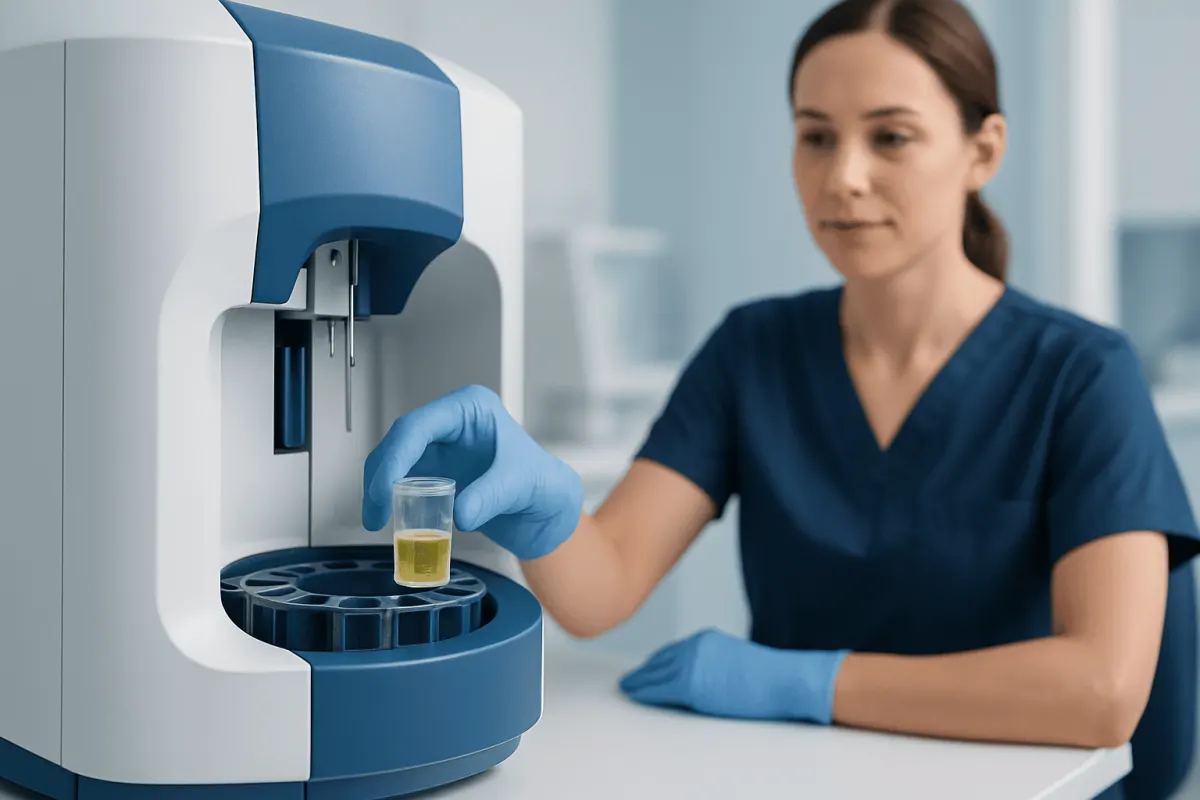
EtG is a substance the body produces after processing alcohol. An EtG test is most often used to look for recent alcohol exposure, and a result should be interpreted in context because it cannot determine intoxication, the amount consumed, or whether a person has alcohol use disorder.
Overview: What Is EtG on a Drug Test?
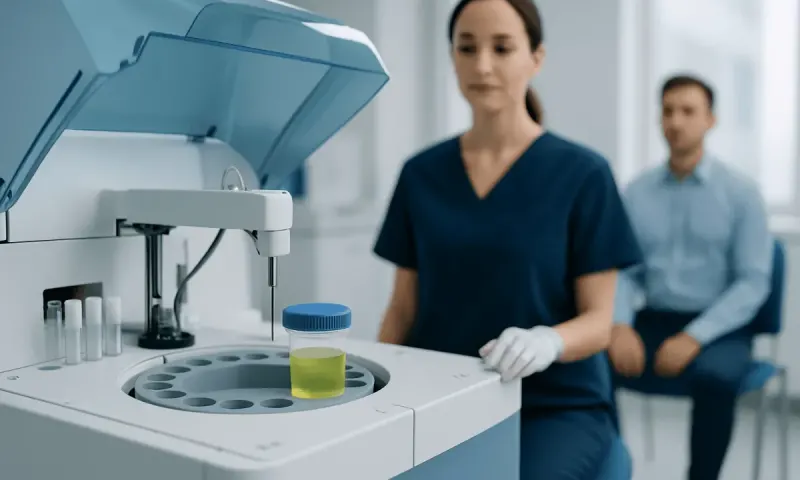
EtG, or ethyl glucuronide, is a by-product made when the liver processes ethanol, the type of alcohol found in beer, wine, spirits, and some other products. An EtG test is usually a urine test that looks for this marker of recent alcohol exposure. It is commonly included in alcohol-monitoring programs, workplace or legal testing, and some clinical settings.
For many people, an EtG result is simply laboratory information and does not indicate an illness. A positive result means EtG was detected above that laboratory’s reporting threshold; it does not show whether a person was intoxicated at the time of testing, how much alcohol they drank, or whether they have an alcohol-related condition.
EtG is not the same as a standard drug screen for substances such as opioids, stimulants, or cannabis. It is an alcohol biomarker. Because interpretation depends on timing, the test cutoff, personal health factors, and possible sources of alcohol exposure, results are best considered alongside the reason for testing and, when appropriate, other laboratory findings.
How EtG Testing Works
After alcohol is consumed, most is broken down through common metabolic pathways. A small portion is converted into metabolites including EtG. Although alcohol itself is cleared relatively quickly, EtG may remain measurable in urine for longer. This makes EtG useful when a test is intended to identify recent exposure rather than current intoxication.
The detection window is variable. It can be influenced by the amount and timing of alcohol consumed, a person’s metabolism, hydration, kidney function, the urine concentration, and the laboratory method used. In general, EtG may be detectable for roughly one to several days after drinking, but it is not possible to calculate an exact time of alcohol use from one result alone.
Laboratories select different cutoff values for reporting positive results. A lower cutoff can be more sensitive to small or remote exposures, while a higher cutoff may reduce the chance that incidental contact with alcohol-containing products affects the result. The laboratory report, test method, and cutoff are therefore important parts of interpretation.
- Screening test: an initial test designed to identify samples that may contain EtG.
- Confirmatory test: a more specific laboratory analysis that may be used when accuracy has important clinical, legal, employment, or treatment implications.
- EtS testing: ethyl sulfate is another alcohol metabolite that may sometimes be measured alongside EtG.
What a Positive or Negative Result Can Mean

A positive EtG result generally indicates that alcohol exposure occurred before the sample was collected. It does not measure blood alcohol concentration and cannot establish whether someone was impaired during work, driving, or another activity. It also cannot reliably distinguish one drinking episode from another or determine the exact quantity consumed.
In some circumstances, repeated positive results over time may support a pattern of ongoing alcohol exposure. Even then, the result should not be used by itself to diagnose alcohol use disorder. Diagnosis involves a confidential clinical assessment of drinking patterns, control over alcohol use, consequences, cravings, withdrawal symptoms, and overall health.
A negative result means EtG was not detected at or above the laboratory’s cutoff. It does not prove that a person has not consumed alcohol at any point in the recent past. Alcohol exposure may have occurred outside the detection window, or the concentration may have been below the cutoff.
Unexpected results can occur. Alcohol-containing mouthwash, hand sanitizers, medicines, fermented foods, and personal care products may contain ethanol. These exposures are usually less likely than drinking to cause significant findings, but they may matter in specific situations, especially with sensitive testing thresholds. People should not try to change their fluid intake or alter a sample; instead, they should request an appropriate review of any disputed result.
Why a Doctor May Order an EtG Test
Doctors may use EtG testing as one part of care when recent alcohol exposure is clinically relevant. For example, it may be considered during treatment for alcohol-related health concerns, monitoring after liver disease has been identified, assessing eligibility for certain therapies, or supporting recovery plans when the patient agrees to testing.
The test may also be used outside routine medical care, including occupational, legal, academic, or rehabilitation programs. In these settings, the organization conducting the test should explain the purpose of testing, its policies, and how results will be handled. Requirements and procedures can vary substantially.
EtG testing does not replace a medical evaluation. If alcohol is affecting sleep, mood, relationships, work, safety, or physical health, a clinician may ask about alcohol use in a nonjudgmental way and consider other tests. For example, people with symptoms of liver illness may need an assessment for liver disease rather than relying on an alcohol biomarker alone.
A thoughtful evaluation may include a health history, medication review, discussion of alcohol and other substance use, physical examination, and targeted blood or imaging tests if indicated. The goal is to understand a person’s health needs, not to draw conclusions from a single laboratory value.
When to Seek Medical Care
An EtG result by itself is usually not a medical emergency. However, medical review is important when alcohol use is becoming difficult to control, is causing harm, or is associated with symptoms that may reflect withdrawal or alcohol-related illness. Seeking help early can be a practical and supportive step.
Prompt medical advice is appropriate for symptoms such as shaking, sweating, anxiety, nausea, vomiting, trouble sleeping, or palpitations after reducing or stopping heavy regular alcohol use. Severe confusion, hallucinations, seizures, fainting, severe vomiting, chest pain, or breathing difficulty require urgent emergency assessment, particularly if they occur after stopping alcohol.
A clinician should also evaluate yellowing of the skin or eyes, abdominal swelling, vomiting blood, black stools, persistent abdominal pain, unexplained bruising, or marked fatigue. These symptoms can have many causes, but they need timely assessment. People should not abruptly stop heavy daily alcohol use without medical guidance because withdrawal can be dangerous for some individuals.
For international patients who need evaluation or treatment planning, Acıbadem Health Point’s multidisciplinary specialists and JCI-accredited hospitals can assess alcohol-related health concerns and arrange appropriate care. Support may include medical assessment, mental health care, and management of associated conditions when needed.
What to Expect During Medical Evaluation
When a result is unexpected or alcohol-related health concerns are present, a doctor will first discuss the reason for testing and the timing of possible exposures. They may ask about beverages, alcohol-containing medicines or products, prescribed drugs, supplements, medical history, and symptoms. This conversation is intended to provide context and guide safe care.
The clinician may review the original laboratory report, including the cutoff level, sample collection details, and whether a confirmatory test was performed. If the result carries significant consequences or does not fit the clinical picture, repeat testing or confirmation with a more specific method may be considered according to the relevant policy and laboratory standards.
If there are signs of alcohol-related harm, the evaluation may include blood tests that assess liver function, blood counts, electrolytes, nutritional status, and other concerns. Imaging or specialist referral may be recommended when symptoms or laboratory findings suggest organ involvement. Care plans are individualized and should protect privacy wherever possible.
People who want to reduce or stop alcohol can discuss evidence-based options with their doctor. Depending on individual needs, support may include counseling, behavioral therapies, peer support, supervised withdrawal care, treatment for anxiety or depression, and medications that may help reduce alcohol use or prevent relapse.
Practical Steps for Accurate Testing and Healthier Choices
Before an EtG test, people should follow the instructions provided by the ordering clinician, employer, program, or laboratory. They should disclose prescription medicines, over-the-counter products, supplements, and relevant exposures when asked. It may be helpful to keep packaging or a list of ingredients for products that contain alcohol.
Trying to dilute, substitute, or otherwise alter a urine sample is unsafe and may lead to an invalid result or consequences under the applicable testing policy. Drinking large amounts of water does not reliably change the interpretation of an EtG test and can be harmful in extreme cases. Clear communication and proper confirmatory testing are safer approaches to disputed findings.
For people choosing to reduce alcohol, practical steps can include setting realistic goals, avoiding situations that trigger drinking, building alternative routines, and involving a trusted support person. A healthcare professional can help identify whether self-directed reduction is appropriate or whether monitored withdrawal and structured treatment are safer.
Alcohol use concerns are common and treatable. A supportive, nonjudgmental conversation with a doctor can help clarify risks, address physical or emotional symptoms, and connect the person with suitable resources.
Frequently asked questions
01Is EtG a drug test?
EtG testing is often grouped with drug testing, but it specifically measures a metabolite of alcohol. It does not test for most other drugs unless those substances are included in a separate panel.
02How long can EtG be detected in urine?
EtG may be detected for approximately one to several days after alcohol exposure, but the timing varies widely. The detection period depends on the amount consumed, the test cutoff, urine concentration, metabolism, and other individual factors.
03Does a positive EtG test mean a person was drunk?
No. EtG indicates recent alcohol exposure, not current intoxication or impairment. It cannot determine a person's blood alcohol level at the time the urine sample was collected.
04Can mouthwash or hand sanitizer cause a positive EtG result?
Alcohol-containing products can be relevant in certain circumstances, particularly with low reporting thresholds or frequent exposure. However, results should be interpreted using the laboratory method, cutoff, timing, and clinical context rather than assuming one explanation.
05Can an EtG test diagnose alcohol use disorder?
No. Alcohol use disorder is diagnosed through a clinical assessment, not from one laboratory test. A clinician considers patterns of alcohol use, effects on daily life, symptoms, and health consequences.
06What should someone do if an EtG result is unexpected?
They should ask for the laboratory report, including the cutoff and whether confirmatory testing was performed, and discuss the result with a qualified clinician or the testing provider. They should provide an accurate list of alcohol-containing medicines, products, and possible exposures, without attempting to alter future samples.
This article is for general information only and is not a substitute for professional medical advice. Please consult a qualified doctor about your individual situation.
Medical weight-loss options in Turkey — costs & eligibility
JCI-accredited · board-certified surgeons · reply within 24h
Add us as a Preferred Source to see more of our trusted health content across Google Search, AI Overviews and Discover.