Lung Neoplasm: Types, Diagnosis, and Treatment
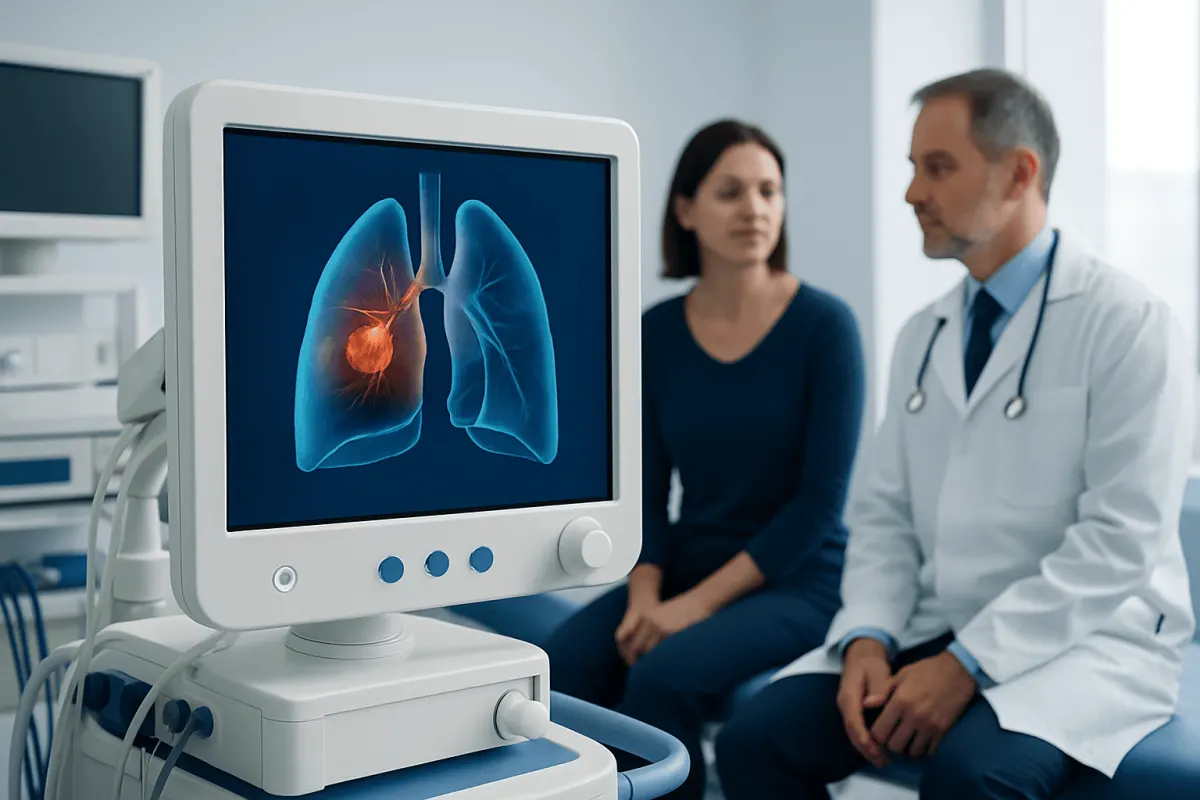
A lung neoplasm is an abnormal mass or growth arising in lung tissue or airways. It may be noncancerous (benign) or malignant, and careful evaluation is needed to identify the type of growth and plan appropriate care.
What Is a Lung Neoplasm?
A lung neoplasm is an abnormal growth of cells in the lung, bronchial tubes or nearby lung structures. “Neoplasm” means new growth and includes both benign growths, which do not invade distant tissues, and malignant growths, which are cancerous. The term is often used after an imaging scan identifies a mass, nodule or other area that needs further assessment.
A lung neoplasm is not automatically lung cancer. Some findings are caused by noncancerous tumors, scars, inflammation or infections that can resemble a tumor on an X-ray or CT scan. The purpose of evaluation is to establish what the finding represents, how likely it is to be cancerous and whether it requires monitoring, testing or treatment.
Lung growths vary widely in size, location and behavior. A small rounded spot is often called a pulmonary nodule, while a larger abnormality may be described as a mass. Specialist assessment considers the scan appearance, a person’s symptoms, medical history and risk factors rather than relying on one feature alone.
Types of Lung Neoplasms
Benign lung neoplasms are less common than malignant ones and may not cause symptoms. Hamartoma is among the more frequent benign tumors of the lung. Other noncancerous lesions can arise from connective tissue, blood vessels or airway structures. Even when a lesion appears likely benign, clinicians may recommend follow-up imaging or removal if its nature remains uncertain, it grows or it causes symptoms.
Most primary malignant lung neoplasms are classified as non-small cell lung cancer or small cell lung cancer. Non-small cell lung cancer includes adenocarcinoma, squamous cell carcinoma and large cell carcinoma. These cancers differ in where they begin, their microscopic features and the treatments most likely to help. More information about lung cancer can help patients understand the wider diagnostic and treatment pathway.
A neoplasm found in the lung can also be secondary cancer, meaning cancer that began in another organ and spread to the lungs. Rare tumors, including carcinoid tumors, may also arise in the lungs. A pathology examination of tissue, if a biopsy or surgery is performed, identifies the cell type and may include molecular testing to guide treatment decisions.
Possible Symptoms and Incidental Findings
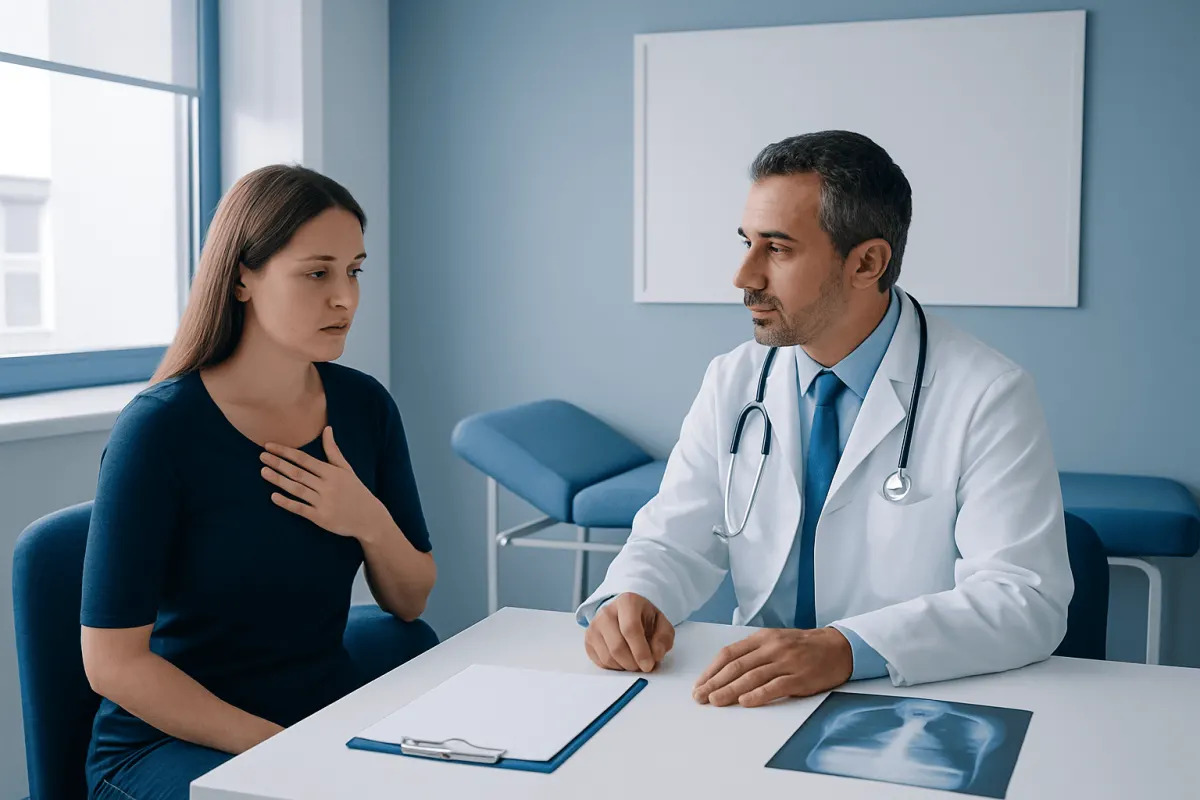
Many lung neoplasms, particularly small nodules, produce no symptoms and are discovered during a scan performed for another reason. This can be reassuring: finding an abnormality does not determine its cause. It does, however, make follow-up important so that changes can be recognized promptly.
When symptoms occur, they can overlap with many common respiratory illnesses. They may include a cough that persists or changes, coughing up blood, shortness of breath, wheezing, chest discomfort, repeated chest infections, unexplained tiredness or unintended weight loss. Symptoms alone cannot confirm a lung neoplasm, but they warrant medical review when persistent or concerning.
The location of a growth can influence symptoms. A lesion near a large airway may contribute to coughing, wheeze or recurrent pneumonia beyond a blockage. A small lesion at the edge of the lung may cause no noticeable problem. Clinicians also consider conditions such as asthma, chronic obstructive pulmonary disease, infection and heart disease, which can cause similar symptoms.
Causes and Risk Factors
The precise cause of an individual lung neoplasm is not always known. For malignant lung tumors, tobacco smoking is the leading preventable risk factor. Risk rises with the amount and duration of smoking, but there is no completely safe level of tobacco exposure. Stopping smoking is beneficial at any age and after any smoking history.
Secondhand smoke, radon exposure, asbestos and certain workplace substances can also increase lung cancer risk. Occupational exposures may include silica, diesel exhaust, arsenic and some metals or industrial chemicals. People who believe they may have had workplace exposure should discuss this with a clinician, as it may affect risk assessment and follow-up planning.
Additional factors include older age, a personal history of lung disease or some cancers, family history and previous radiation to the chest. Air pollution may contribute to risk as well. Importantly, people who have never smoked can develop malignant lung neoplasms, so persistent respiratory symptoms should not be dismissed based on smoking history alone.
- Risk factors help estimate likelihood but do not diagnose cancer.
- Not every lung nodule in a person who smokes is cancerous.
- Not every malignant lung tumor is related to smoking.
How a Lung Neoplasm Is Diagnosed
Assessment usually begins with a medical history, physical examination and review of current and previous imaging. Comparing a new scan with older X-rays or CT scans can be especially useful. A lesion that has remained unchanged over an appropriate period may be less concerning than one that is enlarging, although the interpretation depends on the lesion type and clinical context.
A chest CT scan gives more detail than a standard chest X-ray and can show the size, shape, edges and location of a lung lesion. Depending on the situation, clinicians may recommend PET-CT imaging to assess metabolic activity and look for disease elsewhere. Imaging findings estimate risk but cannot always provide a definite diagnosis.
If tissue confirmation is needed, options can include bronchoscopy, needle biopsy guided by CT or ultrasound, and surgical biopsy. The choice depends on the lesion’s position, size and a person’s general health. Pathologists examine the sample under a microscope and may perform biomarker or genetic tests for certain cancers. These tests can help select lung cancer treatment that is tailored to the tumor’s features.
For confirmed cancer, staging determines whether the tumor is limited to the lung, involves nearby lymph nodes or has spread to other areas. Staging commonly combines imaging, pathology and sometimes additional procedures. It is a central step in choosing treatment and discussing likely goals of care.
Treatment Options and Follow-Up
Treatment depends on whether the neoplasm is benign or malignant, as well as its size, site, symptoms and effect on lung function. Some small lung nodules do not need immediate treatment. Instead, clinicians may advise scheduled CT surveillance to check for growth or other changes. Following the recommended scan schedule is important, even when a person feels well.
A benign lesion may be observed or removed when it is growing, causing symptoms, obstructing an airway or cannot be reliably distinguished from cancer. For early-stage malignant lung neoplasms, surgery to remove the tumor and a margin of healthy tissue may be considered when a person is medically fit for an operation. Approaches can include minimally invasive surgery in suitable cases.
Radiation therapy may be used when surgery is not appropriate, after surgery in selected situations, or alongside other treatments. Drug treatments for lung cancer include chemotherapy, immunotherapy and targeted therapy. Targeted therapy is used only when testing shows a tumor change that the medicine is designed to address. Care plans may combine treatments and are typically reviewed by a multidisciplinary team.
Supportive care is part of treatment at every stage. It can address breathlessness, cough, fatigue, pain, nutrition, emotional wellbeing and smoking cessation. Acıbadem Health Point’s multidisciplinary specialists and JCI-accredited hospitals diagnose and treat lung conditions for international patients, with care decisions based on the individual diagnosis and clinical needs.
Prevention, Self-Care and When to Seek Medical Care
Not every lung neoplasm can be prevented, but avoiding tobacco is the most effective action for reducing the risk of many lung cancers. People who smoke can ask a healthcare professional about evidence-based support to quit. Reducing secondhand smoke exposure, following workplace safety measures and testing homes for radon where this is recommended can also lower risk.
There is no home remedy that can determine whether a lung lesion is cancerous or make a suspicious nodule disappear. It is best to avoid unproven supplements or treatments in place of medical assessment. Maintaining physical activity within comfortable limits, eating a balanced diet, keeping vaccinations up to date and attending follow-up appointments can support overall lung and general health.
Medical care should be sought promptly for coughing up blood, new or worsening shortness of breath, severe chest pain, or symptoms that feel urgent. A routine medical appointment is appropriate for a cough lasting more than a few weeks, recurrent chest infections, unexplained weight loss, persistent hoarseness or unusual fatigue. Anyone told they have a lung nodule or possible neoplasm on imaging should discuss the finding and recommended next steps with a qualified doctor.
Frequently asked questions
01Is a lung neoplasm always cancer?
No. Lung neoplasm is a broad term for an abnormal growth and can refer to either a benign or malignant tumor. Imaging, follow-up over time and sometimes a biopsy are used to clarify the diagnosis.
02What is the difference between a lung nodule and a lung neoplasm?
A lung nodule is a descriptive imaging term for a small rounded spot in the lung. A lung neoplasm is a growth of abnormal cells, but not every nodule is a neoplasm; nodules can also result from prior infection, inflammation or scarring.
03Can a chest CT scan tell if a lung neoplasm is cancerous?
CT can provide important clues, including the lesion’s size, shape and growth pattern, but it cannot always confirm whether cancer is present. PET-CT, repeat imaging or a biopsy may be recommended depending on the estimated level of risk.
04What happens if a lung nodule is small?
Small nodules are often monitored with CT scans rather than biopsied immediately, particularly when the estimated cancer risk is low. The timing of follow-up depends on the nodule’s appearance, size and individual risk factors.
05Can people who never smoked develop a lung neoplasm?
Yes. Benign and malignant lung neoplasms can occur in people who have never smoked. Smoking remains a major risk factor for lung cancer, but family history, environmental exposures and tumor-related genetic changes may also play a role.
06When is a biopsy needed for a lung neoplasm?
A biopsy may be needed when imaging suggests a meaningful possibility of cancer, when a lesion is growing, or when the diagnosis will change treatment. In some cases, the risks of biopsy or the location of the lesion make imaging surveillance or surgery a more appropriate next step.
This article is for general information only and is not a substitute for professional medical advice. Please consult a qualified doctor about your individual situation.
Oncology care in Turkey — second opinion and treatment plan
JCI-accredited · board-certified surgeons · reply within 24h
Add us as a Preferred Source to see more of our trusted health content across Google Search, AI Overviews and Discover.