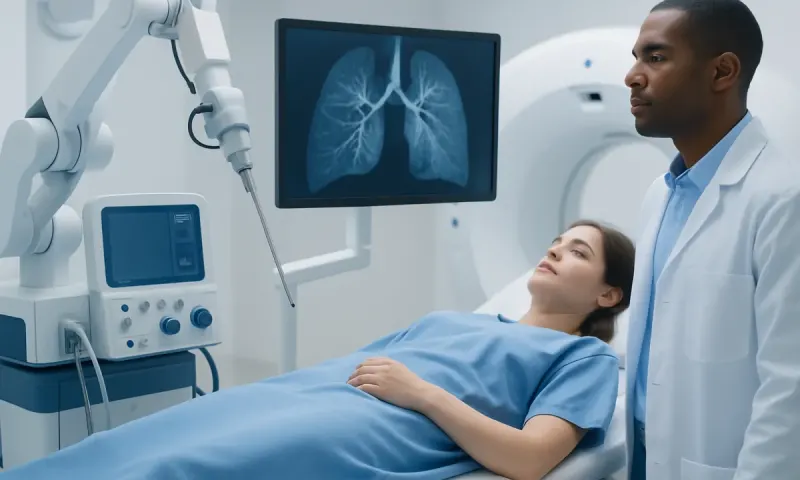
Lung Cancer Causes: Smoking, Exposures and Other Risks
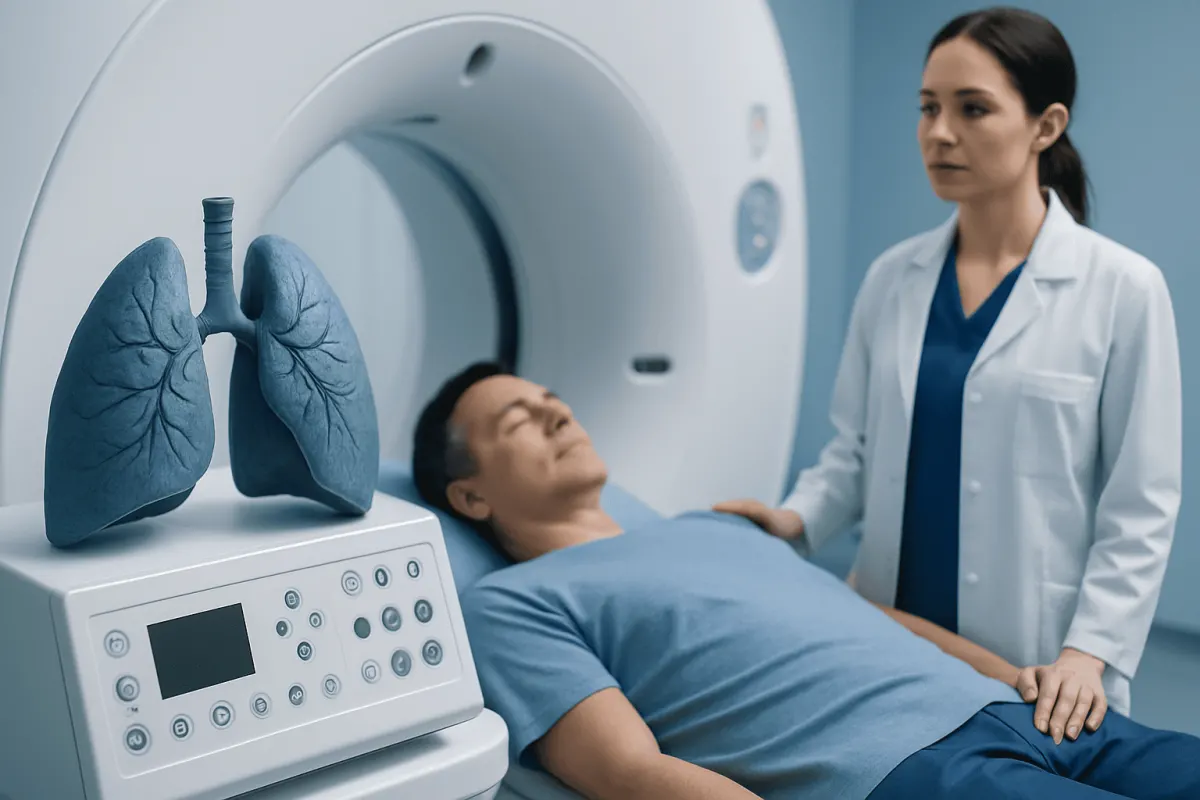
Lung cancer develops when cells in the lungs acquire genetic changes that allow them to grow out of control. Tobacco smoking is the leading cause, but radon, workplace exposures, air pollution, previous radiation, family history, and lung disease can also contribute; some people diagnosed with lung cancer have never smoked.
Overview: What Causes Lung Cancer?
Lung cancer causes are not usually limited to one event or exposure. The disease begins when abnormal genetic changes build up in lung cells, affecting the normal controls that tell cells when to grow, divide, and die. Over time, these altered cells may form a tumor and can sometimes spread to other parts of the body.
Tobacco smoke is the most important cause of lung cancer. It contains many cancer-causing substances that can damage lung-cell DNA. However, lung cancer can also occur in people who have never smoked. In these cases, risk may be influenced by radon, secondhand smoke, occupational exposures, air pollution, inherited susceptibility, or changes in genes within the tumor itself.
Lung cancer is not contagious, and having a risk factor does not mean that a person will develop the disease. Likewise, people without obvious risk factors can occasionally be diagnosed. Understanding personal risks can support prevention, timely screening discussions, and earlier medical assessment when symptoms arise.
The Main Risk Factor: Tobacco Smoke
Cigarette smoking is strongly linked with lung cancer and accounts for a large proportion of cases worldwide. The risk generally rises with the number of cigarettes smoked, the number of years a person smokes, and the depth of inhalation. Cigars, pipes, waterpipes, and other combustible tobacco products also expose the lungs to harmful chemicals and are not safe alternatives.
There is no risk-free amount of smoking. Nevertheless, quitting is beneficial at every stage. The risk of lung cancer declines after stopping smoking, although it may remain higher than in someone who has never smoked for many years. Stopping also improves breathing, circulation, surgical recovery, and response to some cancer treatments.
Secondhand smoke can also increase risk. This refers to breathing smoke from another person’s tobacco product or smoke released from its burning end. Reducing exposure at home, work, and in public spaces is an important part of lung cancer prevention, especially for children and people with existing lung disease.
- Smoking more heavily or for longer increases risk.
- Starting at a younger age increases lifetime exposure.
- Combining smoking with asbestos or other workplace exposures can substantially increase risk.
- Support with counselling and approved stop-smoking medicines can improve the chance of quitting successfully.
Environmental and Workplace Exposures
Radon is a naturally occurring radioactive gas that can enter buildings from the ground. It has no color, smell, or taste, so testing is the only way to identify it. Long-term radon exposure is a recognized cause of lung cancer, particularly among people who smoke. Local public health authorities can provide information about testing and reducing radon levels in homes.
Workplace exposures may also raise risk. Examples include asbestos, arsenic, diesel exhaust, chromium, nickel, silica dust, and some industrial chemicals. The level of risk depends on the substance, intensity and duration of exposure, use of protective measures, and whether a person smokes. Employers should follow occupational safety standards, and workers should use recommended ventilation, protective equipment, and monitoring procedures.
Outdoor air pollution, including fine particulate matter, is another contributor to lung cancer risk. Individuals may not be able to control all environmental exposures, but practical steps can help, such as following workplace safety guidance, avoiding tobacco smoke, checking local air-quality alerts, and limiting strenuous outdoor activity when pollution levels are very high.
Other Factors That May Increase Risk
A family history of lung cancer may be associated with a higher risk, especially when a close relative was diagnosed at a young age. This does not mean lung cancer is always directly inherited. Families can share environments and smoking patterns, while some inherited genetic variations may affect how the body responds to carcinogens or repairs DNA damage.
Previous chest radiation, including radiation given for certain cancers, can modestly increase later lung cancer risk. People who have received radiation are usually followed according to an individualized care plan that considers the original condition, treatment history, age, smoking exposure, and current health.
Some chronic lung conditions are also associated with higher risk, including chronic obstructive pulmonary disease (COPD), pulmonary fibrosis, and a history of tuberculosis. These conditions do not cause lung cancer in every case, but ongoing medical follow-up and smoking cessation are particularly important. Age is another factor because genetic damage can accumulate over time.
For people who have never smoked, lung cancers may have distinct genetic changes in tumor cells. These are acquired changes, not necessarily inherited ones. If cancer is diagnosed, tumor testing may help clinicians choose appropriate cancer Treatment Options: Surgery, Chemo, Radiation & Beyond" class="ahp-ilk">treatment options, including targeted treatments for certain mutations.
Symptoms, Screening, and Diagnosis
Early lung cancer may not cause symptoms. When symptoms occur, they can overlap with many common respiratory conditions. Possible signs include a cough that does not go away or changes in a long-standing cough, coughing up blood, chest pain, shortness of breath, wheezing, repeated chest infections, persistent tiredness, unexplained weight loss, or hoarseness.
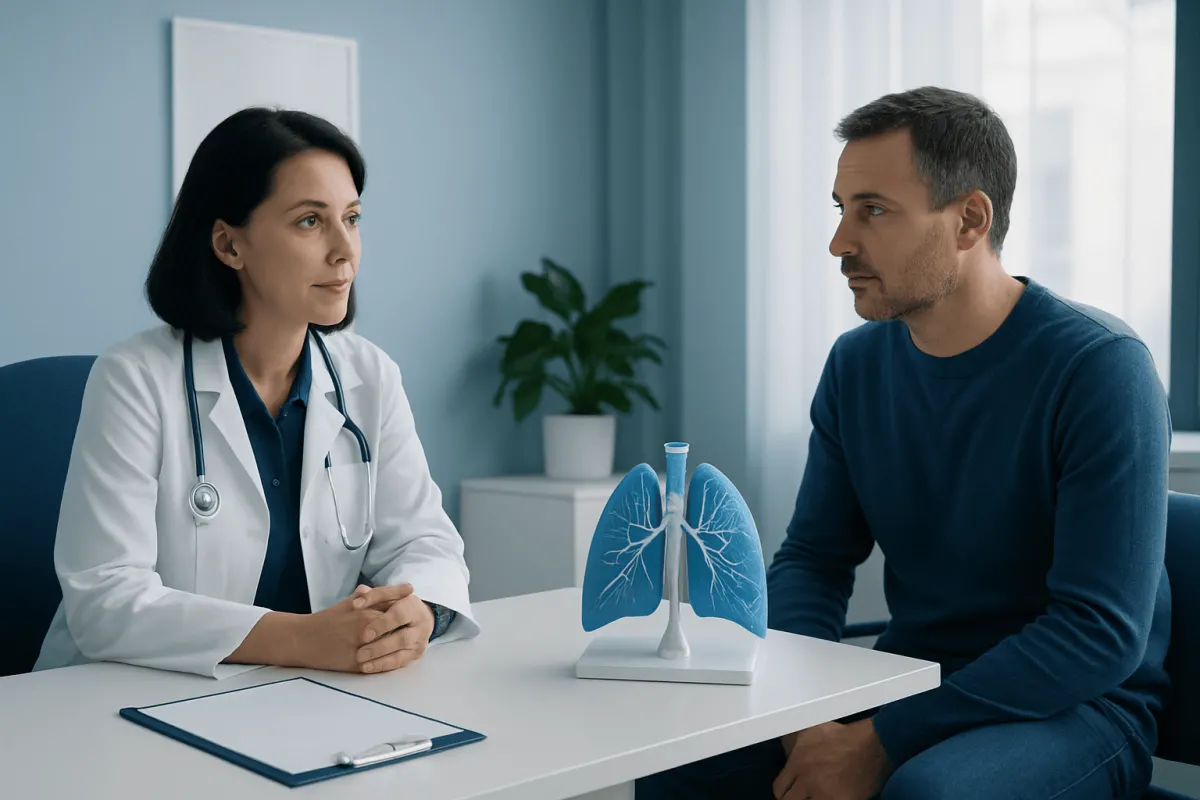
These symptoms do not automatically indicate cancer, but they deserve medical evaluation when persistent, worsening, or unexplained. A clinician may ask about smoking, work and home exposures, family history, medications, and previous lung conditions. Assessment may include a physical examination, imaging tests, breathing tests, and blood tests where appropriate.
Low-dose CT screening can help find lung cancer earlier in selected people at high risk, particularly some current or former long-term smokers. Screening recommendations vary by country and individual circumstances. A doctor can explain whether screening is appropriate and discuss potential benefits, limitations, and follow-up for findings that may not be cancer.
If imaging shows an area of concern, diagnosis may require a biopsy. This can involve sampling cells or tissue with a needle, bronchoscopy, or surgery. Lung Prostate Cancer Diagnosis: Tests and Next Steps" class="ahp-ilk">cancer diagnosis and care involves identifying the cancer type and stage, along with molecular testing when indicated, so that treatment can be tailored to the individual.
Reducing Risk and Supporting Lung Health
The most effective action for preventing lung cancer is not smoking or stopping smoking. People who smoke can speak with a doctor, pharmacist, or stop-smoking service about behavioral support and evidence-based medicines. Quitting can take more than one attempt, and a relapse should be viewed as a reason to adjust support rather than as a failure.
Other practical prevention measures include keeping homes and vehicles smoke-free, testing for radon where this is recommended, and minimizing workplace exposure to known carcinogens. People who work around dusts, fumes, or chemicals should follow occupational health procedures and use properly fitted protective equipment when required.
A balanced diet, regular physical activity, adequate sleep, and vaccination against infections such as influenza and pneumococcal disease can support general respiratory health, but they do not replace avoiding tobacco exposure or recommended screening. Vitamin supplements have not been shown to prevent lung cancer and should not be used for this purpose without medical advice.
When lung cancer is confirmed, care may include surgery, radiation therapy, systemic treatment, or a combination of approaches. Lung cancer treatment is planned by a multidisciplinary team based on the cancer type, stage, tumor biomarkers, lung function, overall health, and the person’s priorities.
Treatment Planning: How Procedures and Therapies Are Chosen
Not every person with lung cancer needs the same treatment. For early-stage disease, surgery may be considered when the tumor can be removed and the person’s lung and overall health can support an operation. Before treatment, clinicians commonly review scans, biopsy results, breathing tests, heart health, and other medical conditions. They also discuss personal goals and potential alternatives.
When surgery is appropriate, the procedure aims to remove the tumor along with a margin of healthy tissue and, often, nearby lymph nodes for staging. Depending on the tumor’s location, this may involve removing a small part of the lung, a lobe, or, less commonly, an entire lung. Some procedures can be performed through minimally invasive approaches, while others require an open incision.
Recovery varies according to the procedure, baseline lung function, and whether additional treatment is needed. Hospital recovery may include pain control, breathing exercises, early walking, chest-drain management, and monitoring for complications. Energy and breathing can continue to improve over weeks to months, and follow-up imaging is used to monitor recovery and detect any recurrence.
Benefits of treatment may include removing or controlling cancer, relieving symptoms, and reducing the chance of spread in suitable situations. Risks differ by treatment and can include infection, bleeding, pain, blood clots, changes in breathing capacity, or treatment-related inflammation. Radiation therapy, chemotherapy, immunotherapy, and targeted therapy have their own benefits and possible side effects. A specialist team can explain expected outcomes and supportive-care options before treatment begins.
When to Seek Medical Care
A person should arrange a medical appointment if a cough lasts more than a few weeks, changes noticeably, or is accompanied by breathlessness, chest discomfort, repeated chest infections, hoarseness, unexplained fatigue, or unintentional weight loss. People with a history of smoking, radon exposure, or hazardous workplace exposures should mention these details during the visit.
Urgent medical assessment is appropriate for coughing up blood, severe or rapidly worsening shortness of breath, severe chest pain, confusion, or symptoms that feel sudden and serious. These symptoms can have causes other than lung cancer, but prompt evaluation is important.
For individuals with a known lung nodule, prior cancer treatment, COPD, or pulmonary fibrosis, regular follow-up should continue as advised. Acıbadem Health Point’s multidisciplinary specialists and JCI-accredited hospitals diagnose and treat lung cancer for international patients, with care plans developed around clinical findings and individual needs.
Frequently asked questions
01What is the leading cause of lung cancer?
Tobacco smoking is the leading cause of lung cancer. Smoke contains many chemicals that can damage DNA in lung cells over time. The risk increases with the duration and intensity of smoking, but stopping smoking still reduces risk.
02Can someone who has never smoked get lung cancer?
Yes. Lung cancer can occur in people who have never smoked. Possible contributors include radon, secondhand smoke, workplace exposures, air pollution, previous chest radiation, chronic lung disease, and tumor-related genetic changes.
03Does vaping cause lung cancer?
The long-term cancer risk of vaping is still being studied because e-cigarettes are relatively new. They can expose users to potentially harmful chemicals and are not considered risk-free. People who do not use tobacco should not start vaping, and people who smoke should discuss proven quitting support with a healthcare professional.
04How can radon increase lung cancer risk?
Radon is a radioactive gas that can build up indoors and be inhaled. Its radioactive particles can damage cells in the lungs over long periods. Home testing is the only way to know whether radon levels are elevated.
05Can lung cancer be prevented?
Not every case can be prevented, but risk can be reduced. Avoiding tobacco and secondhand smoke, quitting smoking, reducing radon exposure, and following workplace safety measures are important steps. Eligible high-risk individuals may also benefit from discussing low-dose CT screening with a doctor.
06When should a persistent cough be checked?
A cough lasting more than a few weeks should be assessed, especially if it is changing, worsening, or associated with breathlessness, chest pain, blood in sputum, or unexplained weight loss. Most persistent coughs are not caused by cancer, but medical review can identify the cause and guide treatment.
This article is for general information only and is not a substitute for professional medical advice. Please consult a qualified doctor about your individual situation.
Oncology care in Turkey — second opinion and treatment plan
JCI-accredited · board-certified surgeons · reply within 24h
Add us as a Preferred Source to see more of our trusted health content across Google Search, AI Overviews and Discover.