Lump Under Skin on Face: What You Need to Know

Key Takeaways
- Many facial lumps under the skin are harmless, but the cause should be identified before any treatment is chosen.
- Cysts, acne nodules, lipomas, swollen lymph nodes, and infections are among the more common possibilities.
- Pain, redness, drainage, rapid growth, or a lump that persists should prompt medical evaluation.
- Diagnosis usually begins with a skin exam and medical history; imaging or a biopsy may be needed in some cases.
- Do not squeeze, pick, or try to drain a lump at home, as this can worsen inflammation or infection.
A lump under the skin on the face is often benign, but its cause can vary from a cyst or acne-related nodule to a lipoma, infection, or less commonly a growth that needs medical attention. Looking at the lump’s size, texture, tenderness, and how quickly it changes helps guide the next steps.
Overview
Finding a lump under the skin on the face can be unsettling, especially when it appears without a clear reason. In many cases, the lump is not dangerous and may represent a cyst, a blocked oil gland, an acne nodule, or a small fatty growth. Still, the exact cause matters, because facial skin is delicate and some lumps need treatment rather than watchful waiting.
The first clues come from how the lump feels and behaves. A soft, movable bump often suggests a benign growth such as a lipoma, while a firmer or tender area may point to inflammation, infection, or a deeper acne lesion. A lump that changes quickly, becomes painful, or starts draining should be assessed by a clinician.
For people traveling for care, the decision is often practical as well as medical: whether a lump can be safely monitored at home, whether it needs a prompt dermatology visit, or whether imaging or a procedure is more appropriate. A clear diagnosis helps avoid unnecessary procedures and supports a treatment plan that is both safe and cosmetically mindful.
Common Symptoms and What They May Suggest
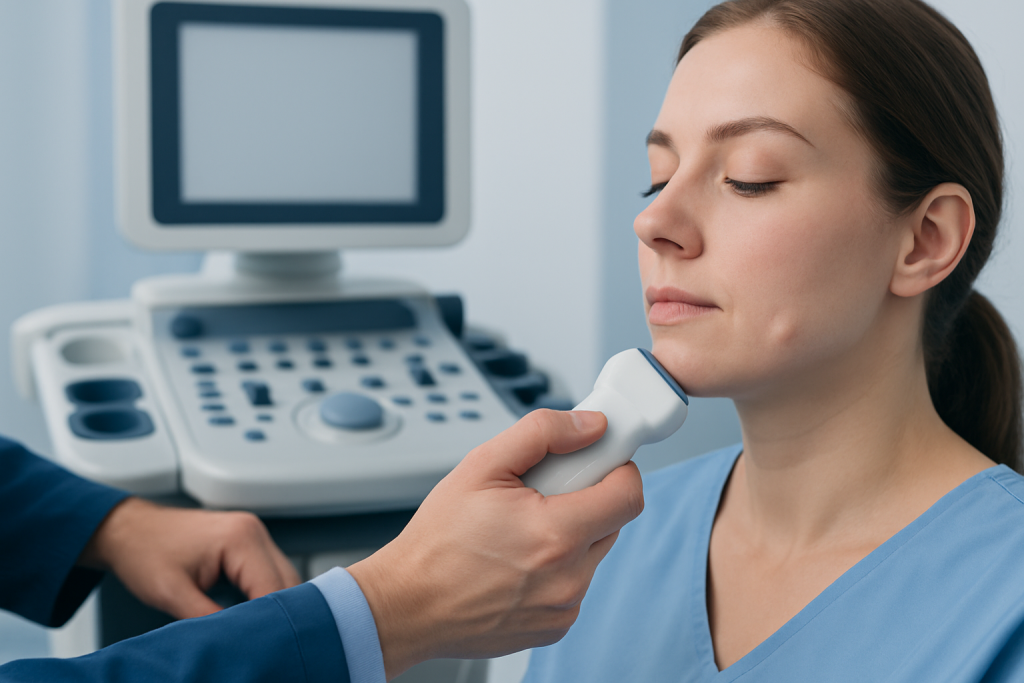
A facial lump can look similar on the surface while having very different causes underneath. Some are small and skin-colored, while others appear red, swollen, or yellowish. Pain is not always present, but tenderness can be a useful clue that inflammation or infection is involved.
Patterns that may help a doctor narrow down the cause include:
- Soft, moveable, and painless: often seen with a lipoma or some cysts.
- Firm, round, and slow-growing: can fit an epidermoid cyst or other benign skin lesion.
- Red, warm, or tender: may suggest an inflamed cyst, acne nodule, or infection.
- Fluctuating in size: sometimes seen with acne-related swelling or blocked glands.
- Associated with tooth, gum, or sinus symptoms: may point to an infection in nearby structures rather than the skin itself.
Some facial lumps have a visible central pore or “punctum,” which can be a sign of an epidermoid cyst. Others are deeper and do not change the skin’s surface much, making them harder to identify without a proper examination. Because the face contains many small structures close together, a careful assessment is important even when the lump appears minor.
Causes and Risk Factors

Several common conditions can produce a lump under the skin on the face. Epidermoid cysts and pilar-type cysts form when skin cells or keratin become trapped below the surface. These lumps are often slow-growing and may stay stable for a long time before becoming irritated.
Acne can also create deeper nodules or cyst-like lesions, particularly in people with inflammatory acne. These bumps tend to be more painful than ordinary pimples and may linger for weeks. A lipoma, which is a benign fat-based growth, is usually soft and painless and may be found on the cheeks or jawline.
Other possible causes include:
- Inflamed hair follicles or boils: bacterial infection can lead to localized swelling.
- Swollen lymph nodes: sometimes felt along the jaw or neck during infection.
- Trauma or irritation: a minor injury can lead to a firm healing nodule.
- Salivary gland or dental problems: swelling may be mistaken for a skin lump.
- Less common benign or malignant growths: these require medical evaluation if the lump is unusual or persistent.
Risk factors depend on the cause. People with acne, oily skin, repeated friction from shaving or masks, a history of skin cysts, or recent infection may be more likely to notice facial lumps. Even so, a new lump can appear without an obvious trigger, which is why a diagnosis should not be assumed from appearance alone.
How Diagnosis Is Made
Diagnosis usually starts with a history and physical examination. A clinician will ask how long the lump has been present, whether it hurts, whether it is growing, and whether there has been recent acne, dental pain, fever, or skin injury. The feel of the lump, its mobility, and its relationship to the skin or deeper tissues all help guide the assessment.
In many cases, a careful skin examination is enough to identify the most likely cause. If the lump seems deeper, unclear, or related to another structure, imaging such as ultrasound may be used. Ultrasound can help distinguish between a fluid-filled cyst, a solid mass, an inflamed area, or a swollen lymph node.
When a lesion has unusual features, keeps returning, or does not match a typical benign pattern, a biopsy or removal for laboratory analysis may be recommended. This does not mean cancer is likely; rather, it is the most reliable way to confirm what the lump is. For international patients seeking care abroad, it can be reassuring to know that a focused diagnostic workup often prevents delays and supports a straightforward treatment plan.
Treatment Options
Treatment depends entirely on the cause. Some small, nonbothersome lumps can be observed if a clinician believes they are benign. Others may improve with medication, drainage, or a minor procedure, especially when inflammation or infection is present.
For cysts, treatment may involve removal if the lump is uncomfortable, recurrent, or cosmetically troubling. If a cyst is inflamed, a doctor may suggest calming the irritation before considering removal, since operating on an actively inflamed area can be less effective. Acne nodules may respond to dermatologic treatment aimed at reducing inflammation and preventing scarring.
When infection is suspected, treatment may include prescription medication and, in some cases, drainage by a trained clinician. A lipoma is often removed only if it is growing, bothersome, or uncertain in diagnosis. If the cause is dental, sinus, or salivary gland related, the person may need care from a different specialist rather than a skin procedure alone.
Common treatment approaches include:
- Observation for stable, clearly benign lumps
- Topical or oral treatment for acne or infection, when appropriate
- Minor surgical excision for cysts or lipomas
- Drainage for certain infected or fluid-filled lesions
- Biopsy or specialist referral for uncertain masses
Facial procedures should be planned carefully because the skin on the face is cosmetically sensitive. A qualified clinician can balance treatment effectiveness with scar minimization and, when relevant, coordination among dermatology, surgery, dental, or ENT specialists.
Prevention and Self-care
Not every facial lump can be prevented, but a few habits may reduce irritation and help the skin heal more predictably. Gentle cleansing, consistent acne care when needed, and avoiding repetitive friction can lower the chance of inflamed bumps in some people. If shaving seems to trigger lumps along the jawline, adjusting technique or using less irritating products may help.
At home, the safest approach is usually restraint. The lump should not be squeezed, punctured, or massaged forcefully, because this can drive inflammation deeper into the skin or introduce infection. Warm compresses may ease discomfort for some tender bumps, but they should not be used as a substitute for medical evaluation if the lump is growing or changing.
Practical self-care steps include:
- Use gentle, nonirritating skincare products
- Avoid picking at acne or facial bumps
- Monitor changes in size, color, and tenderness
- Seek routine care for recurring facial lumps
- Keep follow-up appointments if a clinician recommends observation
When a person is arranging treatment from another country, self-care also includes good preparation: keeping notes about when the lump first appeared, bringing prior imaging or photos, and listing any previous treatments. These details can make the consultation more efficient and help the specialist decide whether the lump is best managed in clinic or with a minor procedure.
When to See a Doctor
A medical evaluation is wise if a facial lump lasts more than a short time, keeps returning, or causes concern because of its appearance. Even a painless lump should be checked if it is enlarging or if the diagnosis is uncertain. Early evaluation is especially helpful on the face, where treatment choices may affect both comfort and appearance.
Prompt assessment is recommended if the lump is red, warm, draining, bleeding, very painful, or associated with fever. The same applies if there is numbness, facial weakness, trouble opening the mouth, dental pain, swelling near the eye, or a lump that feels fixed rather than mobile. These features do not always indicate something serious, but they do deserve timely attention.
Anyone who is unsure whether the bump is a skin issue, a dental problem, or something deeper should not try to sort it out alone. A qualified doctor can direct the person to the right specialist and choose the least invasive option that still gives a clear answer. Acibadem Health Point’s multidisciplinary specialists and JCI-accredited hospitals diagnose and treat this condition for international patients, with care coordinated around the individual’s needs and follow-up plan.
Living With a Facial Lump While Awaiting Care
Waiting for an appointment can be the hardest part, particularly when the lump is visible or on a prominent part of the face. Keeping the area clean, avoiding irritation, and taking a few photos over time can make the next visit more productive. Visual tracking is often more useful than repeated touching, which can make the area sore and swollen.
If the lump is already being monitored, the main goal is to watch for meaningful change rather than small day-to-day fluctuations. A stable, long-standing lump is usually less urgent than one that is quickly enlarging or becoming inflamed. Any new symptoms should be reported to the clinician, especially if the lump is close to the eye, jaw, or mouth.
With the right diagnosis, most facial lumps can be managed effectively, and many are straightforward to treat. The key is to avoid assumptions and get the lump properly evaluated when it does not clearly settle on its own.
Frequently asked questions
01What is the most common cause of a lump under the skin on the face?
Common causes include cysts, acne nodules, and benign fatty growths such as lipomas. A clinician can usually narrow the possibilities by examining how the lump feels, how long it has been there, and whether it is painful or inflamed.
02Is a painless facial lump always harmless?
No, although many painless lumps are benign, a painless bump can still need evaluation if it is growing, firm, or unusual in shape. The safest approach is to have any persistent or changing lump checked by a doctor.
03Can I pop or squeeze a lump under the skin on my face?
It is best not to squeeze, poke, or try to drain it at home. Doing so can increase inflammation, spread infection, or leave a scar, especially on facial skin.
04How do doctors tell the difference between a cyst and something more serious?
Doctors use the appearance, feel, location, growth pattern, and related symptoms to decide what the lump most likely is. If needed, ultrasound or a biopsy can confirm the diagnosis and rule out other causes.
05Will a facial cyst go away on its own?
Some small lumps may stay stable for a long time, but many cysts do not fully disappear without treatment. If a cyst becomes painful, infected, or repeatedly bothersome, a doctor may recommend removal or another procedure.
06When should a facial lump be treated urgently?
Urgent assessment is advisable if the lump becomes very painful, rapidly enlarges, drains pus, is associated with fever, or affects the eye, mouth, or jaw function. These symptoms often point to inflammation or infection that should be evaluated promptly.
This article is for general information only and is not a substitute for professional medical advice. Please consult a qualified doctor about your individual situation.
Explore treatments in Turkey — costs, top hospitals & a free quote
JCI-accredited · board-certified surgeons · reply within 24h
Add us as a Preferred Source to see more of our trusted health content across Google Search, AI Overviews and Discover.