

Lower Back Pain Left Side Above Hip: Causes, Relief and When to Worry
- 9 min read
- Published November 27, 2026
Key Takeaways
- Pain above the left hip is commonly caused by muscles, the sacroiliac joint, the spine, or nearby tissues.
- Some pain patterns come from the kidney, bowel, or reproductive organs rather than the back itself.
- Most cases improve with rest, movement modification, heat, and targeted physical therapy, but persistent pain deserves assessment.
- Urgent care is important if pain comes with fever, weakness, numbness, bladder changes, or major injury.
- A clear diagnosis matters because the best treatment depends on the structure causing the pain.
Lower back pain on the left side above the hip is often linked to muscle strain, joint irritation, or nerve-related pain, but it can sometimes come from the kidney or other organs. A careful history and exam help identify the cause and guide the right relief.
Overview
Lower back pain left side above hip can be as simple as an irritated muscle after lifting, or it may reflect a joint, disc, nerve, or kidney problem. Because this area sits at the meeting point of the spine, pelvis, and abdomen, pain there does not automatically mean the back is the only source.
For many people, the pain is mechanical: it worsens with bending, twisting, standing up from a chair, or carrying luggage. For others, the pain feels deeper, steadier, or more spread out, which can suggest inflammation, nerve irritation, or a non-musculoskeletal cause. Sorting out those differences is the first step toward sensible relief.
Travel and daily routines can both influence symptoms. Long flights, repeated lifting, unfamiliar beds, and carrying heavy bags can strain the low back and hip region, while dehydration or delayed care for urinary symptoms can make unrelated conditions more noticeable during a trip.
Symptoms and pain patterns
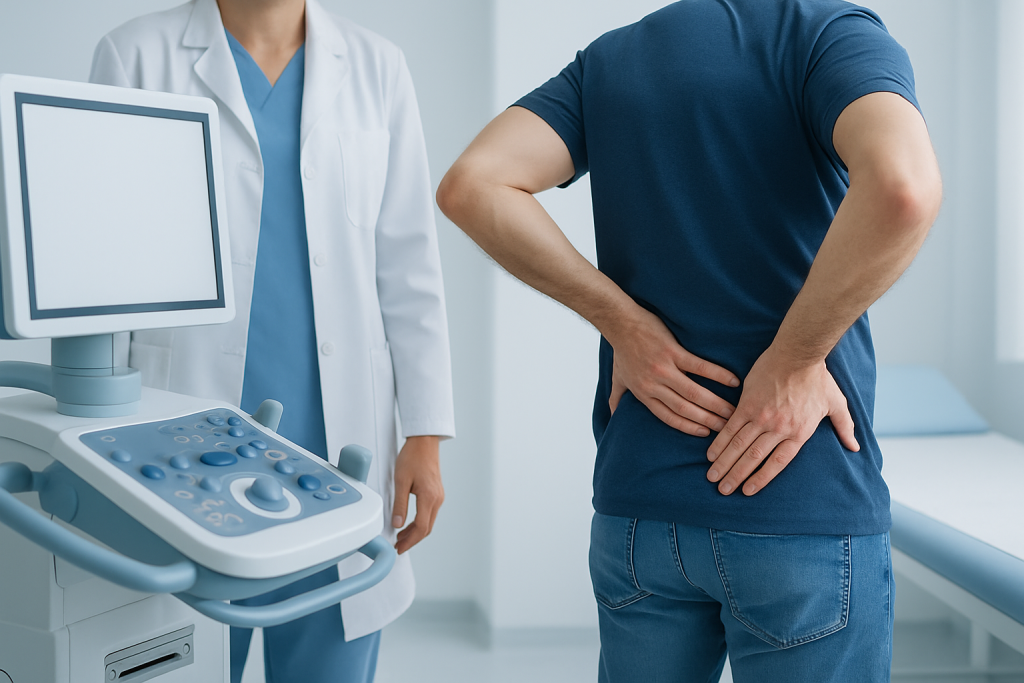
The character of the pain often offers clues. A strained muscle may feel sore, tight, or sharp when the person moves in a certain way. Pain from the sacroiliac joint is often felt near the back of the pelvis and can flare with standing on one leg, climbing stairs, or rolling in bed.
Nerve-related pain may travel beyond the original spot. It can feel burning, electric, or shooting, and may extend into the buttock, thigh, or leg. If the pain is paired with numbness, tingling, or weakness, a spine-related cause becomes more likely and should be assessed.
Other symptoms can point away from a simple back problem. Fever, pain with urination, blood in the urine, nausea, abdominal pain, or pain that changes with meals or bowel movements may suggest a kidney, urinary, digestive, or gynecologic source rather than a muscle strain.
- Local tenderness after activity often suggests muscle or ligament strain.
- Pain that increases with movement may involve joints or soft tissues.
- Pain with radiation down the leg can reflect nerve involvement.
- Pain with urinary or abdominal symptoms may need a broader evaluation.
Causes and risk factors

Muscle strain is one of the most common causes. It can follow lifting a suitcase, sudden twisting, prolonged sitting, or returning to exercise after a break. The nearby quadratus lumborum, gluteal muscles, and deeper stabilizing muscles can all refer pain to the area above the left hip.
Joint and spine conditions are also frequent. Irritation of the facet joints, sacroiliac joint dysfunction, or a herniated disc can produce one-sided low back pain. Arthritis, spinal stenosis, and postural imbalance may contribute, especially when the pain has been building slowly over time.
Sometimes the source is outside the musculoskeletal system. Kidney stones, kidney infection, bowel inflammation, constipation, and, in some people, gynecologic conditions can all create pain felt in the left lower back or flank. Risk is higher in people with a previous back injury, weak core muscles, heavy physical work, obesity, smoking, poor sleep, or a long period of inactivity.
International travelers may notice symptoms after long hours sitting, disrupted routines, carrying child bags or luggage, or postponing hydration and bathroom breaks. These factors do not cause every case, but they can make a vulnerable area more symptomatic.
How doctors diagnose it
Diagnosis usually starts with a conversation about when the pain began, what makes it better or worse, where it spreads, and whether there are related symptoms such as fever, urinary changes, or leg numbness. That history is often the most useful clue in distinguishing a back issue from a kidney or abdominal problem.
A physical examination may include checking posture, walking, spine motion, hip movement, muscle strength, reflexes, and areas of tenderness. If the pain pattern suggests a urinary or abdominal cause, the doctor may order urine tests, blood tests, or imaging to look beyond the spine.
Imaging is not always needed right away. Many cases of uncomplicated low back pain improve without scans. X-rays, ultrasound, CT, or MRI are more likely when symptoms are severe, persistent, associated with neurologic signs, linked to trauma, or suspicious for another medical condition.
Treatment options
Treatment depends on the cause, but most uncomplicated cases begin with conservative care. Short periods of relative rest, gentle movement, heat, and adjustments to lifting or sitting habits can reduce strain without allowing the back to stiffen. Staying lightly active is usually better than staying in bed for long periods.
Physical therapy is often helpful when the pain comes from muscles, joints, or posture. A therapist may work on core stability, hip mobility, gait, and safe movement patterns. If the pain is related to a disc or nerve irritation, the treatment plan may include specific exercises and strategies to reduce pressure on sensitive structures.
Medications may be used under a doctor’s guidance to ease pain and inflammation. If the cause is a kidney stone, infection, or another non-back condition, treatment shifts to the underlying problem. In more complex cases, such as significant nerve compression or structural injury, specialists may discuss procedures or surgery after careful evaluation.
For people arranging care from another country, coordination matters. Having imaging, test results, and a symptom timeline ready can make specialist review more efficient and help the recovery plan continue smoothly after the visit.
Prevention and self-care
Prevention starts with protecting the lower back from repetitive overload. Simple habits such as bending at the hips and knees, keeping objects close to the body, and avoiding one-sided carrying can reduce stress on the left low back and pelvis. A supportive chair, regular posture changes, and brief walking breaks are useful during long workdays or flights.
Strength and flexibility also matter. Gentle core conditioning, glute strengthening, and hip mobility exercises can improve stability over time. A warm-up before sports or heavy activity lowers the chance of a sudden pull, while a cool-down can reduce stiffness afterward.
Hydration, regular bathroom breaks, and timely attention to urinary symptoms are practical ways to avoid overlooking non-musculoskeletal causes. It is also helpful to keep track of triggers, because a pain diary often reveals whether the problem is linked to movement, rest, food, stress, or menstrual cycles.
- Use proper lifting technique and ask for help with heavy bags.
- Change positions regularly instead of sitting for long stretches.
- Sleep on a supportive mattress and experiment with pillow placement.
- Choose gradual exercise progress rather than sudden intense workouts.
When to see a doctor
Medical review is wise when pain lasts more than a short period, keeps returning, or interferes with sleep, work, travel, or walking. Even without severe symptoms, ongoing one-sided pain above the hip should be checked if the cause is not clear.
Prompt evaluation is important if the pain follows a fall, car accident, or other injury, or if it comes with fever, chills, blood in the urine, vomiting, unexplained weight loss, worsening abdominal pain, or pain that is constant and unrelenting. New leg weakness, numbness around the groin, or loss of bladder or bowel control needs urgent attention.
People who already have kidney disease, osteoporosis, cancer, inflammatory arthritis, or a history of spine surgery should seek earlier medical advice, because the range of possible causes is broader. A clinician can determine whether the pain is likely muscular, spinal, urinary, or something else entirely.
At Acibadem Health Point, multidisciplinary specialists and JCI-accredited hospitals help international patients diagnose and treat conditions such as this with coordinated, evidence-based care. When the source of pain is uncertain, a structured evaluation can save time and reduce unnecessary worry.
Living with persistent pain while the cause is being clarified
When the diagnosis is not immediate, the goal is to keep life moving safely while the work-up continues. That means protecting the back from strain, staying active in a gentle way, and avoiding sudden changes in exercise or medication without professional guidance.
People often feel frustrated when pain is one-sided and hard to label. It helps to remember that the body is not always precise in how it signals problems, and pain in the same spot can come from different tissues. Careful follow-up allows the treatment plan to be adjusted as more information becomes available.
If someone is traveling for evaluation or treatment, keeping copies of scans, reports, and medication lists makes communication easier between clinicians. Good follow-up is especially important after the trip home, because the recovery plan should remain clear even when care is shared across countries.
Frequently asked questions
01Is lower back pain on the left side above the hip usually serious?
Most cases are not dangerous and come from muscles, joints, or posture-related strain. Still, pain that is severe, persistent, or linked to fever, urinary changes, weakness, or injury should be evaluated.
02Can kidney problems feel like back pain above the hip?
Yes. Kidney stones or kidney infection can cause pain felt in the flank or lower back, sometimes on one side. Urinary symptoms, fever, nausea, or blood in the urine make a kidney cause more likely.
03What helps at home if the pain seems muscular?
Gentle movement, heat, and avoiding the activity that triggered the pain often help. It is usually better to stay lightly active than to rest completely for long periods.
04Should imaging be done right away?
Not always. Many people improve without scans, and doctors usually decide based on the symptoms, exam findings, injury history, and whether there are warning signs.
05Can posture or travel make this pain worse?
Yes. Long sitting, awkward sleeping positions, and carrying heavy luggage can all aggravate the low back and hip area. Small changes in position and regular movement breaks can help.
06When should someone seek urgent care?
Urgent care is needed if the pain comes with trouble walking, leg weakness, numbness in the groin, loss of bladder or bowel control, high fever, or a significant injury. These symptoms need prompt assessment.
This article is for general information only and is not a substitute for professional medical advice. Please consult a qualified doctor about your individual situation.
Persistent digestive symptoms? Get evaluated in Turkey
JCI-accredited · board-certified surgeons · reply within 24h
Add us as a Preferred Source to see more of our trusted health content across Google Search, AI Overviews and Discover.



How can we help you today?
Meet an Acibadem specialist by secure video, before you travel.
Book a video visit