Lower Back Pain and Testicle Pain: Possible Causes
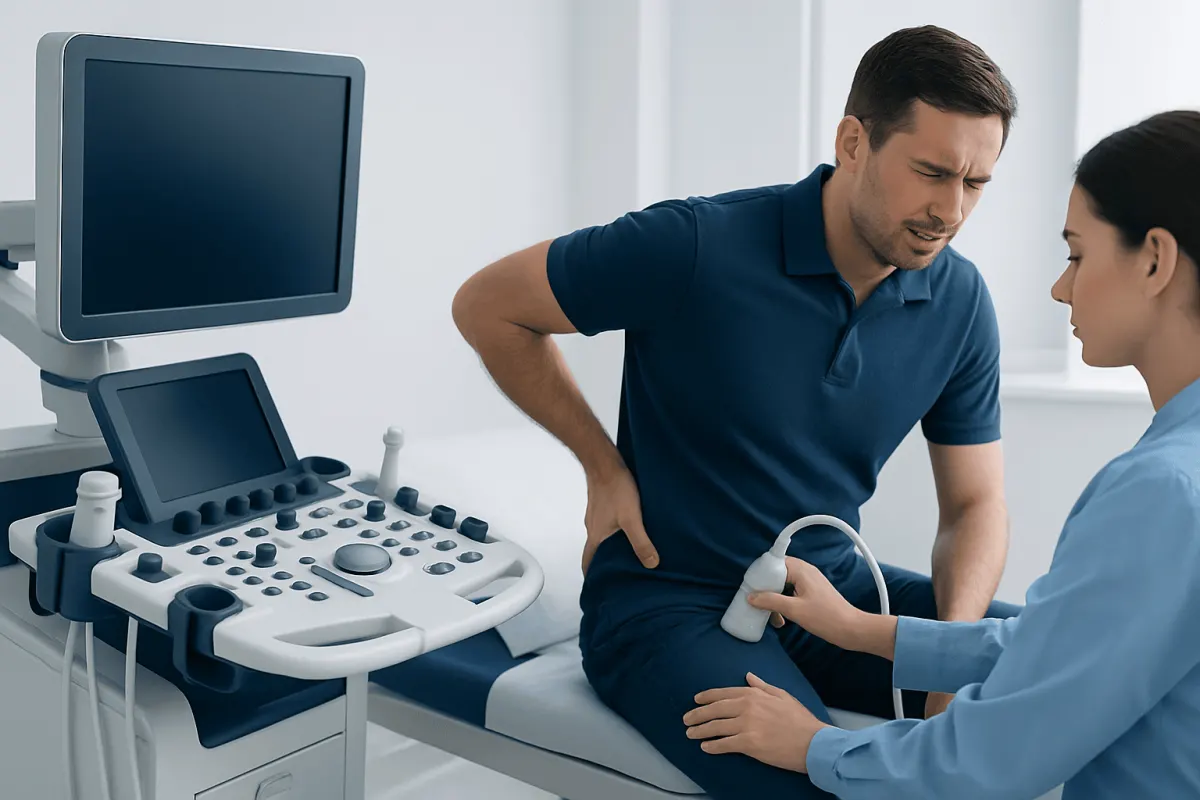
Lower back pain and testicle pain can occur together because nerves, muscles and organs in the lower abdomen, pelvis and back share pain pathways. Many causes are not emergencies, but sudden or severe testicular pain, swelling, fever, urinary symptoms or weakness should be assessed promptly.
Overview: Why Lower Back and Testicle Pain Can Occur Together
Lower back pain and testicle pain can happen at the same time when pain is referred through shared nerves or when a condition affects nearby structures such as the urinary tract, pelvis, groin or spine. The testicles receive nerve signals that overlap with areas of the lower abdomen and lower back, so the location where pain is felt does not always reveal its source.
For example, a strained lower-back muscle may cause discomfort that extends toward the groin, while a kidney stone may cause intense pain in the side or back that travels down toward the testicle. In other situations, the source is within the scrotum itself, such as inflammation or a twisted testicle. The pattern, timing and accompanying symptoms are important clues.
Most cases are not caused by a serious illness, but testicular symptoms should not be ignored. A healthcare professional can assess the back, abdomen, groin and scrotum and determine whether urgent testing or treatment is needed.
How the Pattern of Pain Can Offer Clues
Pain related to muscles or the spine often begins after lifting, prolonged sitting, unusual exercise or an awkward movement. It may worsen with bending, twisting, coughing or certain positions. Some people also experience pain traveling into the buttock, hip, groin or upper thigh, particularly when a nerve in the lower spine is irritated.
Kidney or ureter pain is often felt in the flank, which is the side of the back below the ribs. It can move toward the lower abdomen, groin or testicle and may come in waves. Nausea, vomiting, burning when urinating, blood in the urine or a frequent urge to urinate may occur depending on the cause.
Testicular conditions more often cause pain that is clearly centered in one testicle or the scrotum. There may be tenderness, swelling, warmth, redness, a change in testicular position or discomfort in the lower abdomen. However, symptoms can overlap, which is why self-diagnosis is not reliable when pain is new, significant or persistent.
- Back-dominant pain: often linked with movement, posture or stiffness.
- Colicky side-to-groin pain: may suggest a urinary stone.
- Sudden scrotal pain: needs urgent assessment to rule out torsion.
- Pain with fever or urinary symptoms: may be linked to infection or inflammation.
Common Triggers and Possible Causes
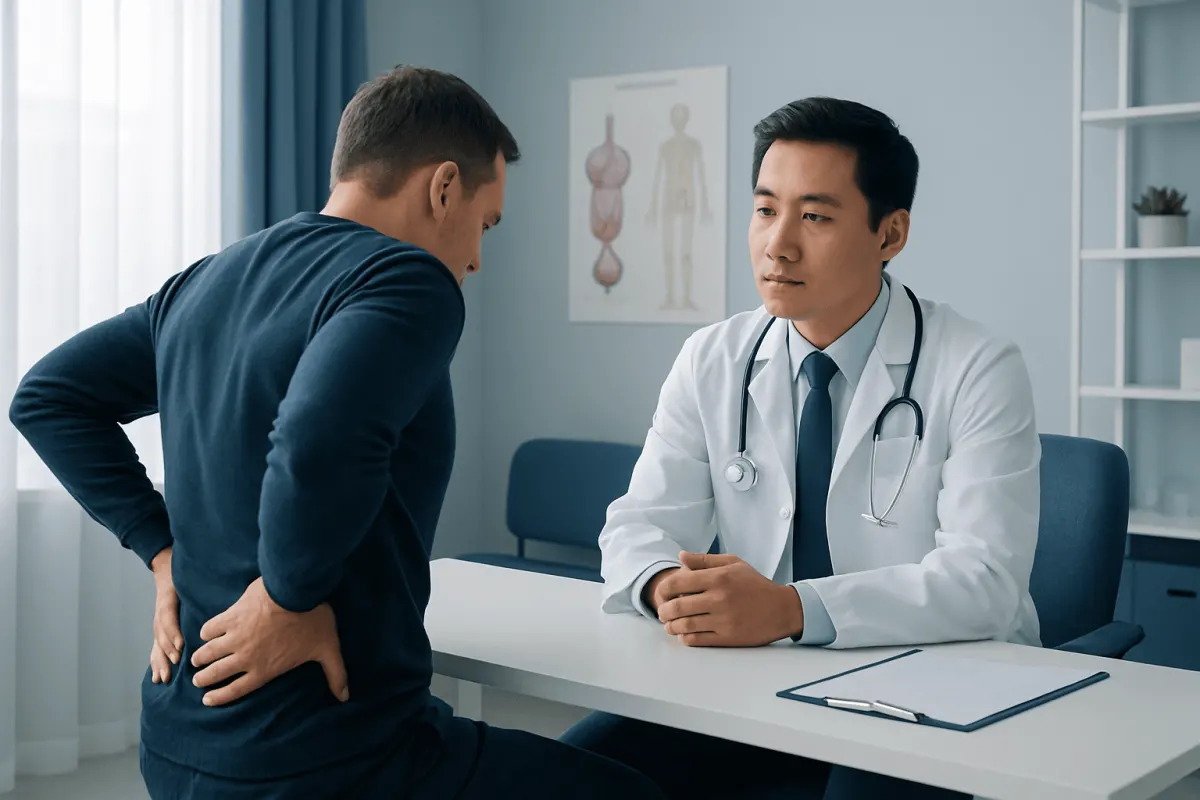
Muscle strain and mechanical lower-back pain are common reasons for discomfort that may spread toward the groin. Tight hip flexors, abdominal muscles or pelvic muscles can also contribute. These causes are more likely when symptoms began after activity and improve with rest, gentle movement or avoiding the aggravating task.
Nerve irritation from the lumbar spine can sometimes produce pain felt in the groin or testicle. A disc problem, spinal arthritis or other causes of nerve compression may also lead to tingling, numbness, burning pain or leg symptoms. Not every case of back pain with groin discomfort represents a disc problem, so an examination is needed before drawing conclusions.
Urinary conditions are another important possibility. Kidney stones may cause severe back or flank pain that radiates to the testicle. Urinary tract infection, kidney infection or blockage of urinary flow can also cause back pain, usually with urinary symptoms or fever. Kidney stones are a recognized cause of pain that moves from the back or side into the groin.
Conditions affecting the testicle or epididymis, the tube behind the testicle, can also cause associated lower abdominal or back discomfort. Epididymitis may develop with infection or urinary problems. Inguinal hernia, where tissue pushes through a weak point in the groin, can cause a bulge and aching that reaches the scrotum. Less commonly, a testicular mass or another pelvic condition may be involved and requires medical evaluation.
Important Red Flags: Conditions That Need Urgent Assessment
Sudden, severe pain in one testicle is a medical emergency until testicular torsion has been ruled out. Torsion occurs when the spermatic cord twists and reduces blood flow to the testicle. It may be accompanied by swelling, nausea, vomiting, lower abdominal pain or a testicle sitting higher than usual. Prompt emergency care is essential because timely treatment helps protect testicular function.
Fever, chills, significant scrotal redness or swelling, or pain with burning urination may indicate an infection that needs medical assessment. Severe flank or back pain with fever can also be a sign of kidney infection or an obstructed urinary tract, particularly if nausea, vomiting or difficulty passing urine is present.
Back pain requires urgent review if it occurs with new weakness in the legs, numbness around the genitals or anus, loss of bladder or bowel control, or inability to urinate. These symptoms can indicate serious nerve compression and should be assessed without delay.
A painless testicular lump, persistent heaviness, enlargement, or a new change in the size or shape of a testicle should be checked by a clinician. These symptoms do not necessarily mean cancer, but early assessment is the safest approach.
How Doctors Evaluate the Symptoms
A clinician will usually ask when the pain began, whether it is constant or comes in waves, what makes it better or worse, and whether there are urinary, digestive, sexual or neurological symptoms. Recent exercise, injuries, heavy lifting, infections, travel and previous kidney stones may also be relevant.
The examination may include the lower back, abdomen, groin, hips and scrotum. Depending on the findings, tests may include a urine test to look for blood or signs of infection, blood tests, and imaging. Scrotal ultrasound with Doppler blood-flow assessment is commonly used when torsion, epididymitis or another scrotal problem is suspected.
Ultrasound or CT imaging may be considered if a kidney stone or another abdominal cause is suspected. If symptoms point to a spine-related problem, imaging is not always needed immediately; it is generally guided by the examination, symptom severity, duration and the presence of neurological red flags. Urology evaluation can help identify urinary and scrotal causes of pain.
Treatment Depends on the Underlying Cause
Treatment is based on the cause rather than on the location of pain alone. Mechanical back pain may improve with temporary activity modification, staying gently active as tolerated, heat or cold measures, and clinician-guided pain relief. A physiotherapist may recommend exercises to restore movement, strengthen supporting muscles and reduce recurrence.
For nerve-related pain, care may include targeted rehabilitation and treatment of the underlying spinal condition. Surgical treatment is not needed for most people with back pain, but it may be considered when there is significant nerve compression, persistent disabling symptoms or an emergency neurological problem. Physical therapy and rehabilitation may be useful when musculoskeletal factors are contributing.
Kidney stones may pass naturally depending on their size and location, while larger stones or stones causing infection or blockage may need a procedure. Infections are treated according to the suspected site and cause, often with prescribed medication. Testicular torsion requires urgent surgery, while epididymitis or hernia are managed according to the diagnosis and individual circumstances.
People should avoid using leftover antibiotics or assuming that all pain in this area is a back problem. An accurate diagnosis helps prevent delays in treatment and avoids unnecessary care.
Self-Care While Arranging Non-Urgent Care
If symptoms are mild, clearly linked to a recent strain and there are no warning signs, relative rest from the triggering activity may help. Long periods of complete bed rest are generally not recommended for uncomplicated back pain; gentle walking and gradual return to normal movement can be more helpful when tolerated.
Supportive underwear may reduce discomfort from mild scrotal aching while awaiting a medical appointment, but it should not delay emergency assessment for sudden or severe pain. Drinking enough fluids is generally sensible, although a person with severe vomiting, known kidney disease, heart failure or fluid restrictions should follow their clinician’s advice.
It can be helpful to note the exact location of pain, whether it travels, any visible swelling, urinary changes, temperature, recent activity and medicines taken. This information can make a clinical assessment more efficient. Avoid heavy lifting or strenuous exercise until the cause is clearer if those activities worsen symptoms.
When to Seek Medical Care
Emergency care is needed for sudden severe testicular pain, especially if it starts over minutes or hours, or if it occurs with nausea, vomiting, swelling or an unusually positioned testicle. Emergency assessment is also appropriate for severe back or flank pain with fever, inability to urinate, confusion, or symptoms of serious nerve compression such as saddle numbness or loss of bladder or bowel control.
A medical appointment should be arranged soon for pain that lasts more than a few days, repeatedly returns, interferes with work, sleep or daily activities, or occurs with urinary symptoms, a groin bulge, scrotal swelling or a testicular lump. A clinician can determine whether the symptoms are coming from the back, urinary tract, groin or scrotum.
Acıbadem Health Point’s multidisciplinary specialists and JCI-accredited hospitals assess back, urinary and testicular conditions for international patients. The appropriate specialist may include a urologist, emergency physician, orthopedic clinician, neurologist or rehabilitation professional, depending on the findings.
Frequently asked questions
01Can lower back pain cause pain in the testicle?
Yes. Lower-back muscle problems or irritation of nerves in the lumbar spine can sometimes cause referred pain toward the groin or testicle. However, pain felt in the testicle can also come from urinary, scrotal or abdominal conditions, so it should not automatically be attributed to the back.
02Can kidney stones cause lower back pain and testicle pain?
Yes. A stone moving through the ureter can cause pain in the flank or lower back that travels into the lower abdomen, groin and testicle. The pain may come in waves and can occur with nausea, urinary urgency, burning or blood in the urine.
03When is testicle pain an emergency?
Sudden, intense pain in one testicle is an emergency because it can be caused by testicular torsion. Seek emergency care immediately, particularly if the pain is accompanied by swelling, nausea, vomiting or a testicle that appears higher than usual.
04Could sciatica cause testicular pain?
Nerve irritation from the lower back can occasionally produce groin or testicular discomfort, although classic sciatica more commonly travels through the buttock and down the leg. A clinician should evaluate symptoms to distinguish nerve-related pain from conditions affecting the urinary tract or scrotum.
05What symptoms suggest an infection rather than a back strain?
Fever, chills, burning urination, frequent urination, discharge, scrotal warmth or swelling and feeling generally unwell are more suggestive of infection. These symptoms warrant timely medical assessment because urinary and scrotal infections may need prescription treatment.
06Should a person rest or exercise with lower back and testicle pain?
If the pain is mild and clearly follows a back strain, gentle movement may be preferable to prolonged bed rest. However, strenuous activity and heavy lifting should be avoided until symptoms improve or a clinician identifies the cause. Sudden or severe testicular pain should be assessed urgently rather than managed with exercise or rest.
This article is for general information only and is not a substitute for professional medical advice. Please consult a qualified doctor about your individual situation.
Persistent digestive symptoms? Get evaluated in Turkey
JCI-accredited · board-certified surgeons · reply within 24h
Add us as a Preferred Source to see more of our trusted health content across Google Search, AI Overviews and Discover.