Long-Term Memory Loss: Causes, Symptoms, and Assessment
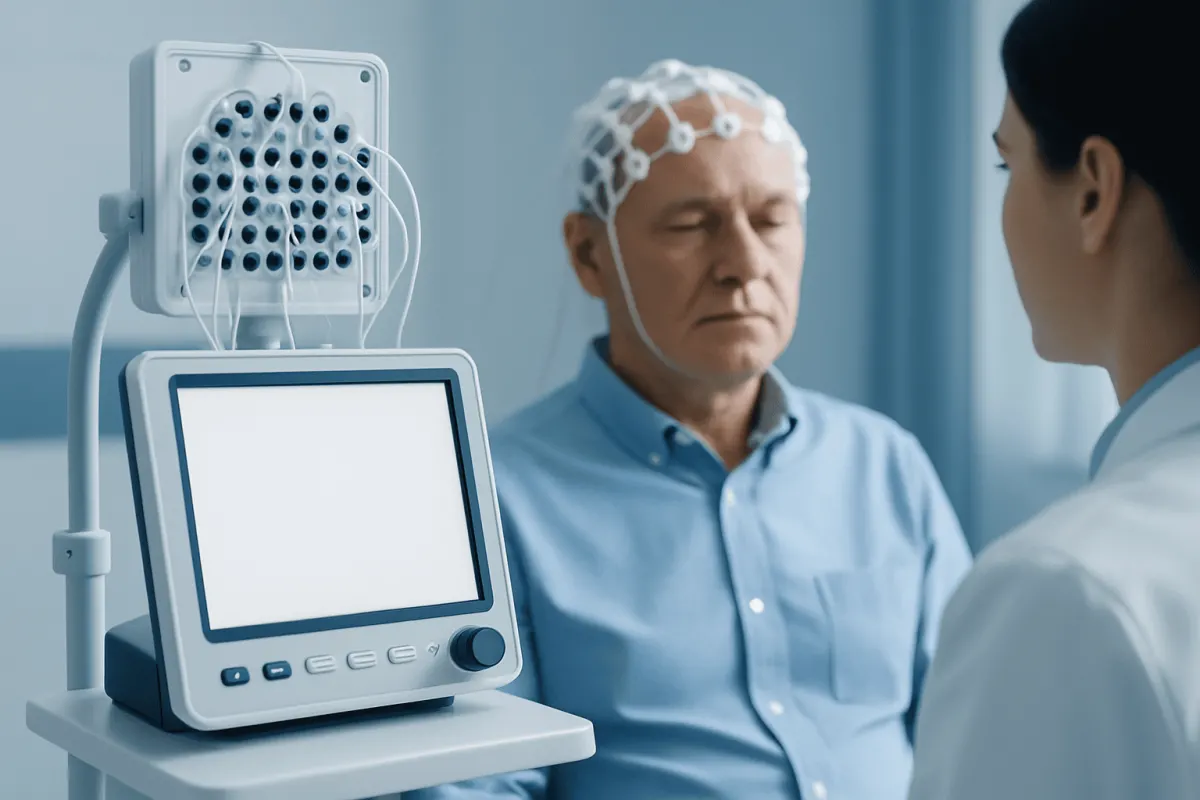
Long term memory loss means having difficulty recalling established memories, such as important life events, learned information, or familiar people and places. It is not a diagnosis by itself: it can occur with normal aging, stress, medications, medical conditions, brain injury, or neurodegenerative disorders, so a thoughtful medical assessment is important when it is new, worsening, or affecting daily life.
What Is Long Term Memory Loss?
Long term memory loss is difficulty retrieving memories that have been stored over days, years, or decades. These may include autobiographical memories, such as a family holiday or former job; factual knowledge, such as names and dates; and learned skills, such as playing an instrument. The pattern can vary considerably from person to person.
Memory is not a single ability. The brain must first pay attention to information, encode it, store it, and later retrieve it. A person may feel that an old memory has disappeared when the main problem is actually poor attention, fatigue, anxiety, depression, or difficulty finding the memory at that particular moment. A clinical evaluation helps distinguish these possibilities.
Some slowing in recalling names or details can occur with aging, particularly when a person later remembers the information or continues to function independently. More concerning changes include repeatedly forgetting significant events, getting lost in familiar places, relying increasingly on others for routine tasks, or showing a clear decline from previous abilities.
How Long Term Memory Loss May Appear
Long term memory loss can be subtle at first. A person may repeat stories without realizing it, have trouble recalling shared experiences, forget previously familiar routes, or struggle to remember information they once used easily. Family members may notice changes before the person affected does.
The type of memory affected can offer useful clues. Difficulty remembering recent conversations or appointments often reflects problems forming new memories, while loss of older personal memories may occur after certain injuries, severe stress, neurological conditions, or more widespread cognitive illness. However, symptoms overlap, and no single sign confirms a cause.
Memory concerns may occur alongside changes in language, planning, judgment, mood, behavior, movement, sleep, or sensory function. For example, a person might have trouble following a recipe, managing medications, choosing appropriate words, or recognizing that their abilities have changed. Clinicians consider the full pattern rather than memory in isolation.
- Forgetting important personal history or familiar information
- Needing more reminders for everyday routines
- Repeating questions, conversations, or stories
- Difficulty navigating familiar environments
- Problems with planning, finances, medicines, or household tasks
- New confusion, personality change, or reduced social engagement
Causes and Factors That Can Affect Memory

Long term memory loss has many possible causes. Some are temporary or reversible, while others require ongoing support and monitoring. Common contributors include poor sleep, chronic stress, anxiety, depression, grief, alcohol or substance use, and medication side effects. Sedating medicines, some medicines with anticholinergic effects, and combinations of medicines may affect alertness and memory, especially in older adults.
Medical conditions may also contribute. Examples include thyroid disorders, vitamin B12 deficiency, uncontrolled diabetes, liver or kidney disease, infections, hearing or vision impairment, and sleep apnea. These conditions do not always cause memory loss directly, but they can affect attention, energy, brain function, or the ability to take in information accurately.
Neurological causes include concussion or other traumatic brain injury, stroke, epilepsy, brain inflammation, brain tumors, hydrocephalus, and neurodegenerative conditions such as Alzheimer’s disease and other dementias. Memory loss following a head injury or stroke can have a distinct pattern and may improve partly with recovery and rehabilitation.
Risk increases with advancing age, but memory loss is not an inevitable part of aging. High blood pressure, high cholesterol, smoking, physical inactivity, diabetes, social isolation, untreated hearing loss, heavy alcohol use, and repeated head injuries can all influence long-term brain health. These factors are important because many can be addressed with medical and lifestyle support.
How Doctors Evaluate Memory Concerns
A memory assessment usually begins with a detailed conversation. The clinician will ask when changes started, whether they came on suddenly or gradually, which situations are most difficult, and how symptoms affect daily life. Input from a relative, friend, or caregiver can be valuable because it provides examples of changes over time.
The evaluation may include a review of medical history, mood, sleep, alcohol and substance use, recent illness, head injuries, and all prescribed and nonprescription medicines. A physical and neurological examination can assess movement, sensation, reflexes, balance, speech, and other signs that may point toward a cause.
Brief cognitive screening tests may assess recall, attention, language, visuospatial abilities, and executive function. More detailed neuropsychological testing can be helpful when symptoms are mild, complicated, or unclear. Blood tests may look for reversible contributors, such as thyroid disease, vitamin deficiencies, infection, or metabolic problems.
Brain imaging, usually magnetic resonance imaging or computed tomography, is not required for every person. It may be recommended when memory loss is new, rapidly progressing, follows an injury, occurs with neurological symptoms, or needs further clarification. The results are interpreted alongside the history and examination, not in isolation.
Treatment and Support Options
Treatment for long term memory loss depends on its cause. When a contributing medical condition is identified, treating it may improve thinking or prevent further decline. This can include correcting nutritional deficiencies, adjusting medicines under medical guidance, treating sleep disorders, managing depression or anxiety, reducing alcohol use, or improving control of blood pressure, diabetes, and other vascular risks.
For memory changes related to brain injury, stroke, or a neurodegenerative condition, care often focuses on maintaining function, safety, independence, and quality of life. A neurologist, geriatrician, psychiatrist, psychologist, rehabilitation specialist, occupational therapist, speech-language therapist, and primary care clinician may each have a role depending on the individual’s needs.
Some conditions have medicines that may help selected people with symptoms or slow progression in specific circumstances. These treatments should be considered only after a careful diagnosis and discussion of potential benefits, limitations, side effects, monitoring, and personal goals. There is no single medicine that restores all types of memory loss.
Practical strategies are an important part of care. Calendars, labeled storage areas, written routines, medication organizers, reminder apps, and keeping important items in consistent locations can reduce day-to-day stress. Family education and caregiver support are also valuable, particularly when memory changes affect safety or independent living.
Supporting Memory and Daily Function
Daily habits cannot guarantee prevention of memory loss, but they can support overall brain and cardiovascular health. Regular physical activity, a balanced eating pattern rich in vegetables, fruit, whole grains, legumes, fish, and healthy fats, and avoiding tobacco are sensible foundations. A clinician can advise on activity and diet changes that are appropriate for the person’s health conditions.
Quality sleep is essential for attention and memory consolidation. Adults who snore loudly, stop breathing during sleep, wake unrefreshed, or have significant daytime sleepiness should discuss possible sleep disorders with a doctor. Stress management, treatment of low mood, and regular social contact can also improve concentration and wellbeing.
It may help to focus on one task at a time, reduce distractions during conversations, repeat key information aloud, and write down plans promptly. Learning new skills, reading, hobbies, music, volunteering, and social activities may provide meaningful mental stimulation. These activities are most useful when they are enjoyable and realistic rather than stressful.
For international patients requiring evaluation, Acıbadem Health Point’s multidisciplinary specialists and JCI-accredited hospitals can diagnose and treat memory-related conditions with coordinated neurological, medical, and rehabilitation care.
When to Seek Medical Care
A doctor should assess memory changes that are persistent, worsening, unusual for the person, or affecting work, school, relationships, finances, driving, medication use, or independent daily activities. It is also appropriate to seek advice when family members have noticed a decline, even if the person is unsure that there is a problem.
Urgent medical care is needed for sudden confusion or memory loss, especially when it occurs with facial drooping, weakness or numbness on one side, trouble speaking, severe headache, fainting, seizure, fever with neck stiffness, chest pain, or a recent significant head injury. These symptoms may signal a time-sensitive medical emergency.
Before an appointment, it can be helpful to note when symptoms began, examples of memory difficulties, recent illnesses or life changes, and a complete list of medicines and supplements. Bringing a trusted relative or friend can help provide a clearer picture and support shared decision-making.
Frequently asked questions
01Is long term memory loss a normal part of aging?
Mildly slower recall, such as occasionally taking longer to remember a name, can occur with age. However, regularly forgetting important information, losing independence, or having a clear decline in abilities is not considered a normal part of aging and should be discussed with a clinician.
02Can stress cause long term memory loss?
Stress can make concentration and memory retrieval more difficult, particularly when it is severe or prolonged. It may feel like memories are missing, but the difficulty is often related to attention and sleep. Persistent symptoms still deserve medical assessment because more than one factor may be involved.
03Can long term memory loss be reversed?
It may improve when caused by treatable factors such as poor sleep, medication effects, vitamin deficiency, depression, thyroid disease, or substance use. Memory changes caused by certain neurological disorders may not be fully reversible, but early diagnosis can help guide treatment, support, and planning.
04What is the difference between short-term and long-term memory loss?
Short-term or working-memory difficulties involve holding information in mind briefly, such as a phone number or a recent instruction. Long-term memory loss concerns recalling information stored over a longer period, including past events, facts, and learned skills. In many conditions, both types can be affected.
05Which medicines can affect memory?
Some sedatives, sleep medicines, medicines with anticholinergic effects, certain pain medicines, and some combinations of drugs can affect alertness or memory. A person should not stop a prescribed medicine suddenly. Instead, they should ask a doctor or pharmacist to review all medicines, including over-the-counter products and supplements.
06How can family members help someone with memory loss?
Family members can offer calm, practical support by using reminders, maintaining predictable routines, simplifying important tasks, and attending appointments when invited. It is helpful to avoid arguing about forgotten details and to report specific changes in function or safety to the healthcare team. Caregivers should also seek support for their own wellbeing.
This article is for general information only and is not a substitute for professional medical advice. Please consult a qualified doctor about your individual situation.
Explore treatments in Turkey — costs, top hospitals & a free quote
JCI-accredited · board-certified surgeons · reply within 24h
Add us as a Preferred Source to see more of our trusted health content across Google Search, AI Overviews and Discover.
More from the Health Library

Aseptic Meningitis: Causes, Diagnosis, and When It Becomes Serious

Tuberculous Meningitis: What to Expect From Diagnosis, Treatment, and Recovery