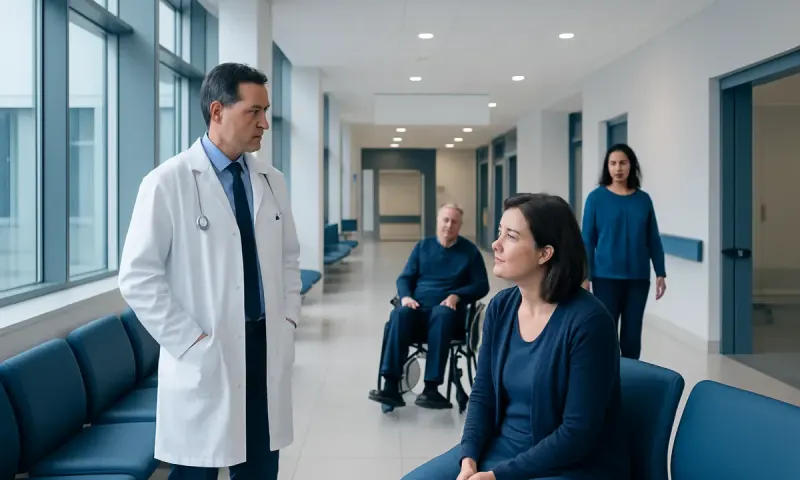
Living With a Neuropsychiatric Disorder: Daily Challenges, Support, and Long-Term Care

Living with a neuropsychiatric disorder can affect emotions, thinking, behavior, relationships, work, and daily routines. With accurate diagnosis, personalized treatment, and ongoing support, many people can manage symptoms and maintain a meaningful quality of life.
Overview: What Is a Neuropsychiatric Disorder?
A neuropsychiatric disorder is a condition in which symptoms involve both the brain and mental or behavioral health. These disorders can affect mood, memory, attention, judgment, sleep, movement, perception, personality, or daily functioning. Some begin primarily with psychiatric symptoms, while others are linked to neurological illness, brain injury, infection, inflammation, epilepsy, dementia, or developmental conditions.
The term covers a wide range of health problems rather than one single diagnosis. For example, a person may experience depression related to Parkinson’s disease, behavioral changes after a traumatic brain injury, cognitive problems in epilepsy, or anxiety and mood symptoms alongside other neurological conditions. Because symptoms can overlap, careful assessment is important.
Living with a neuropsychiatric disorder can be challenging, but it is also manageable in many cases. A combination of medical treatment, psychological support, rehabilitation, practical coping strategies, and family involvement often helps people maintain independence and participate more fully in daily life.
How Daily Life May Be Affected
The effects of a neuropsychiatric disorder can vary from mild and occasional to persistent and disabling. Some people mainly notice emotional symptoms such as irritability, anxiety, low mood, or sudden mood changes. Others may struggle more with concentration, memory, planning, speech, impulse control, or social awareness. Fatigue and sleep problems can add another layer of difficulty.
Everyday tasks may become harder. A person might forget appointments, misplace items, have trouble following conversations, or feel overwhelmed by busy environments. Work, school, parenting, relationships, and household responsibilities may require more planning and support than before. This can be frustrating, especially when symptoms are invisible to others.
Social and emotional effects are also common. Some people withdraw because they feel embarrassed, misunderstood, or exhausted. Family members may be unsure whether a change in behavior is part of the condition, stress, or a medication effect. Open communication and a shared understanding of the diagnosis can reduce blame and help everyone respond more supportively.
- Difficulty with memory, attention, or organization
- Changes in mood, motivation, or emotional control
- Sleep disturbance and daytime fatigue
- Problems at work, school, or in relationships
- Reduced confidence, independence, or social participation
Symptoms, Causes, and Risk Factors

Symptoms depend on the underlying condition and the brain systems involved. Common neuropsychiatric symptoms include depression, anxiety, agitation, apathy, confusion, hallucinations, delusions, personality change, poor concentration, forgetfulness, slowed thinking, poor judgment, and changes in sleep or appetite. Some people also have headaches, seizures, movement changes, or sensory symptoms if a neurological disease is present.
Causes are diverse. Neuropsychiatric symptoms may develop in conditions such as dementia, epilepsy, stroke, multiple sclerosis, Parkinson’s disease, autoimmune or inflammatory brain disorders, infections affecting the nervous system, traumatic brain injury, tumors, metabolic disorders, or side effects from medication or substance use. In some patients, symptoms arise from a primary mental health condition but are closely influenced by brain biology and cognitive function.
Risk factors can include older age, personal or family history of neurological or psychiatric illness, previous head injury, chronic medical disease, sleep disorders, substance misuse, high stress, and social isolation. Having risk factors does not mean a person will definitely develop a disorder, but it may increase the need for timely evaluation if symptoms appear.
Because these symptoms can have many causes, self-diagnosis is rarely reliable. New changes in behavior, memory, perception, or personality deserve professional assessment, especially if they appear suddenly or worsen over time.
Diagnosis and Assessment
Diagnosis usually begins with a detailed medical history and discussion of symptoms. A clinician may ask when changes started, how they affect daily life, whether they fluctuate, and whether there has been any recent illness, injury, medication change, or substance use. Input from family members or caregivers can be helpful, especially if the person has memory problems or limited insight into symptoms.
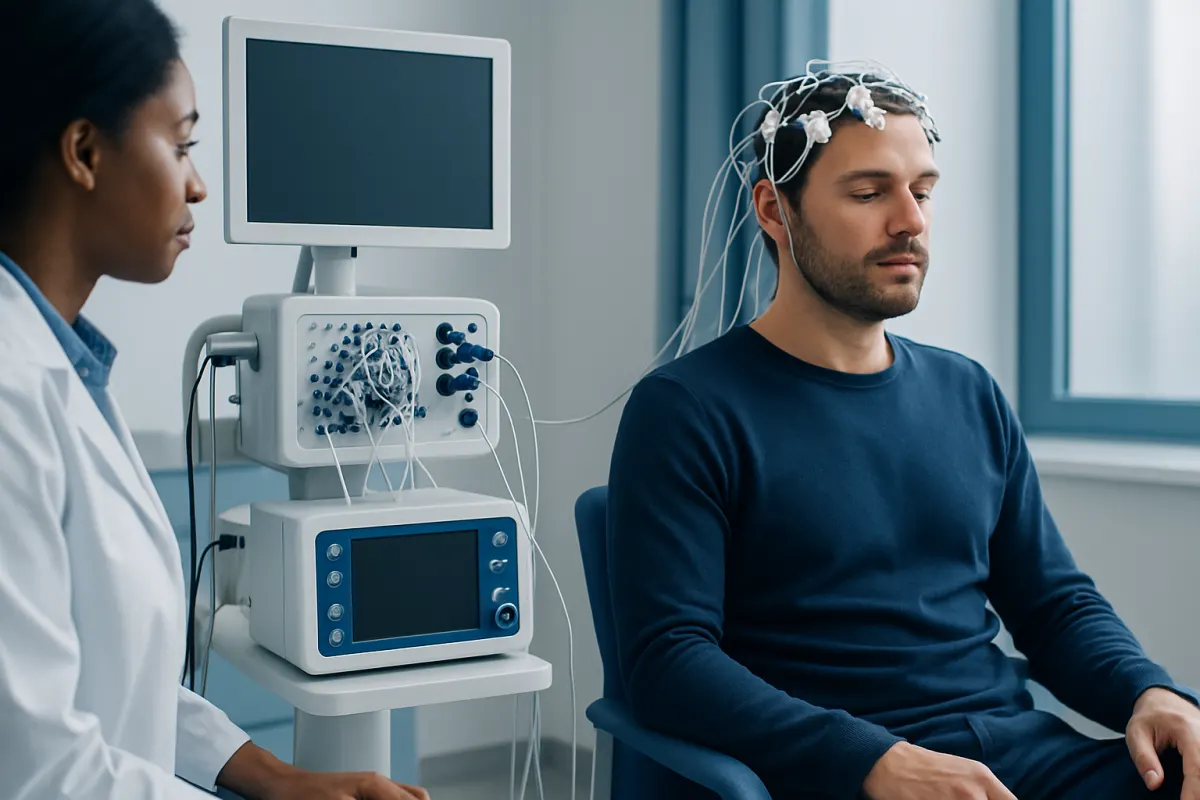
A full assessment may include neurological and psychiatric examination, cognitive screening, blood tests, and brain imaging when appropriate. Depending on the situation, doctors may also use electroencephalography, sleep evaluation, or more detailed neuropsychological testing. The goal is not only to name the condition, but to understand what is causing the symptoms and which treatments are most likely to help.
Diagnosis can take time because overlapping symptoms are common. For example, depression can look like memory loss, seizures can be mistaken for psychiatric episodes, and medication side effects can cause confusion or agitation. A careful, step-by-step process helps avoid missed causes and supports a more accurate treatment plan.
In many cases, care involves more than one specialist. A neuropsychiatric assessment may include neurologists, psychiatrists, psychologists, rehabilitation professionals, and primary care doctors working together to build a complete picture of the person’s health.
Treatment Options and Long-Term Care
Treatment depends on the diagnosis, symptom pattern, and the person’s age, medical history, and daily needs. Many people benefit from a combination of approaches rather than one single treatment. This may include medication to manage mood, psychosis, anxiety, attention problems, sleep issues, or an underlying neurological disease, along with psychotherapy, education, and structured daily routines.
Rehabilitation can also play an important role. Cognitive rehabilitation may help with memory, planning, attention, and problem-solving. Occupational therapy can support independence at home or work, while speech and language therapy may help communication or swallowing when these are affected. Some patients may also need treatment for related neurological conditions, such as epilepsy or Parkinson's disease.
Long-term care often focuses on stability, safety, and quality of life. Regular follow-up helps doctors monitor symptom changes, medication effects, sleep, functioning, and caregiver stress. It may also be necessary to update treatment as the condition changes over time. In selected cases, specialized support such as rehabilitation programs or neuropsychological assessment can guide more targeted care planning.
Near the end of the care journey, some people also benefit from coordinated specialist input in centers experienced in brain-behavior disorders. Acıbadem Health Point’s multidisciplinary specialists and JCI-accredited hospitals diagnose and treat neuropsychiatric conditions for international patients when advanced evaluation or follow-up is needed.
Support at Home, Work, and in Relationships
Practical support can make a meaningful difference in everyday life. Many people do better with structured routines, written reminders, medication organizers, calendars, and simplified environments. Breaking tasks into smaller steps can reduce stress and improve follow-through. Good sleep habits, regular meals, physical activity, and limiting alcohol or non-prescribed substances may also support symptom control.
Family and caregivers are often essential partners in long-term care. They may help observe symptom patterns, attend appointments, support medication routines, and notice early signs of relapse or side effects. At the same time, caregivers need support for themselves. Burnout can affect judgment, patience, sleep, and health, so respite, counseling, or caregiver groups may be helpful.
Workplace or school accommodations may reduce strain. These can include flexible scheduling, quieter settings, extra time for tasks, written instructions, reduced multitasking, or gradual return plans after illness or injury. Honest, selective communication with employers or educators can help create realistic expectations while protecting privacy.
Relationships may also need adjustment. Loved ones often benefit from understanding that symptoms such as irritability, forgetfulness, or withdrawal are not simply a lack of effort. Clear boundaries, empathy, and practical problem-solving usually work better than confrontation or criticism.
Self-Care, Prevention, and Building Resilience
Not all neuropsychiatric disorders can be prevented, but healthy habits may lower risk, reduce symptom burden, or support recovery. Managing blood pressure, diabetes, sleep disorders, and other chronic illnesses can help protect brain health. Using seat belts and helmets, avoiding substance misuse, and seeking prompt care after head injury are also important preventive measures.
Self-care should be realistic rather than perfect. People may benefit from keeping a symptom diary, tracking sleep and stress, staying socially connected, and planning regular breaks during the day. Relaxation strategies such as breathing exercises, mindfulness, or gentle movement can help some people cope with anxiety and overstimulation.
Sticking to treatment is another key part of prevention. Stopping medication suddenly, missing follow-up visits, or ignoring new symptoms can lead to setbacks. If side effects or doubts about treatment arise, it is safer to discuss them with a doctor than to make major changes alone.
Resilience does not mean ignoring the condition. It means learning how symptoms affect daily life, using available support, and making practical adjustments over time. Many people find that progress comes in steps, with some periods requiring more support than others.
When to Seek Medical Help
A doctor should assess neuropsychiatric symptoms when they are new, persistent, worsening, or interfering with daily life. Evaluation is especially important if a person develops sudden confusion, major personality change, memory loss, unusual behavior, hallucinations, severe depression, or anxiety that disrupts sleep, work, or safety. Early assessment can help identify treatable causes.
Urgent medical attention is needed for warning signs such as suicidal thoughts, self-harm risk, violent behavior, seizures, sudden weakness, severe headache, loss of consciousness, high fever with confusion, or rapidly developing confusion after illness or medication change. These symptoms may point to a medical emergency rather than stress alone.
Caregivers should also seek help if they can no longer safely support the person at home. Repeated wandering, falls, missed medications, aggression, inability to eat or drink properly, or severe sleep disruption can signal a need for more intensive treatment or support services. Asking for help early is a sign of good care, not failure.
When symptoms are complex, a clinic with expertise in both neurology and mental health may be particularly helpful. A coordinated approach can clarify the diagnosis and create a long-term plan that supports both the patient and the family.
Frequently asked questions
01What does neuropsychiatric disorder mean?
A neuropsychiatric disorder is a condition that involves both brain function and mental or behavioral symptoms. It can affect mood, thinking, memory, behavior, sleep, and daily functioning.
02Are neuropsychiatric disorders the same as mental illness?
Not exactly. Some neuropsychiatric disorders are primarily psychiatric, while others are linked to neurological diseases such as epilepsy, dementia, or brain injury. In practice, there is often overlap, which is why a full medical assessment is important.
03Can someone live a normal life with a neuropsychiatric disorder?
Many people can lead active, meaningful lives with the right treatment and support. Symptoms may still require adjustments at home, school, or work, but personalized care often improves function and quality of life.
04How are neuropsychiatric disorders diagnosed?
Diagnosis usually involves a medical history, symptom review, neurological and psychiatric examination, and sometimes blood tests, brain imaging, or cognitive testing. Doctors use these findings to identify the cause and plan treatment.
05What treatments are commonly used?
Treatment may include medication, psychotherapy, cognitive rehabilitation, occupational therapy, and management of any underlying neurological disease. The best plan depends on the diagnosis, symptom severity, and the person's daily needs.
06When should family members worry about symptoms?
Family members should seek help if symptoms are sudden, severe, or getting worse, especially if there is confusion, hallucinations, suicidal thinking, aggression, seizures, or major personality change. Medical review is also important when symptoms start affecting safety or basic daily activities.
This article is for general information only and is not a substitute for professional medical advice. Please consult a qualified doctor about your individual situation.
Explore treatments in Turkey — costs, top hospitals & a free quote
JCI-accredited · board-certified surgeons · reply within 24h
Add us as a Preferred Source to see more of our trusted health content across Google Search, AI Overviews and Discover.