The Liver Works Quietly, So Damage Often Shows Up Late

Have you ever wondered why liver disease so often gets caught late? Your liver rarely complains. It sits in the upper right side of your abdomen, quietly processing nutrients, filtering your blood, making bile and important proteins, storing energy, and clearing waste — all day, every day.
Because your liver touches so many systems, problems there can affect your whole health in different ways. Knowing how it works, what can harm it, and when to see a doctor goes a long way toward protecting your long-term health.
Overview: what the liver does and why it matters
The liver is one of the body’s most important organs. It sits in the upper right side of the abdomen and works continuously to process nutrients from food, filter substances from the blood, produce bile for digestion, store energy, and help the body remove waste. In simple terms, the liver supports metabolism, immunity, digestion, and balance throughout the body.
Because the liver is involved in so many systems, liver problems can affect overall health in different ways. Some conditions cause inflammation, some lead to fat buildup, and others gradually damage liver tissue over time. Early liver disease is often silent — you may feel completely fine. That is exactly why routine checkups and getting abnormal results checked matter.
It helps to look at the liver as a whole rather than one disease at a time: how it works, what can go wrong, how doctors investigate problems, and what treatments exist. Seeing the bigger picture makes test results and symptoms far easier to understand for you and your family.
How the liver works in everyday health
The liver has hundreds of tasks, but several are especially important in daily life. It converts nutrients from carbohydrates, fats, and proteins into forms the body can use or store. It also helps regulate blood sugar by storing glucose as glycogen and releasing it when the body needs energy.
Another major role is detoxification. The liver breaks down alcohol, medications, and natural waste products so they can be safely removed. It also produces bile, a fluid that helps digest fats and carry certain waste products into the intestine for excretion.
The liver makes many proteins that the body depends on, including albumin, which helps keep fluid in the bloodstream, and clotting factors, which help stop bleeding. It also stores vitamins and minerals such as iron and vitamin B12. When liver function declines, these systems may be affected in ways that show up in blood tests, swelling, bruising, or fatigue.
- Processes nutrients from food
- Produces bile for digestion
- Breaks down toxins and medicines
- Stores energy, vitamins, and minerals
- Makes proteins needed for blood clotting and fluid balance
Common liver conditions and symptoms

Liver conditions vary widely. Some of the most common include fatty liver disease, viral hepatitis, alcohol-related liver disease, autoimmune liver disease, inherited metabolic disorders, cirrhosis, and liver tumors. A person may also develop temporary liver inflammation from infections, medications, or other medical conditions.
Here is the tricky part: symptoms often do not appear until the disease is more advanced. And when they do show up, they can be vague and easy to brush off. Fatigue, poor appetite, nausea, abdominal discomfort, itching, dark urine, or yellowing of the eyes and skin may all be clues. Swelling in the legs or abdomen, easy bruising, confusion, and unintended weight loss may suggest more serious impairment.
Fat buildup in the liver is now a very common finding on imaging and may be related to weight, insulin resistance, diabetes, or metabolic health. Readers looking for more information about fatty liver may benefit from a condition-specific guide. Long-term scarring of the liver is known as cirrhosis, a condition that can affect blood flow through the liver and increase the risk of complications.
- Often no early symptoms
- Possible fatigue, nausea, or upper abdominal discomfort
- Jaundice can signal liver dysfunction
- Advanced disease may cause swelling, bleeding problems, or confusion
Causes and risk factors for liver problems
Liver disease can develop for many reasons. Viral infections such as hepatitis B and hepatitis C may inflame and damage the liver over time. Excess alcohol use can also injure liver cells and lead to scarring. In many people, however, liver disease is linked to metabolic factors such as overweight or obesity, type 2 diabetes, high cholesterol, and insulin resistance.
Some medicines, herbal products, and supplements can affect the liver, especially when taken in high doses or in combinations that were not medically supervised. Autoimmune conditions may cause the immune system to attack liver tissue or bile ducts. Inherited disorders, such as hemochromatosis or Wilson disease, can also interfere with liver health, although these are less common.
Risk may increase with a family history of liver disease, older age, certain exposures, or longstanding chronic illnesses. Having a risk factor — or several — does not mean you will definitely develop serious liver disease. It simply means preventive care, a medication review, lifestyle support, and regular follow-up are worth even more to you.
How doctors evaluate the liver
Assessment usually begins with a medical history, physical examination, and blood tests. Doctors often check liver enzymes, bilirubin, albumin, and clotting measures to understand whether there is inflammation or reduced liver function. They may also order tests for viral hepatitis, autoimmune markers, or iron and copper levels when the cause is unclear.
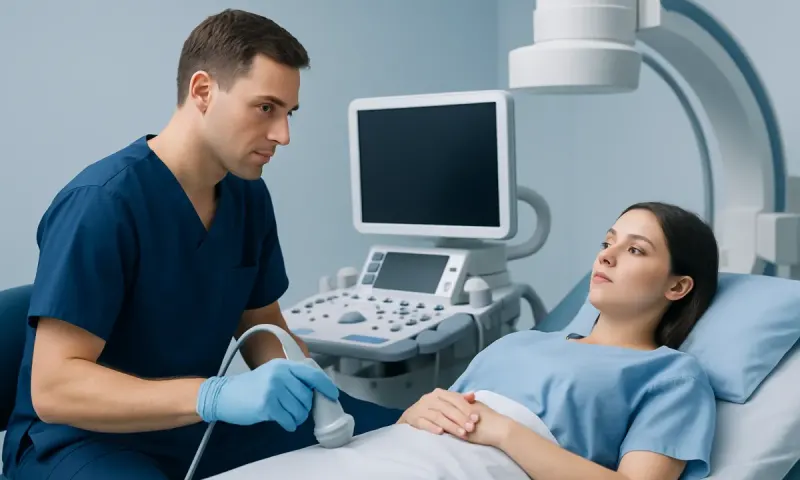
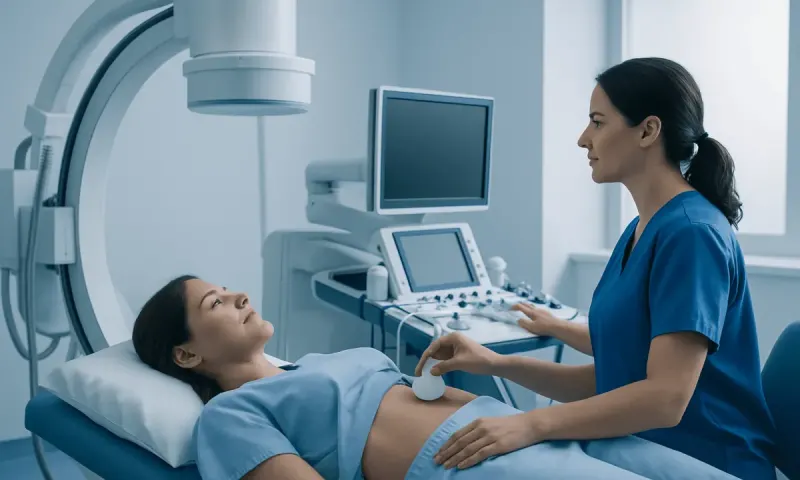
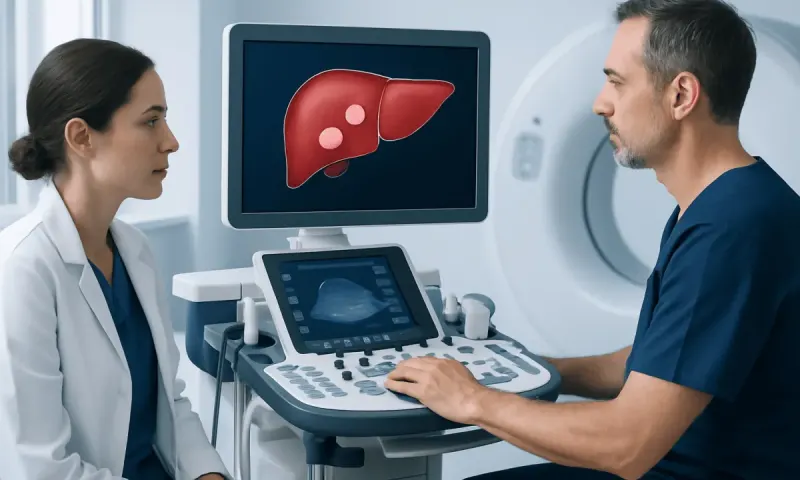
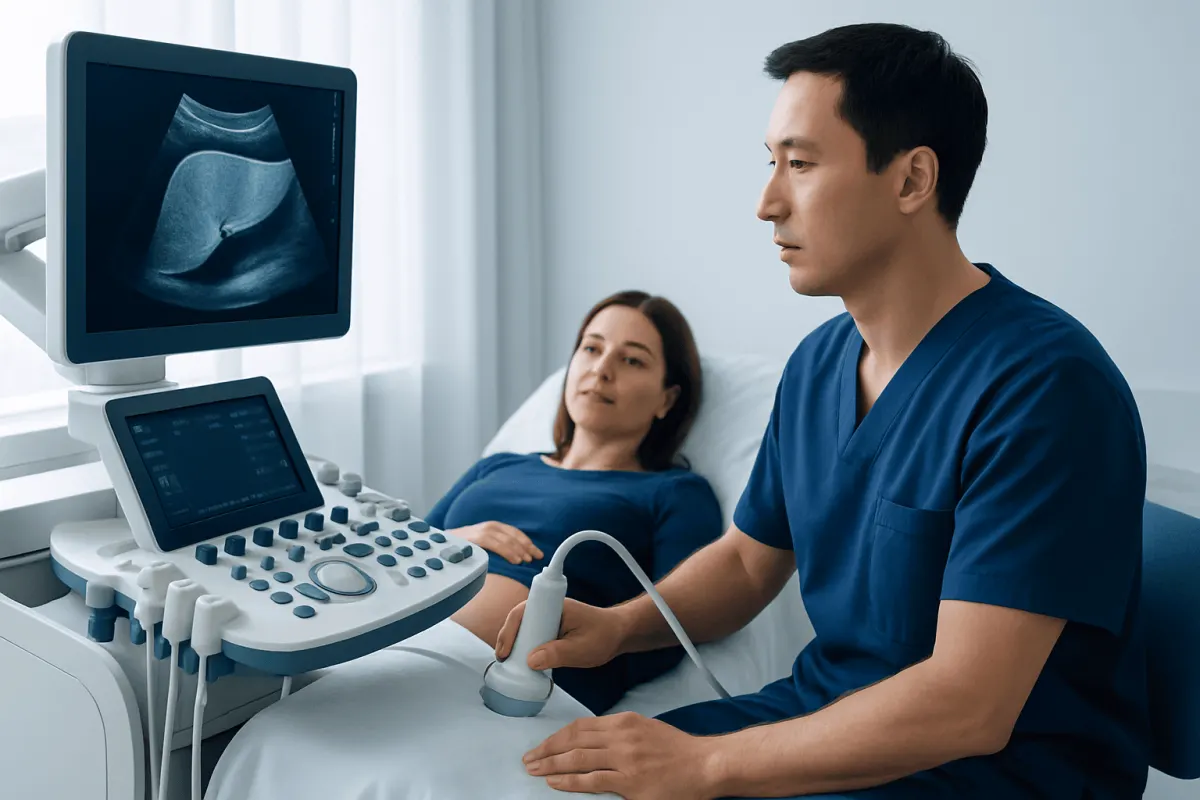
Imaging tests help show the liver’s size, structure, and blood flow. Ultrasound is commonly used first because it is widely available and does not use radiation. Depending on the findings, a doctor may recommend CT, MRI, or specialized elastography to assess fat content or fibrosis. Imaging may also help investigate cysts, masses, or blocked bile ducts.
In selected cases, a liver biopsy is needed to confirm the diagnosis or stage the amount of inflammation and scarring. This is not necessary for everyone. Diagnosis is often based on a combination of symptoms, examination findings, blood work, and imaging. If a mass or serious structural problem is suspected, specialists may also consider advanced options such as liver transplantation in appropriate cases, though this is reserved for severe disease.
Treatment options for liver disease
Treatment depends on the specific liver condition and how advanced it is. For many people, the first steps include addressing the cause of injury and supporting overall liver health. This may involve weight management, limiting or avoiding alcohol, improving blood sugar control, and reviewing medications that could be contributing to liver inflammation.
Medical treatment can include antiviral therapy for hepatitis, immune-modulating medicines for autoimmune conditions, and symptom-focused care for itching, fluid retention, or complications related to cirrhosis. Some bile duct disorders may be treated with endoscopic procedures. If gallstones or biliary obstruction are involved, doctors may recommend ERCP or other targeted interventions depending on the anatomy and problem found.
When liver disease becomes advanced, care may involve a multidisciplinary team that includes gastroenterologists, hepatologists, surgeons, dietitians, radiologists, and critical care specialists. Liver tumors may require surgery, ablation, embolization, systemic therapy, or transplant evaluation. In some situations, doctors may also investigate nearby digestive organs with endoscopy or use imaging-guided procedures to clarify the diagnosis. Near the end of the care pathway, some international patients choose centers such as Acıbadem Health Point, where multidisciplinary specialists in JCI-accredited hospitals evaluate and treat liver conditions.
Prevention and self-care for liver health
Many liver problems can be prevented or their progression slowed with practical habits. A balanced diet, regular physical activity, and gradual weight loss when appropriate can improve metabolic health and reduce fat accumulation in the liver. Avoiding excess alcohol is one of the most important ways to lower the risk of liver injury.
People should take medicines only as directed and discuss supplements with a qualified clinician, since “natural” products are not always liver-safe. Vaccination against hepatitis A or B may be recommended for some people, depending on risk factors and medical history. Safe food, water, and hygiene practices can also reduce infection risk while traveling.
Do not wait for symptoms — liver disease often gives no early warning. People with diabetes, obesity, high cholesterol, or a family history of liver disease may benefit from periodic monitoring. Self-care should support medical treatment, not replace it, especially if jaundice, abdominal swelling, or abnormal test results are present.
- Maintain a healthy weight
- Limit or avoid alcohol
- Use medicines carefully
- Ask about hepatitis vaccination
- Attend follow-up visits and recommended tests
When to seek medical care
Medical advice should be sought promptly if a person develops yellowing of the skin or eyes, severe abdominal pain, vomiting blood, black stools, increasing abdominal swelling, marked sleepiness, confusion, or sudden weakness. These do not always mean a liver emergency, but do not wait to find out — get assessed urgently.
Non-urgent evaluation is also appropriate for persistent fatigue, unexplained nausea, poor appetite, itching, dark urine, pale stools, or abnormal liver blood tests found during a routine checkup. A doctor can determine whether these changes are related to the liver, another condition, or a temporary issue.
People who already have diagnosed liver disease should keep regular appointments and ask their care team about warning signs that require earlier review. Early attention often makes treatment simpler and may help prevent complications.
Frequently asked questions
01What is the main function of the liver?
There is no single answer — the liver juggles many essential jobs at once. It helps process nutrients, produce bile, break down toxins and medicines, store energy, and make proteins needed for normal body function.
02Can liver disease be present without symptoms?
Yes. Early liver disease often causes no clear symptoms and may only be detected through blood tests or imaging. That is why regular checkups matter, especially if you have risk factors such as diabetes, obesity, or alcohol use.
03What are common warning signs of liver problems?
Possible warning signs include fatigue, nausea, loss of appetite, abdominal discomfort, dark urine, pale stools, itching, or yellowing of the skin and eyes. In more advanced cases, swelling, bruising, confusion, or bleeding can occur and need prompt evaluation.
04Is fatty liver disease reversible?
In many cases, fatty liver disease can improve, especially when it is identified early. Weight management, physical activity, and control of diabetes or cholesterol may reduce liver fat and inflammation, but a doctor should guide follow-up.
05How is liver disease diagnosed?
Doctors usually diagnose liver disease with a combination of medical history, physical examination, blood tests, and imaging such as ultrasound. Some people also need specialized scans or a liver biopsy to confirm the cause or measure scarring.
06Can the liver heal itself?
The liver has a remarkable ability to repair some forms of injury. However, ongoing damage from alcohol, viral hepatitis, or chronic inflammation can lead to permanent scarring, so early treatment and prevention remain important.
This article is for general information only and is not a substitute for professional medical advice. Please consult a qualified doctor about your individual situation.
Medical weight-loss options in Turkey — costs & eligibility
JCI-accredited · board-certified surgeons · reply within 24h
Add us as a Preferred Source to see more of our trusted health content across Google Search, AI Overviews and Discover.