Diet Soda and Liver Disease: What Research Shows

Current evidence does not prove that diet soda causes liver disease. However, frequent consumption may be associated with metabolic patterns linked to Fatty Liver Disease: Symptoms, Causes and Treatment" class="ahp-ilk">fatty liver disease, particularly when it replaces water or accompanies an overall diet high in ultra-processed foods.
Overview: Does Diet Soda Cause Liver Disease?
Diet soda liver disease is a commonly searched concern, but the available clinical evidence does not show that diet soda directly causes liver disease. Diet sodas generally contain little or no sugar and use non-nutritive sweeteners, such as aspartame, sucralose, acesulfame potassium, stevia-derived sweeteners, or others depending on the product and country.
Some population studies have found that people who drink more artificially sweetened beverages are also more likely to have obesity, type 2 diabetes, metabolic syndrome, or fatty liver disease. These findings are important, but they do not establish that diet soda is the reason for the condition. People may choose diet beverages because they already have weight, blood sugar, or health concerns, which can affect study results.
Liver health is influenced more strongly by the overall pattern of eating, body weight, physical activity, alcohol use, medicines, viral hepatitis risk, insulin resistance, and genetics. For most people, occasional diet soda is unlikely to be the main driver of liver disease. A practical goal is to make water and unsweetened beverages the usual choices while addressing broader lifestyle and medical factors.
What the Evidence Supports—and What It Does Not
Research on diet soda and liver health includes observational studies, short-term clinical trials, and laboratory research. Observational studies may identify a relationship between diet beverage use and health outcomes, but they cannot reliably separate the effects of the drink from related factors such as dietary habits, weight changes, exercise, sleep, and pre-existing illness.
Replacing regular soda with a sugar-free alternative can reduce calorie and added-sugar intake. This may be useful for a person who drinks sugary beverages frequently and is working to reduce overall sugar intake. Because excess added sugar, especially in liquid form, can contribute to weight gain and insulin resistance, reducing sugary soda may support a broader plan for metabolic health.
At the same time, clinical studies have not established diet soda as beneficial for the liver itself. The effects of non-nutritive sweeteners on appetite, food preferences, glucose regulation, and the gut microbiome remain under study. Results vary by sweetener, dose, individual health status, and what the diet beverage replaces.
It is also important not to confuse association with proof. A person with fatty liver disease should not assume that diet soda caused the condition, nor assume that stopping it alone will reverse liver fat. Medical assessment and sustainable changes across the whole diet remain more relevant.
Diet Soda in the Context of Fatty Liver Disease

Fatty liver disease occurs when excess fat builds up in the liver. It is often associated with insulin resistance, overweight or obesity, high triglycerides, type 2 diabetes, and certain dietary patterns. Alcohol can also cause liver injury, so clinicians distinguish alcohol-related liver disease from metabolic dysfunction-associated steatotic liver disease, a term increasingly used for fatty liver linked to metabolic risk factors.
Diet soda does not contain the fructose or added sugars found in regular soda, so it does not have the same direct sugar load. However, using it frequently may not improve liver health if the overall eating pattern remains high in refined carbohydrates, processed foods, saturated fats, or excess calories. Some people also find that sweet-tasting drinks maintain a preference for highly sweet foods, although this response is not universal.
For a person with fatty liver disease, beverage changes are best considered as part of a comprehensive plan. Gradual weight reduction when clinically appropriate, regular movement, diabetes management, limiting or avoiding alcohol as advised, and choosing nutrient-dense foods can all be important. A clinician may recommend blood tests, imaging, or further assessment to understand the degree of liver involvement.
When liver fat or abnormal liver tests need evaluation, gastroenterology care can help identify underlying causes and create an individualized monitoring and treatment plan.
Potential Side Effects, Ingredients, and Interactions
Diet soda may contain carbonation, caffeine, acids, flavorings, preservatives, and sweeteners. Carbonation can worsen bloating, burping, or reflux symptoms in some people. Caffeinated varieties may contribute to sleep disruption, jitters, palpitations, or anxiety when consumed in large amounts or later in the day, especially in people who are sensitive to caffeine.
Acidic drinks may contribute to dental enamel erosion over time, particularly if consumed often throughout the day. Drinking them with meals rather than sipping continuously, using water for regular hydration, and maintaining routine dental care can reduce exposure. Diet soda is not a substitute for water during heat, exercise, vomiting, diarrhea, or other situations where hydration needs are increased.
Most approved non-nutritive sweeteners have been evaluated by food-safety authorities and are considered safe within accepted intake limits. Still, individual tolerance varies. A person who repeatedly experiences headaches, digestive discomfort, or other symptoms after a particular beverage may consider avoiding it and discussing persistent symptoms with a clinician.
People with phenylketonuria must avoid or strictly limit aspartame because it provides phenylalanine. Labels should be checked carefully. Individuals taking medicines for diabetes, managing chronic kidney disease, or following a medically prescribed diet should ask their doctor or dietitian which beverages best fit their care plan.
Who May Need to Limit or Avoid Diet Soda?
There is no single rule requiring every person to avoid diet soda. However, limiting it may be sensible for people who notice worsened reflux, abdominal bloating, migraine-like headaches, sleep difficulty, urinary urgency, or caffeine-related symptoms. In these situations, a brief reduction or switch to non-carbonated, caffeine-free drinks can help clarify whether the beverage is contributing.
People with established liver disease should focus on the factors known to influence their condition rather than relying on diet drinks as a health strategy. This includes following advice about alcohol, medications, vaccination where appropriate, weight management, diabetes care, and follow-up testing. A clinician can also review whether supplements or over-the-counter products could affect the liver.
Children and adolescents generally benefit from habits centered on water and milk or suitable alternatives rather than regular consumption of sweet-tasting drinks. During pregnancy, caffeine intake and dietary choices should be discussed with the maternity care team, particularly if diet soda is a frequent source of caffeine.
For people with diabetes, diet soda may have less immediate effect on blood glucose than sugar-sweetened soda, but it should not replace balanced meals, medication adherence, or monitoring recommended by the healthcare team. Individual nutrition advice is especially useful when diabetes and liver disease occur together.
Practical Choices for Safer Everyday Use
If a person drinks regular soda often, switching some servings to diet soda may be a step toward reducing added sugar. The longer-term aim can be to reduce reliance on sweet drinks overall. Making changes gradually may be more realistic than stopping all sweetened beverages at once.
Useful everyday options include plain or sparkling water, water flavored with fruit or herbs, unsweetened tea, and coffee consumed in a way that suits the person’s health needs. Coffee has been associated in research with some favorable liver outcomes, but it should not be started or increased solely for liver health without considering caffeine tolerance, sleep, reflux, pregnancy, and medical conditions.
Reading labels can help people compare caffeine, sweeteners, and serving size. It can also be helpful to notice patterns: whether a diet soda is replacing a sugary drink, accompanying meals, used for hydration, or consumed automatically during stress or fatigue. Addressing the surrounding habit is often more effective than focusing only on one ingredient.
A registered dietitian can provide individualized guidance for people who have fatty liver disease, diabetes, weight concerns, digestive symptoms, or dietary restrictions. Nutrition and dietetics support may help create practical changes that fit cultural preferences, routines, and medical needs.
When to Seek Medical Care
A medical review is appropriate for persistent abnormal liver blood tests, known fatty liver disease, diabetes with difficult blood sugar control, or concerns about alcohol use or medication-related liver effects. A doctor can assess whether symptoms or test results may be related to liver disease, another digestive condition, or a non-liver cause.
Prompt medical attention is important for yellowing of the skin or eyes, dark urine, pale stools, swelling of the abdomen or legs, vomiting blood, black stools, confusion, severe or persistent abdominal pain, or unexplained marked fatigue. These symptoms can have different causes, but they should not be managed by changing beverages alone.
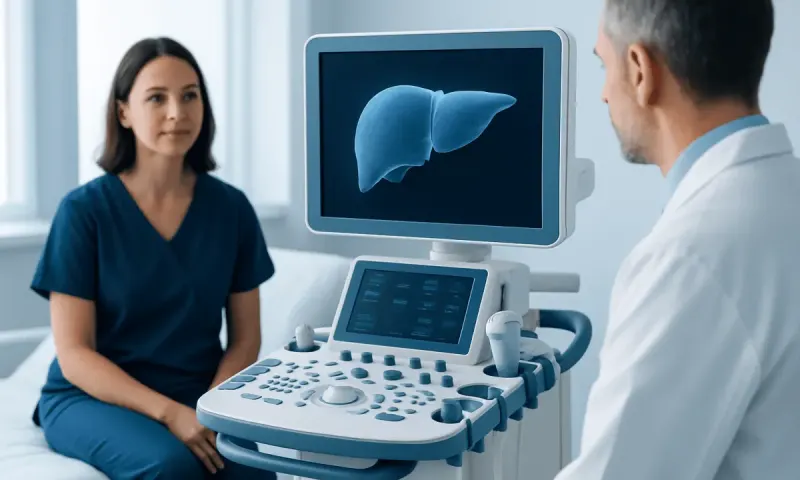
For ongoing liver concerns, assessment may include medical history, examination, blood testing, ultrasound or other imaging, and advice on follow-up. Acıbadem Health Point’s multidisciplinary specialists and JCI-accredited hospitals diagnose and treat liver and metabolic conditions for international patients.
Frequently asked questions
01Can diet soda cause fatty liver disease?
Current evidence does not prove that diet soda causes fatty liver disease. Some studies report an association between frequent diet beverage intake and metabolic conditions linked with fatty liver, but these studies cannot show cause and effect. Overall diet, weight, diabetes, alcohol use, activity level, and genetics are more established influences.
02Is diet soda better than regular soda for the liver?
Diet soda contains little or no sugar, so replacing regular soda with diet soda can lower added-sugar intake. This may be helpful for someone trying to reduce sugary drinks. However, water and unsweetened beverages are generally preferable as routine choices for hydration and long-term dietary quality.
03Do artificial sweeteners damage the liver?
Approved non-nutritive sweeteners are considered safe by food-safety authorities when consumed within accepted intake limits. Human research has not established that they directly damage the liver at typical dietary intakes. Research continues into possible effects on metabolism and gut bacteria, and individual responses can differ.
04How much diet soda is safe to drink with fatty liver disease?
There is no universal amount that is right for every person. Occasional intake is unlikely to be the main factor in fatty liver disease, but water and unsweetened drinks are better foundations for daily hydration. A clinician or dietitian can provide advice based on liver tests, diabetes status, reflux symptoms, caffeine intake, and overall diet.
05Should someone with elevated liver enzymes stop drinking diet soda?
Stopping diet soda may be reasonable if it is consumed frequently or causes symptoms, but it should not replace medical evaluation. Elevated liver enzymes can have many causes, including fatty liver disease, alcohol use, viral infections, medications, and autoimmune conditions. A healthcare professional can determine which tests and lifestyle changes are appropriate.
06What drinks are best for liver health?
Water is the most reliable everyday drink for hydration. Unsweetened tea and coffee may also fit many people’s diets, depending on caffeine tolerance and medical advice. The most important step is usually to limit sugar-sweetened drinks and alcohol while maintaining an overall balanced eating pattern.
This article is for general information only and is not a substitute for professional medical advice. Please consult a qualified doctor about your individual situation.
Medical weight-loss options in Turkey — costs & eligibility
JCI-accredited · board-certified surgeons · reply within 24h
Add us as a Preferred Source to see more of our trusted health content across Google Search, AI Overviews and Discover.