How Much Fat Can Liposuction Safely Remove?
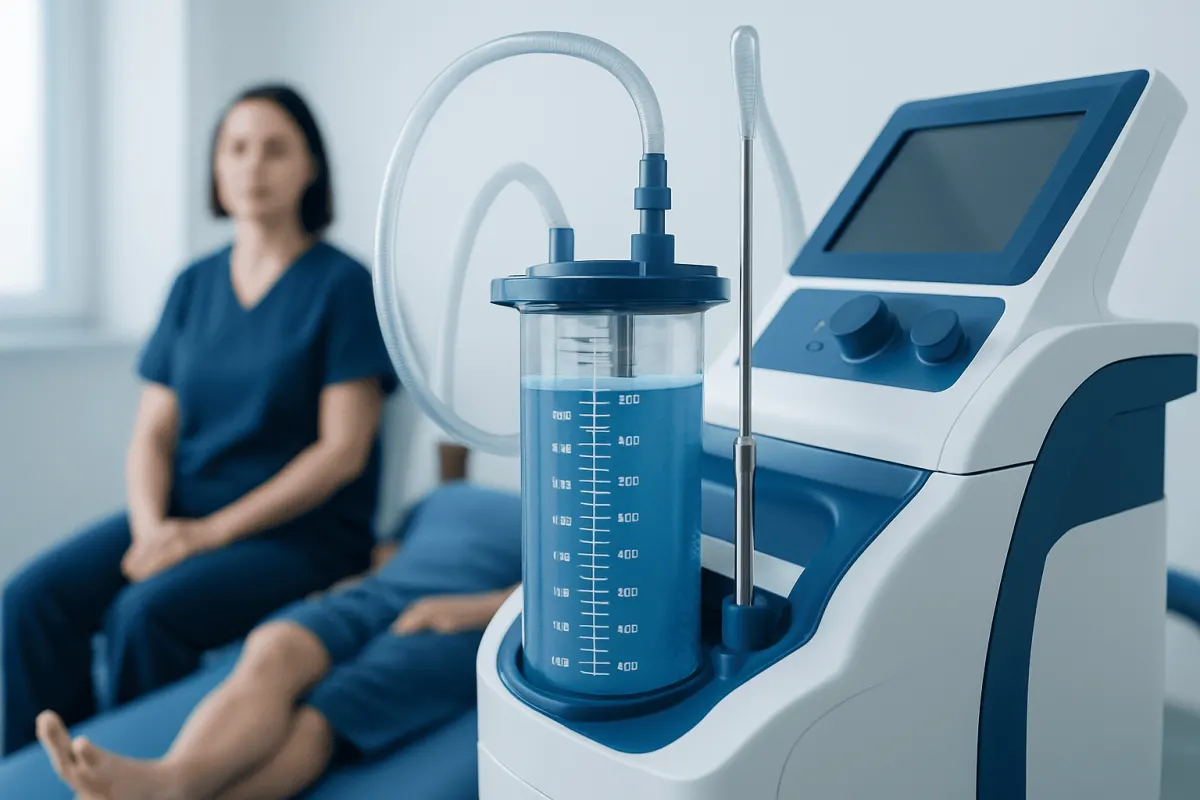
Liposuction can reduce stubborn, localized fat deposits and improve body contours, but it is not designed for substantial weight loss. The amount removed depends on the treatment area, a person’s health, body size, skin quality, and the safety limits set by the surgical team.
Overview: How Much Fat Can Liposuction Take Off?
How much fat can liposuction take off? Liposuction can remove a limited amount of localized fat from areas such as the abdomen, flanks, thighs, hips, upper arms, back, chin, or chest. It is intended to refine body shape rather than produce large-scale weight loss, so the visible improvement may be meaningful even when the scale changes only modestly.
There is no single safe number that applies to everyone. How much fat can be removed with liposuction depends on the person’s body size, medical history, treatment areas, the type of anesthesia, whether other procedures are planned, and the surgical setting. The surgeon prioritizes fluid balance, blood loss, anesthesia safety, and a smooth-looking result over removing the largest possible volume.
In many settings, higher-volume liposuction requires closer observation and may be performed in a hospital rather than an office-based setting. A consultation for liposuction treatment helps determine whether the planned procedure is appropriate and what outcome can be expected safely.
How Liposuction Works and What It Can Change
Liposuction removes subcutaneous fat, which is the fat layer beneath the skin and above the muscles. Through small incisions, a surgeon inserts a thin tube called a cannula to loosen and suction fat cells from selected areas. Techniques may use tumescent fluid, ultrasound, laser, or power-assisted instruments, depending on the treatment plan and the surgeon’s clinical judgment.
The procedure can improve disproportionate areas that have not responded as hoped to nutrition and activity changes. It does not remove visceral fat, the deeper fat surrounding internal organs. Visceral fat is more closely connected with metabolic health risks and generally responds best to overall weight-management measures rather than contour surgery.
Liposuction also does not reliably tighten loose skin, repair separated abdominal muscles, or treat cellulite. If excess skin is a major concern, another operation may be more suitable. A qualified plastic surgeon assesses skin elasticity and underlying tissue to explain whether liposuction alone is likely to create a balanced contour.
How Many lbs of Fat Can Lipo Remove?
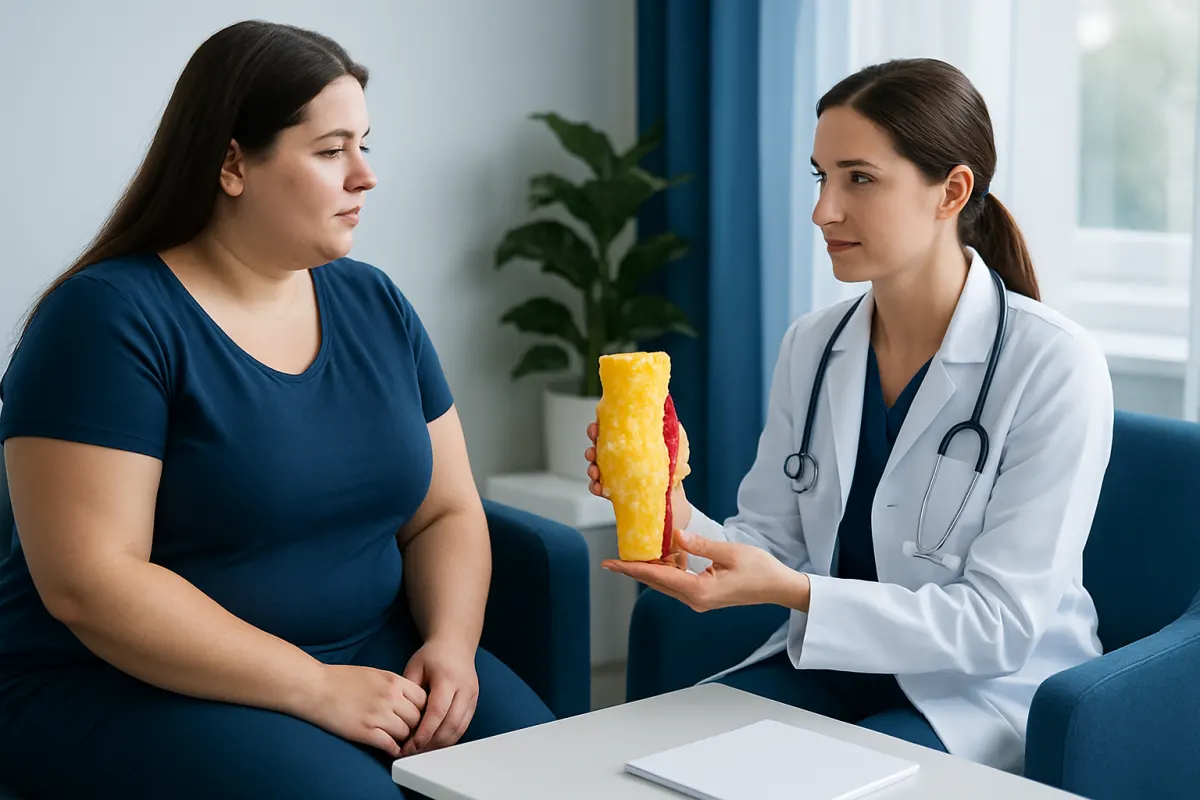
People often ask, “How many lbs of fat can lipo remove?” The answer is not fixed because fat is commonly measured by volume during surgery, while body weight is measured in pounds or kilograms. The amount of surgical aspirate can also include tumescent fluid and a small amount of blood, so it does not translate directly into pounds of pure fat or predict a specific amount of weight loss.
As a general safety principle, surgeons limit removal to an amount appropriate for the individual and the setting. In the United States, professional guidance commonly describes larger-volume liposuction as removal of more than 5 liters of total aspirate; these procedures require additional safeguards. Rules and standards vary by country, facility, and patient circumstances.
How much fat does liposuction take out is therefore best answered after an in-person assessment. The surgeon considers body proportions and avoids over-removing fat, which can create contour irregularities, loose skin, or increased surgical risk. The goal is a natural, proportionate change—not the maximum possible volume.
Why Can’t You Liposuction Remove 100 Pounds?
Liposuction cannot safely remove 100 pounds because it is not a weight-loss operation. Removing such a large amount of tissue and fluid in one procedure would substantially increase the risks of anesthesia complications, significant blood loss, fluid shifts, infection, blood clots, wound-healing problems, and strain on the heart and lungs.
In addition, large weight changes affect the whole body, including metabolism, nutrition, skin, muscles, and organ function. Liposuction treats selected subcutaneous fat pockets, not the underlying factors that may contribute to weight gain. It cannot replace a medically supervised nutrition, activity, behavioral, medication, or bariatric-care plan when major weight loss is needed.
For people living with obesity or obesity-related health concerns, a doctor can discuss evidence-based weight-management options and whether bariatric surgery may be appropriate. Body-contouring surgery may sometimes be considered later, after weight has become stable and the person’s health has been carefully assessed.
Who May Be a Good Candidate and What Happens During the Procedure?
Suitable candidates are generally adults in good overall health who are near a stable weight and have localized fat deposits that do not align with their desired body contour. Good skin elasticity can help the skin retract after fat removal. Non-smokers, or people able to stop nicotine use as instructed before and after surgery, may have a lower risk of healing complications.
During the consultation, the surgeon reviews medical conditions, medications, previous surgery, allergies, weight history, and goals. They examine the treatment areas and explain the likely change, scar placement, alternatives, and risks. People with uncontrolled medical conditions, active infection, certain bleeding problems, or unrealistic expectations may need treatment adjustments or may be advised against surgery.
On the day of surgery, the team marks treatment areas and provides anesthesia or sedation appropriate to the planned procedure. Small incisions are made, fluid may be placed into the fat layer to reduce bleeding and discomfort, and the cannula is used to remove fat evenly. The incisions are closed or sometimes left to drain briefly, and a compression garment is usually applied.
The procedure length varies according to the number of areas and amount treated. Combining multiple operations can increase recovery demands and risks, so the safest plan is individualized rather than based on how much fat can liposuction take away in a single session.
Recovery Timeline, Benefits, and Risks
Most people have swelling, bruising, numbness, soreness, and drainage from incision sites in the first days after liposuction. Early walking is usually encouraged to support circulation, while strenuous exercise and heavy lifting should wait until the surgeon confirms it is safe. Compression garments may help limit swelling and support the healing contours.
Many people return to desk-based work within several days to about two weeks, depending on the extent of treatment and their comfort. Swelling gradually improves over weeks, but the final result can take several months to become clear. A stable weight after recovery helps preserve the new contour because remaining fat cells can still enlarge with weight gain.
Potential benefits include more balanced proportions, improved clothing fit, and a reduction in stubborn fat pockets. Potential risks include uneven contours, fluid collections, changes in skin sensation, persistent swelling, skin discoloration, infection, bleeding, scarring, and anesthesia-related complications. Rare but serious complications, including blood clots or fat embolism, require urgent medical attention.
Careful patient selection, an experienced surgical team, clear aftercare instructions, and follow-up appointments help reduce avoidable risks. Acıbadem Health Point’s multidisciplinary specialists and JCI-accredited hospitals evaluate and treat international patients seeking appropriate body-contouring care.
Why Did I Gain 10 Pounds After Liposuction?
A temporary increase in body weight after liposuction is commonly related to swelling, retained fluid, inflammation, reduced activity during recovery, constipation, or normal day-to-day weight variation. The body may hold extra fluid while tissues heal, and the scale may not reflect the amount of fat removed in the early recovery period.
Weight can also increase if calorie intake rises or activity falls for a prolonged time after surgery. Liposuction permanently reduces the number of fat cells in treated areas, but it does not prevent the remaining fat cells from enlarging. Weight gain may appear in treated or untreated areas, depending on individual fat distribution.
Patients should follow their surgeon’s recovery plan and avoid judging results too early. A sudden or marked weight increase with increasing pain, shortness of breath, chest pain, severe swelling, fever, or one-sided leg swelling needs prompt medical assessment.
What Is the Hardest Fat to Get Rid Of?
The “hardest” fat is usually a matter of location, genetics, hormones, age, body composition, and lifestyle rather than a distinct type of fat that can always be targeted. Many people find that lower abdominal fat, flanks, outer thighs, inner thighs, upper arms, or the area under the chin remain noticeable despite otherwise healthy habits. These areas can be relatively resistant to overall weight loss because the body determines where it stores and releases fat.
Visceral fat, located deep in the abdomen around internal organs, cannot be removed with liposuction. It is best addressed through health-focused weight management, regular physical activity, adequate sleep, balanced eating patterns, and treatment of related medical conditions when needed. A clinician can help evaluate whether abdominal size may be linked to metabolic risks.
For localized subcutaneous fat, liposuction may be an option when weight is stable and health goals are otherwise being addressed. It is important to view the procedure as one component of body-contouring care, not as a way to target every type of fat or guarantee a particular body size.
When to Seek Medical Care
Anyone considering liposuction should arrange a consultation with a board-qualified plastic surgeon or appropriately trained specialist. Medical advice is particularly important for people with heart or lung disease, diabetes, a history of blood clots, bleeding disorders, immune conditions, significant weight changes, or current use of medicines and supplements that can affect surgery.
After liposuction, contact the surgical team promptly for worsening pain, spreading redness, pus-like drainage, fever, persistent vomiting, rapidly increasing swelling, or concerns about the incision sites. Seek emergency medical care for chest pain, shortness of breath, fainting, confusion, coughing blood, or sudden swelling and pain in one leg, as these symptoms can indicate a serious complication.
A follow-up visit is also appropriate if the person is worried about unevenness, prolonged numbness, delayed healing, or a result that differs from expectations. Most postoperative changes improve gradually, and the surgeon can distinguish normal healing from a problem that needs treatment.
Frequently asked questions
01How much fat can liposuction remove at one time?
The amount removed at one time is individualized and depends on health, body size, areas treated, anesthesia, and the surgical facility. Larger-volume procedures have higher risks and may need hospital-based monitoring. A surgeon should recommend a limit based on safety rather than a target number on the scale.
02How much fat does lipo take out?
Liposuction removes fat from selected areas beneath the skin, but the total aspirate may also contain surgical fluid and a small amount of blood. For that reason, the recorded volume is not the same as the weight of pure fat removed. Results are usually better judged by contour change than pounds lost.
03Will liposuction make me lose weight?
Some people lose a small amount of weight, but substantial scale-weight loss is not the intended result. Liposuction is designed to improve localized contours. Nutrition, regular activity, and medical weight-management support remain important for long-term weight goals.
04Can fat return after liposuction?
The removed fat cells do not grow back in the treated area, but remaining fat cells can enlarge if body weight increases. Weight gain can also become more noticeable in untreated areas. Maintaining a stable weight helps preserve the result.
05When will I see final liposuction results?
An early change may be visible after swelling starts to settle, but the treated area continues to change as healing progresses. Final contours often take several months to become apparent. The timeline varies with the area treated, the amount removed, skin quality, and individual healing.
06Is liposuction safe?
Liposuction can be performed safely in appropriately selected patients by qualified surgeons in suitable facilities. However, like all surgery, it has risks, including infection, bleeding, contour changes, fluid imbalance, blood clots, and anesthesia complications. A detailed preoperative assessment and following aftercare instructions are important for safety.
This article is for general information only and is not a substitute for professional medical advice. Please consult a qualified doctor about your individual situation.
Medical weight-loss options in Turkey — costs & eligibility
JCI-accredited · board-certified surgeons · reply within 24h
Add us as a Preferred Source to see more of our trusted health content across Google Search, AI Overviews and Discover.