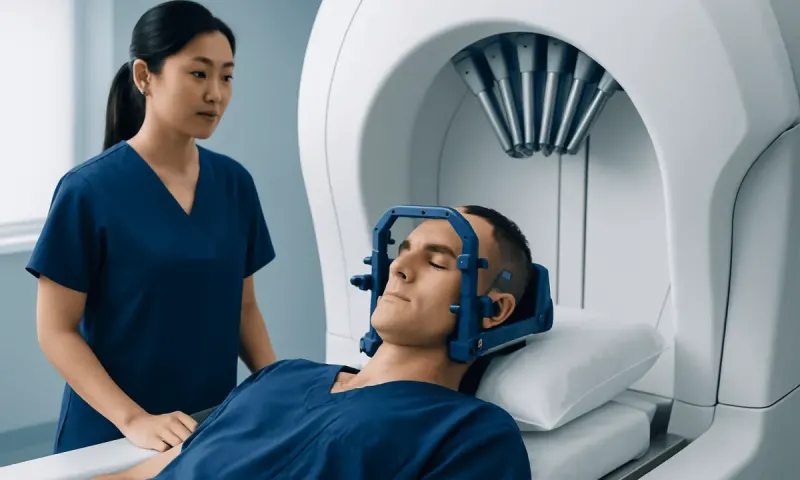
Lipo Healing Timeline: When Swelling Starts to Settle
A lipo healing timeline varies by the treatment area, amount of fat removed, technique used, and individual health. Most people resume light daily activities within days to weeks, while swelling settles gradually and the final contour may take several months to become apparent.
Overview: What to Expect From a Lipo Healing Timeline
A lipo healing timeline usually starts with swelling, bruising, tenderness, and temporary drainage from the small incision sites. These effects are most noticeable during the first one to two weeks, then improve steadily; however, the treated area may continue to feel firm, numb, or uneven while it heals.
Most people can manage short walks and basic daily activities soon after surgery, while returning to work, exercise, and other routines happens in stages. The final body contour does not appear immediately because the body needs time to resolve swelling and adapt to the changes made during liposuction.
Liposuction is a body-contouring procedure rather than a weight-loss treatment. It removes localized fat deposits that may not respond as expected to nutrition and physical activity, but long-term results depend on maintaining stable weight and healthy habits.
How Liposuction Works and Who May Be a Candidate
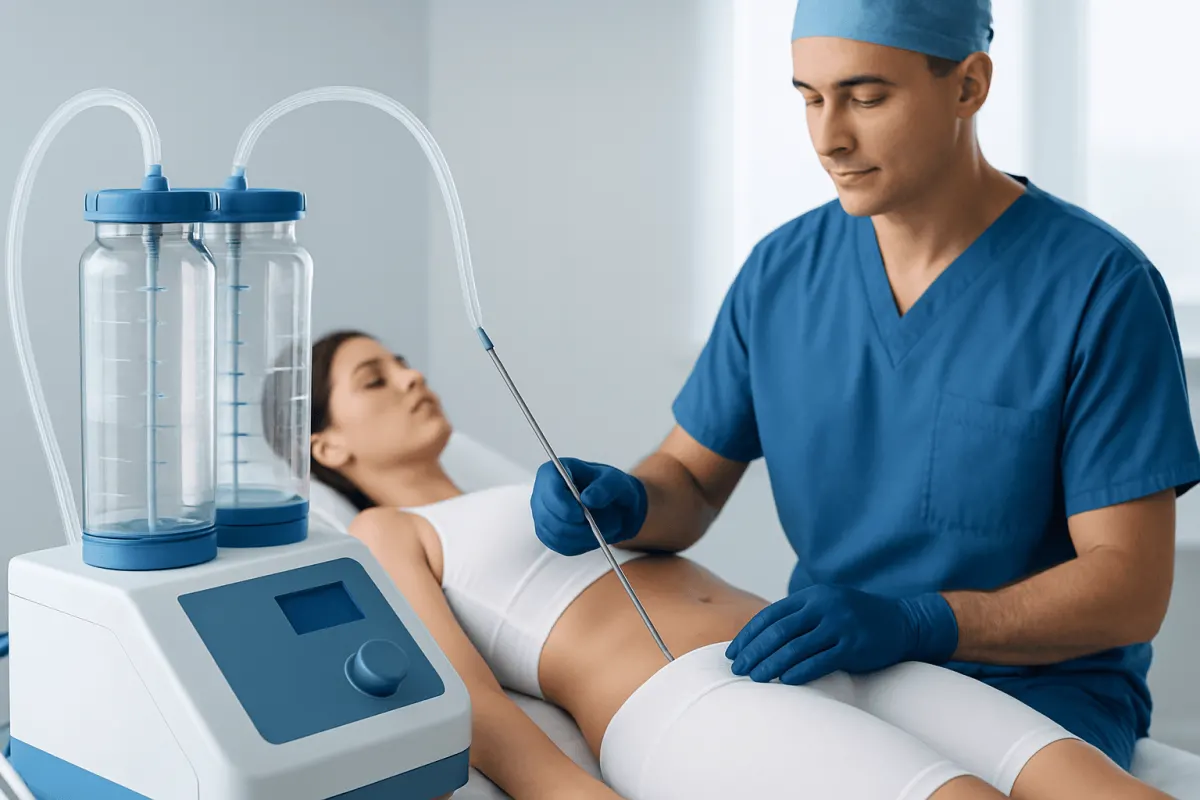
During liposuction, a plastic surgeon uses a thin tube called a cannula to loosen and remove fat from selected areas. The technique may involve suction-assisted liposuction, ultrasound-assisted liposuction, laser-assisted approaches, or other methods. The most appropriate approach depends on the body area, tissue characteristics, health history, and surgeon’s assessment.
Common treatment areas include the abdomen, flanks, thighs, hips, upper arms, back, chin, neck, and knees. Liposuction does not tighten significantly loose skin, remove cellulite, or replace treatment for obesity. In some situations, a surgeon may discuss another procedure if skin laxity is a major concern.
Suitable candidates are generally adults in good overall health who are close to a stable weight, have realistic expectations, and have localized fat deposits with reasonably elastic skin. People who smoke, have uncontrolled medical conditions, take medications that affect bleeding, or have a history of blood-clotting problems may need additional evaluation or may be advised to delay surgery.
Patients considering liposuction treatment should have a detailed consultation. This includes discussing goals, reviewing medical conditions and medicines, assessing the treatment areas, and making an individualized recovery plan.
What Happens During the Procedure
Liposuction is performed in an accredited surgical setting under local anesthesia with sedation or general anesthesia, depending on the planned procedure and extent of treatment. Before surgery, the surgeon marks the areas to be treated and confirms the agreed plan.
Small incisions are made in discreet locations. A fluid solution may be introduced into the fatty tissue to help reduce bleeding and support fat removal. The surgeon then inserts the cannula through the incisions, carefully loosens the fat, and removes it with controlled suction while shaping the area.
Once the procedure is complete, the incisions may be closed or left partially open for short-term fluid drainage. Dressings and a compression garment are applied. Many patients go home the same day, but they need a responsible adult to accompany them and should not drive after anesthesia or sedation.
The operation’s duration and the immediate recovery plan vary with the number of treatment areas and the amount of surgery performed. The surgical team provides personalized instructions about medicines, wound care, compression, bathing, movement, and follow-up appointments.
Lipo Healing Timeline: Days, Weeks, and Months
First 24 to 72 hours: Sleepiness from anesthesia, soreness, tightness, and fluid drainage can occur. Pain is commonly manageable with the medicines recommended by the surgical team. Gentle, brief walks are usually encouraged to support circulation, but strenuous activity should be avoided. Compression garments are often worn continuously except when instructed otherwise.
Days 4 to 14: Bruising and swelling may be at their peak before gradually starting to improve. The treated areas can feel tender, firm, lumpy, numb, or unusually sensitive. Some people return to desk-based work during this period, while others need more time, particularly after treatment of multiple areas or physically demanding work.
Weeks 3 to 6: Everyday movement usually becomes easier, and bruising typically fades. Swelling continues to decrease but can fluctuate during the day, after prolonged standing, or with increased activity. The surgeon may permit a gradual return to exercise, beginning with low-impact activity and progressing only when healing is satisfactory.
Months 2 to 6 and beyond: The body continues to remodel the treated tissue. Residual swelling, firmness, and altered sensation generally improve over time, although the pace differs between individuals and body areas. More stable contour changes are commonly seen over several months. Follow-up visits allow the surgeon to assess healing and address questions about the evolving result.
Aftercare That Supports Recovery
Following the surgeon’s aftercare plan is one of the most important parts of liposuction recovery. Compression garments may help limit swelling, support the healing tissues, and improve comfort. They should be worn exactly as advised, as the recommended fit and duration vary between procedures.
Walking gently and regularly, as tolerated, is usually helpful after surgery. It supports circulation and reduces the risks associated with prolonged inactivity. At the same time, heavy lifting, high-impact exercise, swimming, hot baths, and activities that strain the treated area should wait until the surgical team confirms they are safe.
Incisions should be kept clean and dry according to the instructions provided. Patients should attend scheduled follow-up visits, avoid smoking and nicotine products because they can impair healing, and ask their clinician before restarting supplements or medicines that can affect bleeding or recovery.
A balanced diet, adequate fluids, and stable weight can support recovery and help preserve contour improvements. It is normal to have questions during healing, especially when swelling changes from week to week. The surgical team should be contacted for guidance rather than changing garment use, medicines, or activity levels independently.
- Arrange help at home for the first day or two if possible.
- Wear loose clothing over dressings and compression garments.
- Keep all follow-up appointments, even if recovery seems uncomplicated.
- Use sun protection on healed incision areas to reduce the chance of long-lasting color changes.
Benefits, Limitations, and Possible Risks
The main potential benefit of liposuction is improved contour in selected body areas. When performed for appropriate reasons and combined with stable lifestyle habits, it can help clothing fit differently and improve satisfaction with a body area that has been difficult to change through lifestyle measures alone.
Results are not guaranteed to be perfectly symmetrical, and liposuction cannot prevent future weight gain. Remaining fat cells can enlarge if weight increases. Skin quality, age-related changes, genetics, and normal healing also influence the final appearance.
All surgery carries risks. Possible liposuction complications include bleeding, infection, fluid accumulation, delayed healing, changes in skin sensation, contour irregularities, skin discoloration, scarring, and reactions to anesthesia. Less common but serious risks include blood clots, fat embolism, injury to deeper structures, and fluid imbalance, particularly with more extensive procedures.
Choosing a qualified plastic surgeon, sharing a complete medical history, following preparation instructions, and attending follow-up care can reduce avoidable risks. A surgeon should explain the expected benefits, limitations, alternatives, and procedure-specific risks before a person decides whether surgery is appropriate.
When to Seek Medical Care
It is appropriate to contact the surgical team promptly for concerns such as worsening rather than improving pain, increasing redness or warmth around an incision, foul-smelling drainage, persistent vomiting, or swelling that seems unusual. The team can determine whether symptoms are part of expected healing or need an examination.
Urgent medical assessment is needed for chest pain, shortness of breath, fainting, coughing blood, sudden confusion, or one-sided leg pain and swelling. These symptoms are uncommon but can signal serious complications that require immediate care.
Patients should also seek advice if a compression garment causes severe pain, numbness, skin color changes, or pressure sores. Recovery should be guided by an individual clinician, especially for people with diabetes, circulation problems, a history of blood clots, or other long-term health conditions.
Acıbadem Health Point’s multidisciplinary specialists and JCI-accredited hospitals can assess and treat patients considering liposuction or needing follow-up support as international patients. A personalized consultation remains the safest way to understand the expected recovery timeline for a particular procedure.
Frequently asked questions
01How long does it take to recover from liposuction?
Initial recovery commonly takes days to a few weeks, depending on the areas treated, the amount of fat removed, and the person’s general health. Swelling and changes in sensation can last longer, and the final contour may take several months to develop. The operating surgeon can provide the most accurate timeline for the individual procedure.
02When can a person return to work after liposuction?
Some people with desk-based work return within several days to two weeks, but others need more time. More extensive treatment, physically demanding work, discomfort, and persistent swelling can delay return. A surgeon should advise when the person can safely resume work duties.
03How long does swelling last after liposuction?
Swelling is expected after liposuction and is often most noticeable in the early weeks. It then gradually improves over several months, sometimes with day-to-day variation. Wearing compression as prescribed and following activity advice may help, but swelling should be discussed with the surgical team if it is worsening or concerning.
04Is numbness normal after liposuction?
Temporary numbness, tingling, or altered sensitivity can occur because small nerves in the treated tissue are affected during surgery. Sensation often improves gradually over weeks to months, although recovery is variable. New severe pain, progressive numbness, or skin color changes should be reported to the surgeon.
05When can exercise restart after liposuction?
Gentle walking is often started soon after surgery, but strenuous exercise should wait until the surgeon confirms that healing is progressing well. The timing depends on the treated areas, incision healing, swelling, and type of activity. Returning too quickly can increase discomfort and may interfere with recovery.
06Are liposuction results permanent?
The fat cells removed during liposuction do not grow back, but remaining fat cells can enlarge with weight gain. Aging, changes in weight, pregnancy, and skin elasticity can also affect body shape over time. Stable nutrition, regular activity, and follow-up care can help maintain the result.
This article is for general information only and is not a substitute for professional medical advice. Please consult a qualified doctor about your individual situation.
Medical weight-loss options in Turkey — costs & eligibility
JCI-accredited · board-certified surgeons · reply within 24h
Add us as a Preferred Source to see more of our trusted health content across Google Search, AI Overviews and Discover.