Limb Lengthening Surgery in Turkey: Cost, Process and Recovery
Key Takeaways
- Costs are best understood as planning bands, not fixed quotes: the technique (internal lengthening nail versus external fixator), the number of segments treated and the length of rehabilitation all change the total.
- A written, itemised estimate is more useful than a headline figure — it should state what is included and, just as importantly, what is not.
- Accreditation such as JCI, the surgeon's orthopaedic credentials and the hospital's rehabilitation resources are more meaningful selection criteria than advertising.
- Limb lengthening is a staged process over months, not a single operation, so travel dates, follow-up scans and physiotherapy need to be mapped out in advance.
- Aftercare continues once the patient flies home, so arrangements for local physiotherapy, GP awareness and remote follow-up should be agreed before departure.
- No surgeon or hospital can guarantee a specific final height, timeline or outcome; realistic expectations should be set during consultation.
The limb lengthening surgery cost in Turkey is usually planned as a package rather than a single fee, and it varies widely depending on the technique, the implant used and how much rehabilitation is included. This guide explains how the journey is coordinated, what to ask before booking, and how recovery and travel timing are typically arranged for patients travelling from the UK.
Why UK Patients Consider Limb Lengthening in Turkey
Enquiries about the limb lengthening surgery cost in Turkey usually come from two very different groups of patients: those with a medical indication, such as a significant leg length discrepancy after injury, infection or a congenital condition, and those seeking stature lengthening for personal reasons. Turkey has become a common destination for both because it combines large, internationally accredited private hospitals, orthopaedic teams experienced in reconstructive limb surgery, and integrated coordination services that handle travel, accommodation and interpreting alongside the medical plan.
It is important to be clear about what this article does and does not cover. Deciding whether limb lengthening is appropriate for a particular person is a clinical judgement that belongs with a qualified orthopaedic surgeon who has reviewed imaging, growth plates where relevant, bone quality and general health. What can be explained here is the patient journey: how an enquiry becomes a treatment plan, what a package typically contains, how costs are structured, and how recovery and travel are sequenced.
Limb lengthening is one of the more demanding procedures in elective orthopaedics. It involves a controlled surgical division of the bone, followed by a gradual distraction phase during which new bone forms in the gap, and then a consolidation phase while that bone hardens. The whole process is measured in months, and the quality of the rehabilitation is at least as important as the operation itself. Any plan that does not give physiotherapy a central role deserves careful questioning.
Limb Lengthening Surgery Cost in Turkey: How Planning Bands Work
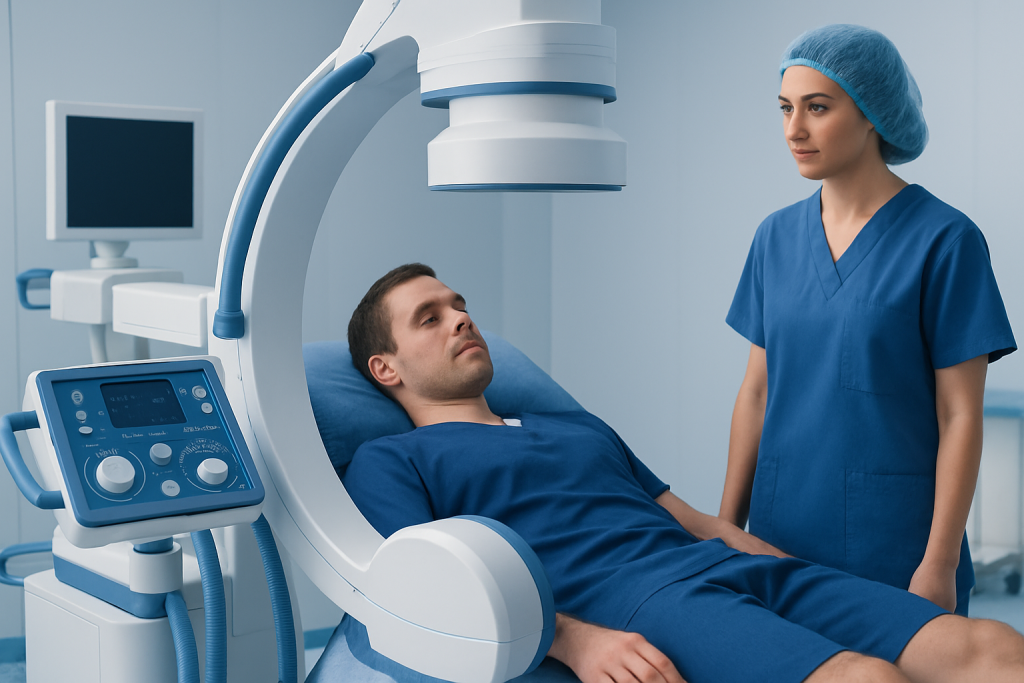
Reputable hospitals do not publish a single price for this procedure, and patients should be cautious of any figure quoted before imaging and a consultation. In practice, the limb lengthening surgery cost in Turkey is presented as an individualised estimate that sits within a broad band. Internal magnetic lengthening nails, which are implanted inside the bone and adjusted with an external controller, generally sit at the upper end of the range because the implants themselves are expensive and are usually removed in a second procedure. Techniques using external fixators, or classic combined methods, are often estimated at a lower level, though they carry a different care burden during the lengthening phase.
Several variables move an estimate up or down within that band. The number of segments treated matters — lengthening both femurs is a different undertaking from a single tibia. So does the amount of correction planned, the patient’s age and general health, whether previous surgery has left scarring or hardware in place, and how many weeks of inpatient and outpatient rehabilitation are anticipated. Implant removal, which may take place many months later, is sometimes included and sometimes quoted separately.
Rather than chasing the lowest headline figure, patients are usually better served by asking for a written, itemised estimate and comparing like with like. Useful questions include:
- Which technique and implant does this estimate assume, and why was it chosen?
- How many nights of hospital stay and how many physiotherapy sessions are covered?
- Are follow-up imaging, outpatient reviews and consumables included?
- Is implant removal part of this estimate or a separate future cost?
- What happens financially if the plan changes after admission, or if complications require additional care?
- Which currency is the estimate in, and how long is it valid?
Patients should also budget for items outside the medical estimate: flights for the patient and a companion, extended accommodation during the distraction phase, mobility aids, and travel insurance that explicitly covers planned surgery abroad and any complications.
What Treatment Packages Typically Include

A well-constructed limb lengthening package is really a care programme with a defined start and a defined set of milestones. Typically it begins with a remote review of imaging and medical history, followed by a video consultation with the orthopaedic surgeon. On arrival, patients undergo pre-operative assessment — blood tests, updated X-rays or scans, an anaesthetic review and, where indicated, cardiology or other specialist clearance — before the operation is confirmed.
The surgical element usually covers theatre time, the surgeon and anaesthetic team, the implant, the inpatient stay and in-hospital medication. Post-operative care ordinarily includes pain management, thromboprophylaxis planning, wound care, early mobilisation with physiotherapy, and instruction on how the lengthening device is adjusted each day. Many programmes then continue with structured outpatient physiotherapy for several weeks, plus scheduled X-rays to confirm that new bone is forming at an appropriate rate.
Non-clinical support is a genuine part of the value of a package for international patients. That commonly includes airport transfers, hotel or apartment recommendations suited to reduced mobility, interpreters, help with the documentation needed for a visa application where relevant, and a named coordinator who acts as the single point of contact. Patients should confirm in writing which of these elements are included and which are optional extras, as this varies considerably between providers.
Choosing a Hospital and Surgeon: Accreditation and Credentials
Because limb lengthening is elective in many cases, the burden of due diligence sits largely with the patient. Accreditation is a practical starting point. Joint Commission International (JCI) accreditation indicates that a hospital has been assessed against international standards for patient safety, infection control, medication management and clinical governance. It does not rate individual surgeons, but it does say something meaningful about the system in which they work — including how emergencies, transfusions and intensive care are handled if they are ever needed.
Surgeon credentials deserve equal attention. Patients can reasonably ask about specialist orthopaedic training, particular experience in limb reconstruction and deformity correction, membership of national or international orthopaedic societies, and how frequently the surgeon performs the specific technique being proposed. It is also fair to ask how complications such as delayed bone healing, joint stiffness, nerve irritation or infection are recognised and managed, and who provides cover if the primary surgeon is unavailable.
Equally important is the rehabilitation infrastructure. Limb lengthening outcomes depend heavily on daily, supervised physiotherapy to preserve joint movement and muscle length while the bone is being distracted. A hospital with a dedicated physiotherapy department, hydrotherapy facilities where available and clear protocols is offering something substantive. Patients should be wary of any presentation that emphasises price or promised height gain over rehabilitation, and should treat guarantees of a specific result as a warning sign rather than reassurance.
The Patient Journey, Step by Step
Most journeys begin with an online enquiry accompanied by recent imaging and a short medical summary. A coordinator passes this to the orthopaedic team, which decides whether the case is suitable for further assessment or whether an alternative approach — including no surgery at all — should be discussed. A video consultation follows, giving the patient a chance to hear the proposed technique explained, ask about risks, and understand what the recovery will actually demand of them. Second-opinion services are useful here, particularly for patients who already have a plan from another provider and want an independent review.
Once a plan is agreed, dates are set and an itemised estimate is issued. The coordination team can usually supply the invitation and appointment letters that support a visa application, advise on realistic flight timing, and arrange transfers and accommodation near the hospital. Patients travelling from the UK should allow time for pre-travel medical optimisation: stopping smoking where possible, addressing anaemia or vitamin D deficiency, and reviewing any regular medication with their GP.
On arrival, pre-operative testing and a face-to-face consultation confirm the plan before consent is taken. Surgery is followed by a hospital stay of several days in most cases, then a transition to outpatient care. The distraction phase begins shortly after the operation and continues gradually under supervision, with regular reviews and imaging. Throughout, an interpreter and coordinator typically remain available to translate medical information and manage practical issues.
Recovery, Rehabilitation and Travel Timing
Limb lengthening cannot be compressed into a short trip. The lengthening itself proceeds slowly and predictably, and the bone then needs a consolidation period — often considerably longer than the distraction phase — before full weight-bearing is permitted. Surgeons generally advise patients to remain close to the treating centre for the early weeks so that adjustments, wound checks, imaging and intensive physiotherapy can be supervised directly. The exact length of stay depends on the technique, the amount of correction and how the individual progresses, and it should be discussed honestly rather than promised.
Daily life during this period is demanding. Patients typically use crutches or a walker, need help with everyday tasks, and commit to several hours a week of stretching and strengthening work. Discomfort, disturbed sleep, temporary joint stiffness and muscle tightness are common and are managed actively as part of the programme. Accommodation should therefore be step-free or lift-served, and most people benefit from having a family member or friend with them, both practically and psychologically.
Flying introduces its own considerations. Air travel after major lower limb surgery raises the risk of venous thromboembolism, so the surgical team will advise on the earliest safe date to fly, on compression stockings, hydration and mobility during the flight, and on whether any blood-thinning medication should continue. Airlines may require medical clearance, and extra legroom or assistance should be arranged in advance. Travel insurance should be checked carefully, as many standard policies exclude complications of planned surgery abroad.
Aftercare Once You Return to the UK
Continuity of care is the part of medical travel most often underestimated. Before leaving Turkey, patients should obtain a complete discharge summary in English that records the technique used, the implant make and model, operative details, medication given, imaging performed and the planned follow-up schedule. This document is essential for any UK clinician who may need to assess the limb later, and it should be shared with the patient’s GP promptly.
Physiotherapy needs to continue without a gap. Many patients arrange private physiotherapy in the UK in advance, briefing the therapist on the surgical plan and the goals for each phase. Remote follow-up with the operating team — video reviews supported by locally performed X-rays sent electronically — is a common arrangement and allows the surgeon to confirm that bone formation and joint range are progressing as expected. Return visits to Turkey may be scheduled for key milestones, and eventually for implant removal if that is planned.
Patients should also know exactly which symptoms warrant urgent local assessment: increasing pain, fever, redness or discharge around wounds or pin sites, sudden calf swelling or breathlessness, new numbness or weakness, or a fall involving the operated limb. In an emergency in the UK, NHS urgent care should be sought first, with the discharge summary to hand, and the treating team informed afterwards.
When to Speak to a Patient Coordinator
It is worth contacting a coordinator early rather than late — ideally at the point where a patient is weighing options rather than after dates have been booked elsewhere. A coordinator can explain what information the medical team needs to give a meaningful opinion, arrange a video consultation with an orthopaedic surgeon, obtain an itemised written estimate, and set out realistic timelines for travel, stay and follow-up. They can also help patients understand what is not being offered, which is often the most valuable part of the conversation.
Good questions to raise include: what alternatives exist to surgery in this case; what the specific risks are for this patient’s anatomy and health profile; how long they should plan to stay; what the rehabilitation commitment looks like week by week; and how aftercare will be handled once they are home. Patients who feel rushed, who are quoted a firm price without imaging, or who are given assurances about a guaranteed outcome should pause and seek an independent opinion.
Acıbadem Health Point coordinates care for international patients across Acıbadem’s JCI-accredited hospitals in Turkey, where multidisciplinary orthopaedic, anaesthetic and rehabilitation specialists assess and treat complex limb conditions and can advise whether limb lengthening is an appropriate option. Any decision should ultimately be made with a qualified surgeon after a full assessment, and in consultation with the patient’s own doctor in the UK.
Frequently asked questions
01How is the cost of limb lengthening surgery in Turkey usually structured?
It is normally quoted as a package estimate rather than a single operating fee, covering surgery, implants, hospital stay and a defined amount of rehabilitation. The figure varies according to the technique, the number of bone segments treated and the length of physiotherapy required. Patients should request an itemised written estimate after imaging review, and clarify whether implant removal and follow-up imaging are included.
02How long do patients from the UK usually need to stay in Turkey?
Limb lengthening is a staged process, so the stay is typically measured in weeks rather than days, with the early lengthening phase supervised close to the treating hospital. The precise duration depends on the technique used, the amount of correction planned and individual healing, and it is agreed with the surgeon rather than fixed in advance. Some patients return later for milestone reviews or implant removal.
03When is it safe to fly home after the operation?
Only the operating team can advise on this, as it depends on wound healing, mobility and thrombosis risk after major lower limb surgery. Surgeons usually give guidance on compression stockings, hydration, moving during the flight and any blood-thinning medication. Airlines may require medical clearance, and assistance and extra legroom should be arranged before departure.
04What should patients check before choosing a hospital or surgeon?
Useful indicators include international accreditation such as JCI, the surgeon's specialist orthopaedic training and experience with the specific lengthening technique, and the hospital's physiotherapy and intensive care resources. Patients should also ask how complications are managed and who provides cover if the primary surgeon is unavailable. Any promise of a guaranteed result or a fixed final height should be treated with caution.
05What aftercare is needed once the patient is back in the UK?
Continued supervised physiotherapy is essential, along with scheduled imaging to confirm that new bone is consolidating as expected. Patients should carry a full English-language discharge summary, share it with their GP, and keep in remote contact with the operating team for follow-up reviews. Urgent local assessment is needed for fever, spreading redness or discharge, sudden calf swelling, breathlessness, new numbness or a fall.
06Is limb lengthening suitable for everyone who requests it?
No. Suitability depends on bone quality, joint condition, general health, previous surgery and the person's ability to commit to a long rehabilitation programme. A responsible surgical team will decline cases where the risks outweigh the likely benefit and will discuss alternatives, which may include no surgery. This assessment requires imaging and a full consultation, not an online quote.
07At what stage should someone contact a patient coordinator?
Early — ideally while still comparing options. A coordinator can explain what medical records and imaging the team needs, arrange a video consultation or second opinion, and provide an itemised planning estimate along with realistic travel and stay timelines. This also allows time for pre-travel health optimisation and for discussing the plan with a doctor at home.
This article is for general information only and is not a substitute for professional medical advice. Please consult a qualified doctor about your individual situation.
Explore treatments in Turkey — costs, top hospitals & a free quote
JCI-accredited · board-certified surgeons · reply within 24h
Add us as a Preferred Source to see more of our trusted health content across Google Search, AI Overviews and Discover.