Plastic Surgery in Turkey: Cost, Clinics and What to Expect

Key Takeaways
- Most international patients arrange turkey plastic surgery as a coordinated package that bundles consultation, surgery, hospital stay, accommodation, transfers and interpreter support.
- Costs are best understood as broad bands influenced by the procedure, its complexity, anesthesia time and length of stay — not as fixed quotes.
- Accreditation (such as JCI), hospital infrastructure and verifiable surgeon credentials are more meaningful selection criteria than advertising.
- Travel timing matters: surgeons generally ask patients to remain in the country for a defined observation period before long-haul flights.
- Aftercare continues at home, so patients should arrange follow-up locally and keep full copies of operative and discharge records.
- A patient coordinator can clarify eligibility, documentation, visa guidance and planning steps before any commitment is made.
Traveling abroad for aesthetic surgery is a coordinated process rather than a simple booking, and understanding each step helps patients plan realistically. This guide explains what packages usually include, how costs are grouped into bands, how to evaluate hospitals and surgeons, and how recovery and aftercare are managed once a patient flies home.
What Medical Travel for Turkey Plastic Surgery Usually Involves
For patients in the United States considering turkey plastic surgery, the journey typically begins long before the flight. Rather than walking into a clinic and scheduling an operation, most international patients start with a remote review: photographs, a medical history questionnaire, a list of current medications, and often a video consultation with a specialist. This early stage exists to establish whether a person is a suitable candidate at all, and to set expectations about what a given procedure can and cannot achieve.
Choosing plastic surgery in Turkey is, in practice, a project with several moving parts — clinical assessment, pre-operative testing, travel dates, accommodation, transportation, language support and a follow-up plan for after the return home. International patient offices at larger hospital groups exist specifically to hold these pieces together so the patient is not coordinating each element separately from another continent.
It is worth noting that no reputable team can confirm a surgical plan purely from photographs. A remote review is a screening step; the definitive assessment happens in person, when the surgeon examines tissue quality, skin elasticity, symmetry and overall health. Patients should expect the plan to be reviewed, and sometimes adjusted, at that face-to-face appointment.
What Treatment Packages Typically Include
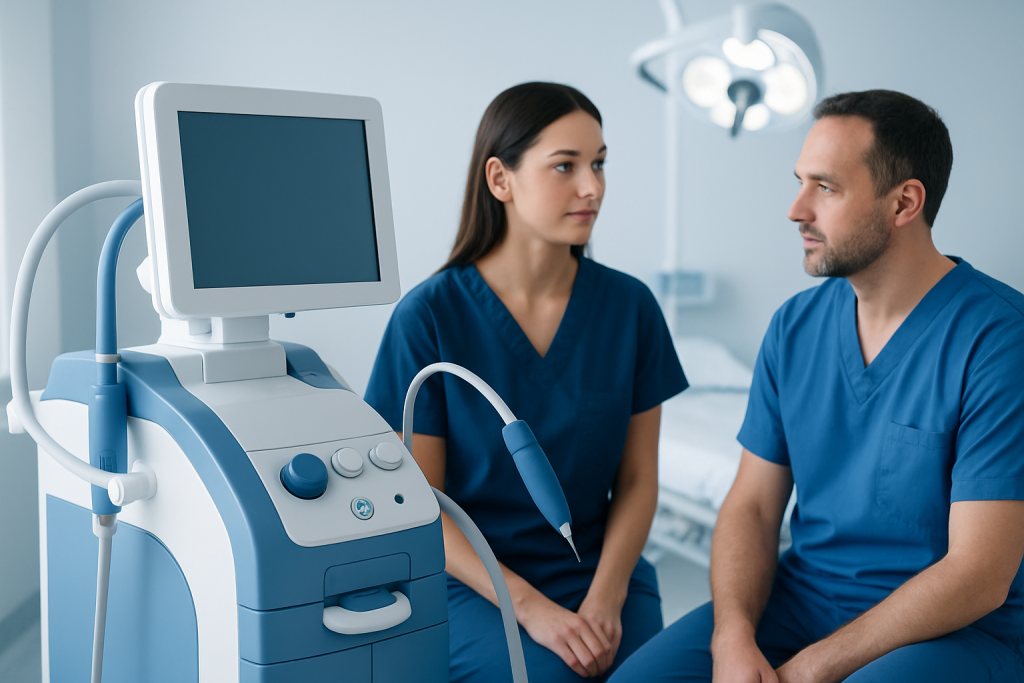
Packages vary between hospitals and between procedures, so the most useful question a patient can ask is simply: what is inside this package, and what is not? A written breakdown avoids misunderstandings later. Many international patient packages are built around a core set of services, with optional additions depending on the case.
- Pre-operative consultation and standard laboratory tests or imaging required for surgical clearance
- Anesthesia and operating room fees
- The surgeon’s fee and the inpatient hospital stay, where an overnight admission is indicated
- Post-operative dressings, compression garments or supports specific to the procedure
- Airport and hospital transfers, and assistance arranging nearby accommodation
- Interpreter or English-speaking case manager support during appointments
- Scheduled post-operative checks before departure and a remote follow-up pathway afterward
Items that are frequently excluded include flights, extended hotel nights beyond the planned window, treatment of unrelated medical conditions discovered during work-up, and any secondary or revision procedure that may be discussed later. Medication taken home, additional nursing care and travel insurance are also commonly separate. Clarifying these in advance makes budgeting far more realistic.
Patients should also ask what happens if the surgeon decides, after the in-person examination, that the requested procedure is not appropriate — for example if blood pressure, body mass index, smoking status or an unmanaged medical condition makes elective surgery inadvisable at that time. Responsible teams postpone rather than proceed, and it is reasonable to ask how such a situation is handled administratively.
Understanding Cost Bands Rather Than Fixed Prices

Cost is one of the main reasons patients look abroad, but it is more accurate to think in bands than in single figures. No ethical program can give a binding price before a surgeon has assessed the patient, because the operative plan, anesthesia time and length of stay all influence the final figure. Any offer that appears fixed and unconditional before assessment should prompt questions.
Broadly, the lower band tends to cover shorter, single-area procedures performed under local or light sedation with same-day discharge. A middle band usually applies to established single operations requiring general anesthesia and a hospital night, such as many facial or single-region body procedures. The upper band generally reflects longer operations, combined procedures performed in one session, body contouring after significant weight loss, or revision surgery, all of which demand more operating room time, more anesthesia and a longer recovery period under supervision.
Several factors move a case within these bands: the complexity and duration of surgery, whether more than one procedure is combined, the need for specialized implants or devices, the intensity of post-operative monitoring, and any additional nights in hospital. Currency exchange rates and seasonal travel costs also affect the total trip budget, which is separate from the medical estimate. A written, itemized estimate — clearly marked as indicative and subject to in-person assessment — is the most useful planning document a patient can obtain.
Choosing a Hospital and Surgeon: What to Verify
Selection criteria matter more than marketing language. International accreditation is a practical starting point: Joint Commission International (JCI) accreditation indicates that a hospital has been audited against standards covering patient safety, infection control, medication management, surgical processes and emergency response. It is not a comment on any individual result, but it does say something meaningful about the system in which care is delivered.
Alongside accreditation, patients can look at the surgical environment itself. Is the procedure performed in a full hospital with an intensive care unit, blood bank access and on-site emergency capability, or in a stand-alone day facility? For longer operations, combined procedures or patients with underlying medical conditions such as diabetes, hypertension or sleep apnea, the availability of comprehensive hospital support is a legitimate safety consideration.
Surgeon credentials should be verifiable rather than implied. Reasonable questions include: Is the surgeon a licensed specialist in plastic, reconstructive and aesthetic surgery? How regularly do they perform the specific procedure being requested? Who administers anesthesia, and is that person a qualified anesthesiologist? Who provides care overnight and on weekends? Patients are also entitled to ask how complications are managed, who to contact after hours, and what the policy is if a problem arises after they return home.
Finally, be cautious of anything that sounds absolute. No surgeon anywhere can guarantee a specific aesthetic result, a complication-free course or an exact recovery timeline. Balanced counseling that includes risks, limitations and the possibility of revision is a sign of a serious clinical team.
Planning the Trip: Timing, Documents and Length of Stay
Trip planning usually starts with the surgical date and works outward. Patients are generally asked to arrive a day or more before surgery for in-person consultation, laboratory tests, anesthesia review and consent discussions. The total stay then depends on the procedure: minor interventions may require only a few days, while larger body or combined procedures often require a longer window so that drains, dressings and early healing can be checked before departure.
Practical documentation should be prepared in advance. This typically includes a passport with adequate validity, any required entry authorization, a current medication list, records of chronic conditions, and previous operative reports if the case is a revision. Patients on blood thinners, hormone therapy, weight-loss medications, or supplements that affect bleeding must disclose these early, since the surgical team may advise adjustments in coordination with the prescribing physician at home — never independently.
Because international patients are away from their usual support network, coordination teams often help arrange accommodation close to the hospital, transfers, and a companion’s stay. Traveling with a companion is commonly recommended for procedures involving general anesthesia, both for practical help and for safety during the first days after discharge. Patients should also review their travel and health insurance carefully, as elective aesthetic procedures abroad are frequently excluded from standard US coverage.
Recovery in Turkey and Flying Home
The days immediately after surgery are usually spent locally, with scheduled wound checks, dressing changes and, where relevant, drain or suture management. Surgeons set a minimum observation period before clearing a patient to fly, and this clearance is individual — it depends on the operation, the patient’s overall health and how healing is progressing. Long-haul travel is not advised before the surgeon confirms it is appropriate.
One reason for this caution is the risk of blood clots. Surgery, immobility and long flights each increase that risk, and combining them without medical guidance is unwise. Care teams typically advise measures such as early gentle mobilization, hydration, in-flight leg movement, and in some cases graduated compression stockings. Any specific preventive medication is a decision for the treating physician, based on the individual case.
- Confirm written fly-home clearance from the surgical team
- Request an aisle seat and plan to stand and move periodically during the flight
- Carry medications, garments and dressing supplies in hand luggage
- Avoid alcohol before and during the flight and stay well hydrated
- Keep a copy of the operative note and discharge summary accessible
Patients should also be given clear written warning signs to watch for during travel and afterward — such as increasing pain, fever, spreading redness, unusual swelling of one leg, chest pain or breathlessness — with instructions to seek urgent local medical attention rather than waiting for a scheduled remote follow-up.
Aftercare Once You Are Back Home
Aftercare does not end at the airport. Before leaving, patients should collect a complete medical file: operative report, anesthesia record, discharge summary, list of implants or devices used with their identification details, medications prescribed, wound care instructions and a follow-up schedule. This documentation allows a physician in the United States to understand exactly what was done if a question arises.
It is sensible to identify, in advance, a local clinician who can perform routine wound checks or suture removal if needed, and to know which urgent care or emergency facility to use for any acute concern. Many international programs offer remote follow-up through video calls and photograph review, which works well for routine progress checks but cannot replace hands-on examination when there is a possible complication.
Healing continues over months rather than weeks. Swelling settles gradually, scars mature slowly, and final appearance takes time to emerge — which is why surgeons discourage judging results too early. Compression garments, activity restrictions, sun protection for scars and avoiding tobacco all influence how recovery progresses. Patients should follow the specific instructions given to them and raise concerns promptly rather than waiting.
When to Speak With a Patient Coordinator or a Doctor
A patient coordinator is most useful early — before deposits, flights or fixed dates. Coordinators can explain what medical information the surgical team needs, arrange a video consultation or a second opinion, outline indicative cost planning, clarify what a package covers, and support visa guidance, accommodation and interpreter arrangements. They are also the right contact for questions about scheduling, companion travel and documentation.
Clinical questions, however, belong with a physician. Whether a specific procedure is appropriate, how existing conditions or medications affect eligibility, what risks apply to an individual, and when it is safe to fly are decisions that require a qualified doctor who has assessed the patient. Anyone with heart or lung disease, clotting disorders, diabetes, a history of anesthesia complications, or who is pregnant or breastfeeding should discuss elective surgery with their own physician before planning travel.
Acıbadem Health Point coordinates care for international patients across Acıbadem’s JCI-accredited hospitals, where multidisciplinary specialists assess each case, plan treatment and arrange follow-up after the return home. Patients are encouraged to ask questions freely, take the time they need to decide, and proceed only when the plan, the risks and the practical arrangements are all clearly understood.
Frequently asked questions
01How far in advance should I start planning surgery abroad?
Most patients begin the process several weeks to a few months ahead, allowing time for remote review, medical clearance and travel arrangements. Earlier planning also gives room to adjust medications or address health issues identified during screening. Rushed timelines leave little margin if the surgical team requests additional testing.
02Can I be given a fixed price before I travel?
Reputable programs provide an indicative, itemized estimate rather than a binding price, because the final cost depends on the surgeon's in-person assessment, operating time and length of stay. The estimate should clearly state what is included and excluded. Any quote presented as unconditional before a medical assessment deserves careful scrutiny.
03How long do I need to stay in the country after surgery?
The required stay varies by procedure and by how each individual heals; shorter interventions may need only a few days, while larger or combined operations usually require a longer observation window. The surgeon sets and confirms this timing based on wound healing and overall recovery. Flying home should only happen after written medical clearance.
04Does insurance in the United States cover plastic surgery in Turkey?
Elective aesthetic procedures are commonly excluded from standard US health insurance, whether performed at home or abroad. Some travel insurance policies also exclude complications arising from planned surgery overseas. Patients should read policy terms carefully and ask their insurer directly before booking.
05What happens if I have a problem after I return home?
Patients should have written aftercare instructions, warning signs and a direct contact route for their surgical team, along with remote follow-up options such as video review. For anything urgent — fever, spreading redness, severe pain, breathlessness or leg swelling — the right step is immediate local medical care. Keeping full operative and discharge records makes it easier for a local doctor to help.
06Is a second opinion possible before committing to surgery?
Yes. Many international patient services arrange remote second opinions or video consultations so a case can be reviewed before travel dates are fixed. This is particularly useful for revision surgery, combined procedures or patients with existing medical conditions.
07Should I travel with a companion?
Traveling with a companion is generally recommended for procedures performed under general anesthesia, since assistance is helpful during the first days after discharge and adds a layer of safety. Coordination teams can usually advise on accommodation suitable for two people. For minor procedures under local anesthesia, this may be less essential, but the surgical team's guidance should be followed.
This article is for general information only and is not a substitute for professional medical advice. Please consult a qualified doctor about your individual situation.
Explore treatments in Turkey — costs, top hospitals & a free quote
JCI-accredited · board-certified surgeons · reply within 24h
Add us as a Preferred Source to see more of our trusted health content across Google Search, AI Overviews and Discover.