Levator Ani Syndrome: Causes, Symptoms, Diagnosis and Treatment

Key Takeaways
- Levator ani syndrome is a functional pelvic floor pain condition, not usually a sign of a dangerous disease.
- The main symptom is a dull, aching, or pressure-like pain in the rectum, anus, or lower pelvis that may come and go.
- Diagnosis often involves a careful history, examination, and tests to rule out other causes of rectal or pelvic pain.
- Treatment commonly includes pelvic floor physical therapy, relaxation strategies, bowel habit changes, and sometimes pain-focused therapies.
- Symptoms often improve when constipation, pelvic floor tension, and stress-related muscle guarding are addressed together.
Levator ani syndrome is a pelvic floor pain condition that can cause recurring aching or pressure in the rectum, anus, or lower pelvis, often lasting for minutes to hours. It is usually diagnosed after other causes of pain are ruled out, and treatment focuses on relaxing the pelvic floor and easing symptoms.
Overview
Levator ani syndrome is a type of chronic pelvic floor pain. It happens when the levator ani muscles, which help support the pelvic organs and control bowel function, remain tense, tender, or difficult to relax. The result is usually a deep, aching discomfort in the rectum, anus, or lower pelvis rather than sharp surface pain.
People often look for answers after pain has become repetitive or disruptive, especially when sitting, passing stool, or trying to travel, work, or sleep comfortably. The condition can be frustrating because routine scans or lab tests may not show an obvious problem. Even so, the pain is real, and it can often be managed with the right combination of assessment, pelvic floor treatment, and self-care.
For international patients planning evaluation abroad, the practical question is often not only “what is this?” but also “what can be ruled out safely and what treatment will make day-to-day life easier?” That is usually the right starting point with levator ani syndrome.
Symptoms
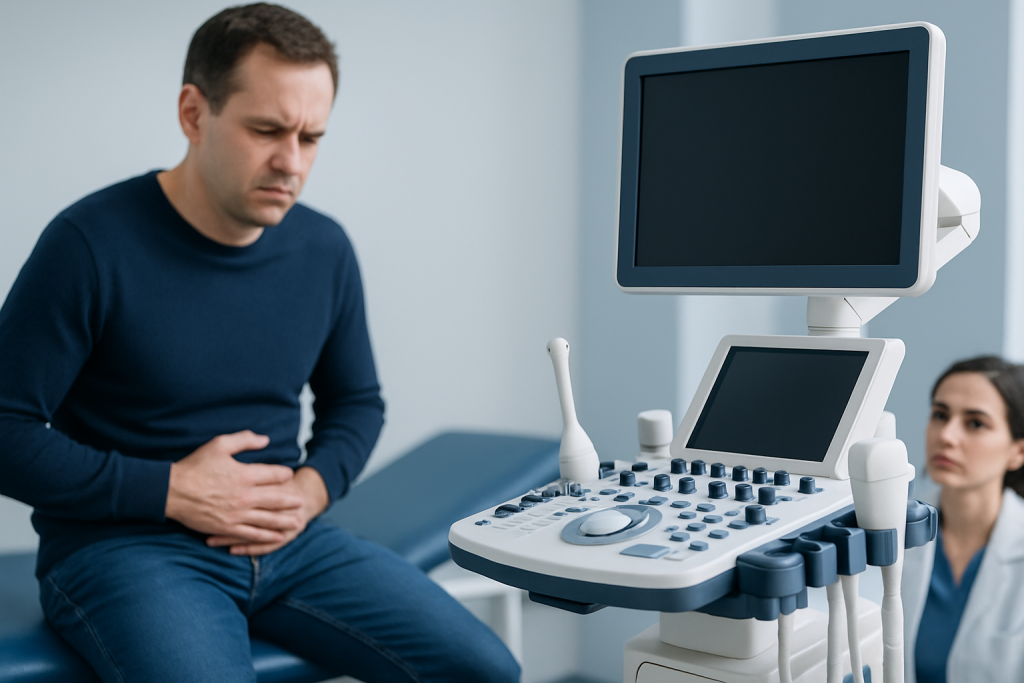
The hallmark symptom is a dull ache, pressure, or throbbing sensation high in the rectum or around the anus. Some people describe it as sitting on a small ball, while others notice a heavy, cramping, or pulling feeling in the pelvic floor. Episodes may last for minutes, hours, or longer, and they may return over weeks or months.
Symptoms are often worse after prolonged sitting, during stress, or when constipation makes bowel movements harder. Some people also notice discomfort after a bowel movement, pain that wakes them from sleep less often, or a sense that the rectum never fully relaxes. The pain may be felt more on one side, but it is commonly diffuse and difficult to pinpoint.
Levator ani syndrome is different from pain caused by a visible tear, hemorrhoid flare, abscess, or inflammatory bowel disease. If symptoms include fever, bleeding, a new lump, unexplained weight loss, or severe worsening pain, another cause should be assessed promptly.
Causes & Risk Factors

The exact cause is not always clear. In many people, levator ani syndrome seems to develop from ongoing pelvic floor muscle spasm or poor coordination of the muscles used for bowel movements. When these muscles do not relax normally, pain and pressure can follow.
Several factors may contribute. Constipation and straining can keep the pelvic floor under repeated stress. A history of pelvic surgery, childbirth-related injury, prolonged sitting, heavy lifting, anxiety, or chronic stress may also play a role. Some patients have overlapping conditions such as irritable bowel syndrome, chronic constipation, or other forms of pelvic pain.
It is helpful to think of levator ani syndrome as a multi-factor problem rather than a single lesion. Muscle tension, bowel habits, posture, and nervous system sensitivity can all influence symptoms, which is why treatment often works best when it addresses more than one piece of the picture.
Diagnosis
Diagnosis begins with a detailed medical history. A clinician will usually ask where the pain is felt, how long it lasts, whether it is related to bowel movements or sitting, and whether there are bowel changes, bleeding, fever, or other warning signs. This conversation helps separate levator ani syndrome from other anorectal and pelvic conditions.
A physical examination is important. Gentle examination of the anus, rectum, and pelvic floor can identify tenderness of the levator ani muscles and may show increased muscle tone. In many cases, this exam is combined with a rectal examination and sometimes a pelvic examination, depending on the person’s anatomy and symptoms.
Tests are not always needed, but they may be used to rule out other causes. Depending on the situation, a clinician may recommend blood tests, stool tests, imaging, colonoscopy, or evaluation for constipation and pelvic floor coordination problems. For international patients, it is often useful to bring prior imaging, operative notes, and a list of past treatments so the team can avoid repeating unnecessary work and focus more quickly on the source of pain.
Treatment Options
Treatment is usually tailored to the pattern of symptoms and the presence of constipation, pelvic floor dysfunction, or overlapping pain conditions. The main goal is to reduce muscle tension, improve bowel function, and lower the nervous system’s pain response rather than to “fix” a single structure.
Pelvic floor physical therapy is often central. A trained therapist may use relaxation techniques, manual therapy, breathing work, posture training, and exercises that help the pelvic floor release instead of brace. In some people, biofeedback can improve awareness of muscle tightening and help retrain coordination during bowel movements.
Medication may be considered in selected cases, but the choice depends on the overall clinical picture. Some patients benefit from pain-modulating medicines, short-term muscle relaxant strategies, or treatment of constipation. Heat, warm baths, relaxation practices, and sitting modifications may also reduce flares.
For persistent symptoms, clinicians sometimes explore additional options such as trigger point therapy or other pain-focused interventions. If travel is part of care, follow-up planning matters: pelvic floor treatment is often a course rather than a single visit, so the best outcomes usually come from a clear home program and coordinated follow-up with a local clinician after returning home.
Prevention & Self-care
There is no guaranteed way to prevent levator ani syndrome, but symptom control often improves when the pelvic floor is given fewer reasons to stay tight. Regular bowel habits are one of the most important pieces. That may mean drinking enough fluids, eating adequate fiber if tolerated, and avoiding repeated straining on the toilet.
It can also help to reduce long periods of sitting, take standing or walking breaks, and use cushions that ease pressure if sitting triggers pain. Relaxation practices such as diaphragmatic breathing, gentle stretching, mindfulness, or guided pelvic floor relaxation may lower muscle guarding over time.
People who clench their jaw, shoulders, or abdomen during stress may unconsciously do the same in the pelvic floor. Learning to notice that pattern is useful. A calm, non-forceful approach to bowel movements is often more effective than pushing harder.
- Keep stools soft and easy to pass.
- Avoid straining or rushing on the toilet.
- Use movement and stretching to reduce prolonged muscle tension.
- Follow any pelvic floor exercises exactly as instructed by a clinician or therapist.
When to See a Doctor
Medical evaluation is important if rectal or pelvic pain lasts longer than a few days, keeps returning, or interferes with sitting, work, sleep, or bowel movements. Because levator ani syndrome is diagnosed after other causes are considered, persistent pain should not be self-labeled without assessment.
Prompt care is especially important if pain is accompanied by rectal bleeding, fever, drainage, a new lump, unexplained weight loss, difficulty passing stool or urine, or severe pain that is suddenly different from the usual pattern. These features may point to another condition that needs direct treatment.
People who have already tried standard measures but still feel stuck may benefit from a specialist evaluation, particularly if constipation, pelvic floor dysfunction, or another chronic pain condition is part of the story. At Acibadem Health Point, multidisciplinary specialists and JCI-accredited hospitals diagnose and treat levator ani syndrome for international patients as part of coordinated, patient-centered care.
Living With the Condition
Levator ani syndrome can be discouraging because the pain is real even when tests are reassuring. Many people improve gradually once the pelvic floor is treated as a muscle-and-nerve problem rather than a mystery symptom. Progress is often measured in fewer flares, easier sitting, better bowel control, and less worry around the next episode.
It is also common for symptoms to improve in stages. One week may feel much better, then a stressful period or constipation flare may bring the pain back. That pattern does not mean treatment has failed; it usually means the condition needs continued attention to triggers, body mechanics, and relaxation habits.
When care is consistent, many patients learn how to predict and soften flares early. For those seeking treatment across borders, a clear discharge plan, written home exercises, and a follow-up pathway can make recovery more manageable after returning home.
Frequently asked questions
01Is levator ani syndrome serious?
It is usually not dangerous, but it can be persistent and disruptive. Because the pain can resemble other anorectal conditions, it should be evaluated to rule out more serious causes.
02How is levator ani syndrome different from hemorrhoids?
Hemorrhoids usually cause pain, itching, swelling, or bleeding near the anal opening. Levator ani syndrome more often causes a deep, aching pressure higher in the rectum or pelvic floor.
03Can constipation make it worse?
Yes. Constipation and straining can increase pelvic floor tension and trigger more pain. Softening stools and avoiding forceful bowel movements are often part of treatment.
04Does levator ani syndrome go away on its own?
Some episodes improve over time, but many people need active management to reduce recurrence. Pelvic floor therapy, bowel habit changes, and relaxation strategies often help more than waiting alone.
05What kind of doctor treats levator ani syndrome?
A gastroenterologist, colorectal specialist, pelvic floor physical therapist, or pelvic pain specialist may be involved. The best approach often depends on whether constipation, pelvic floor dysfunction, or another condition is present.
06Can stress trigger symptoms?
Stress can contribute to muscle tightening in the pelvic floor and make symptoms more noticeable. Stress reduction is not the only treatment, but it can be a useful part of a broader plan.
This article is for general information only and is not a substitute for professional medical advice. Please consult a qualified doctor about your individual situation.
Persistent digestive symptoms? Get evaluated in Turkey
JCI-accredited · board-certified surgeons · reply within 24h
Add us as a Preferred Source to see more of our trusted health content across Google Search, AI Overviews and Discover.