Leg Lipo Before and After: Changes to Expect
Leg lipo before and after changes are usually gradual: early swelling can hide the new contour, while clearer definition develops as tissues heal over several months. Liposuction can reduce localized fat in the thighs, knees, calves, or ankles, but it is not a weight-loss procedure and does not reliably tighten loose skin.
Leg lipo before and after: what changes to expect
Leg liposuction, often called leg lipo, is a body-contouring procedure that removes stubborn pockets of fat from selected areas of the legs. Before-and-after changes may include a slimmer outline of the thighs, improved definition around the knees, or a smoother transition between the calves and ankles. Results are individual and depend on the area treated, skin quality, the amount of fat removed, and healing.
Immediately after surgery, the legs usually look swollen and may have bruising. This means early photographs do not represent the final outcome. As swelling gradually settles, the treated area generally becomes more defined. Most people notice meaningful changes within several weeks, while the final contour may continue to refine for several months.
Liposuction is designed for people near a stable, healthy-for-them weight who have localized fat that has not responded as hoped to nutrition and exercise habits. It is not a treatment for obesity, cellulite, or significant skin laxity. A consultation for liposuction can help clarify whether the expected change is realistic for a person’s body and goals.
How leg liposuction works and who may be a candidate
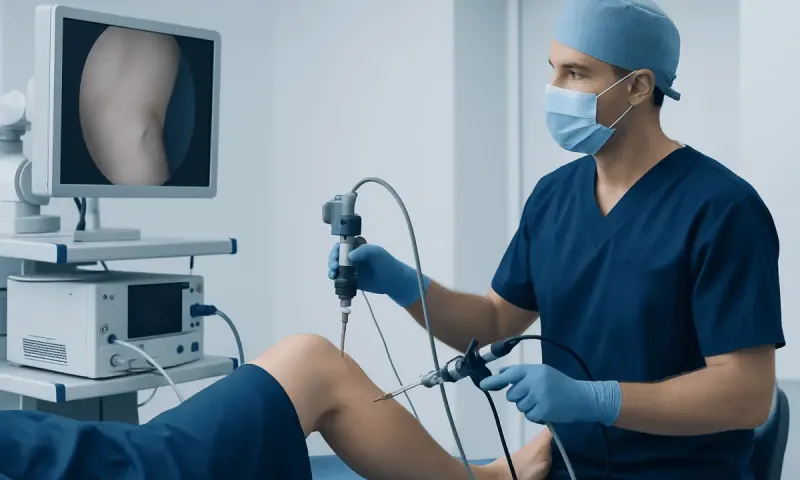
During liposuction, a surgeon makes very small incisions and inserts a narrow tube called a cannula into the fatty layer beneath the skin. The cannula loosens and removes selected fat cells using suction. Depending on the plan and the treatment area, the procedure may be performed with local anesthesia and sedation or with general anesthesia.
Common treatment areas include the inner thighs, outer thighs, front of the thighs, knees, calves, and ankles. Not every area is suitable for every person. In particular, calf and ankle contouring requires careful assessment because the lower legs contain important muscles, nerves, and blood vessels.
A suitable candidate is generally an adult in good general health, at a stable weight, and with firm enough skin to adapt after fat reduction. Non-smokers or people able to stop nicotine use as advised are preferable because nicotine can impair healing. A surgeon will also assess medical history, medicines, prior operations, circulation, and any history of clotting problems.
Prominent leg enlargement is not always due to ordinary fat deposits. Conditions such as lipedema can cause symmetrical, painful fat accumulation and easy bruising, commonly affecting the legs. Evaluation by an experienced clinician is important when symptoms suggest an underlying condition rather than a purely cosmetic contour concern.
What happens during the procedure
Before surgery, the surgeon discusses the desired contour, reviews health information, examines the skin and underlying tissues, and marks the treatment zones while the person is standing. Preoperative instructions may include arranging a responsible adult to help after the procedure, avoiding certain medicines or supplements when medically appropriate, and following fasting instructions if anesthesia is planned.
On the day of surgery, anesthesia is given and small, strategically placed incisions are made. A fluid solution is often introduced into the treatment area to reduce bleeding and help with comfort. The surgeon then moves the cannula carefully through the fat layer to remove fat evenly and preserve a natural-looking contour.
Once treatment is complete, incisions may be closed or left partly open to allow fluid to drain, depending on the technique. Dressings and a compression garment are applied. Most people return home the same day, but the exact plan depends on the extent of surgery, anesthesia, personal health, and the surgeon’s advice.
Leg lipo recovery time and the results timeline
Leg lipo recovery time varies by the amount of treatment, the areas involved, and individual healing. In the first few days, soreness, tightness, swelling, bruising, and temporary numbness are common. Prescribed or recommended pain relief, rest, leg elevation when advised, and wearing compression garments can make this period more manageable.
Gentle walking is usually encouraged soon after surgery because it supports circulation and reduces the risk of blood clots. However, strenuous exercise, heavy lifting, and high-impact activity should wait until the surgeon confirms that it is safe. Many people return to desk-based work within about a week or two, although physical jobs and more extensive procedures may require additional time away.
Bruising often fades over a few weeks, while swelling may take longer to resolve, particularly in the lower legs. The lipo before and after legs comparison is usually most informative after several months rather than during the early recovery period. Small differences between the two legs can also occur temporarily as swelling resolves at different rates.
Removed fat cells do not grow back, but remaining fat cells can enlarge with weight gain. Maintaining a stable weight, regular activity, and balanced eating can help preserve the contour achieved after surgery.
Is liposuction on legs worth it?
Whether liposuction on the legs is worth it depends on the person’s goals, anatomy, recovery preferences, and understanding of the limits of the procedure. It may be worthwhile for someone troubled by a defined area of disproportionate fat who is already close to a stable weight and accepts that improvements are contour-based rather than a substitute for weight loss.
A helpful consultation focuses on what is realistically achievable. The surgeon should explain how much improvement may be expected, whether the skin is likely to retract smoothly, where scars will be located, and what recovery involves. Looking at unedited before-and-after images from patients with a similar body type and treatment area may support an informed discussion, but another person’s result cannot predict an individual outcome.
People may decide against surgery if their main concern is loose skin, cellulite, major weight reduction, or a condition requiring medical management rather than fat removal. For those considering several approaches to body contouring, a qualified plastic surgeon can explain which option best matches their circumstances.
Does thigh lipo leave saggy skin?
Thigh liposuction can make loose skin more noticeable in some people, especially when skin elasticity is reduced before surgery. Skin may retract well after modest fat removal in younger people or those with naturally firmer skin, but this response cannot be guaranteed. Age, genetics, sun exposure, smoking history, weight changes, and the amount of fat removed all influence skin retraction.
When there is substantial pre-existing skin laxity, liposuction alone may not produce a smooth result and can leave folds or a crepey appearance. In selected cases, a surgeon may discuss a skin-removal procedure such as a thigh lift. This is a more extensive operation with longer scars and a different recovery profile, so it should be considered carefully.
Cellulite may also remain after thigh lipo because it is related to the structure of skin and connective tissue, not simply excess fat. Honest preoperative assessment is the best way to reduce the risk of disappointment and choose an appropriate treatment plan.
How many inches can you lose with thigh liposuction?
There is no reliable or medically appropriate number of inches that everyone can expect to lose with thigh liposuction. The procedure is planned around safe, proportionate contour improvement rather than a target measurement. Changes in circumference vary according to the starting anatomy, treated zones, volume removed, degree of swelling, and whether weight remains stable afterward.
Measurements taken soon after surgery can be misleading because swelling may temporarily increase leg size. If measurements are useful for follow-up, they are usually compared only after the body has had time to heal. A surgeon can discuss the likely scale of change in general terms after examining the legs and reviewing the quality of the skin.
The most realistic goal is an improved shape and fit of clothing rather than a guaranteed inch loss. A careful approach also helps avoid over-removal of fat, which can increase the risk of irregularities and an unnatural appearance.
Risks, self-care, and when to seek medical care
Potential benefits of leg liposuction include improved contour, reduced localized fullness, and greater comfort with the way clothing fits. Like all surgery, it also carries risks. These can include bleeding, infection, delayed healing, fluid collections, asymmetry, uneven contours, skin discoloration, scarring, persistent numbness, and reactions to anesthesia. Rare but serious complications include blood clots and fat embolism.
Following the surgeon’s aftercare plan is important. This commonly includes wearing compression as instructed, taking only recommended medicines, attending scheduled reviews, staying gently mobile, avoiding nicotine, and gradually returning to exercise. It is also important to contact the clinical team with questions rather than changing wound care or activity levels independently.
When to seek medical care: Urgent medical assessment is needed for chest pain, shortness of breath, coughing blood, fainting, sudden one-sided leg swelling or pain, or severe symptoms that develop after surgery. The surgical team should also be contacted promptly for fever, worsening redness or warmth, pus-like drainage, rapidly increasing swelling, uncontrolled pain, or bleeding that soaks dressings.
Acıbadem Health Point’s multidisciplinary specialists and JCI-accredited hospitals assess and treat patients seeking body-contouring procedures, including international patients. A consultation with a qualified plastic surgeon is the appropriate place to review safety, recovery, and realistic leg lipo results.
Frequently asked questions
01When will I see final leg lipo results?
Early contour changes may be visible once the initial swelling begins to improve, often over the first several weeks. However, residual swelling and tissue healing can continue for several months, so final results are usually assessed later. Lower-leg swelling may take longer to settle than swelling in other areas.
02Is liposuction on legs worth it?
It can be worthwhile for people with localized leg fat, good overall health, stable weight, and realistic expectations about contour improvement. It is less likely to meet expectations when the main issue is loose skin, cellulite, or a desire for significant weight loss. A consultation helps determine whether the likely benefit outweighs the recovery and risks for that individual.
03How long does it take to recover from liposuction in the legs?
Many people can resume light daily activities within days and desk work in roughly one to two weeks, depending on the extent of surgery. Bruising and swelling commonly last for weeks, while strenuous exercise may need to be delayed until medical clearance is given. Full settling of the contour often takes several months.
04Does thigh lipo leave saggy skin?
It can, particularly when the skin is already loose or has limited elasticity. Liposuction removes fat but does not reliably tighten skin. A surgeon can assess whether the skin is likely to retract or whether another approach may be more appropriate.
05How many inches can you lose with thigh liposuction?
There is no standard inch loss because treatment plans and healing responses differ widely. Surgeons prioritize safe, balanced contouring rather than promising a specific measurement. Swelling also makes early measurements unreliable.
06Are leg lipo results permanent?
The fat cells removed by liposuction are permanently removed from the treated area. However, remaining fat cells can enlarge with weight gain, and natural aging can change body shape over time. Maintaining a stable weight supports longer-lasting results.
This article is for general information only and is not a substitute for professional medical advice. Please consult a qualified doctor about your individual situation.
Medical weight-loss options in Turkey — costs & eligibility
JCI-accredited · board-certified surgeons · reply within 24h
Add us as a Preferred Source to see more of our trusted health content across Google Search, AI Overviews and Discover.