

Left Nut Pain: Causes, Relief and When to Worry
- 8 min read
- Published November 26, 2026
Key Takeaways
- Left nut pain is a symptom, not a diagnosis, and the cause can range from mild irritation to a time-sensitive emergency.
- Sudden, severe pain, swelling, nausea, or a high-riding testicle should be treated as urgent.
- Infections, hernias, kidney stone pain, injury, and varicocele are among the more common causes.
- Relief depends on the cause; home measures may help mild discomfort, but they should not delay medical evaluation when warning signs are present.
- A clinician may use a physical exam, urine tests, and scrotal ultrasound to identify the source of pain.
Left nut pain can come from a minor strain, inflammation, an infection, a hernia, or a more urgent problem such as testicular torsion. A doctor can usually sort out the cause with a physical exam and a few targeted tests, and early assessment matters when pain is sudden or severe.
Overview
Left nut pain is the everyday way many people describe pain in the left testicle or the left side of the scrotum. It can feel dull, sharp, aching, heavy, or sudden, and the pattern of pain often gives the first clue about what is happening. Some causes are minor and settle with rest, while others need prompt treatment to protect the testicle and the person’s overall health.
The important point is that testicular pain should not be guessed at from a distance. Pain can start in the testicle itself, the epididymis, the groin, the lower abdomen, or even the kidney and still be felt in the scrotum. For an international patient deciding whether to fly, wait, or seek care locally, the safest approach is to treat new or unexplained testicular pain seriously and get a medical assessment sooner rather than later.
Although the phrase “left nut pain” is casual, the symptom deserves the same careful attention as any other acute body pain. A doctor’s role is to quickly separate common causes from urgent ones and to choose the least invasive treatment that fits the situation.
Symptoms
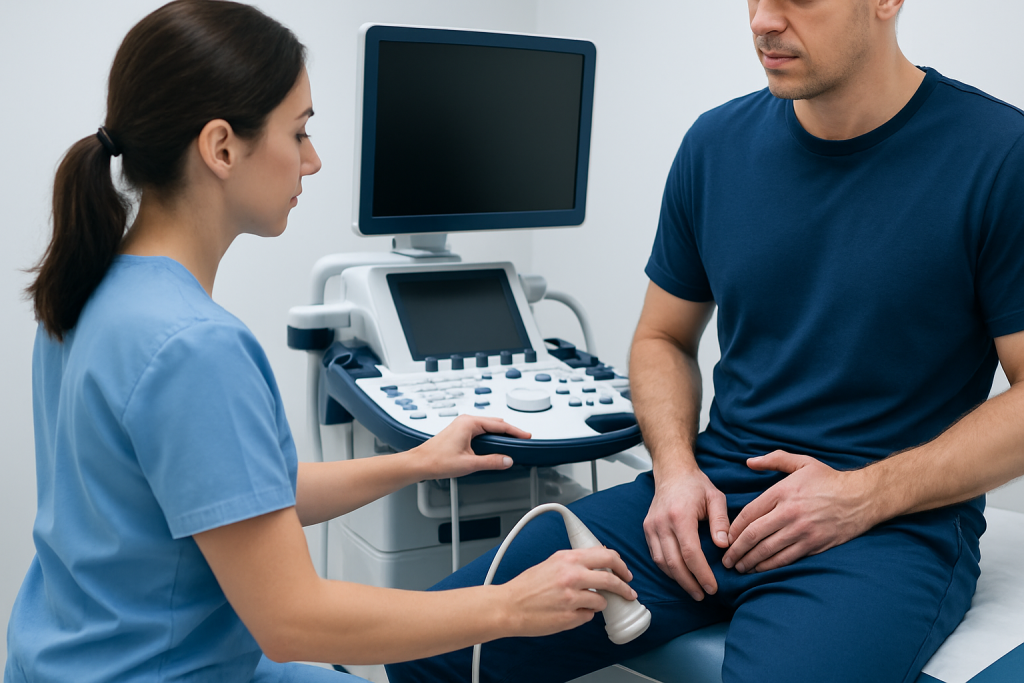
Left testicle pain may appear by itself, or it may come with other symptoms that point to the cause. The pain may be constant or come and go, and it may worsen with movement, standing, coughing, urination, or sexual activity. Some people notice tenderness when touching the scrotum, swelling, a sense of heaviness, or a change in the position of the testicle.
Associated symptoms can be very helpful. Burning with urination, fever, or discharge may suggest infection. A bulge in the groin that becomes more noticeable when coughing may suggest a hernia. Pain that starts in the flank or lower back and moves toward the groin can come from a kidney stone.
- Sudden, intense testicular pain
- Swelling or redness of the scrotum
- Nausea or vomiting
- Fever or chills
- Painful urination or urinary frequency
- A lump, bulge, or feeling of heaviness in the groin
Any rapid change in pain intensity, testicle position, or scrotal swelling should raise concern. Even if symptoms ease for a short time, a serious underlying problem can still be present.
Causes & Risk Factors

There are many possible causes of left nut pain, and the most common include inflammation, infection, strain, trauma, and structural issues. Epididymitis, which is inflammation of the tube behind the testicle, often causes gradual pain and swelling. Orchitis, or inflammation of the testicle itself, can occur with viral or bacterial infections and may be linked with fever and tenderness.
Testicular torsion is one of the most urgent causes. It happens when the spermatic cord twists and cuts off blood flow to the testicle. Pain is often sudden and severe, and the testicle may sit higher than usual. This is a medical emergency because the testicle can be damaged if treatment is delayed.
Other causes include inguinal hernia, varicocele, hydrocele, kidney stones, direct injury, muscle strain, and referred pain from the lower back or abdomen. Sometimes no obvious cause is found immediately, which is another reason an exam and imaging may be needed rather than relying on assumptions.
Risk factors vary by cause. Recent heavy lifting, sports injuries, untreated urinary tract infections, sexually transmitted infections, prior hernia, and a history of testicular problems can all increase the chance of pain. In younger males, sudden scrotal pain should always be approached carefully because torsion is more likely in that age group.
Diagnosis
Diagnosis usually begins with a focused history and physical examination. A doctor will ask when the pain started, how quickly it came on, whether there was an injury, and whether there are urinary or fever symptoms. The examination helps assess the testicle, epididymis, groin, abdomen, and surrounding structures.
Urine testing may be used to look for infection or blood, and sexually transmitted infection testing may be recommended when appropriate. A scrotal ultrasound with Doppler is a common and useful test because it can help evaluate blood flow and identify problems such as torsion, inflammation, fluid collections, or masses.
Depending on the story and exam, other tests may be needed, such as blood tests or imaging of the abdomen and groin. For a patient traveling from another country, it is helpful to bring prior records, medication lists, and any recent imaging, since this can shorten the time to diagnosis and reduce repeat testing.
Treatment Options
Treatment depends entirely on the cause. Mild strain or minor trauma may improve with rest, scrotal support, and avoidance of activities that worsen the discomfort. A clinician may also suggest simple pain relief measures that are appropriate for the person’s medical history. Self-treatment is only reasonable when the pain is mild, improving, and clearly not accompanied by warning signs.
Infections often require prescribed antibiotics or antiviral care, along with symptom control and follow-up. Hernias may need surgical evaluation, especially if they are painful or enlarging. Varicocele treatment can range from observation to procedure-based care if pain persists or fertility is a concern.
Testicular torsion is treated surgically and should not be delayed. The goal is to untwist the spermatic cord and restore blood flow as quickly as possible. Other causes, such as kidney stones or referred pain from the back, may require treatment outside the scrotum itself, which is why the correct diagnosis matters so much.
When care is being arranged across borders, continuity is important. Acibadem Health Point’s multidisciplinary specialists and JCI-accredited hospitals diagnose and treat this condition for international patients, helping coordinate evaluation, treatment, and follow-up with the same careful approach used for local patients.
Prevention & Self-care
Not every cause of left nut pain can be prevented, but a few habits can lower risk. Wearing protective gear during sports, using safe lifting technique, staying hydrated, and treating urinary or sexually transmitted infections early all matter. Regular attention to groin health also makes it easier to notice changes before they become more serious.
For mild discomfort that has already been medically assessed, supportive underwear, rest, and avoiding heavy exertion can help. A person should not massage a painful testicle or ignore swelling in the hope that it will pass on its own. If symptoms are linked with exercise, checking for a groin strain or hernia is sensible rather than assuming it is just soreness.
Self-care also includes knowing what not to do. Do not take leftover antibiotics, do not try to “wait out” sudden severe pain, and do not rely on home remedies if fever, nausea, or swelling are present. Clear timing and symptom tracking can help the doctor reach the correct diagnosis faster.
When to See a Doctor
Medical care should be sought promptly for any new, unexplained, or worsening testicular pain. Sudden severe pain, a testicle that looks higher than usual, marked swelling, or pain with nausea and vomiting should be treated as urgent. These symptoms can point to torsion or another condition that needs rapid evaluation.
A doctor should also be contacted for pain with fever, burning urination, discharge, a groin bulge, blood in the urine, or pain that follows an injury. Even when the pain is milder, lasting discomfort deserves attention if it does not improve with rest or if it keeps returning. Children and adolescents with scrotal pain should be evaluated quickly because certain causes are more time-sensitive in younger patients.
When in doubt, it is safer to have the pain assessed than to wait. Testicular conditions are often manageable when treated early, and a calm, timely exam can prevent avoidable complications.
Frequently asked questions
01Is left nut pain always an emergency?
No, not every case is an emergency. However, sudden severe pain, swelling, nausea, vomiting, or a high-riding testicle needs urgent medical evaluation because testicular torsion must be ruled out quickly.
02Can left nut pain come from something outside the testicle?
Yes. Pain may be referred from the groin, lower abdomen, kidney, or lower back. That is why a doctor may examine more than just the scrotum and may order urine tests or imaging.
03What can someone do at home for mild testicle pain?
If the pain is mild, improving, and has already been medically assessed as non-urgent, rest and scrotal support may help. It is important not to use home care as a substitute for evaluation when the pain is sudden, severe, or associated with other symptoms.
04How is testicular torsion different from infection?
Torsion usually causes sudden, intense pain and may happen without fever or urinary symptoms. Infection more often develops gradually and may be accompanied by fever, urinary burning, or swelling, though only a clinician can tell the difference reliably.
05Will a scrotal ultrasound always be needed?
Not always, but it is a common and useful test when the cause is unclear or when a serious condition needs to be ruled out. It helps assess blood flow and can show inflammation, fluid, or structural problems.
06Can left nut pain affect fertility?
Some underlying causes can affect fertility if they are not treated, especially torsion, certain infections, and some structural problems. Early diagnosis and treatment help reduce that risk, which is one reason timely evaluation is recommended.
This article is for general information only and is not a substitute for professional medical advice. Please consult a qualified doctor about your individual situation.
Persistent digestive symptoms? Get evaluated in Turkey
JCI-accredited · board-certified surgeons · reply within 24h
Add us as a Preferred Source to see more of our trusted health content across Google Search, AI Overviews and Discover.



How can we help you today?
Meet an Acibadem specialist by secure video, before you travel.
Book a video visit