LDL Cholesterol Blood Test: What Low and High Levels Mean — and What to Do Next

You get your blood test back and there it is: LDL cholesterol, with a number and maybe a flag next to it. Is it too high? Surprisingly low? What does it actually mean for you?
Your LDL — often called “bad” cholesterol — can be lower than expected, in a healthy target range, or high enough to raise your cardiovascular risk. But the number never tells the whole story on its own. It makes sense only alongside your full lipid panel, your personal risk factors, and your doctor’s advice about what to do next.
Overview: what LDL cholesterol low and high levels mean
LDL cholesterol low high levels describe whether the amount of low-density lipoprotein cholesterol in the blood is below, within, or above the target range for a person’s health profile. LDL is often called “bad” cholesterol because higher levels can promote fatty plaque buildup inside arteries, which may increase the risk of heart attack, stroke, and other cardiovascular disease over time.
If your LDL is low, that’s often good news — a sign that lifestyle changes or cholesterol-lowering treatment are working, especially if your cardiovascular risk is raised. A high LDL, on the other hand, usually causes no symptoms at all. That’s exactly why it matters: it can quietly damage your blood vessels for years before any warning signs appear.
What your LDL result means depends on you, not just the number. Your doctor will look at it alongside your total cholesterol, HDL, triglycerides, blood pressure, diabetes status, smoking history, family history, age, and any conditions you may have, such as coronary artery disease.
What the LDL cholesterol test measures
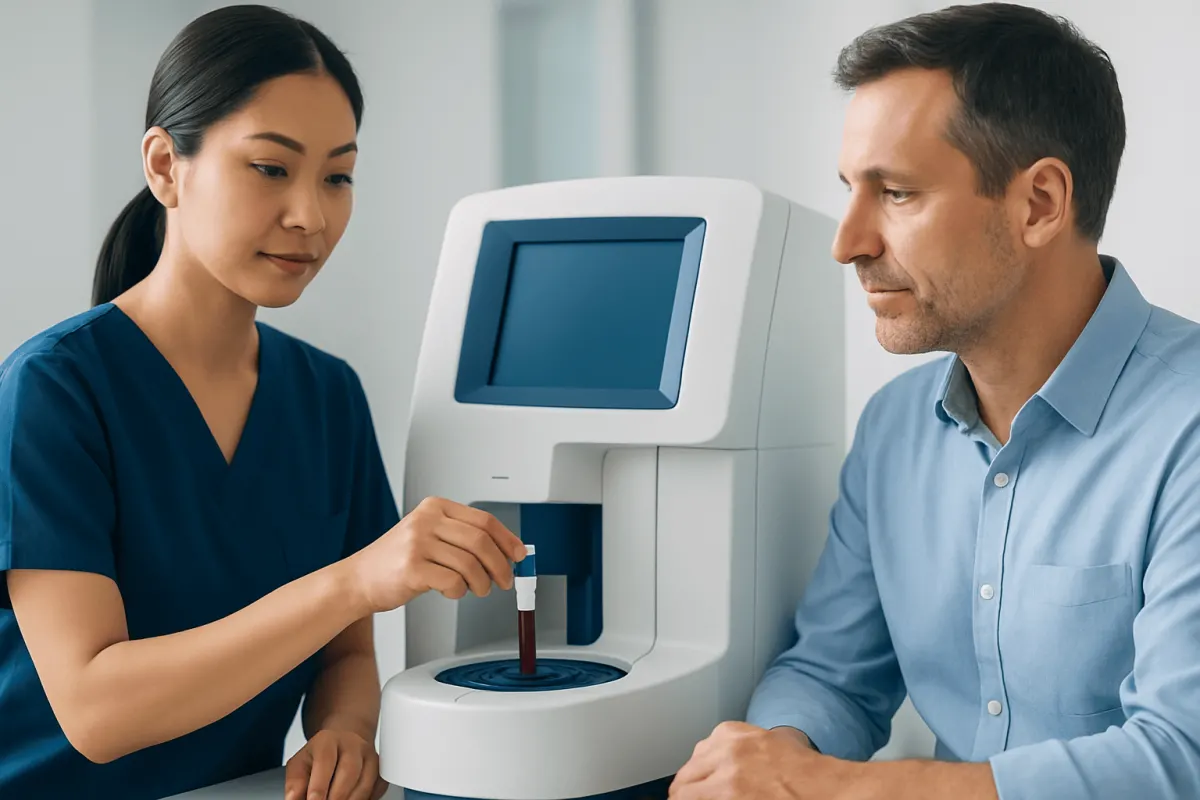
The LDL cholesterol blood test estimates how much cholesterol is being carried by low-density lipoproteins in the bloodstream. These particles deliver cholesterol to tissues, but when too much LDL circulates, cholesterol can be deposited in artery walls. This process contributes to atherosclerosis, the gradual narrowing and hardening of arteries.
LDL is usually checked as part of a lipid panel, which commonly includes total cholesterol, HDL cholesterol, triglycerides, and non-HDL cholesterol. In many laboratories, LDL is calculated from the other lipid values. In some situations, such as very high triglycerides or special clinical needs, the laboratory may measure LDL directly.
Doctors use LDL cholesterol to help assess cardiovascular risk and to monitor the effect of treatment. If a person has already had a heart attack, stroke, diabetes, chronic kidney disease, or strong inherited cholesterol problems, LDL targets are usually stricter because the benefit of lowering LDL is greater.
LDL cholesterol reference range and target levels

There’s no single “perfect” LDL number that fits every adult. Your lab report may show a general reference range, but doctors usually care more about treatment targets based on your overall cardiovascular risk. As a rule, lower LDL means lower risk — especially if you already have heart or vascular disease.
The table below shows commonly used adult LDL categories. Exact goals may vary by country, guideline, and personal medical history.
- Less than 100 mg/dL: often considered optimal for many adults
- 100 to 129 mg/dL: near optimal or above optimal
- 130 to 159 mg/dL: borderline high
- 160 to 189 mg/dL: high
- 190 mg/dL and above: very high and often suggestive of a strong genetic contribution or a need for prompt medical review
For some higher-risk people, a doctor may aim for LDL well below 100 mg/dL, and sometimes below 70 mg/dL, particularly after cardiovascular events or in established atherosclerotic disease. Results should always be interpreted in context rather than judged by a table alone.
Low LDL cholesterol: causes, symptoms, and what to do next
A low LDL is often nothing to worry about. In many cases it simply reflects healthy eating, regular exercise, weight loss, or cholesterol-lowering medicines doing their job. If you’re at high cardiovascular risk, a low LDL may be exactly what your treatment was aiming for.
Low LDL itself usually does not cause symptoms. If symptoms are present, they are more likely related to the underlying cause rather than the LDL level. Less commonly, lower-than-expected LDL can be seen with malnutrition, malabsorption, hyperthyroidism, severe liver disease, chronic inflammatory illness, or rare inherited lipid disorders.
If LDL is unexpectedly very low, the next step is usually a review of the full medical picture. A doctor may ask about weight changes, diet, digestive symptoms, medications, thyroid disease, liver health, and family history. Depending on the situation, they may repeat the lipid panel or check related blood tests.
People taking cholesterol-lowering treatment should not stop medication just because the LDL result looks low on a report. Decisions about reducing, continuing, or adjusting treatment should be made with a clinician, especially if the person has known cardiovascular disease or has undergone cardiology evaluation and treatment.
High LDL cholesterol: causes, symptoms, and next steps
High LDL cholesterol is common and often develops from a combination of genetics and lifestyle. Contributing factors include a diet high in saturated or trans fats, excess body weight, low physical activity, diabetes, hypothyroidism, kidney disease, smoking, and some medications. In some families, inherited conditions can cause very high LDL from a young age.
Here’s the tricky part: most people with high LDL feel completely fine. It usually causes no day-to-day symptoms — which is exactly why testing matters. Over time, though, it can raise the risk of plaque building up in the arteries of the heart, brain, and legs. In rare cases of severe inherited high cholesterol, visible cholesterol deposits may appear around the tendons or eyelids.
When LDL is high, doctors usually look at the whole risk profile before recommending action. Next steps may include repeating the test if needed, reviewing diet and activity, checking blood pressure and blood sugar, and considering treatment such as lifestyle counseling or cholesterol-lowering medication. If LDL is very high, especially 190 mg/dL or above, a clinician may consider inherited cholesterol disorders and the need for closer follow-up.
For people with established vascular disease or symptoms suggesting reduced blood flow, further assessment may be appropriate. Depending on the case, doctors may evaluate related conditions such as atherosclerosis and discuss medical management through services such as cardiovascular care and surgery when necessary.
How the test is done
The LDL cholesterol test is done using a blood sample, usually taken from a vein in the arm. It is commonly ordered as part of a routine checkup, a cardiovascular risk assessment, or treatment monitoring. The sample is then analyzed in a laboratory, and results are usually reported together with the rest of the lipid panel.
Fasting is not always required. Many lipid tests can be interpreted accurately from a non-fasting sample, especially for routine screening. However, a doctor may ask for fasting for 9 to 12 hours in certain situations, such as very high triglycerides, follow-up testing, or when a more detailed lipid assessment is needed.
Before the test, tell your clinician about any medicines, supplements, pregnancy, recent illness, and major changes in your diet or weight. These details matter — they help show whether the result reflects your usual cholesterol or just a temporary change.
What can skew LDL results
LDL cholesterol results can be influenced by more than long-term heart risk. Recent illness, surgery, acute infection, pregnancy, rapid weight loss, alcohol intake, and significant dietary changes may temporarily change lipid values. If a result seems inconsistent with the person’s usual health picture, a repeat test may be useful after recovery or stabilization.
Testing method also matters. Calculated LDL becomes less reliable when triglycerides are very high. In those cases, a doctor may prefer direct LDL measurement or use other markers such as non-HDL cholesterol or apolipoprotein B, depending on local practice.
Some medicines can lower or raise LDL. Cholesterol-lowering drugs, hormone therapies, steroids, certain diuretics, and other medications may affect the result. Long-term conditions such as thyroid disease, kidney disease, liver disease, and diabetes can also shift cholesterol levels. Interpreting the test accurately means looking beyond one number.
When lipid results raise concern, clinicians may also assess broader cardiovascular status, including symptoms, blood pressure, and imaging when appropriate. In selected cases, specialized services such as preventive health check-up can help organize risk assessment and follow-up.
When to seek medical care
A high or low LDL on a routine test is usually not an emergency — but don’t ignore it either. Follow up with a qualified doctor, especially if your LDL is very high, if early heart disease runs in your family, or if you have diabetes, kidney disease, high blood pressure, or a previous heart attack or stroke.
Urgent medical care is needed if symptoms suggest a cardiovascular emergency rather than a cholesterol problem itself. These symptoms can include chest pain, shortness of breath, sudden weakness on one side, trouble speaking, severe dizziness, or sudden leg pain with coldness or color change.
For international patients who need evaluation, Acıbadem Health Point’s multidisciplinary specialists and JCI-accredited hospitals diagnose and treat cardiovascular risk factors and related disease with coordinated care. A clinician can explain whether the LDL result needs lifestyle changes, medication, repeat testing, or more detailed cardiovascular assessment.
Frequently asked questions
01Is LDL cholesterol always bad?
LDL is not “bad” in the sense that the body has no use for it. Cholesterol is necessary for cell membranes and hormone production. The concern is that too much LDL in the blood can increase plaque buildup in arteries over time.
02What level of LDL cholesterol is considered high?
In many adult reference systems, LDL from 130 to 159 mg/dL is considered borderline high, 160 to 189 mg/dL is high, and 190 mg/dL or above is very high. However, whether a result is concerning depends on the person’s overall cardiovascular risk and medical history.
03Can LDL cholesterol be too low?
A low LDL level is often desirable, especially in people at increased risk of heart disease. If LDL is unexpectedly very low, a doctor may review medications, diet, weight changes, thyroid function, liver health, and other possible causes. Low LDL is usually interpreted in the context of the whole clinical picture.
04Do people with high LDL cholesterol have symptoms?
Usually not. High LDL cholesterol is often silent for many years, which is why blood testing is important. Symptoms generally appear only if cholesterol-related artery disease has already developed.
05Do you need to fast before an LDL cholesterol test?
Not always. Many LDL and lipid tests can be done without fasting, especially for general screening. A doctor may still request fasting in some cases, such as very high triglycerides or when a more specific lipid interpretation is needed.
06What should someone do after a high LDL result?
The next step is usually to discuss the result with a doctor rather than reacting to the number alone. The clinician may review diet, exercise, weight, blood pressure, smoking, diabetes status, medications, and family history, and then decide whether lifestyle measures, repeat testing, or medication is appropriate.
This article is for general information only and is not a substitute for professional medical advice. Please consult a qualified doctor about your individual situation.
Heart care in Turkey — expert evaluation and treatment
JCI-accredited · board-certified surgeons · reply within 24h
Add us as a Preferred Source to see more of our trusted health content across Google Search, AI Overviews and Discover.